


Applications for Ohio Farm Bureau Health Plans now available
Members have three ways to apply: contacting a certified agent, calling 833-468-4280 or visiting ohiofarmbureauhealthplans.org.
Read MoreIt’s that time of year for Kathi Albertson. It’s Christmas tree season.
In years past, she and her husband, Don, would be in all-hands-on-deck mode for the holidays. Last year, however, was the final year their Christmas tree farm in Cambridge was in operation. It was the final year employees were needed to help customers find their own special tree for their family.
“Although we are no longer selling trees, we think often of the wonderful kids that we had the pleasure of working with through the years,” Albertson said. Those thoughts also turn to one young man who worked on the Albertson’s tree farm who died from a heroin overdose.
Having an employee die from a drug problem had an affect on the Albertsons, as it would most people. It also spured action in some folks who have had such an experience, and that is what has happened in Guernsey County.
The group CHOICES (Community, Hope, Opportunity, Independence, Change, Empowerment, Success) was formed after a large and engaged community discussion initiated by Guernsey County Farm Bureau to discuss the opioid crisis. The group was convened by Southeastern Ohio Regional Medical Center CEO Ray Chorey and is made up of representatives from the local hospital, rehabilitation centers, schools, judges, courts, law enforcement — “every entity that has any involvement in combating the current drug epidemic,” according to Farm Bureau Organization Director Betsy Anderson.
“(The initial meeting) took place shortly after our young man, who was well known, and two other young people had died of overdoses,” said Albertson, a Guernsey County Farm Bureau member. That first meeting was standing room only, with more than 100 people in attendance.
“The next logical step was the formation of a task force to do what we can to fight the problem,” she said.
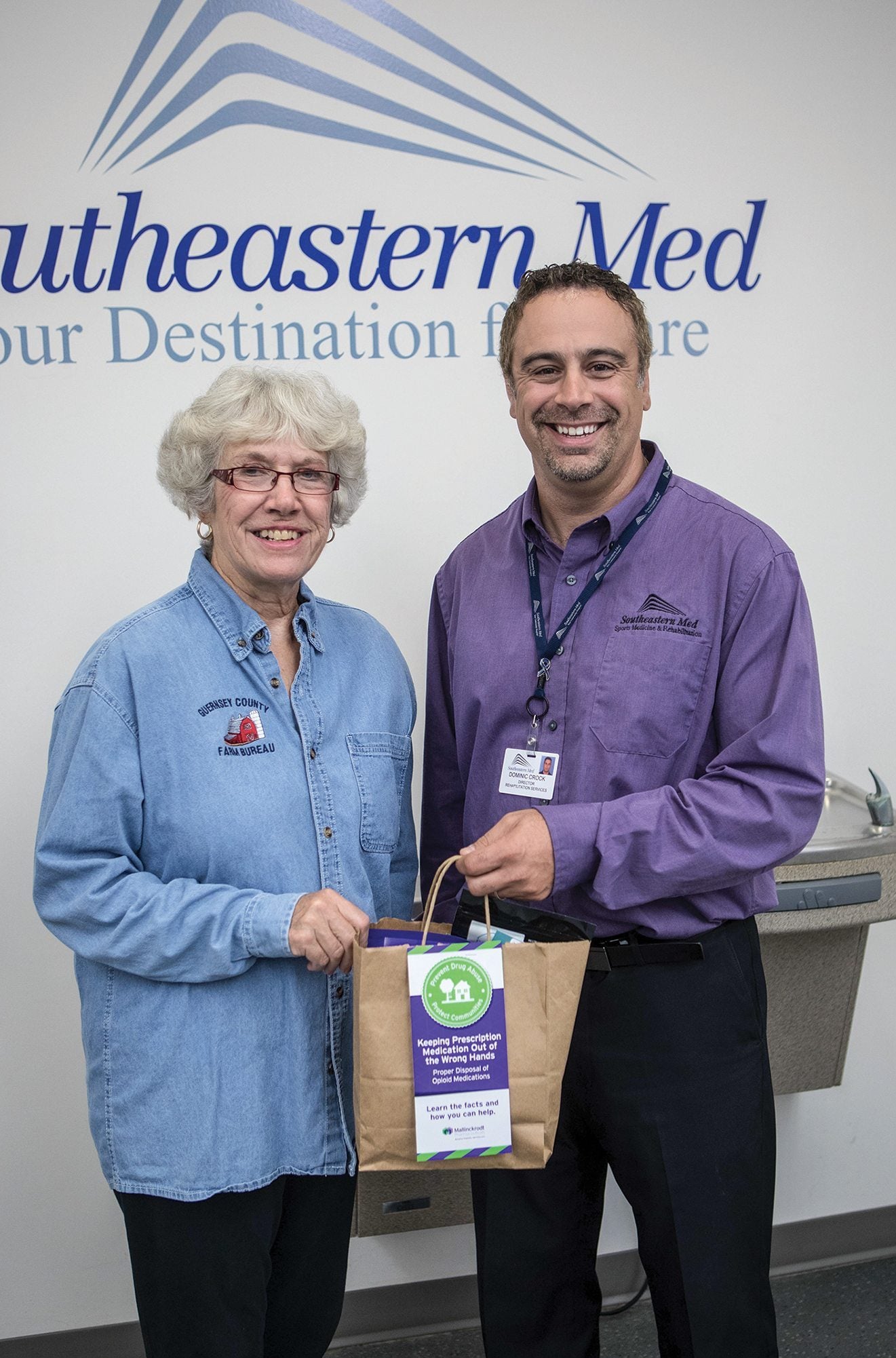
By chance, Albertson found out about Verde Medication Disposal System bags. Pharmacies distribute the bags to customers to allow medication to be safely disposed of in the trash rather than flushed down the toilet. The county Farm Bureau initially purchased 200 bags from the manufacturer, then 1,000 more were supplied through a donation from Mallinckrodt Pharmaceuticals.
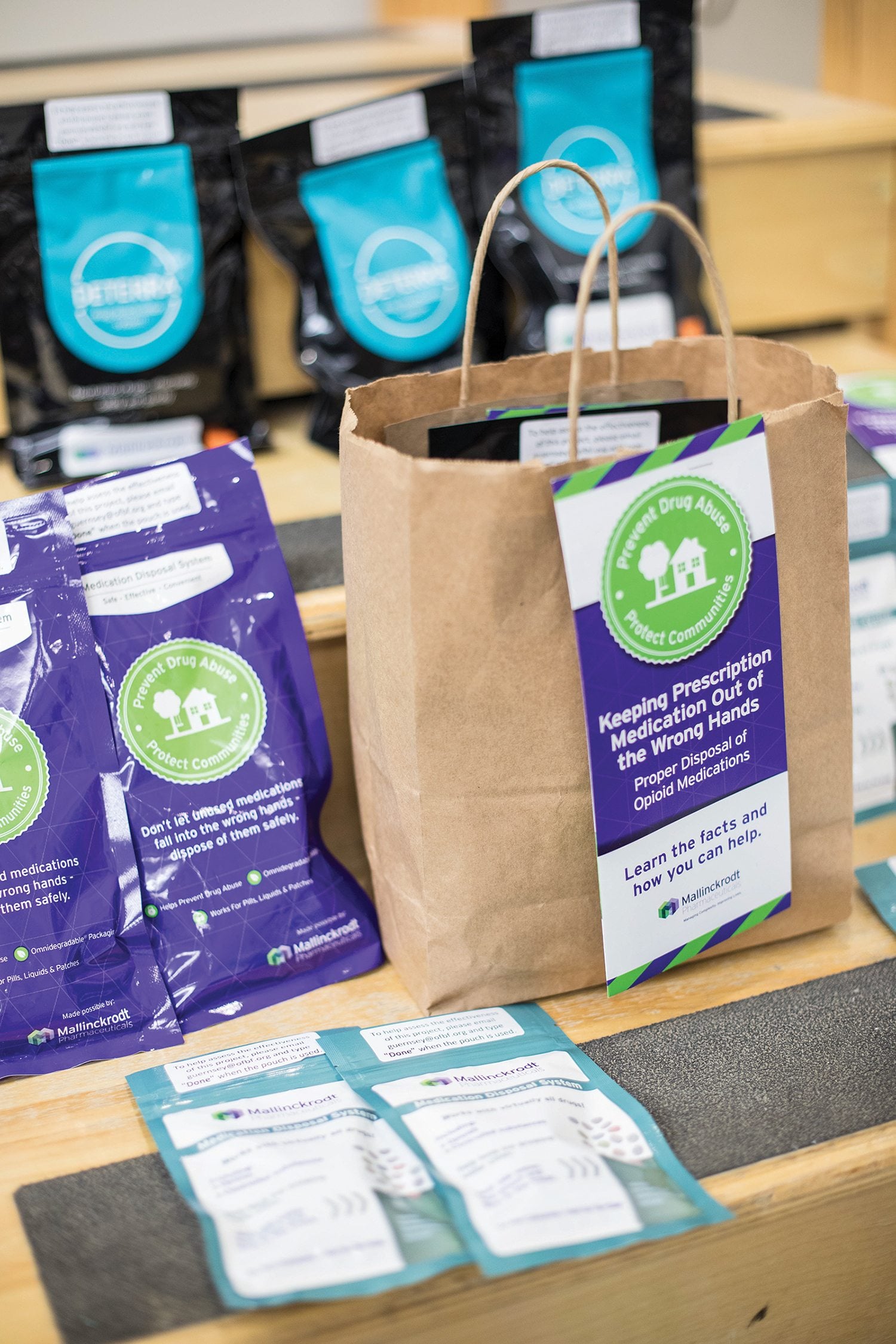
The county Farm Bureau, as a partner in CHOICES, is providing the medicine disposal bags to senior citizens and others who might have unused prescription pain medication, in order to keep the drugs from getting into the wrong hands.
“We talk to everyone before they get a bag,” Kathi said, noting that many seniors don’t understand the temptation that may lurk in unused pain medication taking up space in their medicine cabinet.
It’s one step in a critical war to help stem the rising tide of opioid addiction, which is affecting all facets of both rural and urban communities.
County Farm Bureaus across Ohio are working with state and local agencies to help address the drug epidemic, using grassroots connections to help stimulate prevention initiatives.
Dr. Theresa M. Ferrari, associate professor, 4-H youth development specialist with OSU Extension, recently addressed Ohio Farm Bureau’s state policy development committee on the ongoing partnership efforts between 4-H and Prevention Action Alliance.
Disposing of leftover prescription pain medication is a focus for Ferrari as well. During 4-H’s National Youth Summit on Healthy Living earlier this year, high school students came up with the idea of the “What’s in Your Medicine Cabinet?” campaign. This focus was selected because easy availability and misuse of prescription drugs are two of the contributing factors to the current opioid epidemic. For more, see CFAES Impact in this issue.
Much like the connections made in Guernsey County, Farm Bureau continues to find avenues, through its community connections, to help support these drug abuse prevention actions throughout the state. The epidemic has been a main topic at several county Farm Bureau annual meetings this year.
Tuscarawas County Farm Bureau has been actively involved in the county’s anti-drug coalition and its ongoing initiatives, such as Hidden in Plain Sight drug awareness program training and the Got Your Back campaign (visit adamhtc.org). The campaign was also a theme at the Carroll, Harrison and Jefferson county fairs. Monroe County Farm Bureau was a sponsor of a mental health first aid training workshop, which focused on the mental health aspects of drug addiction.
Update: New rules went into effect in August 2017 limiting the amount of opiates that can be prescribed for acute pain to seven days for adults and five days for minors in the state of Ohio.
Photos by Bryan Rinnert


Members have three ways to apply: contacting a certified agent, calling 833-468-4280 or visiting ohiofarmbureauhealthplans.org.
Read More
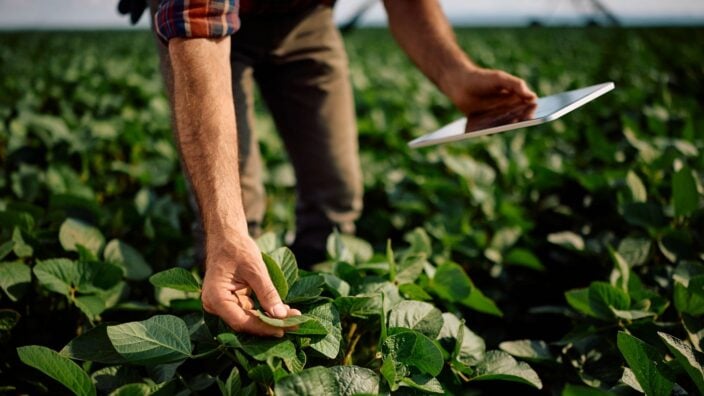
Founded by farmers in 1926, Nationwide has grown into a trusted partner for the agricultural community while staying true to its roots.
Read More
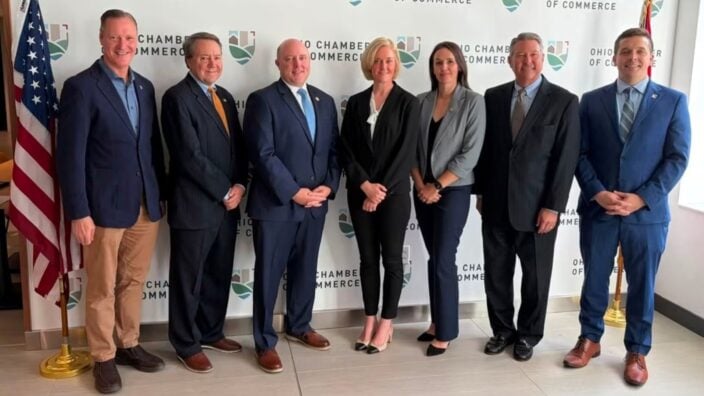
Five of Ohio’s leading business organizations, including Ohio Farm Bureau, announced support this week for Justice Dan Hawkins and Colleen O’Donnell in the 2026 elections for the Ohio Supreme Court.
Read More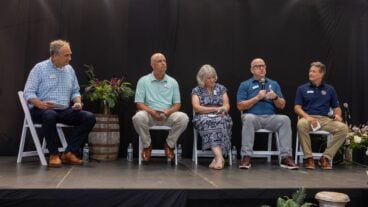
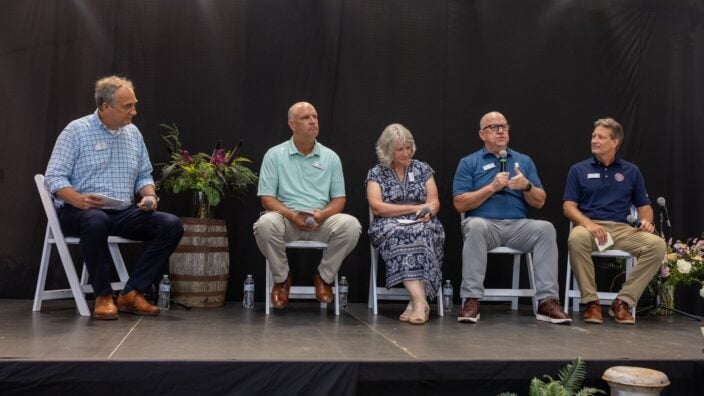
The 16th annual Cultivating a Cure welcomed more than 320 attendees and raised $151,053 to support cancer treatment and prevention research.
Read More
Ohio Farm Bureau is accepting applications for the Discussion Meet, Excellence in Agriculture, and Outstanding Young Farmer 2027 contests.
Read More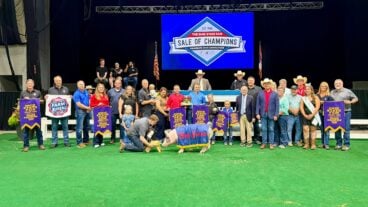
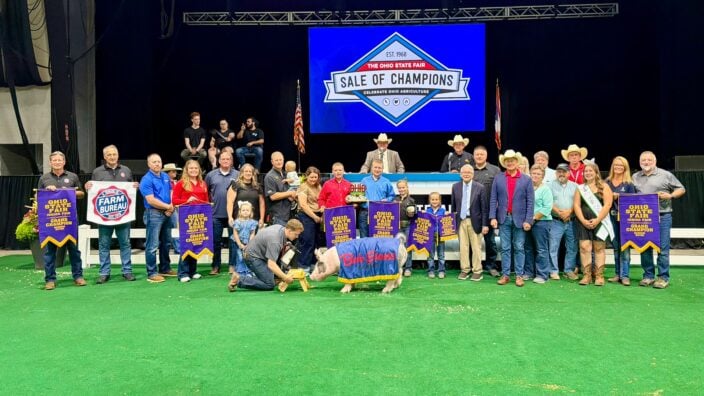
At the 2026 Sale of Champions, Ohio Farm Bureau, along with partners Bob Evans Farms and Nationwide, purchased the Grand Champion Market Barrow exhibited by Parker Elchinger of Henry County.
Read More

Ohio Farm Bureau and the Ohio Produce Growers and Marketers Association are encouraging Ohioans to support local fruit and vegetable growers while following recommended food safety practices.
Read More
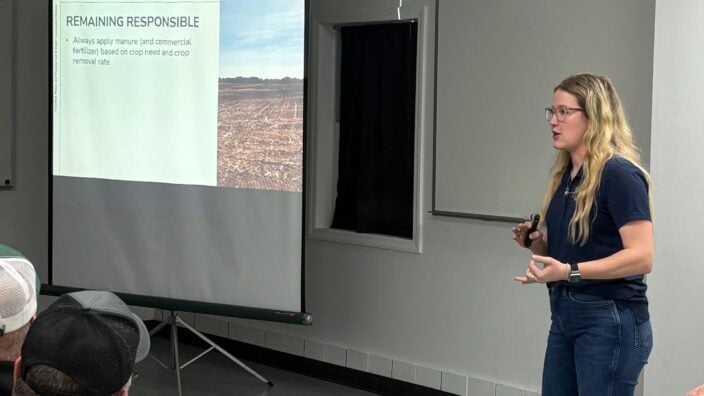
Meet Hannah Ziegler, nutrient management technician and social media content creator for Crawford and Wyandot Soil and Water Conservation Districts.
Read More
Ohio Farm Bureau supports responsible economic development and will continue to advocate for policies that protect Ohio’s water resources, farmland and rural communities.
Read More

Dr. Ian Sheldon joins the podcast to explain the history of USMCA, what recent decisions mean for the agreement and why its future matters for Ohio agriculture.
Read More