

Applications for Ohio Farm Bureau Health Plans now available
Members have three ways to apply: contacting a certified agent, calling 833-468-4280 or visiting ohiofarmbureauhealthplans.org.
Read MoreThe recent CAUV reforms more accurately value land in conservation, but some landowners need to get with their county auditor to take advantage of the changes, said Leah Curtis, OFBF policy counsel and senior director of member engagement.
“What we worked toward was getting the conservation acreage valued at the lowest value in the CAUV table,” she said. In doing so the value recognizes that the land is not making an income for the landowner, yet it is serving a purpose by helping keep the environment healthy.
Landowners who have conservation land that falls under CAUV in one of the 41 counties reappraised or updated in 2017 will need to talk with their county auditors soon, Curtis said. Proof that their land is in a federal conservation program or simply in a conservation practice will have to be presented. A map of where that acreage is and, if in a federal program, a signed contract to confirm the land is in the program will need to be presented to the auditor so he or she knows exactly what soils need to be lowered to the conservation acreage.
“If you just talk to your auditor, you can work through this so you have the right value for the coming year,” Curtis said.
If landowners don’t talk to the county auditor, the land will not be lowered to its lowest CAUV value, Curtis said. For 2017 reappraisals to be eligible for the new valuation, the land must be in a conservation practice as of Jan. 1, 2017.
As for those living in a county that will be reappraised or updated in 2018 or 2019, Curtis said those landowners will see this change included with all other reform changes when those reappraisals and updates happen in their counties.
“When you fill out your renewal form for CAUV each year, there will now be a place to certify your conservation acreage, both federal program acreage and general conservation practice land,” she said. Again, a map of the land must be included, as well as a signed contract produced if it is in a federal conservation program.
It is important to note that when the conservation land is lowered to its new value, it must remain in conservation practice for three years, Curtis said. If it is taken out of that practice prematurely and used to generate income, the landowner is responsible for paying the difference between the lowered CAUV conservation value and its typical CAUV value. That land will go back to typical CAUV value, Curtis said.


Members have three ways to apply: contacting a certified agent, calling 833-468-4280 or visiting ohiofarmbureauhealthplans.org.
Read More
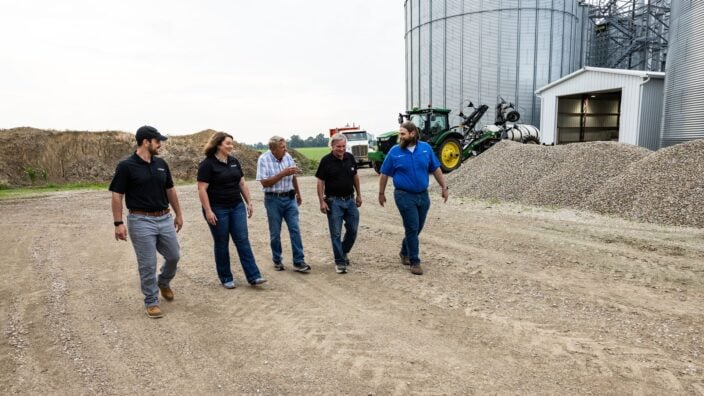
A year-end review provides an opportunity to evaluate your operation’s financial position, discuss future goals and develop strategies for the upcoming season.
Read More

Ohio Farm Bureau has created a new guide to help members better understand the laws, regulations and risk considerations that come with opening their farms to the public.
Read More
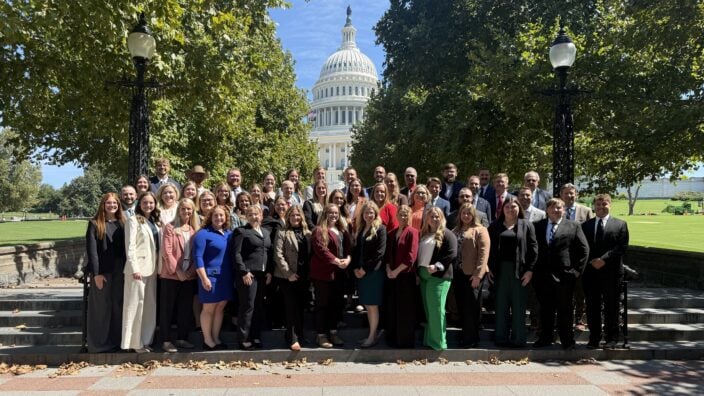
The groups received a firsthand look at agricultural policy, advocacy and leadership in the nation’s capital.
Read More
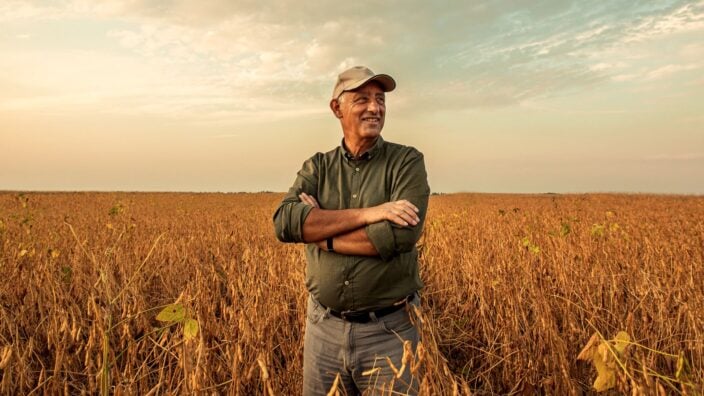
By prioritizing safety and health, you protect yourself and those around you, reduce downtime, and ensure your operation runs smoothly.
Read More
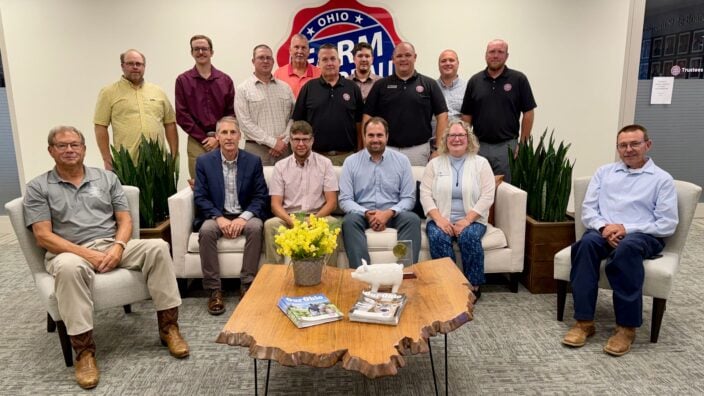
Twenty leaders have been named to the 2026 Ohio Farm Bureau Federation Policy Development Committee.
Read More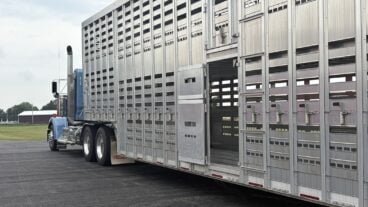
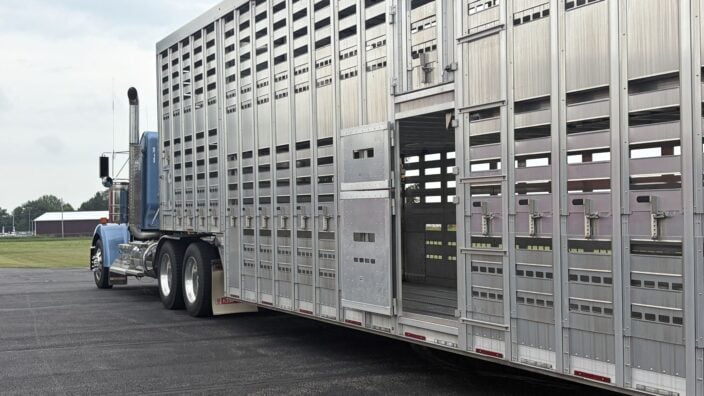
Two specialized, hands-on training sessions will address high-risk agricultural emergencies: manure pit rescues in confined spaces and roadside livestock transportation accidents.
Read More
The 75,000 square foot ImAGine Ag exhibit made its debut at the 2026 Ohio State Fair in the new Ohio Agriculture Center, giving thousands of visitors a hands-on, interactive learning experience.
Read More
Early-bird pricing for the conference will end Dec. 15, 2026, with a final registration deadline of Jan. 5, 2027. Event details, session updates and registration are available at ofb.ag/WLE.
Read More
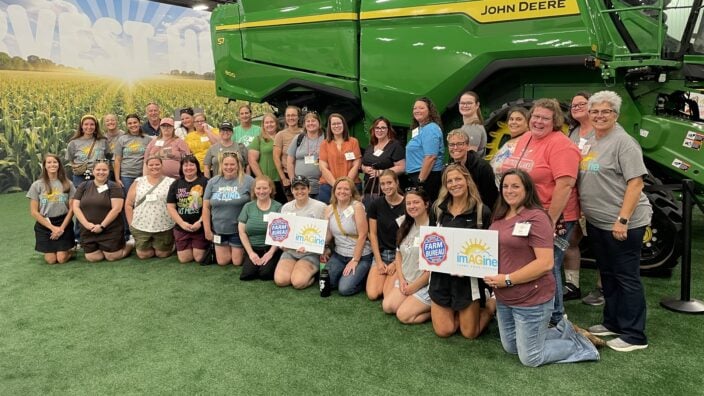
More than 50 K-5 educators took part in professional development events at the 2026 Ohio State Fair, centered around agricultural education and the organization’s new imAGine Ag exhibit.
Read More