



Applications for Ohio Farm Bureau Health Plans now available
Members have three ways to apply: contacting a certified agent, calling 833-468-4280 or visiting ohiofarmbureauhealthplans.org.
Read MoreThe Truth About Food, a three-hour forum that examined how research about food and nutrition are relayed to the public and how that process could be improved, was held June 12 at Ohio State University.
OFBF’s Senior Director of Corporate Communications. Joe Cornely was one of the participants in the panel discussion at the forum. Each panelist spoke to information about food and science news that can be translated, or in some cases not translated, to the public.
For example, best-selling author and panelist Nina Teicholz’s 2014 book, The Big Fat Surprise, challenged decades of advice by health associations and the government to stay away from saturated fat and high-cholesterol foods and opt for low-fat, low-cholesterol versions.
“We’ve gotten it wrong about fats,” Teicholz told an audience of more than 100 people at the Ohio State University’s Ohio Union. The hypothesis now, she said, is that carbohydrates cause increased insulin levels that led to obesity.
Ken Lee, Ohio State professor of food science and director of the university’s Food Innovation Center, said the “fats are bad” advice is a misconception that has permeated nutrition science, and it’s been difficult to change minds.
Lee was one of the five panelists who discussed how scientists, journalists and science communicators can help unravel the complicated scientific research for the public.
“Nina has a message which is really important,” he said, noting that the study used by physiologist Ancel Keys that supported his belief that fat and cholesterol caused heart disease was flawed. But it became so ingrained in popular culture and government recommendations over the years that it’s been nearly impossible to change the narrative.
That narrative is becoming harder and harder to communicate as well. Columbus Dispatch science reporter Marion Renault said translating the language of scientific studies into stories for the public can be difficult.
“You want to be general enough so that people can understand, but not so general that you’re incorrect,” she said.
These days, former Dispatch science reporter Misti Crane pointed out, only a handful of journalists focus on science and even fewer on nutrition. That makes it all the more important for scientists and science communicators to translate research and findings into lay speech, said Crane, now assistant director for OSU Research Communications.
“Then there’s a lot less chance for errors,” she said. Everyone, she said, needs to be honest about what science is and acknowledge that science moves very slowly.
“Don’t attempt to make it more than it is,” Cornely cautioned. “Don’t take a possibility and make it a certainty.”
Thanks in large part to social media, there is enough of that happening as it is and it is one of the reasons miscommunication is spread.
Reporting about science has become more difficult than in the past because so much information is on the Internet and lacks the quality control provided by the traditional media, said Earle Holland, former senior science and medical communications officer at Ohio State.
“When everybody can be a publisher, all information appears equally valid, but it isn’t,” said Holland, who is now a contributing editor for Health News Review, an online non-profit organization that critiques medical and health news stories.
It takes time and energy to understand science, and journalists and scientists need to honestly and openly inform the public about what they need to know, he said.


Members have three ways to apply: contacting a certified agent, calling 833-468-4280 or visiting ohiofarmbureauhealthplans.org.
Read More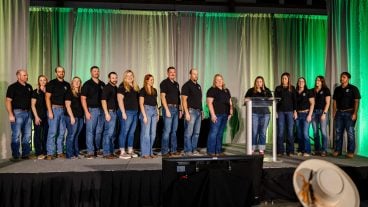
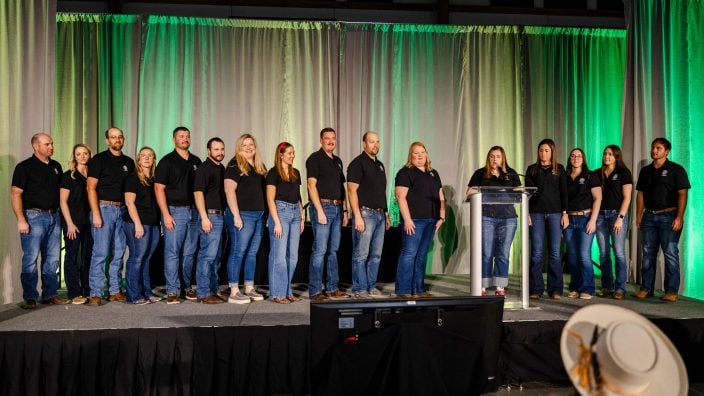
Members ages 18-34 who are interested in developing their leadership skills and enhancing programming for their peers should apply.
Read More

Senate Bill 328 is legislation designed to strengthen career-connected learning and better prepare students for Ohio’s workforce needs.
Read More
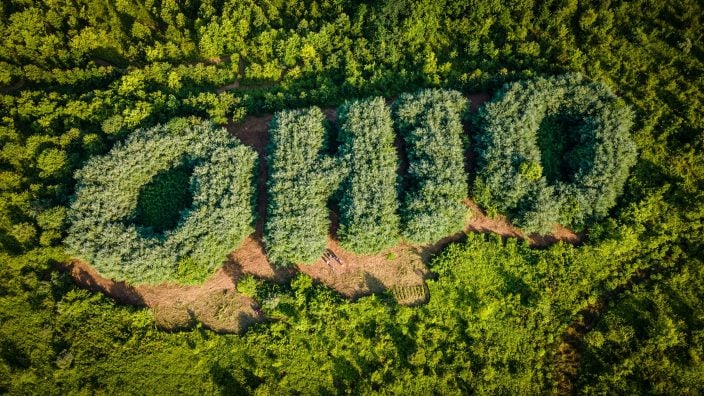
With the Family Forest Carbon Program, you can have a successful farm and get paid to grow healthy forests.
Read More
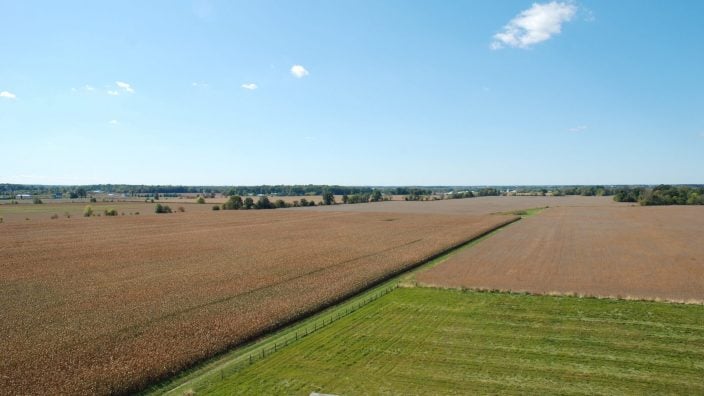
Ohio Farm Bureau recently sent a letter to Congress calling for the swift passage of the Farm, Food, and National Security Act of 2026 (HR 7567).
Read More
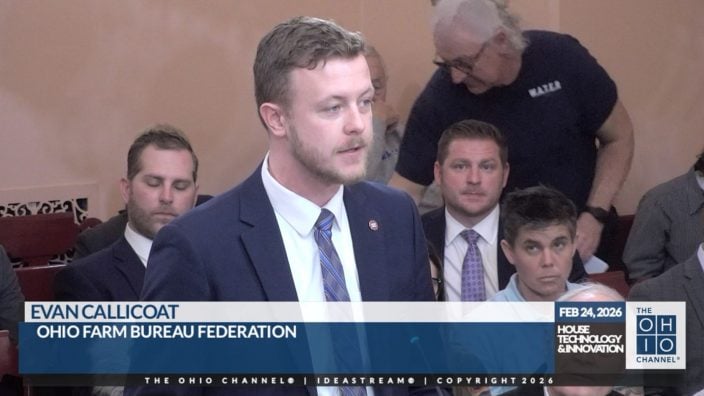
House Bill 646 would establish a Data Center Study Commission to examine the impact of rapid data center development across the state.
Read More
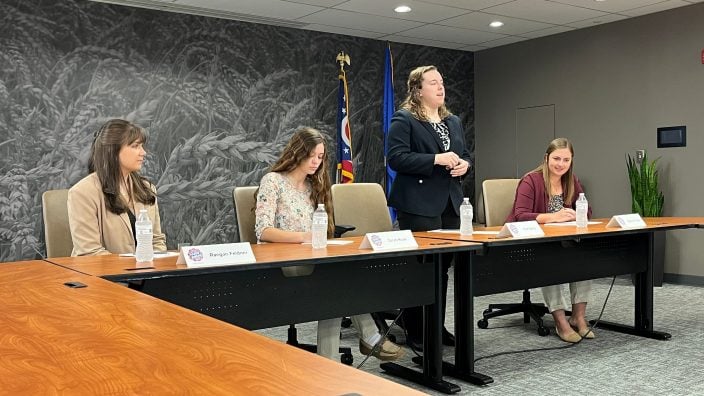
Collegiate Farm Bureau serves as a connection to current industry professionals and equips the next generation with the essential tools and resources needed to excel in their careers.
Read More
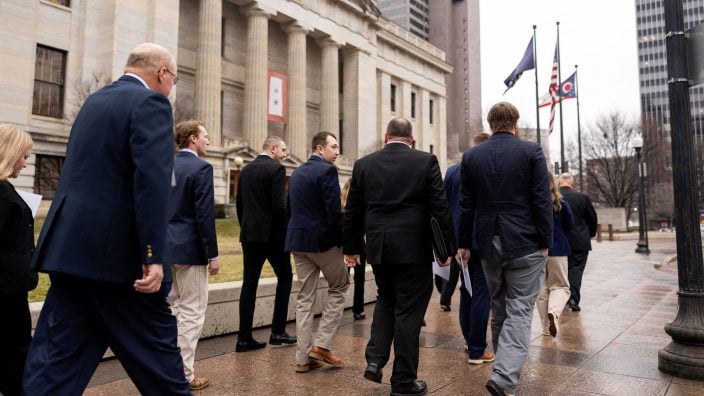
Ohio Farm Bureau members met one-on-one with state legislators and staff to discuss policy priorities impacting Ohio’s farms and rural communities.
Read More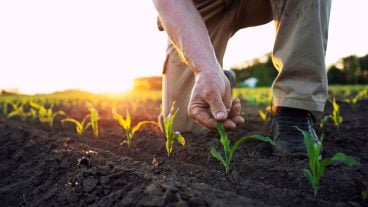

Legacy nutrient deductions enable new farmland owners to claim deductions on the nutrients within the soil on which healthy crops depend.
Read More
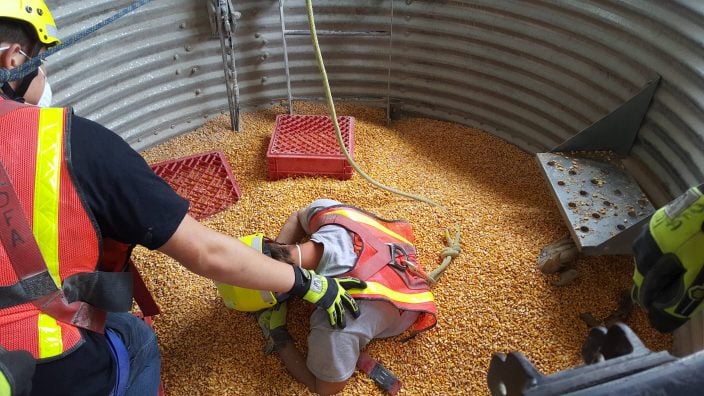
Farmers, agribusinesses and community members are encouraged to nominate their local fire departments for Nationwide’s Nominate Your Fire Department Contest through April 30.
Read More