


Applications for Ohio Farm Bureau Health Plans now available
Members have three ways to apply: contacting a certified agent, calling 833-468-4280 or visiting ohiofarmbureauhealthplans.org.
Read MoreFour northwestern Ohio high school students took first place in the 2017 Ohio Youth Capital Challenge finals for their policy proposal that would decrease the amount of paperwork for Ohio students who require an Individual Education Plan.
Sponsored by Ohio Farm Bureau, Ohio 4-H and Ohio FFA, the challenge brings together youths ages 14 to 18 from around the state to discuss community concerns and then work together to propose policies and programs to solve the issues.
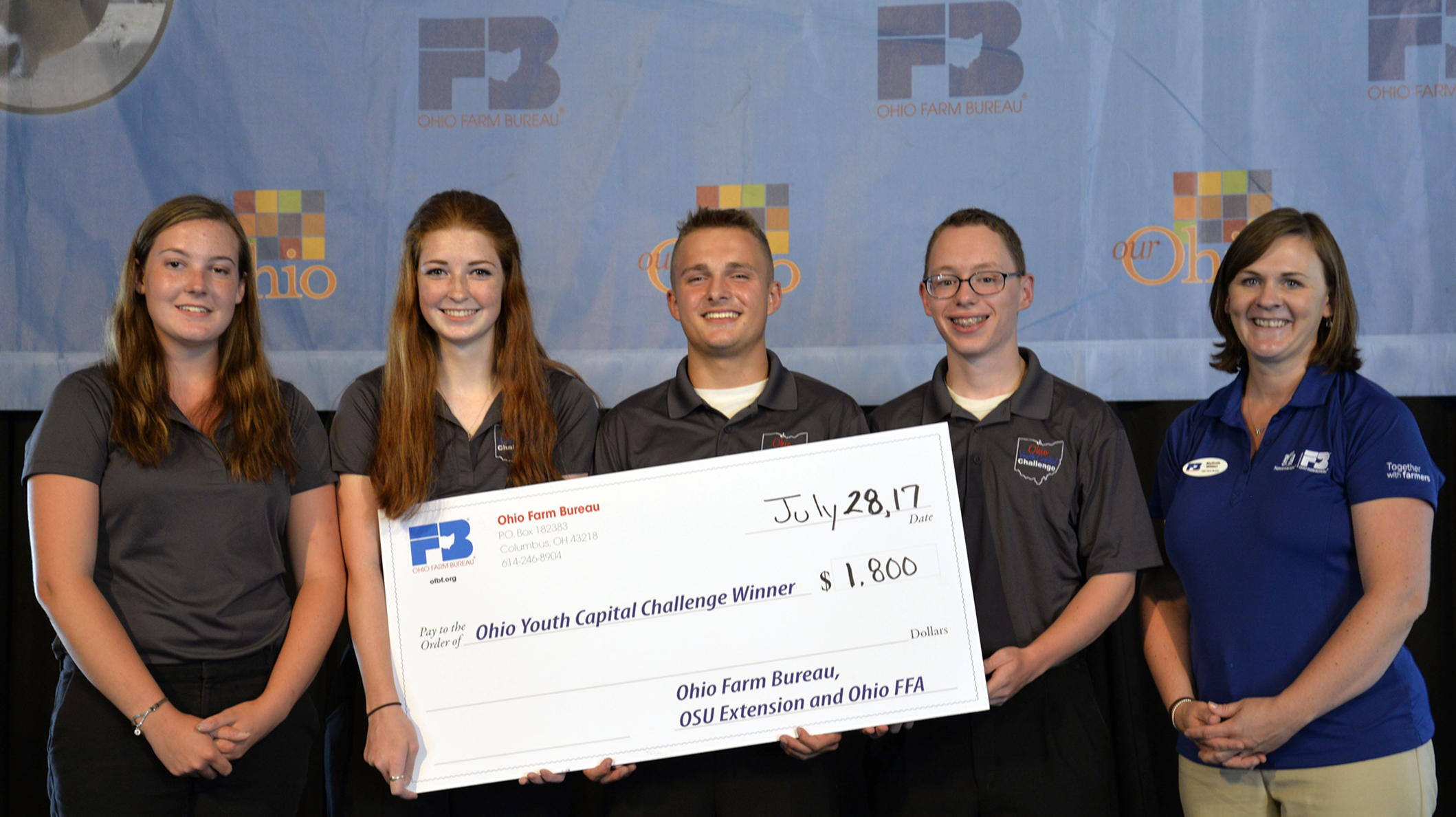
The 2017 winning team members are Kalie Anderson and Marleigh Kerr of Lucas County and Cory Johnson and McCormick Warncke of Fulton County, with mentor Hannah Farr of Paulding County. The team members will each receive $250 for finishing first in the competition.
The challenge started in the spring when groups met to learn about public policy issues and began planning their proposals. A preliminary contest narrowed the field down to four teams, which competed in the finals during the Ohio State Fair.
The teams were judged on their public policy proposals dealing with a specific issue or problem. In the final competition, the teams described the steps necessary to have their public policy proposal adopted by the appropriate government authorities.
Other finalists and their proposals:
Second: Noor Alshafie and Carson Fulks of Franklin County, Kayla Kramer and Ellen Riley of Delaware County and Cassady Neviska of Morrow/Knox County, with mentor Shaye Creamer of Hardin County placed for their proposed policy of a year-long high school diversity class. The team plans to pilot the program at six central Ohio high schools and is looking to gain support from the Ohio Department of Education.
Third: Jesseca Housel, Sharon Millard and Rachel Myers of Ashtabula County, with mentor Meghan Gallagher of Ashland County, placed for their proposal to promote state legislation that calls for local intervention teams to identify the root problem of school truancy in communities.
Fourth: Audrey Heitzman of Warren County placed for her proposal that the valuation period for the Current Agricultural Use Valuation (CAUV) program be shortened from three years to one year to better reflect current market trends.
A total of $1,800 was awarded to this year’s team finalists.
This is a news release for use by journalists. Questions should be directed to Joe Cornely, 614-246-8230.
Editors: A high resolution photo is available to accompany this story.
Caption: This year’s first place team of Kalie Anderson and Marleigh Kerr of Lucas County and Cory Johnson and McCormick Warncke of Fulton County are pictured with OFBF director of leadership programming, Melinda Witten.


Members have three ways to apply: contacting a certified agent, calling 833-468-4280 or visiting ohiofarmbureauhealthplans.org.
Read More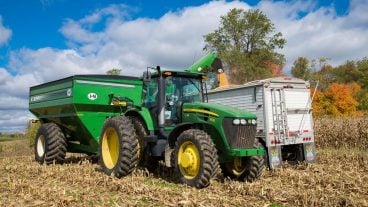

As fuel prices skyrocket across the state, lawmakers are preparing to return to the Statehouse to vote on the temporary suspension of Ohio’s gas tax.
Read More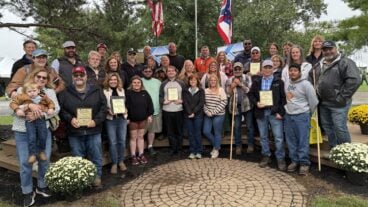
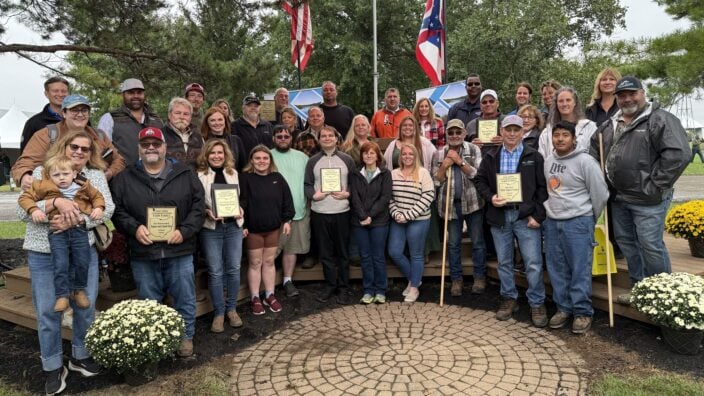
Since 1984, the Conservation Farm Family Awards program has recognized Ohio farm families for their exemplary efforts conserving soil, water, woodland, wildlife, and other natural resources.
Read More
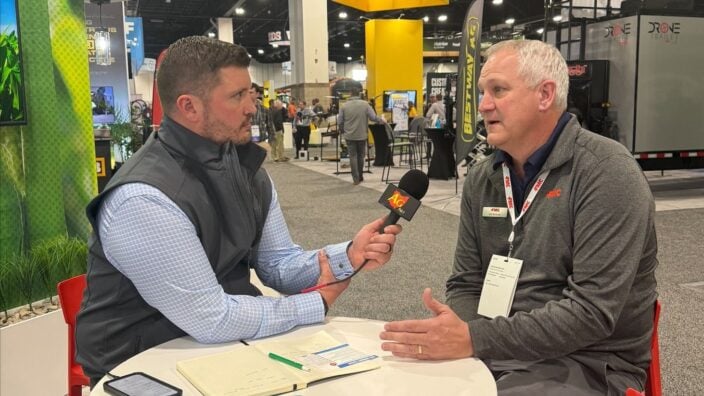
Meet Joe Everett, a Shelby County Farm Bureau Young Ag Professional who has dedicated his life to service, both in uniform and within his local community.
Read More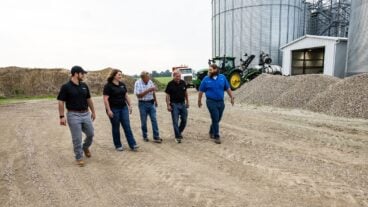
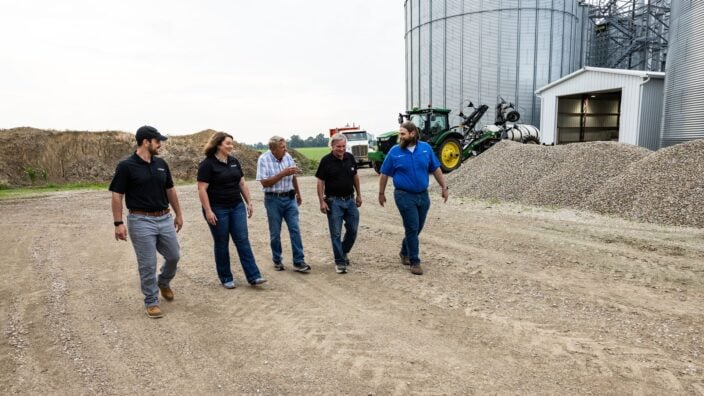
A year-end review provides an opportunity to evaluate your operation’s financial position, discuss future goals and develop strategies for the upcoming season.
Read More

Ohio Farm Bureau has created a new guide to help members better understand the laws, regulations and risk considerations that come with opening their farms to the public.
Read More
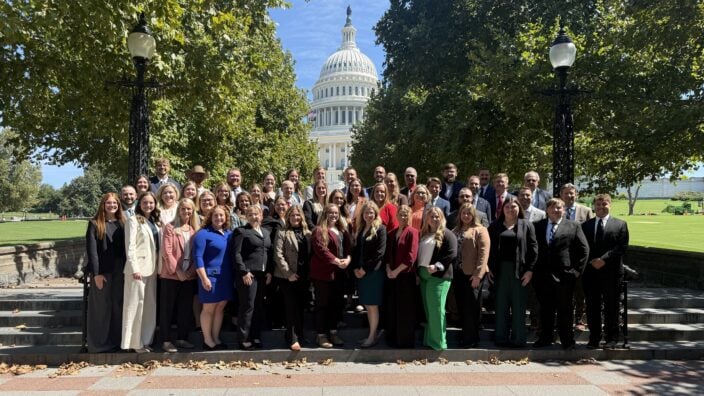
The groups received a firsthand look at agricultural policy, advocacy and leadership in the nation’s capital.
Read More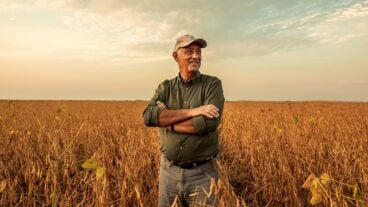
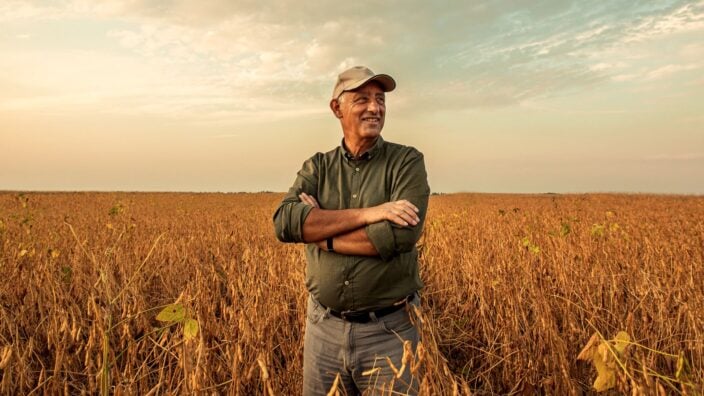
By prioritizing safety and health, you protect yourself and those around you, reduce downtime, and ensure your operation runs smoothly.
Read More
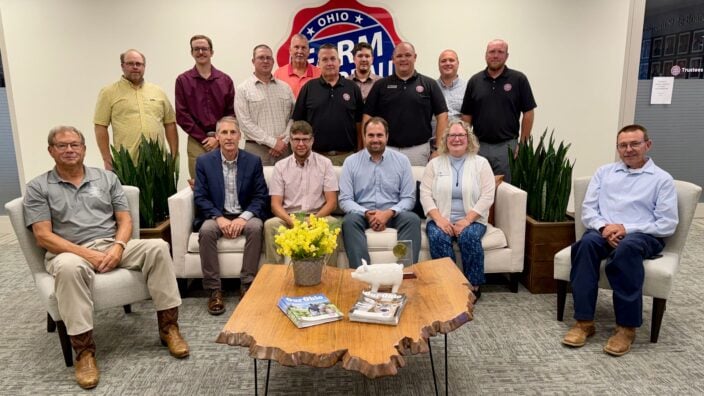
Twenty leaders have been named to the 2026 Ohio Farm Bureau Federation Policy Development Committee.
Read More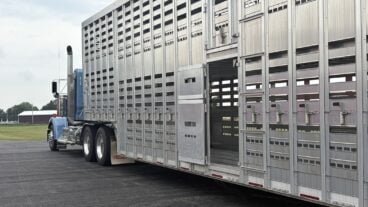
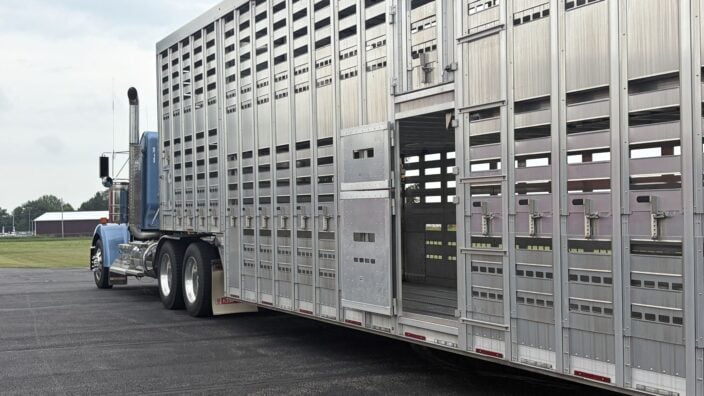
Two specialized, hands-on training sessions will address high-risk agricultural emergencies: manure pit rescues in confined spaces and roadside livestock transportation accidents.
Read More