


Applications for Ohio Farm Bureau Health Plans now available
Members have three ways to apply: contacting a certified agent, calling 833-468-4280 or visiting ohiofarmbureauhealthplans.org.
Read MoreWhen I visit with people who don’t farm and hear their questions about today’s agriculture, I find they have much in common with farmers.
Farmers eat most of the same kind of food that non-farmers eat – food that originated from farms like the one they may operate. They both want that food to be safe and healthy and want to know the food has been produced using accepted and approved farming practices. Knowing that farms use practices that improve the environment is important to both groups.
Consumers want to know how their food is produced and farmers know they need to be able to explain why they do things, like the way they feed their dairy cattle or house them in free stall barns, or why they use genetically modified seeds to grow many of their crops. Given a chance, farmers like to explain why they follow some practices that people think are not safe.
Sometimes farmers want to explain why they do what they do using scientific or researched-based facts. That is fine as long as those they are talking to understand and trust that research, but that is not always the case. All too often when they hear a negative comment or program about today’s farming practices, farmers can get defensive. They may need to slow down and think about who made the comment or put it on a media program and why. Is it someone with a real concern about our food and how it’s produced? Or is it someone with intent to scare people and make some money by publishing misleading information?
Then through their organizations or by their own contacts, farmers can inform consumers with their own story about why they do what they do. They need to be open and frank about telling their story of how they produce what we eat and do it in a way non-farmers will understand.
We sometimes hear that consumers want “transparency” in knowing how their food is produced. Farmers can best provide that transparency by telling their own story. The problem is they find it difficult to have access to the same media openings that those who may be negative toward today’s agriculture seem to have. How they farm may not be “spectacular” enough or be considered news worthy by the media, especially TV, or farmers’ stories may be reported by someone with no real idea about what a farm is like.
Locally, we are fortunate to have newspapers that are cooperative and will publish agricultural information. They provide a useful educational role in our community.
Facebook and other forms of social media are good opportunities for farmers to tell their story. It is not wise to get into an argument with someone on social media about food issues. Some people online are just looking for a chance to get more publicity.
Let’s remember that consumers and farmers share many of the same values. They both want an abundant and safe, healthy food supply. They want a comfortable home and an income that will provide for a good family living. Those who tend to be negative toward today’s agriculture need to consider these things.
Submitted by John Parker, a member of the Ashtabula County Farm Bureau and an independent writer for Farm Bureau.


Members have three ways to apply: contacting a certified agent, calling 833-468-4280 or visiting ohiofarmbureauhealthplans.org.
Read More
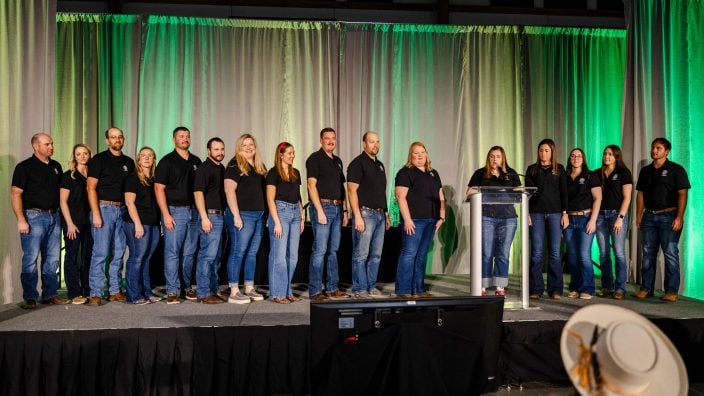
Members ages 18-34 who are interested in developing their leadership skills and enhancing programming for their peers should apply.
Read More
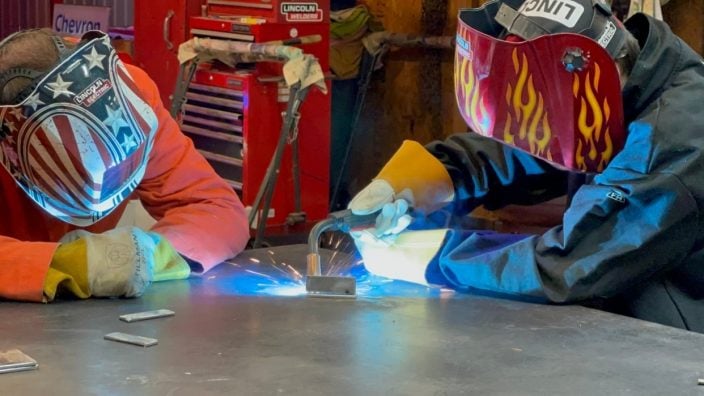
Senate Bill 328 is legislation designed to strengthen career-connected learning and better prepare students for Ohio’s workforce needs.
Read More
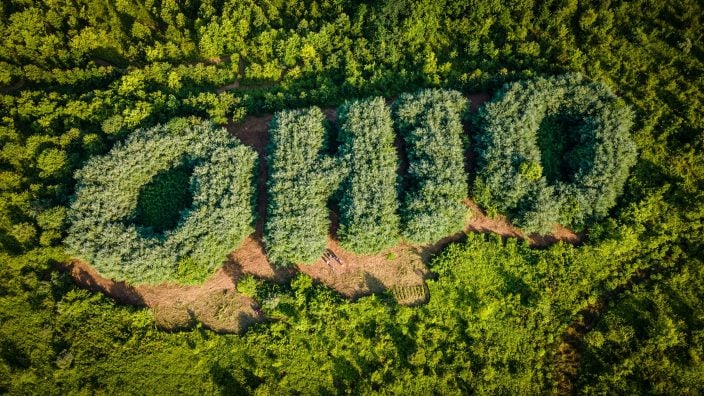
With the Family Forest Carbon Program, you can have a successful farm and get paid to grow healthy forests.
Read More
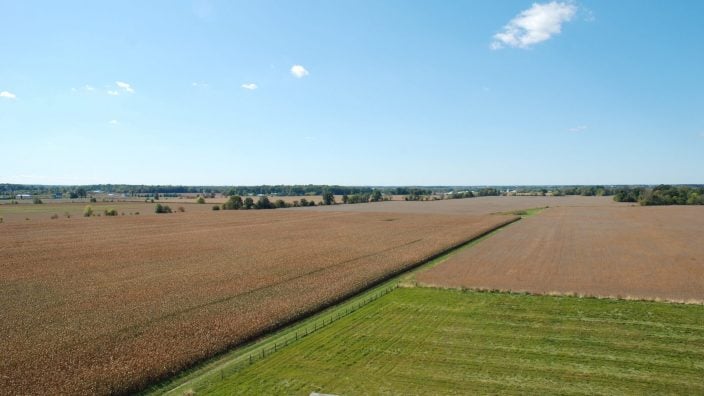
Ohio Farm Bureau recently sent a letter to Congress calling for the swift passage of the Farm, Food, and National Security Act of 2026 (HR 7567).
Read More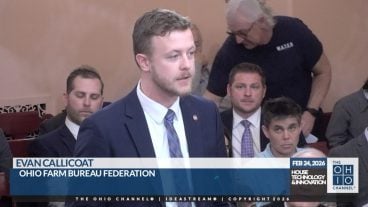
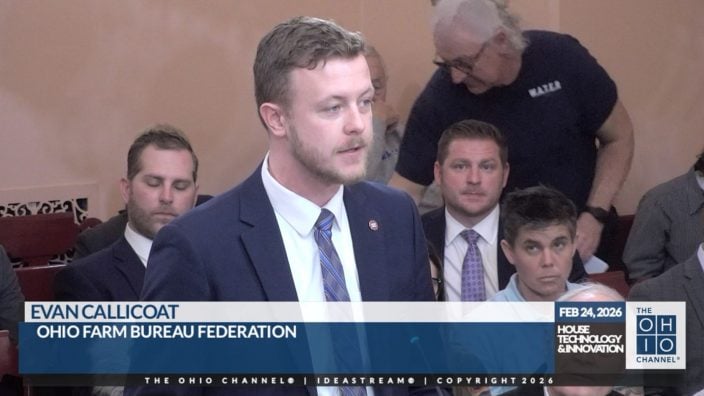
House Bill 646 would establish a Data Center Study Commission to examine the impact of rapid data center development across the state.
Read More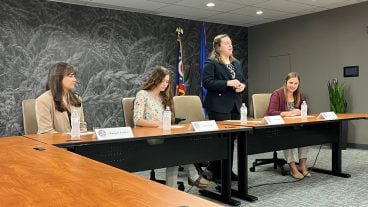
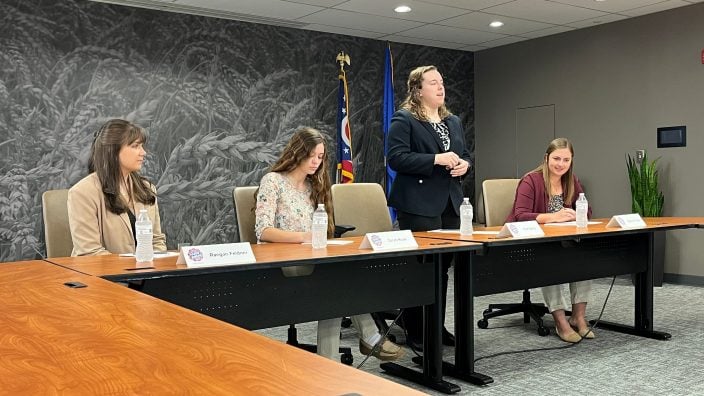
Collegiate Farm Bureau serves as a connection to current industry professionals and equips the next generation with the essential tools and resources needed to excel in their careers.
Read More
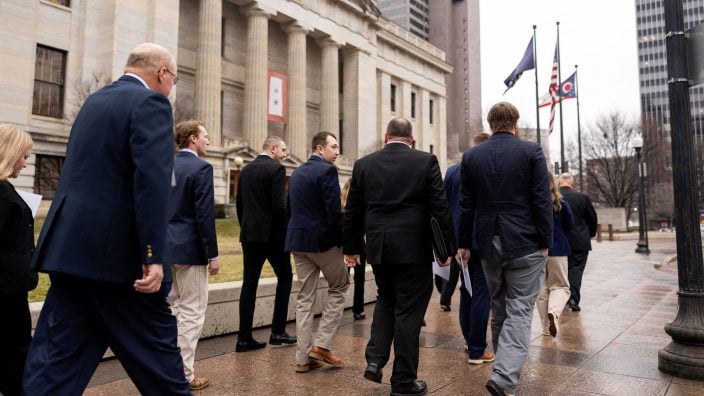
Ohio Farm Bureau members met one-on-one with state legislators and staff to discuss policy priorities impacting Ohio’s farms and rural communities.
Read More
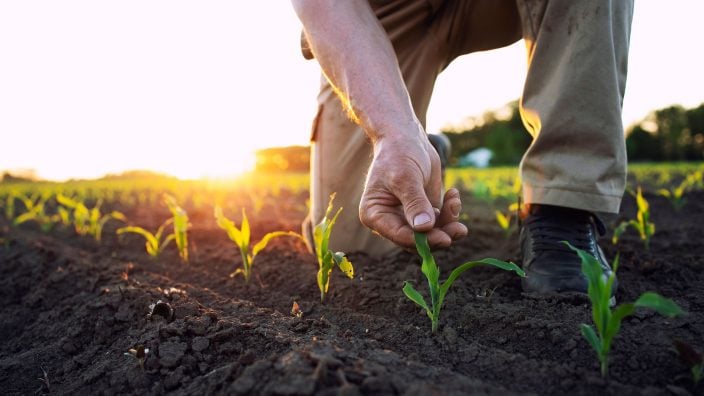
Legacy nutrient deductions enable new farmland owners to claim deductions on the nutrients within the soil on which healthy crops depend.
Read More
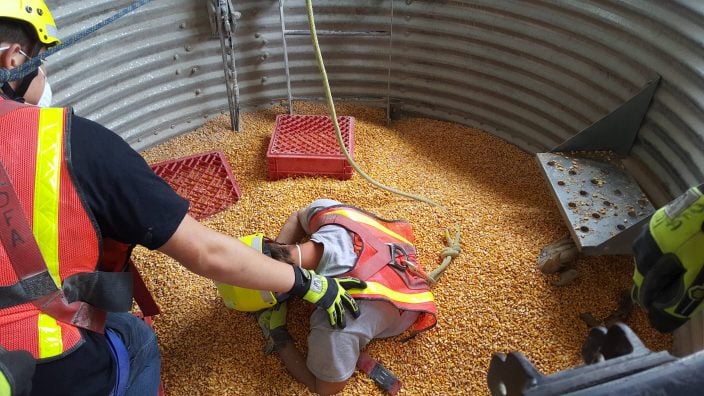
Farmers, agribusinesses and community members are encouraged to nominate their local fire departments for Nationwide’s Nominate Your Fire Department Contest through April 30.
Read More