







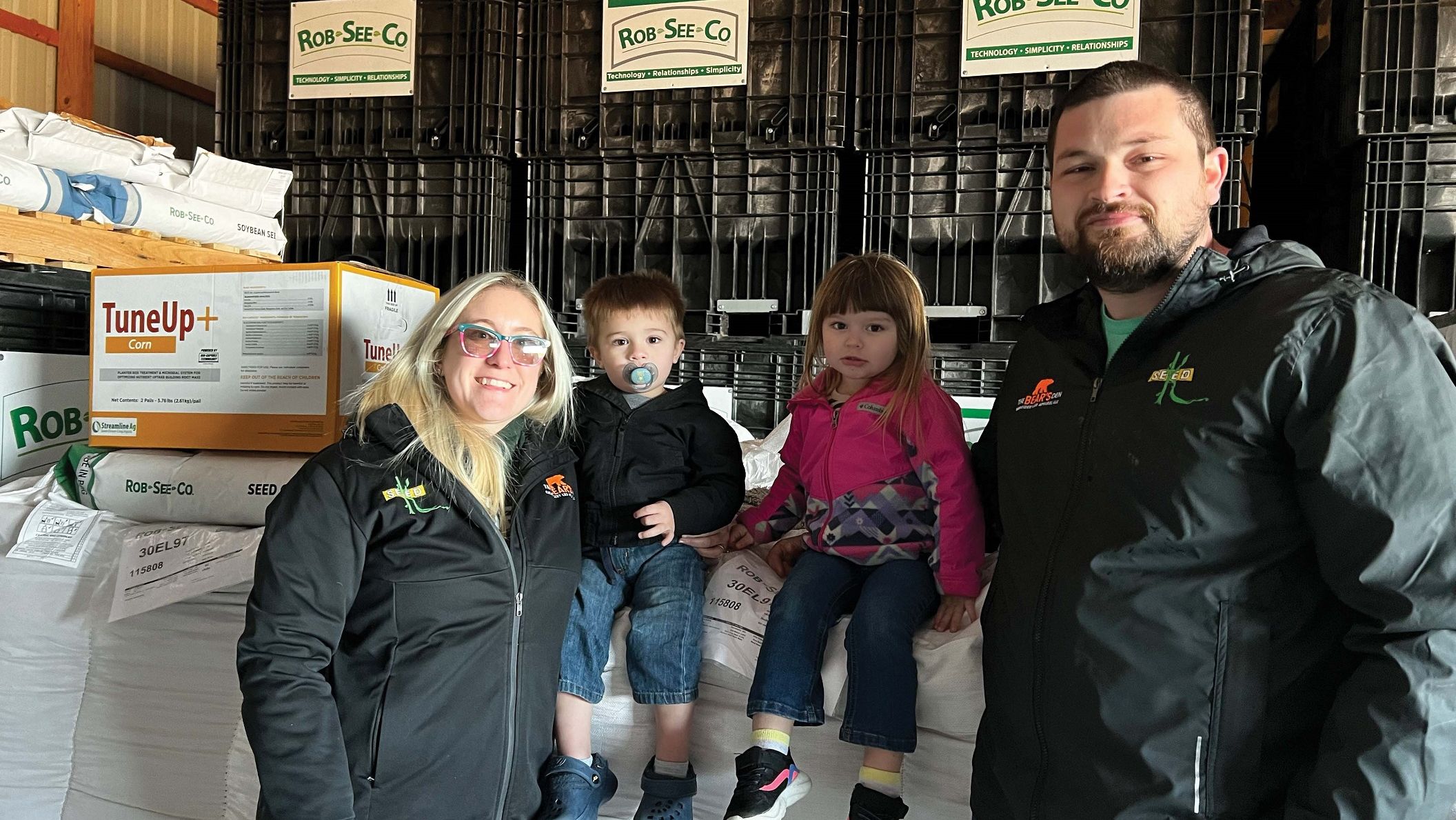



Applications for Ohio Farm Bureau Health Plans now available
Members have three ways to apply: contacting a certified agent, calling 833-468-4280 or visiting ohiofarmbureauhealthplans.org.
Read MoreIt’s time to start ordering seeds for this year’s vegetable or herb garden.
If you are a regular gardener, you know the thrill of planing seeds, watching them grow and enjoying the harvest when you finally get to eat those garden-fresh vegetables. You probably also notice how much cheaper it is to grow your own produce compared with the cost of purchasing these same items at the store.
If you don’t usually garden, and especially in light of any resolution you might have to eat healthier or to be more active, 2018 may be the year to give gardening a try. Packets of vegetable seeds can be purchased at any garden center, box store, hardware supply or through a variety of online outlets for $2 or less.
Using green beans as an example, you can purchase about 150 to 175 seeds per packet, which, when planted in a 20-foot row, will yield about 10 to 12 pounds of green beans. Assuming that you use a standard fertilizer rate (or compost), you can expect to pay about 20 cents per pound for green beans that you grow at home. Of course, this is assuming that you count your labor as free, but it is still significantly cheaper than paying $1.49 per pound at the grocery store. You also get the convenience of having a steady supply of fresh green beans in your backyard, and the exercise.
As with the example that I shared above, growing any vegetables yourself will reduce your grocery bill. Lettuce is one of the cheapest and easiest vegetables to grow at home and one packet of seeds will likely provide enough salad for two or three families. I just priced a bag of lettuce at $2.99 per bag over the weekend; you could easily grow 20 bags in a growing season from one seed packet.
While I’m not a fan of zucchini, my wife loves it, and one zucchini plant is enough to provide fresh zucchini all summer long for our family of four, along with a few extras that we pass along to neighbors. We didn’t use all of the zucchini seeds from the one packet we purchased last year, so we stored the remaining seeds in a dry, cool location and we will use them this spring – even more savings by using a single packet of seeds over two years.
While not everyone has the time or equipment to can produce, there are many easy methods for storage. The easiest and cheapest way to preserve your vegetables with all their nutrients is to simply freeze them. All you need is some boiling water and several zip-close freezer bags. You can find vegetable-specific instructions for freezing from the University of Georgia Cooperative Extension.
If you want to start a garden but live in an apartment or have a small backyard, don’t give up because many vegetables, fruits and especially herbs can be grown successfully in containers. This method does require more cost up front to purchase containers and soil but will still allow cheaper production of veggies in a small space.
If you are working with limited space, consider focusing on produce items that are expensive to purchase, such as fruit varieties developed for containers, or herbs. Raspberries, strawberries and blueberries are all excellent candidates for container gardens. Just about all herbs will do well in containers and will even fit in small pots on a countertop.
Community gardens are another great way to get involved with gardening. If you are new to gardening, getting a community garden started or have questions about improving your current garden, give us a call at OSU Extension, and myself or a Master Gardener would be happy to help.
Our annual Northeast Ohio Agronomy School is scheduled 9 a.m. to 3:30 p.m. Feb. 21 at the Williamsfield Community Center. We have a great lineup of speakers covering a variety of topics, and pesticides/fertilizer credits as well as CCA credits will be offered. Cost is $15 per person. To register, call 440.576.9008.
For information about gardening, the Master Gardener program or any other program, call the OSU Trumbull County Extension office at 330.638.6783 or visit our website.
Submitted by Lee Beers, OSU Trumbull County Extension Educator. He can be reached at [email protected] or by calling 330.638.6783.




Members have three ways to apply: contacting a certified agent, calling 833-468-4280 or visiting ohiofarmbureauhealthplans.org.
Read More
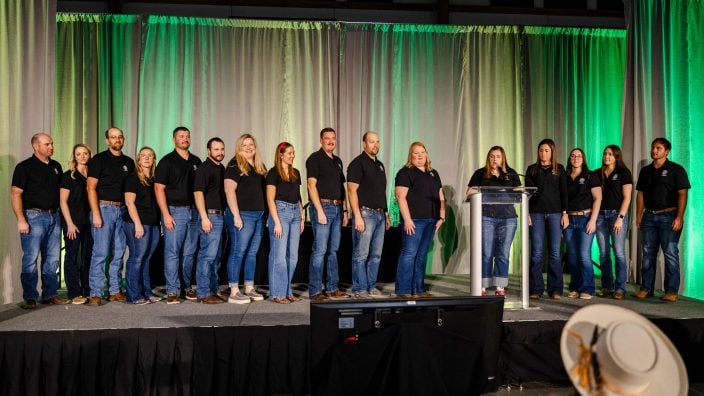
Members ages 18-34 who are interested in developing their leadership skills and enhancing programming for their peers should apply.
Read More

Senate Bill 328 is legislation designed to strengthen career-connected learning and better prepare students for Ohio’s workforce needs.
Read More

With the Family Forest Carbon Program, you can have a successful farm and get paid to grow healthy forests.
Read More

Ohio Farm Bureau recently sent a letter to Congress calling for the swift passage of the Farm, Food, and National Security Act of 2026 (HR 7567).
Read More
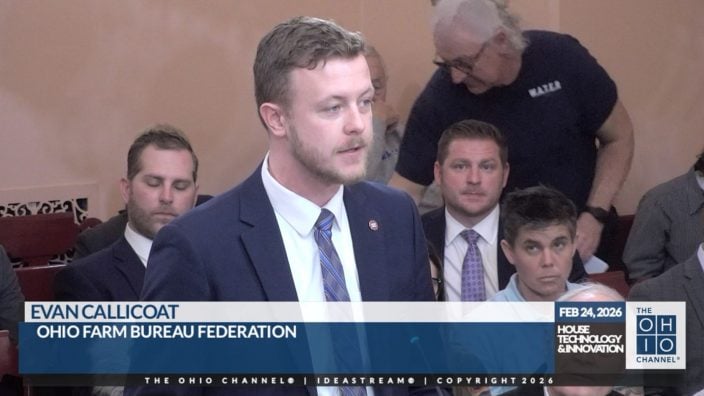
House Bill 646 would establish a Data Center Study Commission to examine the impact of rapid data center development across the state.
Read More
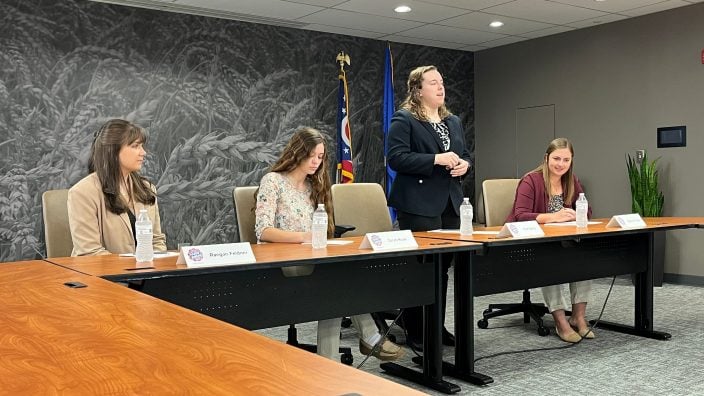
Collegiate Farm Bureau serves as a connection to current industry professionals and equips the next generation with the essential tools and resources needed to excel in their careers.
Read More

Ohio Farm Bureau members met one-on-one with state legislators and staff to discuss policy priorities impacting Ohio’s farms and rural communities.
Read More

Legacy nutrient deductions enable new farmland owners to claim deductions on the nutrients within the soil on which healthy crops depend.
Read More

Farmers, agribusinesses and community members are encouraged to nominate their local fire departments for Nationwide’s Nominate Your Fire Department Contest through April 30.
Read More