


Applications for Ohio Farm Bureau Health Plans now available
Members have three ways to apply: contacting a certified agent, calling 833-468-4280 or visiting ohiofarmbureauhealthplans.org.
Read MoreWhat is it that consumers want in their food supply, specifically, in their dairy products? Safe, available and affordable might be enough for a lot of consumers. But others and special interest groups have very specific expectations of how dairy cattle should be raised and milk produced.
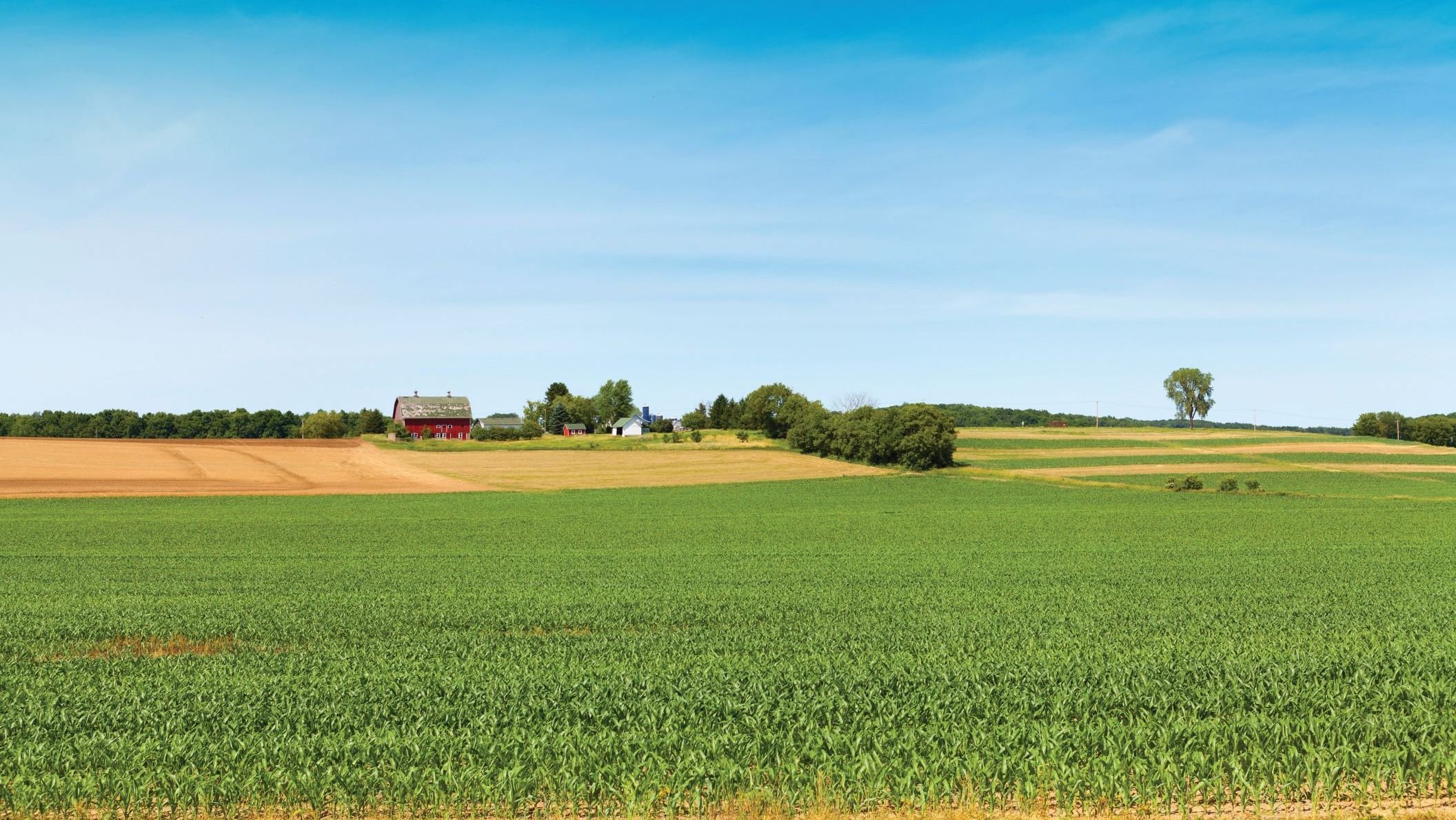
The message I perceive from consumers is that they want to see small family farms. They’d have 50 to 100 cows that would be free to roam in green pastures while their calves frolic all around them. Sounds really pretty, but it isn’t reality. Why isn’t it? That’s how I want it to be and the consumer is always right, right?
I hope over the years that I have been writing this column, you have gotten the gist that being a dairy farmer (who stays in business) is very complex. That as a farm commodity, milk is very unique. It is highly perishable, produced on a daily basis, and moved from the farm to market every other day, if not every day. The volume of milk produced varies seasonally and daily for biological reasons. This variation is not coordinated with the changes in demand, which also vary from day to day and from season to season.
All the being said, dairy products have very inelastic demand. If the dairy industry slightly over produces, the market-determined price drops disproportionately and quickly. The only storable form of milk is after is has been processed into products like cheese and butter. It can provide a bit of wiggle room, but storage cost is high because of refrigeration.
Much of the recent discussion in the news about milk is about the new fluid milk processing plant built by Wal-Mart in Fort Wayne, Ind. As this new plant reaches capacity to supply its own stores with milk, the supply contracts with Dean Foods are not being renewed. Chain reaction is that Dean Foods cancels contracts it has with select dairy producers. You don’t have to go far from Trumbull County to find these producers. Dean Foods did not do anything illegal. In industry terms, each dairy producer that sells directly to a processor is an independent producer. They take inherit risk and negotiate a contract directly with the company. A cancellation clause is standard and is usually a 30- to 90-day notice.
The alternative to being an independent is to sell your milk through a cooperative, which is a business owned, operated, and controlled by the dairy farmers who benefit from its services. In this case, the producer takes on the inherit cost of being a member/owner, but also gains more stability by assurance of a market for their milk.
So, why don’t the producers that got dropped by Dean Foods just get a contract with Wal-Mart? It has been made well known in the dairy industry circles that Wal-Mart wants to deal with as few producers as it can. So that will mean few, very large farms. These farms are efficient, intensive and humane operations that can supply large volumes of milk every day. The pressure is always on in this industry. Some feel it is a get-big-or-get-out scenario. I support the families that have chosen to enlarge their farms, but I want the small farms to survive, too! We have family and friends that fit that category. Through sacrifice and diligence, they are surviving the current extended period of low milk prices.
Farmers are the eternal optimists – somehow they always seem to put the seed in the ground another spring and get the cows milked every day.
Submitted by Mary Smallsreed, a Trumbull County Farm Bureau member, who grew up on a family dairy farm in northeast Ohio.


Members have three ways to apply: contacting a certified agent, calling 833-468-4280 or visiting ohiofarmbureauhealthplans.org.
Read More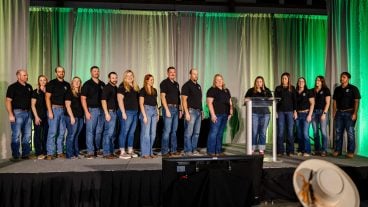
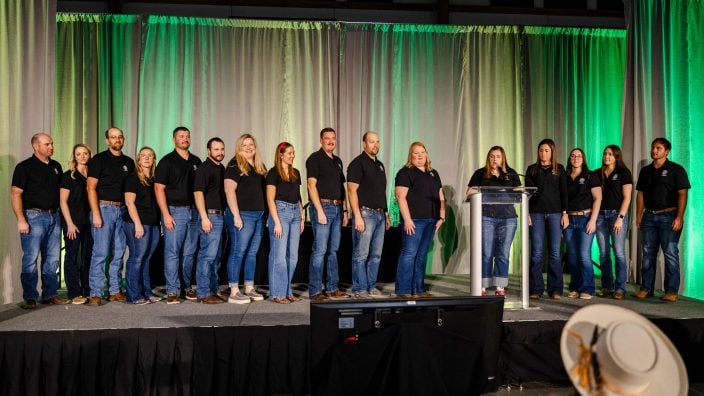
Members ages 18-34 who are interested in developing their leadership skills and enhancing programming for their peers should apply.
Read More

Senate Bill 328 is legislation designed to strengthen career-connected learning and better prepare students for Ohio’s workforce needs.
Read More

With the Family Forest Carbon Program, you can have a successful farm and get paid to grow healthy forests.
Read More
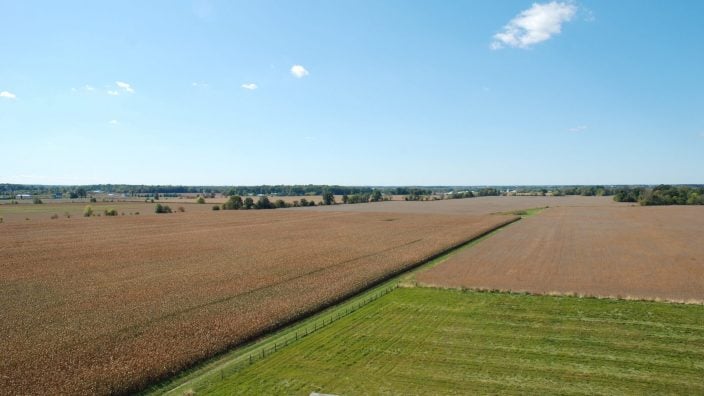
Ohio Farm Bureau recently sent a letter to Congress calling for the swift passage of the Farm, Food, and National Security Act of 2026 (HR 7567).
Read More
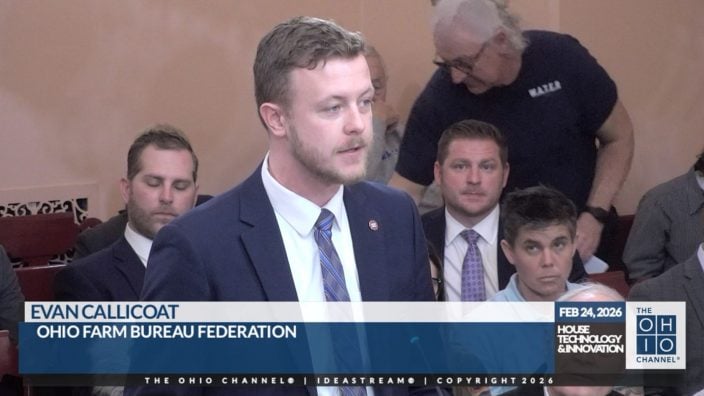
House Bill 646 would establish a Data Center Study Commission to examine the impact of rapid data center development across the state.
Read More
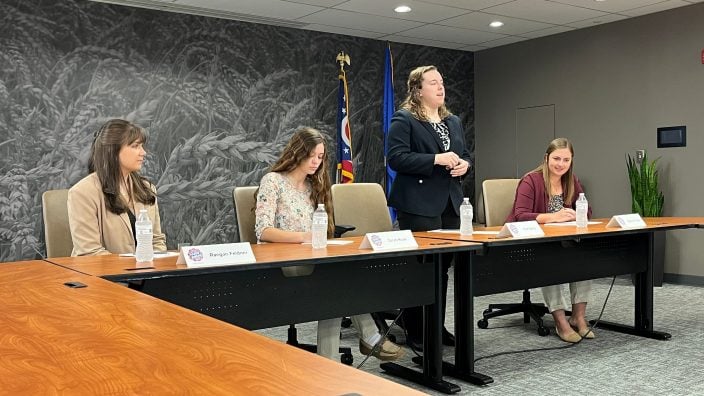
Collegiate Farm Bureau serves as a connection to current industry professionals and equips the next generation with the essential tools and resources needed to excel in their careers.
Read More

Ohio Farm Bureau members met one-on-one with state legislators and staff to discuss policy priorities impacting Ohio’s farms and rural communities.
Read More

Legacy nutrient deductions enable new farmland owners to claim deductions on the nutrients within the soil on which healthy crops depend.
Read More
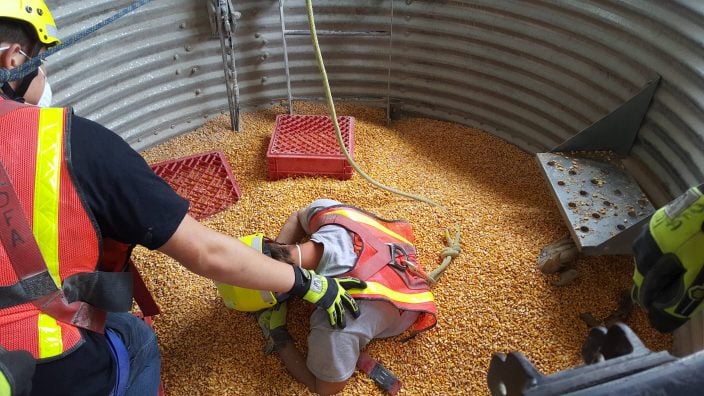
Farmers, agribusinesses and community members are encouraged to nominate their local fire departments for Nationwide’s Nominate Your Fire Department Contest through April 30.
Read More