


Applications for Ohio Farm Bureau Health Plans now available
Members have three ways to apply: contacting a certified agent, calling 833-468-4280 or visiting ohiofarmbureauhealthplans.org.
Read MoreSeems like these days someone is always watching us or tracking what we buy or eat. When we walk into a bank or go through the drive through or fill up with gas, a camera is always running.
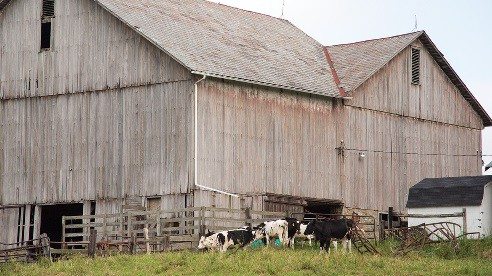
While we think this may not apply to farmers, we should assume that someone may be out there with a camera taking pictures of what we do. In this day of several animal activist groups, there are a bunch of people out there that don’t like what you do and they set out to prove you abuse your animals or produce unsafe food. Who are some of these groups? According to the January 2016 issue of Successful Farming magazine, the best known one is PETA, or People for the Ethical Treatment of Animals. They have resorted to many radical practices that get more publicity. Another well-known group is the Humane Society of the United States or HSUS. They use a lot of slick advertising to get attention and raise funds. Other groups, according to Successful Farming, include Mercy for Animals, The Humane League, Compassion Over Killing and Animal Equality. They are all well-funded and want to tell farmers how to farm.
Over the years these groups have given their attention to different kinds of agricultural practices. A few years ago veal calves were their focus. They didn’t want veal calves raised in individual pens but in small group housing. Confinement sow gestation crates that saved the lives of thousands of baby pigs followed and then caged laying hens, both accepted practices.
Chances have been made in cage laying barns to provide greater space for hens to move around. However, free range laying facilities are promoted by these groups. Free range barns have advantages and disadvantages. They do allow for free movement of the flock to move, eat and drink. At the same time there is more cannibalism in free range facilities and the chickens eat whatever they want including their own feces, bugs and worms. Cage facilities provide controlled feeding with quality eggs.
Farmers may not be able to open their facilities to tourists, but they can open their operation to a third party audit that verifies their farming practices meet or exceed industry standards. American Humane is on organization that does third party audits. Once certified by an audit, farmers can tell consumers that they do things right an in a humane way. Certification says that animals have adequate air, water, feed and plenty of space to avoid injuries along with effective health care and careful handling.
Other groups that limit or avoid animal products include those who tend toward veganism or strict vegans. Some people follow these life styles for health reasons while others just want to avoid animal products.
Historically, when this country was settled, it was meat that provided the livelihood for new settlers, along with the gardens where they raised vegetables. Meat was the foundation for many meals.
Practices promoted by animal activist groups have increased the cost of food for many people. Families on limited budgets are hurt by their demands. So we need to be careful about what we do.
While what these activist groups want may sound good, they are often unneeded and usually increase the cost of food and are inefficient in their production practices. If we had a food shortage in this country, we would find their practices unacceptable.
Submitted by John Parker, an independent agricultural writer for the Ashtabula County Farm Bureau.


Members have three ways to apply: contacting a certified agent, calling 833-468-4280 or visiting ohiofarmbureauhealthplans.org.
Read More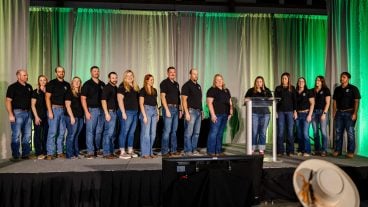
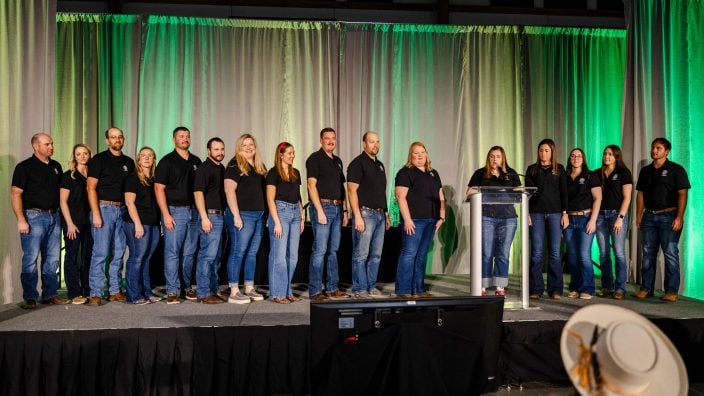
Members ages 18-34 who are interested in developing their leadership skills and enhancing programming for their peers should apply.
Read More

Senate Bill 328 is legislation designed to strengthen career-connected learning and better prepare students for Ohio’s workforce needs.
Read More

With the Family Forest Carbon Program, you can have a successful farm and get paid to grow healthy forests.
Read More
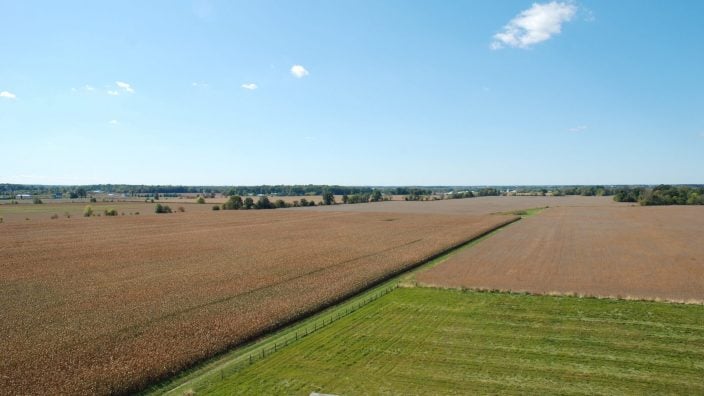
Ohio Farm Bureau recently sent a letter to Congress calling for the swift passage of the Farm, Food, and National Security Act of 2026 (HR 7567).
Read More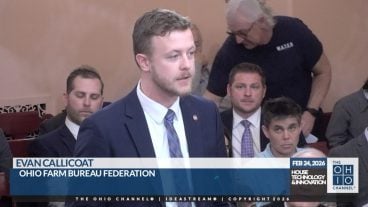
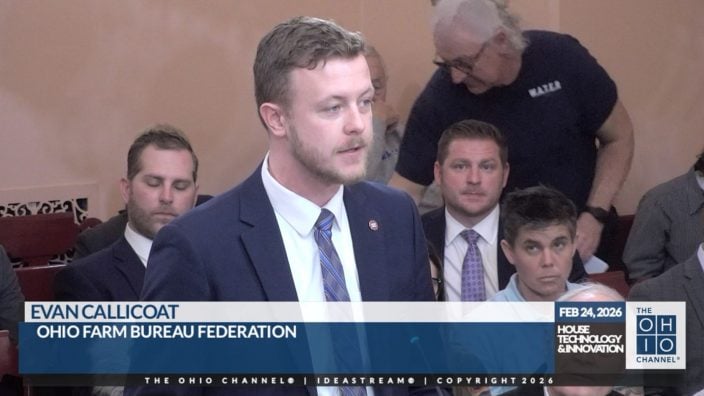
House Bill 646 would establish a Data Center Study Commission to examine the impact of rapid data center development across the state.
Read More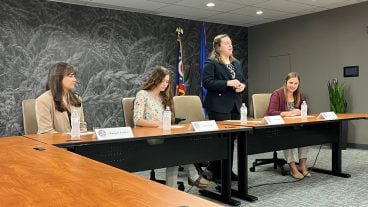
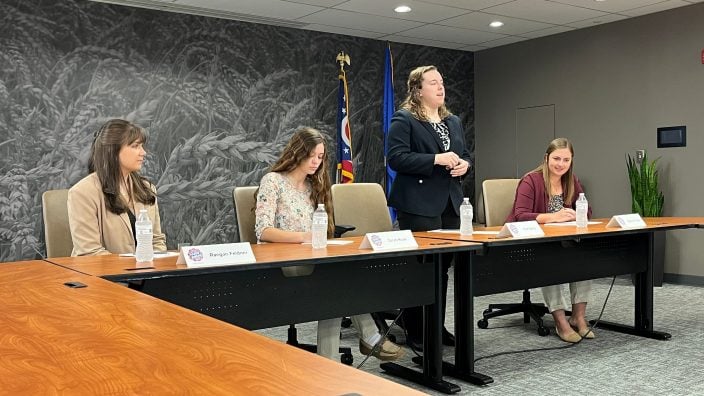
Collegiate Farm Bureau serves as a connection to current industry professionals and equips the next generation with the essential tools and resources needed to excel in their careers.
Read More

Ohio Farm Bureau members met one-on-one with state legislators and staff to discuss policy priorities impacting Ohio’s farms and rural communities.
Read More

Legacy nutrient deductions enable new farmland owners to claim deductions on the nutrients within the soil on which healthy crops depend.
Read More
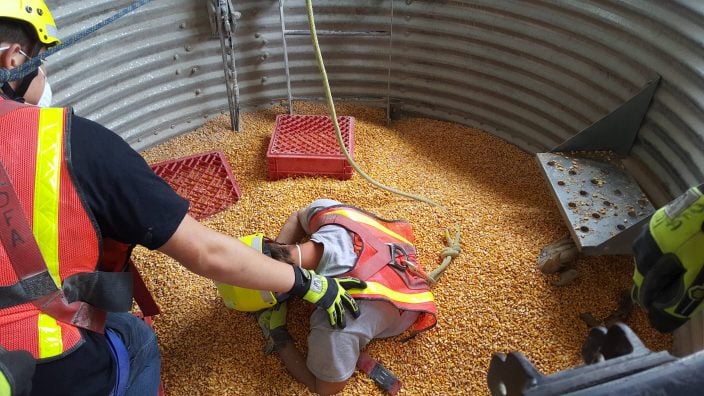
Farmers, agribusinesses and community members are encouraged to nominate their local fire departments for Nationwide’s Nominate Your Fire Department Contest through April 30.
Read More