


Applications for Ohio Farm Bureau Health Plans now available
Members have three ways to apply: contacting a certified agent, calling 833-468-4280 or visiting ohiofarmbureauhealthplans.org.
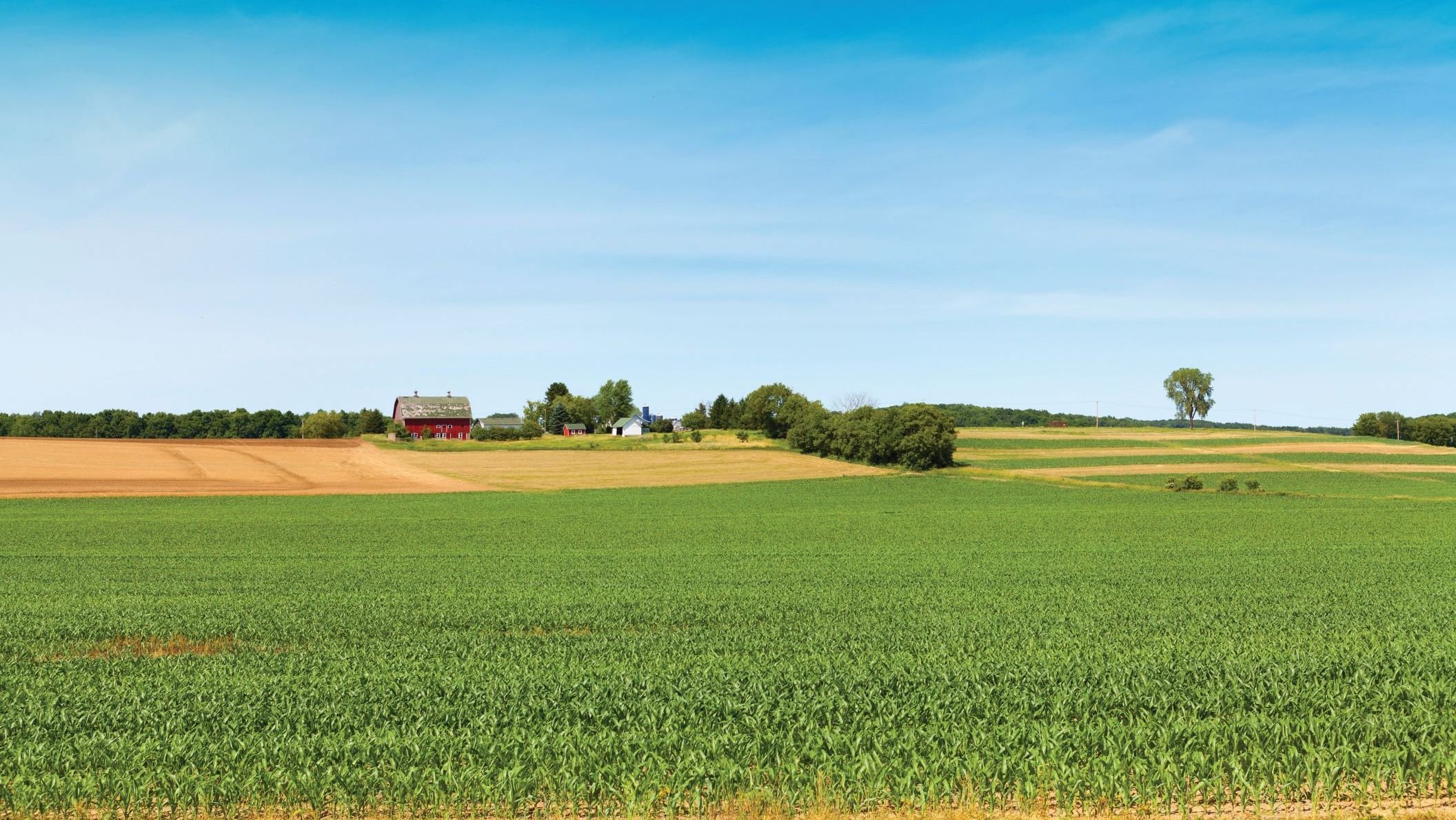
Read MoreWe have a real contrast in farm equipment used on farms in our area. On most of our larger grain farms, we find some of the newest and largest farm equipment available to get field work done.
This can include big four wheel drive tractors, some with dual wheels and others with huge flotation tires. There are also tractors with tracks, one or two on a side. These tractors do better on some of our wetter soils and provide more traction. Being pulled by these tractors can be tillage equipment that gets the soil ready for planting in just one trip across the field. These are big pieces of equipment that need a lot of power and traction to pull them across the field.
Instead of plowing fields, many farmers use no-till or minimum till to plant crops. Equipment to do this can be a simple drag that stirs up the seed bed and makes it ready for a special no till planter or for tillage just in the rows. Plowing is considered wasteful unless there is a need to break up the soil more for the seed bed. Once the seed bed is ready, then the planters are brought into the field. This might be an eight row planter or a sixteen row all the way up to 24 or 36 row machines. They need lots of power to pull them but will plant a lot of corn in one day. Planters can be very sophisticated and will apply fertilizer exactly as need and put the seed in the ground at exactly the right depth. They also supply herbicides exactly as needed.
Contrast this large, modern equipment to the old-fashioned horse drawn equipment still being used on many Amish farms in this area. One of the traditions that Amish like to follow is resist change, to keep things as they used to be. So their farm equipment is much like what has been used for the last 50 to 75 years. Horses are the main source of power, except for tractors needed for belt power to thresh or fill silo.
Tillage is done using two or three horses depending on the job to be done. Some Amish still plow their fields while other may use some form of no-till cultivation. Plows can be one furrow walk behind or sulky plows where the operator rides on the plow. Tillage might include a basic disc and drag, both pulled separately requiring two trips across the field to get the seed bed ready. The soil type will determine the number of trips needed to get a seed bed ready.
Planters are usually two row with boxes for seed and fertilizer on them. They are basic planters with few of the more modern equipment on them. An occasional four-row planter might be used.
When you compare the modern tractor drawn equipment to the horse drawn, you can see that a lot more acres of corn can be planted in a day with the modern equipment. There is one advantage to the smaller, old-fashioned equipment: it costs just a fraction of what the larger farms have invested in their equipment. When money is scarce there, that is quite an advantage.
We do have an interesting contrast in our area.
Submitted by John Parker, an Ashtabula County Farm Bureau member, who is an independent writer for Farm Bureau.


Members have three ways to apply: contacting a certified agent, calling 833-468-4280 or visiting ohiofarmbureauhealthplans.org.
Read More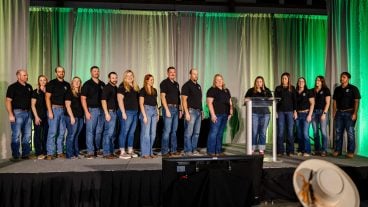
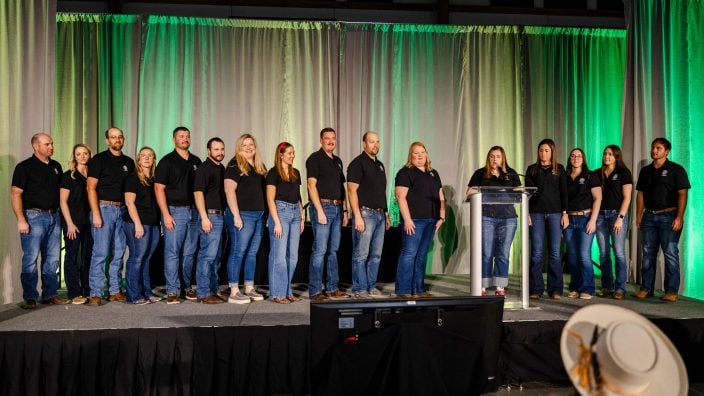
Members ages 18-34 who are interested in developing their leadership skills and enhancing programming for their peers should apply.
Read More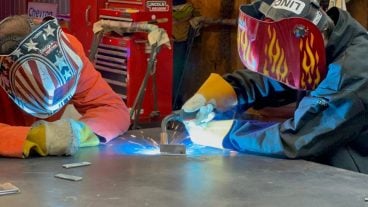
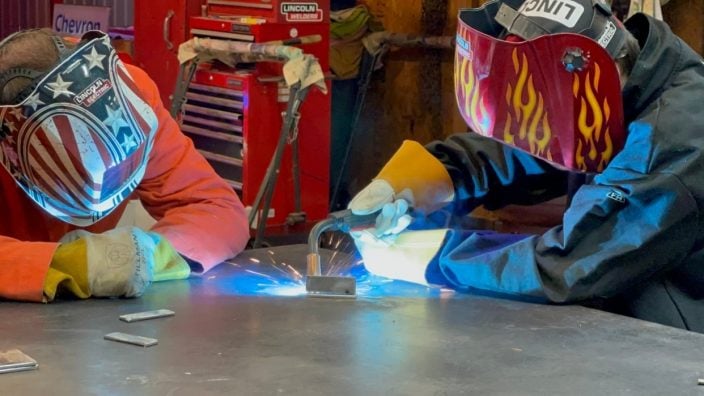
Senate Bill 328 is legislation designed to strengthen career-connected learning and better prepare students for Ohio’s workforce needs.
Read More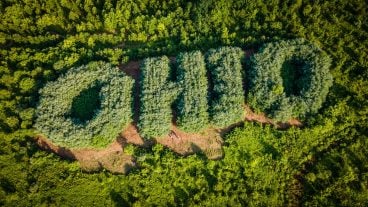
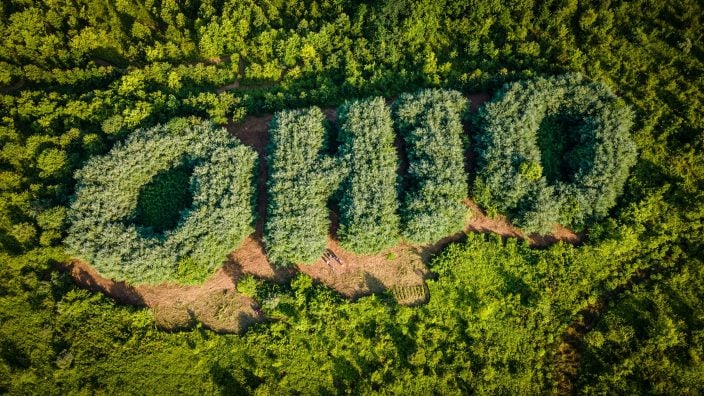
With the Family Forest Carbon Program, you can have a successful farm and get paid to grow healthy forests.
Read More
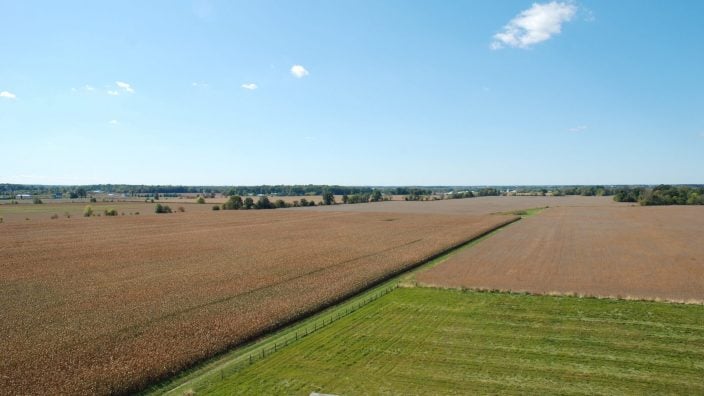
Ohio Farm Bureau recently sent a letter to Congress calling for the swift passage of the Farm, Food, and National Security Act of 2026 (HR 7567).
Read More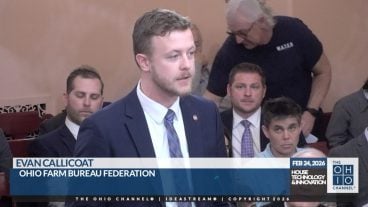
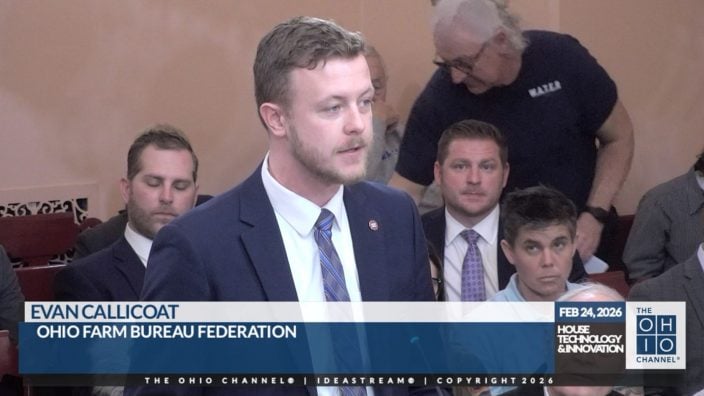
House Bill 646 would establish a Data Center Study Commission to examine the impact of rapid data center development across the state.
Read More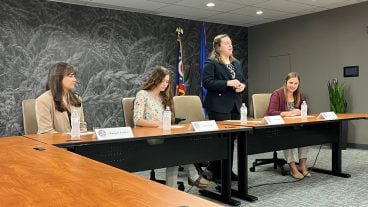
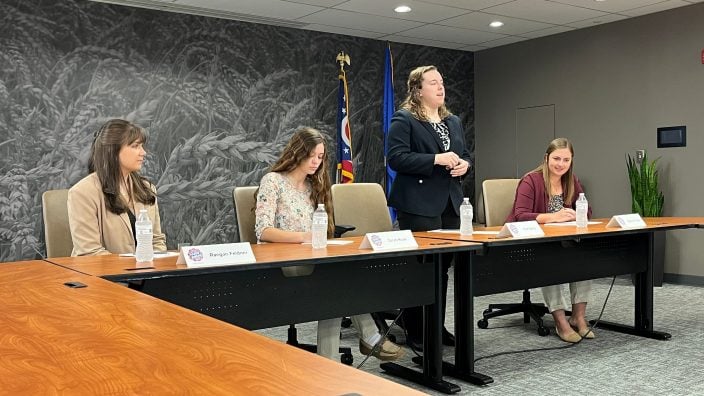
Collegiate Farm Bureau serves as a connection to current industry professionals and equips the next generation with the essential tools and resources needed to excel in their careers.
Read More

Ohio Farm Bureau members met one-on-one with state legislators and staff to discuss policy priorities impacting Ohio’s farms and rural communities.
Read More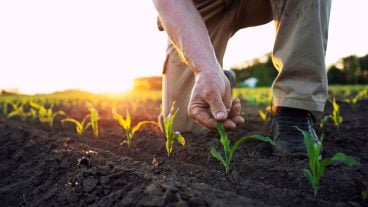
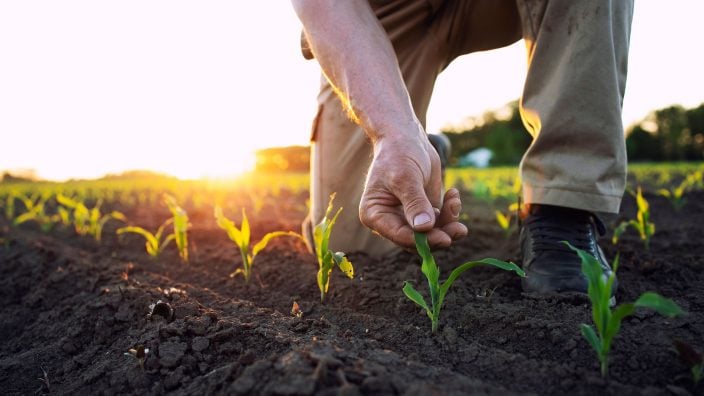
Legacy nutrient deductions enable new farmland owners to claim deductions on the nutrients within the soil on which healthy crops depend.
Read More
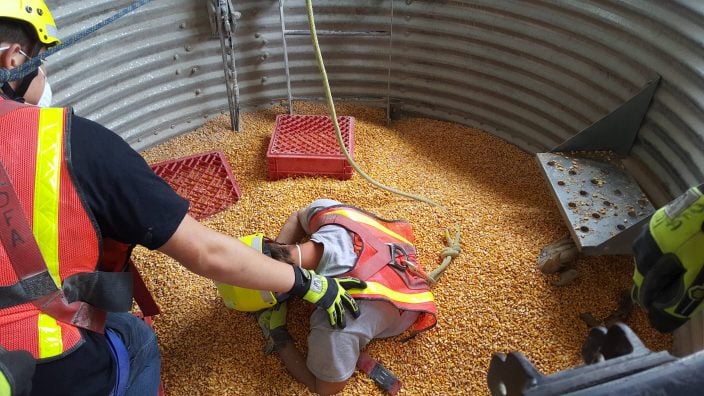
Farmers, agribusinesses and community members are encouraged to nominate their local fire departments for Nationwide’s Nominate Your Fire Department Contest through April 30.
Read More