





Applications for Ohio Farm Bureau Health Plans now available
Members have three ways to apply: contacting a certified agent, calling 833-468-4280 or visiting ohiofarmbureauhealthplans.org.
Read More1. Verbal leases
A verbal lease might be enforceable, but Ohio law says it should be in writing. The Statute of Frauds requires that a lease be in writing and signed by the party against whom enforcement is sought.
To enforce a verbal lease, a party would have to go to court and convince the court to make an exception to the Statute of Frauds writing requirement and provide proof of the terms of the verbal agreement.
Verbal leases also create uncertainty: How long does the relationship last? When and how can a party terminate a lease? Who is responsible for property maintenance and improvements?
2. Record the lease
Recording a written lease puts the rest of the world on notice that the lease exists. Ohio law allows a “memorandum of lease” that doesn’t divulge all the details but must include: Names and addresses of parties, legal description of land, lease period and rights of renewal.
3. Renewal
Most farm leases renew automatically unless one party gives notice of termination. It’s important to identify by what date and how one party must give notice of termination.
4. Provisions
Lease provisions aren’t all that scary. At minimum, leases should include: Names and addresses of parties, legal description of land, amount of acreage, start and end dates, basis for lease payment, payment due dates, rights of renewal, termination, soil fertility and death/disablement of parties.
5. Crop share
Crop share leases have financial planning implications. Farm rental income can affect taxes and social security benefits. Determine if the type of income is passive investment income or earnings from self-employment.
To determine the type of income: Is there material participation by the landowner? As a general rule: crop share leases often equal material participation and, cash and flexible cash is not material participation.
Material participation is also required to qualify for “special use valuation” under federal estate tax.
Additional resources: Ohio State Agricultural and Resource Law Program, aglaw.osu.edu; Drake Agricultural Law Center, sustainablefarmlease.org; aglease101.org.
(Farm and Dairy is featuring a series of “101” columns throughout the year to help young and beginning farmers master farm living. From finances to management to machinery repair and animal care, farmers do it all.)


Members have three ways to apply: contacting a certified agent, calling 833-468-4280 or visiting ohiofarmbureauhealthplans.org.
Read More
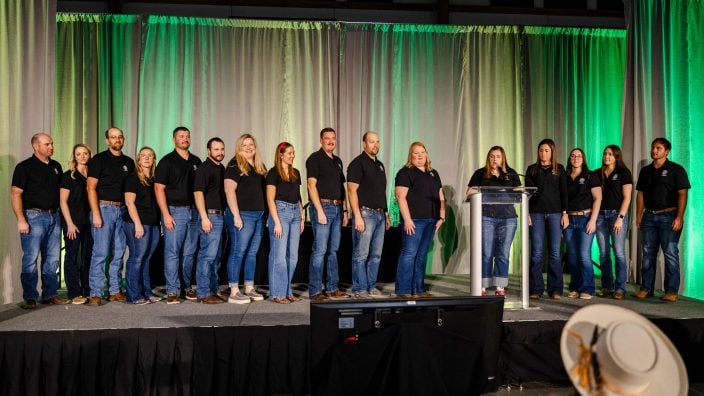
Members ages 18-34 who are interested in developing their leadership skills and enhancing programming for their peers should apply.
Read More

Senate Bill 328 is legislation designed to strengthen career-connected learning and better prepare students for Ohio’s workforce needs.
Read More

With the Family Forest Carbon Program, you can have a successful farm and get paid to grow healthy forests.
Read More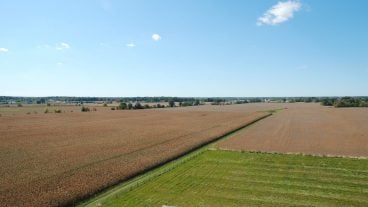
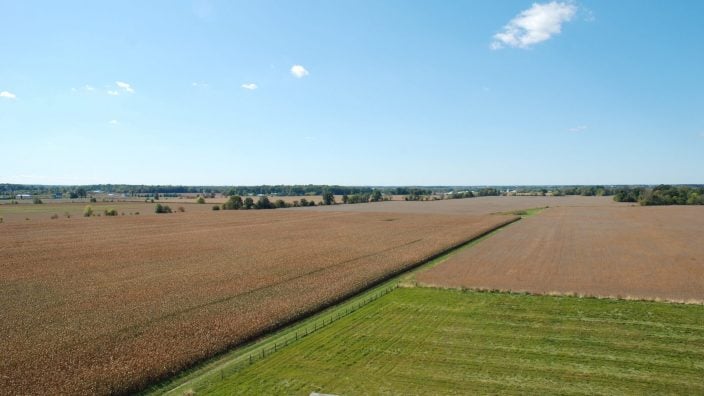
Ohio Farm Bureau recently sent a letter to Congress calling for the swift passage of the Farm, Food, and National Security Act of 2026 (HR 7567).
Read More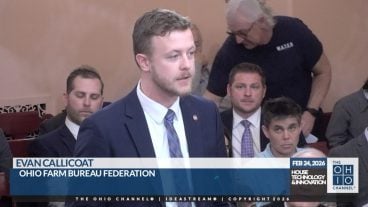
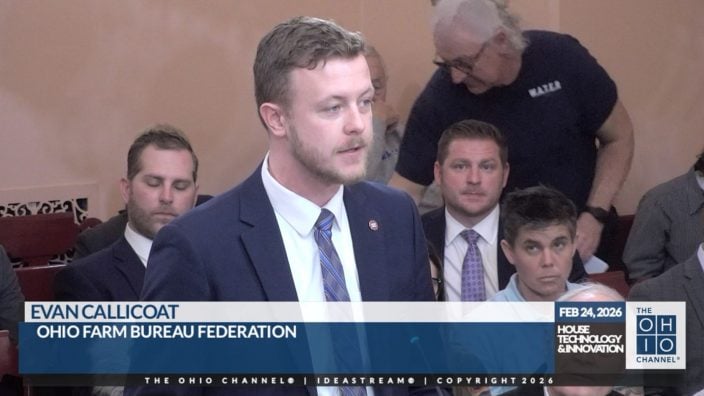
House Bill 646 would establish a Data Center Study Commission to examine the impact of rapid data center development across the state.
Read More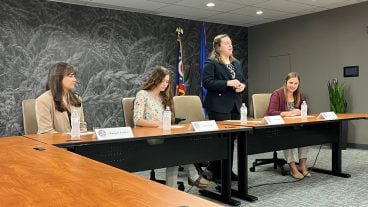
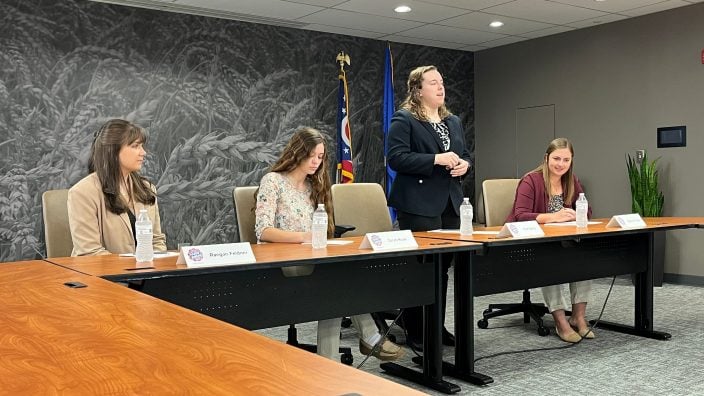
Collegiate Farm Bureau serves as a connection to current industry professionals and equips the next generation with the essential tools and resources needed to excel in their careers.
Read More

Ohio Farm Bureau members met one-on-one with state legislators and staff to discuss policy priorities impacting Ohio’s farms and rural communities.
Read More

Legacy nutrient deductions enable new farmland owners to claim deductions on the nutrients within the soil on which healthy crops depend.
Read More
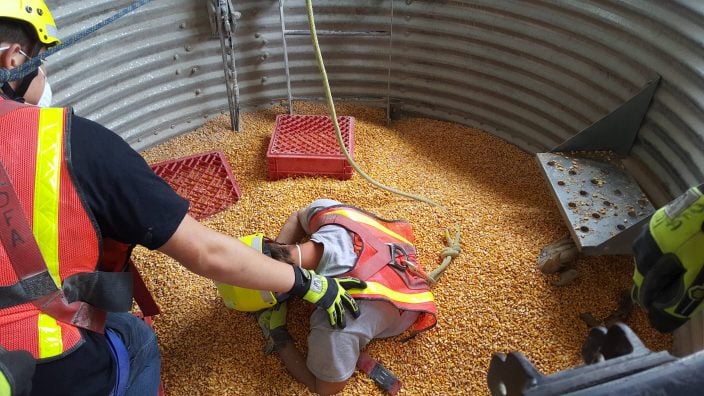
Farmers, agribusinesses and community members are encouraged to nominate their local fire departments for Nationwide’s Nominate Your Fire Department Contest through April 30.
Read More