





Applications for Ohio Farm Bureau Health Plans now available
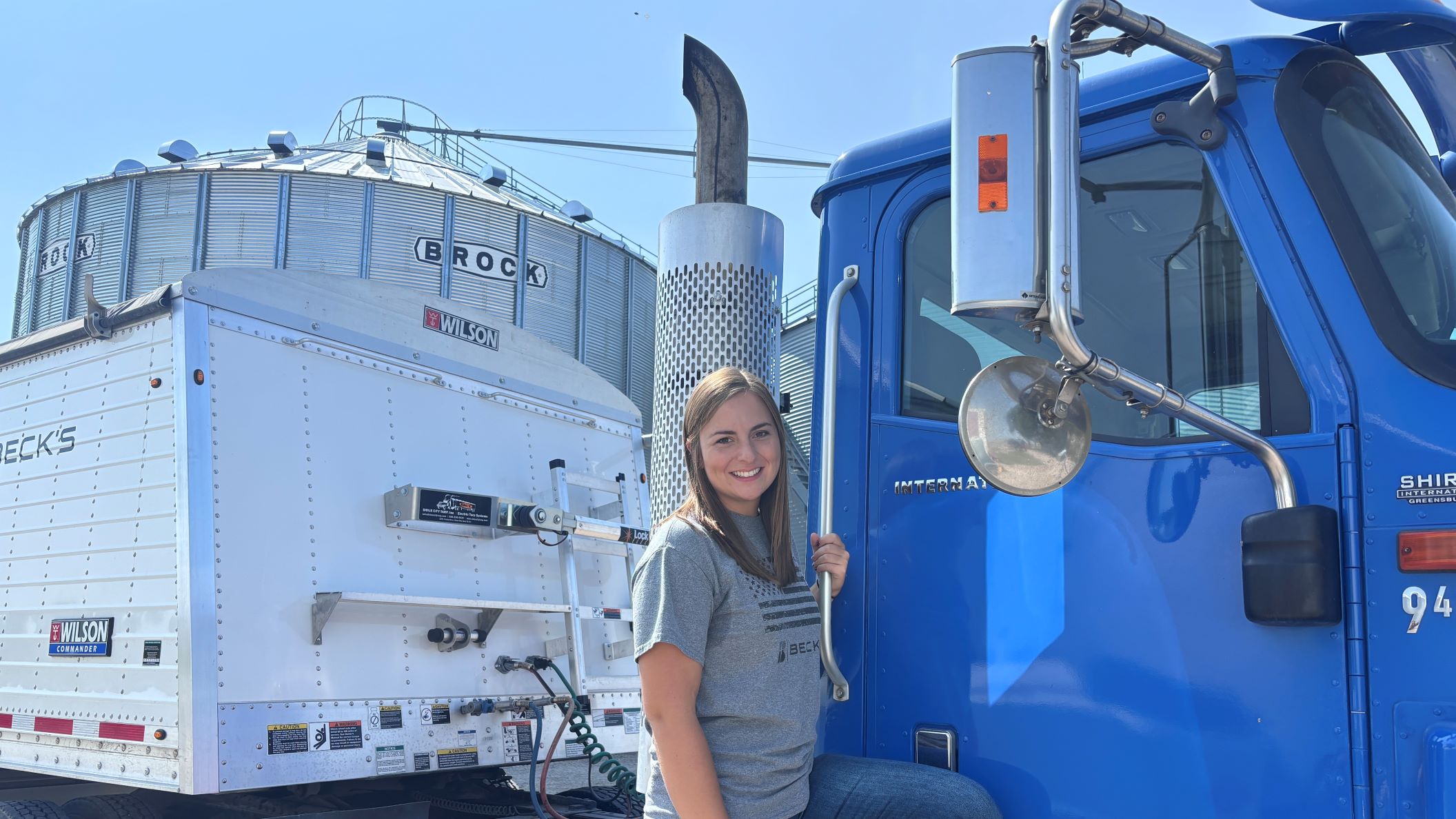
Members have three ways to apply: contacting a certified agent, calling 833-468-4280 or visiting ohiofarmbureauhealthplans.org.
Read More1 Root development
For vegetables, 70 percent of the soil moisture will come from the upper 50 percent of the effective rooting depth. This is where the largest fraction of active roots are found. Most vegetables have an effective root depth of 12-20 inches.
2 Soil infiltration
Soil infiltration characteristics determine maximum water application rates. Your soil survey contains great information on water movement and retention specific to your property.
Tables describe how fast water moves through various soil types in inches per hour at different depths. It will also give the available water capacity as inches of water per inch of soil depth.
3 Water holding capacity
The available water capacity is the difference between the total amounts of water the soil can hold just short of saturation down to the lower limit of the permanent wilting point. When the permanent wilting point is reached, the plant can no longer access the residual moisture as it becomes bound to soil particles.
4 Maximum allowable depletion
This is the amount of available water capacity that can be depleted without hurting crop yield or quality. It is monitored in the effective rooting zone, and, for most crops, it is between 40-60 percent of the available water capacity. If your soil dries below that point for any period of time, the crop is at risk.
5 Water budgeting
Water budgeting starts with an estimate of the available water capacity in the crop’s root zone. Irrigation should begin when the stored soil moisture approaches 50 percent of the available capacity or the plants will become stressed. Moisture content should be measured periodically to verify water use and moisture depletion estimates.
6 Soil probe
The appearance of the soil after being squeezed by hand can be used to estimate water content. With experience, this method can be quite reliable, and charts are available to describe how different soils with different moisture content should look and feel.
A common mistake is to feel the soil on the surface rather than around the root tips, where most moisture is taken up. Use a soil probe to sample soil in the crop root zone.
Source: Irrigation for Fruit and Vegetable Production, Penn State Extension; Irrigation Management Basics, Oregon State University.
(Farm and Dairy is featuring a series of “101” columns throughout the year to help young and beginning farmers master farm living. From finances to management to machinery repair and animal care, farmers do it all.)



Members have three ways to apply: contacting a certified agent, calling 833-468-4280 or visiting ohiofarmbureauhealthplans.org.
Read More
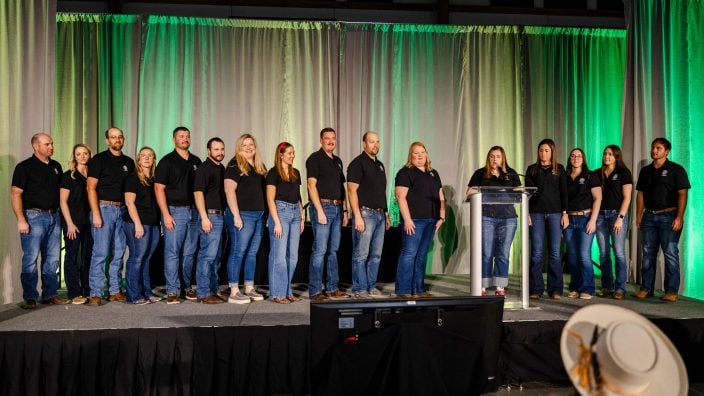
Members ages 18-34 who are interested in developing their leadership skills and enhancing programming for their peers should apply.
Read More

Senate Bill 328 is legislation designed to strengthen career-connected learning and better prepare students for Ohio’s workforce needs.
Read More

With the Family Forest Carbon Program, you can have a successful farm and get paid to grow healthy forests.
Read More
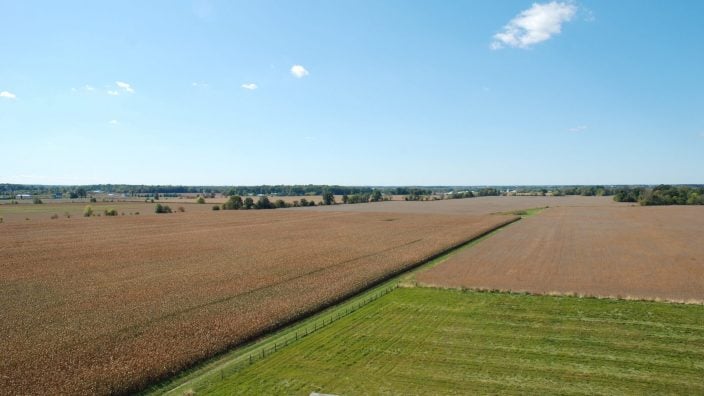
Ohio Farm Bureau recently sent a letter to Congress calling for the swift passage of the Farm, Food, and National Security Act of 2026 (HR 7567).
Read More

House Bill 646 would establish a Data Center Study Commission to examine the impact of rapid data center development across the state.
Read More

Collegiate Farm Bureau serves as a connection to current industry professionals and equips the next generation with the essential tools and resources needed to excel in their careers.
Read More

Ohio Farm Bureau members met one-on-one with state legislators and staff to discuss policy priorities impacting Ohio’s farms and rural communities.
Read More

Legacy nutrient deductions enable new farmland owners to claim deductions on the nutrients within the soil on which healthy crops depend.
Read More
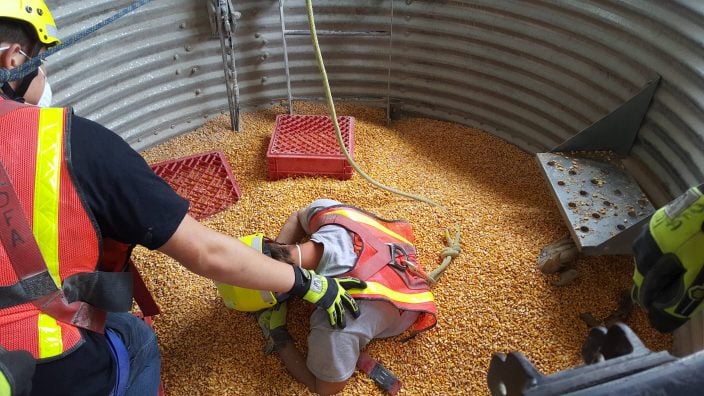
Farmers, agribusinesses and community members are encouraged to nominate their local fire departments for Nationwide’s Nominate Your Fire Department Contest through April 30.
Read More