









Applications for Ohio Farm Bureau Health Plans now available
Members have three ways to apply: contacting a certified agent, calling 833-468-4280 or visiting ohiofarmbureauhealthplans.org.
Read More1 Keep it locked up
Always lock pesticide storage cabinets, closets, rooms and buildings. Restrict access to a storage area to only essential persons. Keep a list of who has keys to the storage areas.
2 Keep it separate
Store pesticides in a separate building designed for chemical storage. If the storage area must be inside a larger structure, provide access to the room from a separate outside door.
3 Theft
Be aware of the potential for siphoning or otherwise stealing pesticides from filled tanks such as mini-bulk equipment. Tanks should be secured or disabled so that unauthorized persons cannot access the material inside the containers. Consider installing security lighting, an alarm system or using a guard dog.
4 Signage
Post signs on the door, building, or fence that indicate pesticide storage, such as “Danger Pesticides — Unauthorized Persons Keep Out!”
Post NO SMOKING signs, and do not allow smoking in or around the facility.
5 Employees
Have a basic first aid kit containing information on pesticide poisonings and emergency medical information. Also, post the name, address and telephone number for two contact people, in addition to at least two emergency response phone numbers — local fire and police, Poison Center (1-800-222-1222), etc.
Have a nearby source of water to clean skin, eyes and other exposures. Use personal protective equipment (PPE) to decrease potential exposure.
6 Safety checks
Conduct regularly scheduled safety and maintenance inspections of the storage unit and PPE.
Source: Pesticide storage and security, Penn State Extension.
Next week: Safe storage practices.
Last week: How to build a pesticide storage unit.
(Farm and Dairy is featuring a series of “101” columns throughout the year to help young and beginning farmers master farm living. From finances to management to machinery repair and animal care, farmers do it all.)


Members have three ways to apply: contacting a certified agent, calling 833-468-4280 or visiting ohiofarmbureauhealthplans.org.
Read More

Members ages 18-34 who are interested in developing their leadership skills and enhancing programming for their peers should apply.
Read More

Senate Bill 328 is legislation designed to strengthen career-connected learning and better prepare students for Ohio’s workforce needs.
Read More

With the Family Forest Carbon Program, you can have a successful farm and get paid to grow healthy forests.
Read More

Ohio Farm Bureau recently sent a letter to Congress calling for the swift passage of the Farm, Food, and National Security Act of 2026 (HR 7567).
Read More
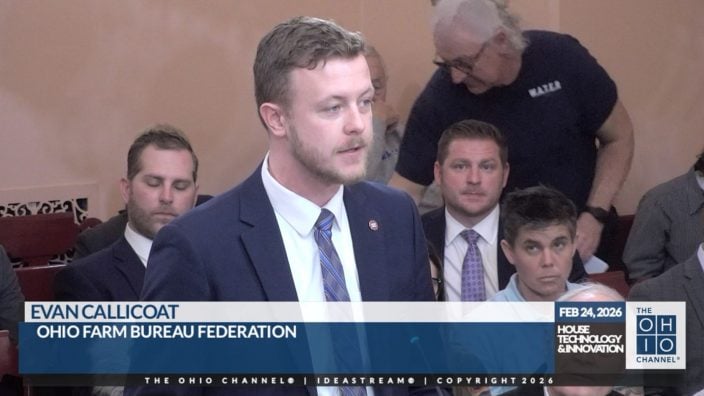
House Bill 646 would establish a Data Center Study Commission to examine the impact of rapid data center development across the state.
Read More

Collegiate Farm Bureau serves as a connection to current industry professionals and equips the next generation with the essential tools and resources needed to excel in their careers.
Read More

Ohio Farm Bureau members met one-on-one with state legislators and staff to discuss policy priorities impacting Ohio’s farms and rural communities.
Read More

Legacy nutrient deductions enable new farmland owners to claim deductions on the nutrients within the soil on which healthy crops depend.
Read More

Farmers, agribusinesses and community members are encouraged to nominate their local fire departments for Nationwide’s Nominate Your Fire Department Contest through April 30.
Read More