


Applications for Ohio Farm Bureau Health Plans now available
Members have three ways to apply: contacting a certified agent, calling 833-468-4280 or visiting ohiofarmbureauhealthplans.org.
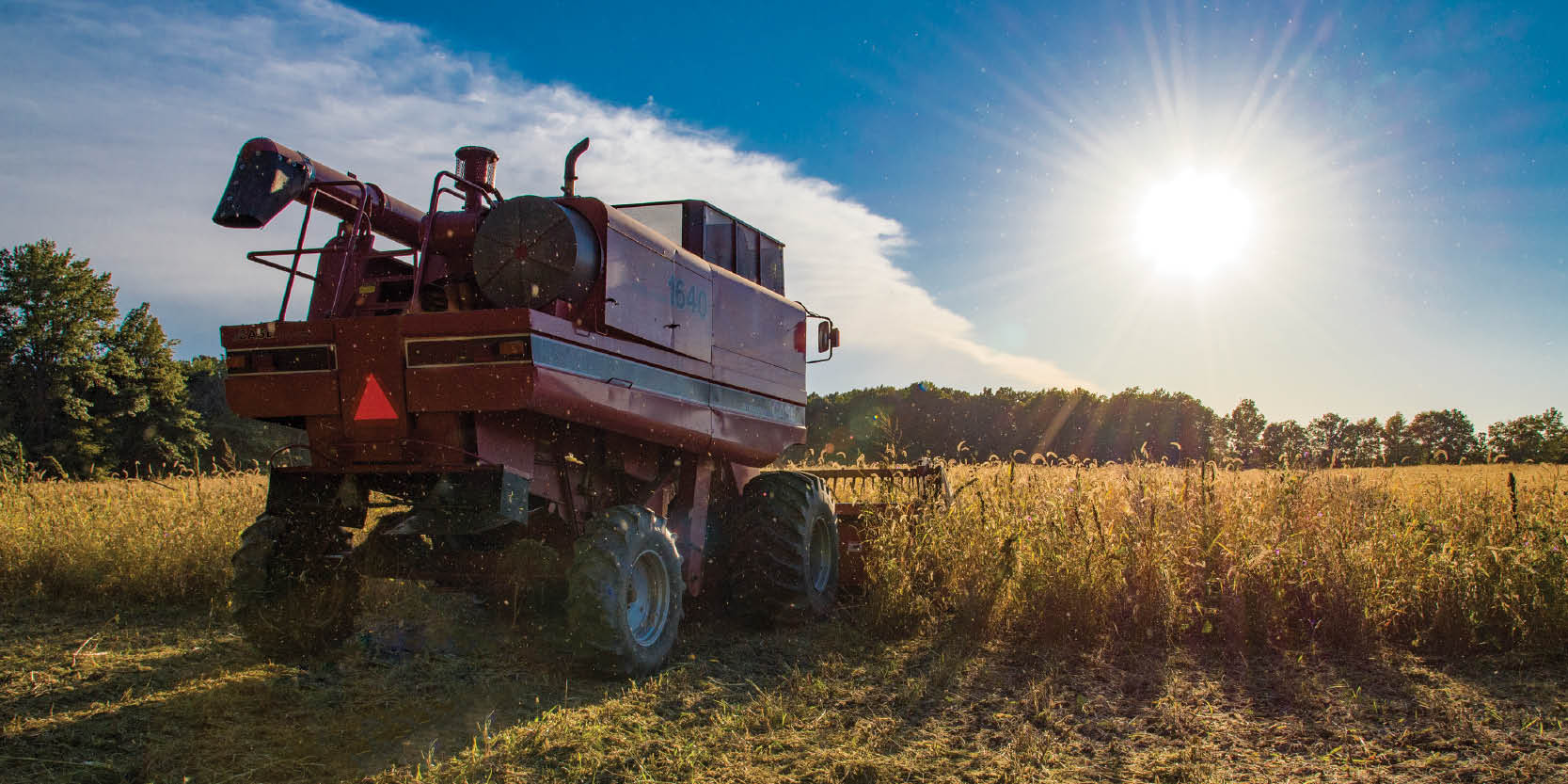
Read MoreFall harvest of the acres and acres of corn and soybeans in the county has been in full swing for some time now when it isn’t raining. While grain farmers have a number of things to think about during harvest, one of the most important is the safety of the person behind the wheel of the combine.
Fall harvest often is more than an eight-hour-a-day job and can extend into 16-hours-or-more days — especially when it gets delayed because of the weather. That is when accidents tend to happen — when the combine or other machinery operator gets tired. Accidents can be expensive and sometimes lead to loss of life.
Then there is the decision about marketing the corn or soybeans. With all the uncertainty in the market these days, it becomes more of a problem than usual to know where and when to sell the crops.
The U.S. Department of Agriculture says that 20 percent of our production in this country is exported. That illustrates the importance of the export market and the impact on farm prices. With tariffs and trade wars started by our government, we have lost major export markets to countries like China. This has caused a drop in farm prices for both corn and soybeans from what farmers were expecting.
Trade wars usually do not help anyone. We need free, but fair, trade to get the most from our agricultural abundance and have other commodities available to us.
A high percentage of the crops grown in this county are from genetically engineered seeds. Farmers use them because they are environmentally friendly, use fewer pesticides and increase yields. They have been proven to be safe by many governmental agencies and universities.
Yet some countries, like those in the European Union, refuse to accept grains raised from genetically engineered seeds. They refuse to accept the research done in their countries and in other parts of the world that prove they are safe. That decision affects the price of grains in this country.
Another interesting process is now being used, called gene editing. Classic GMOs are made by introducing DNA from one plant or animal into another. Gene editing removes bits of native DNA from a plant or animal. A good example is removing the DNA that causes horns in dairy cattle making the offspring hornless.
Those who favor gene editing say it speeds up plant and animal breeding and is inherently safe. But the European Union says gene editing is a form of GMO and doesn’t consider it safe. Its refusal to accept safe, proven technology affects the development of food production and causes food to be more expensive in their countries.
One research firm in this country has been working to bring non-browning, genetically engineered apples to market. They call them “Arctic Apples.” There are a couple varieties of Arctic Apples on the market and this company hopes to have more soon.
When asked why they used apples for their research, they said apples are the third most wasted food in this country. They say apple quality is lost in every stage of the harvest and processing amounting to an estimated 40 percent loss and that their Arctic Apple has a potential to reduce that 40 percent.
Tremendous potential exists to improve both yield and quality of our crops through research and technology.
John Parker is an independent writer for the local Farm Bureaus.
Ohio Farm Bureau Mission: Working together for Ohio farmers to advance agriculture and strengthen our communities.


Members have three ways to apply: contacting a certified agent, calling 833-468-4280 or visiting ohiofarmbureauhealthplans.org.
Read More
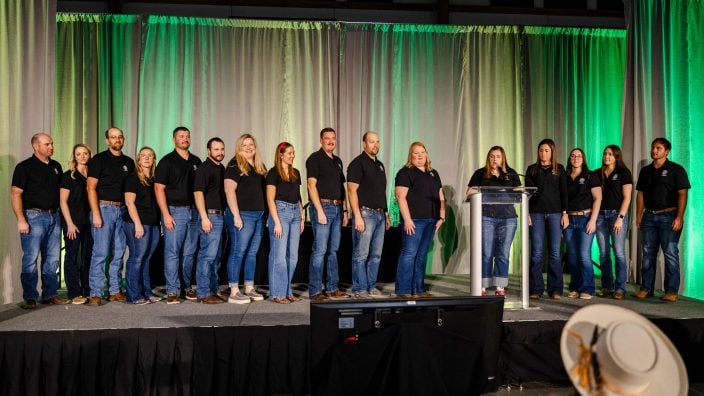
Members ages 18-34 who are interested in developing their leadership skills and enhancing programming for their peers should apply.
Read More
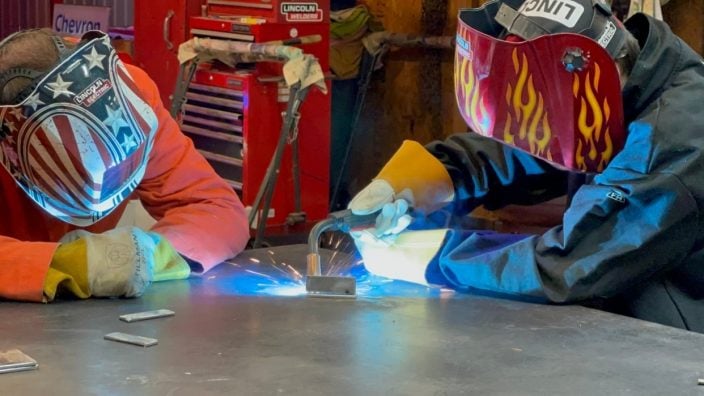
Senate Bill 328 is legislation designed to strengthen career-connected learning and better prepare students for Ohio’s workforce needs.
Read More
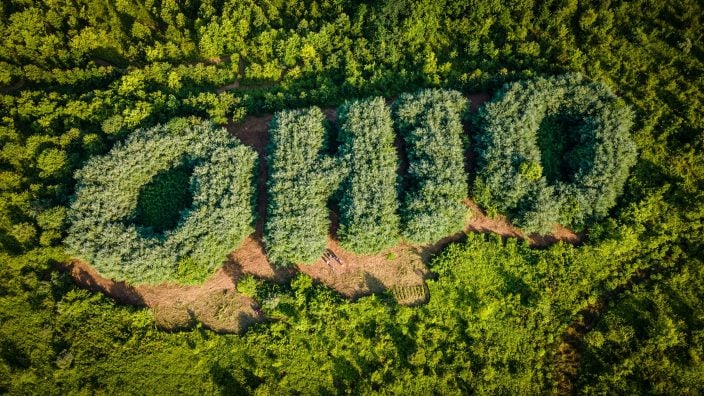
With the Family Forest Carbon Program, you can have a successful farm and get paid to grow healthy forests.
Read More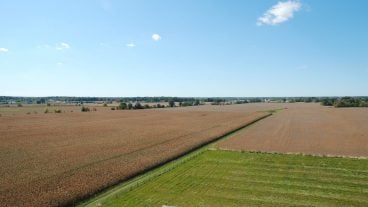
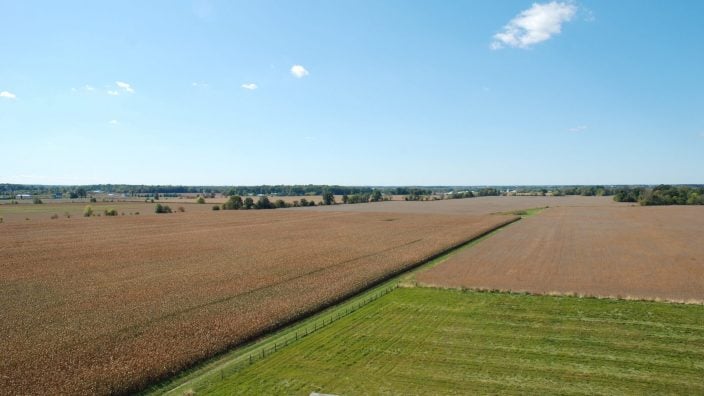
Ohio Farm Bureau recently sent a letter to Congress calling for the swift passage of the Farm, Food, and National Security Act of 2026 (HR 7567).
Read More
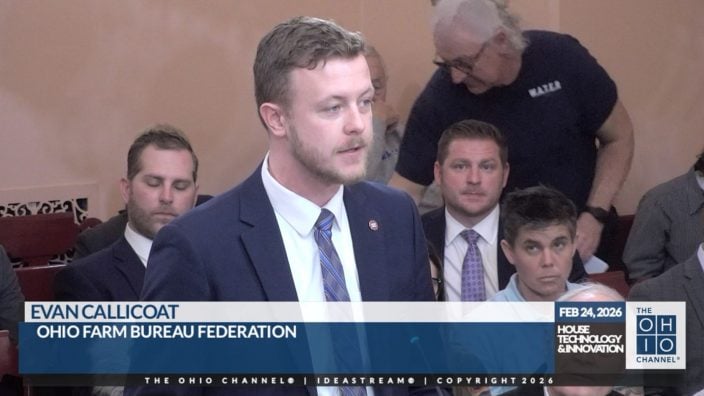
House Bill 646 would establish a Data Center Study Commission to examine the impact of rapid data center development across the state.
Read More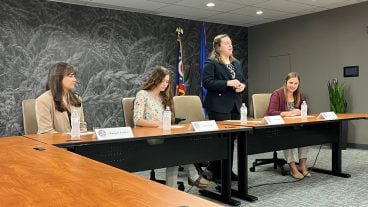
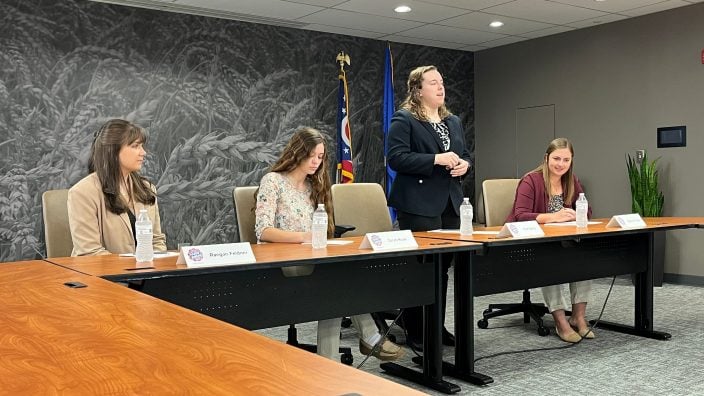
Collegiate Farm Bureau serves as a connection to current industry professionals and equips the next generation with the essential tools and resources needed to excel in their careers.
Read More
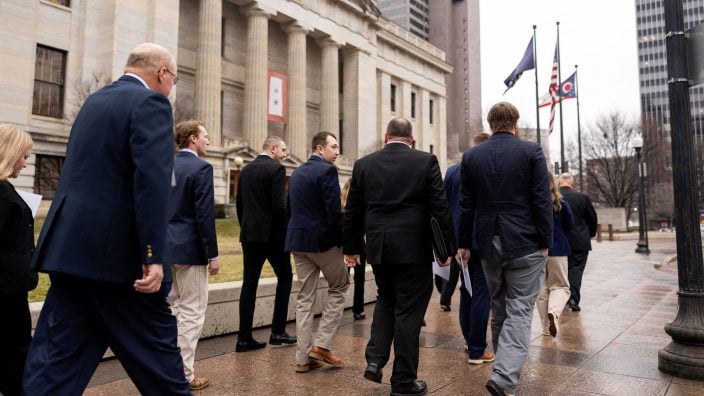
Ohio Farm Bureau members met one-on-one with state legislators and staff to discuss policy priorities impacting Ohio’s farms and rural communities.
Read More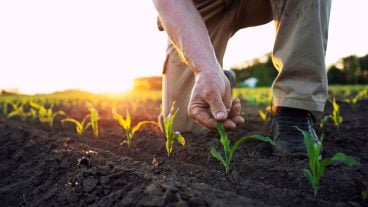
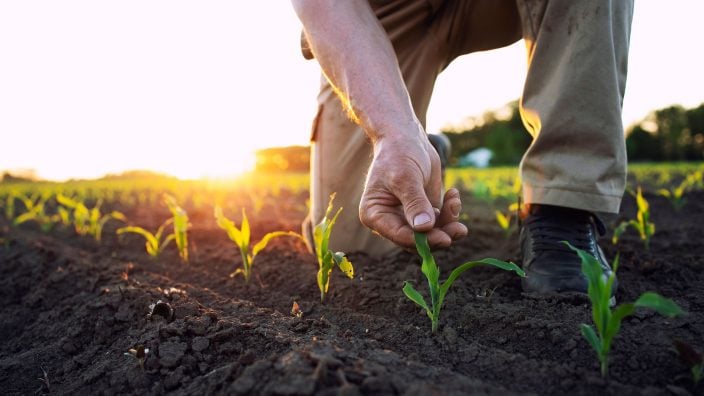
Legacy nutrient deductions enable new farmland owners to claim deductions on the nutrients within the soil on which healthy crops depend.
Read More
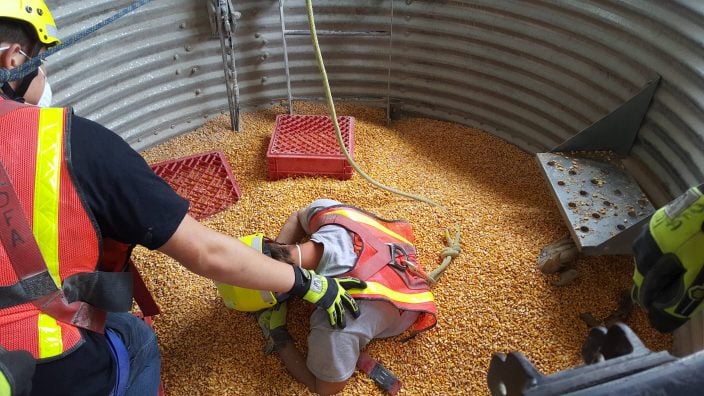
Farmers, agribusinesses and community members are encouraged to nominate their local fire departments for Nationwide’s Nominate Your Fire Department Contest through April 30.
Read More