


Applications for Ohio Farm Bureau Health Plans now available
Members have three ways to apply: contacting a certified agent, calling 833-468-4280 or visiting ohiofarmbureauhealthplans.org.
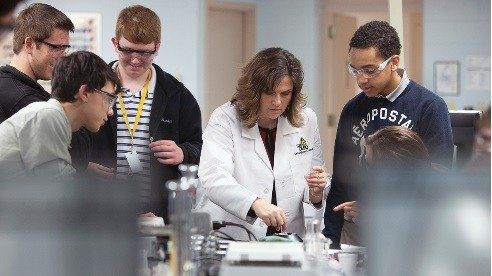
Read MoreSTEM programs are being integrated into kindergarten through 12th grade education all over the country. What is STEM? It is an acronym for science, technology, engineering and math studied collectively.
The U.S. Department of Education website promotes STEM and states, “In a world that’s becoming increasingly complex, where success is driven not only by what you know, but by what you can do with what you know, it’s more important than ever for our youth to be equipped with the knowledge and skills to solve tough problems, gather and evaluate evidence, and make sense of information.”
Sounds like agricultural education fits perfectly into any STEM program.
In many parts of the country, vocational agriculture education is available to high school students and sounds a lot like the STEM programs that are being developed.
The vo-ag programs consist of classroom and laboratory instruction, supervised occupational experiences, and membership in FFA. This federally supported educational program was created in 1917 when about one-third of the U.S. population lived on farms and agricultural businesses sustained rural communities. Enrollment in vo-ag programs peaked in the late 1970s, then began declining 1 to 3 percent annually.
If you consider that today, about 2 percent of the U.S. population are farmers, one might say that decrease in vo-ag programs is understandable. I disagree.
With a fewer number of aging farmers — the average age of a farmer is 59 — feeding more people than ever, we should be doing more to encourage the next generation of farmers. And encourage not only those that want to farm, but also those who will have occupations that directly affect agriculture.
Agricultural degrees open a variety of career options. Having an understanding of agriculture in today’s business and economic world is a huge asset to farmers. Banks and credit agencies that lend to agribusinesses hire loan officers, credit analysts and appraisers, and agriculture-oriented businesses need accountants.
There is a demand for agricultural graduates for work in plant science, water management, veterinarians for food animals, nutrition for both humans and animals, ag technology, sustainable agriculture, government programs, conservation programs, education and research.
It is amazing to consider how many career opportunities are available that can support agriculture. I Googled “careers in agriculture” and was impressed.
Engineering is one of the hottest occupations today. Know someone considering pursuing an engineering degree? Check out the possibilities as an agricultural engineer. Check out online the possible specialties listed on Wikipedia. From designing agricultural facilities, equipment and machinery to working for government agencies to consultants, to research analysis; it is amazing.
Makes me wonder if I had known about these possibilities, would I have chosen a different agricultural career path?
So how do we get students excited about these agricultural opportunities? Get the teachers excited.
There are free resources available to schools and teachers willing to use them. GrowNextGen is an agricultural education outreach effort funded by the Ohio Soybean Council and Ohio soybean farmers. Another great resource is the Feed the World program offered through the Ohio Corn and Wheat Growers Association.
Incorporating agriculture into the ever-growing STEM programs could really change the world. There is a need to understand the importance and complexity of agriculture and what supportive career opportunities are available.
As stated by the U.S. Department of Education, “All young people should be prepared to think deeply and to think well so that they have the chance to become innovators, educators, researchers and leaders who can solve the most pressing challenges facing our nation and our world, both today and tomorrow.”
One of the most pressing challenges for the future is producing enough food for the projected U.S. population of 438 million and world population of 9.6 billion by 2050. Agriculture education is critical.
Submitted by Mary Smallsreed, a member of the Trumbull County Farm Bureau, who grew up on a family dairy farm in northeast Ohio.
OFBF Mission: Working together for Ohio farmers to advance agriculture and strengthen our communities.


Members have three ways to apply: contacting a certified agent, calling 833-468-4280 or visiting ohiofarmbureauhealthplans.org.
Read More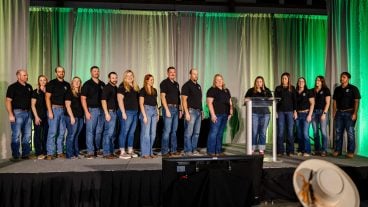
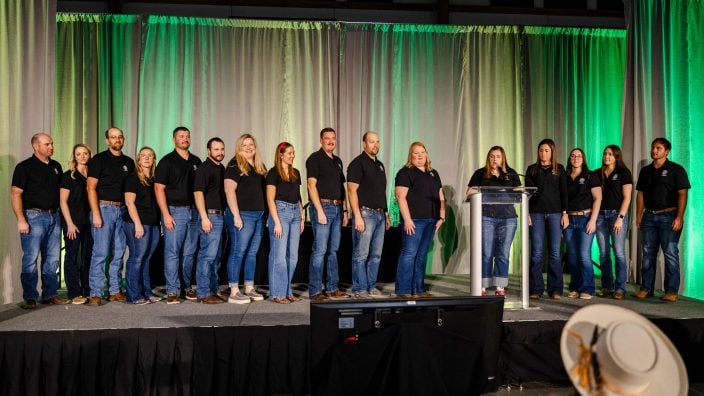
Members ages 18-34 who are interested in developing their leadership skills and enhancing programming for their peers should apply.
Read More

Senate Bill 328 is legislation designed to strengthen career-connected learning and better prepare students for Ohio’s workforce needs.
Read More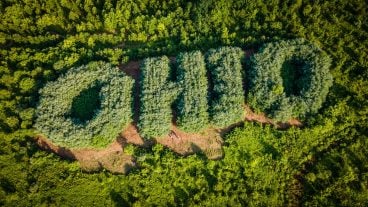
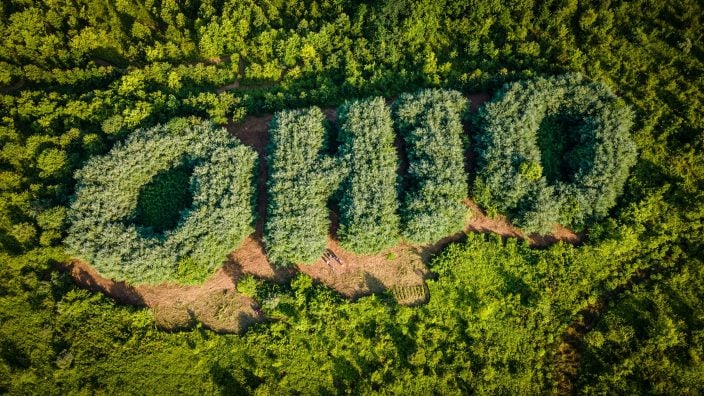
With the Family Forest Carbon Program, you can have a successful farm and get paid to grow healthy forests.
Read More
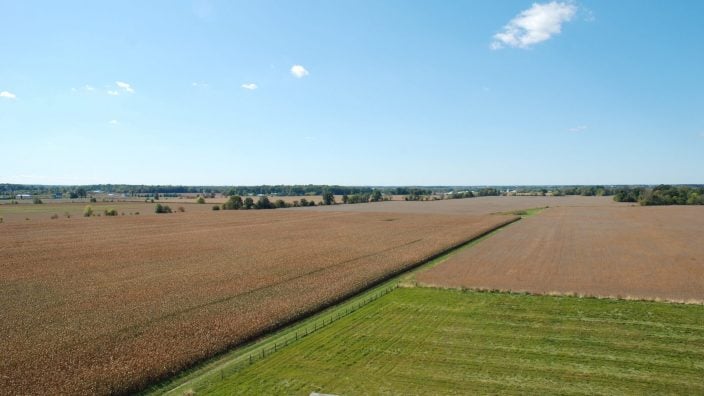
Ohio Farm Bureau recently sent a letter to Congress calling for the swift passage of the Farm, Food, and National Security Act of 2026 (HR 7567).
Read More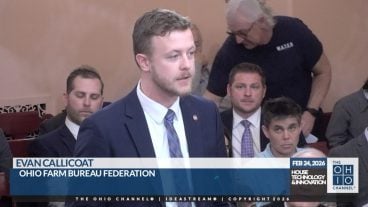
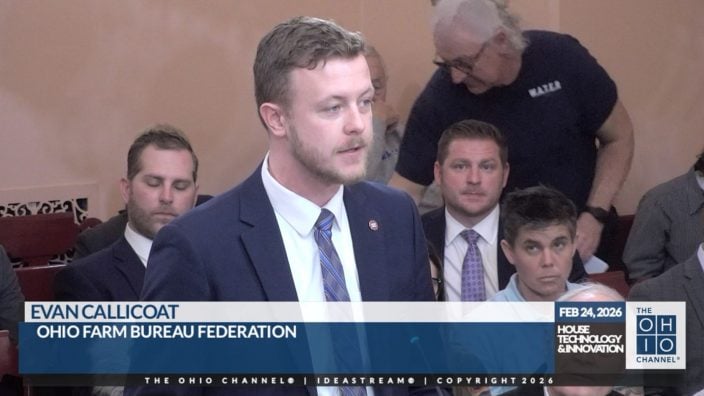
House Bill 646 would establish a Data Center Study Commission to examine the impact of rapid data center development across the state.
Read More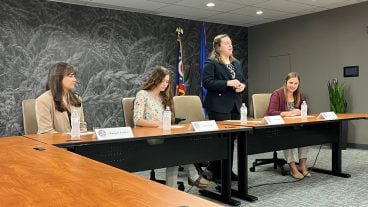
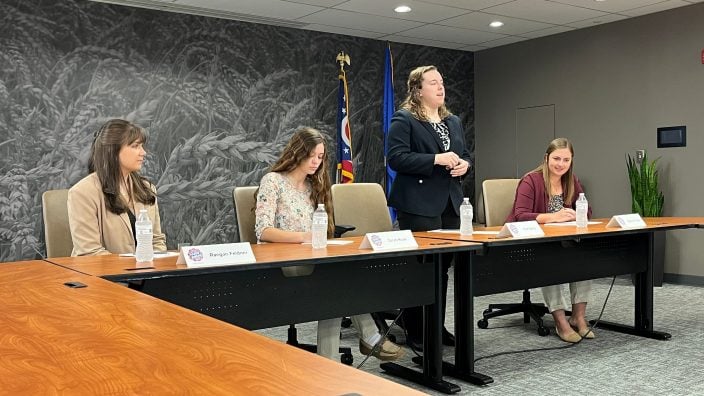
Collegiate Farm Bureau serves as a connection to current industry professionals and equips the next generation with the essential tools and resources needed to excel in their careers.
Read More

Ohio Farm Bureau members met one-on-one with state legislators and staff to discuss policy priorities impacting Ohio’s farms and rural communities.
Read More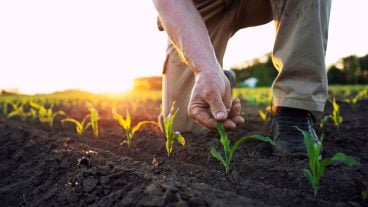
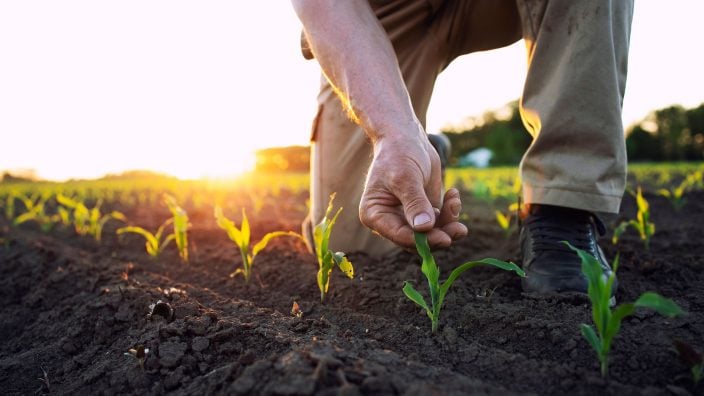
Legacy nutrient deductions enable new farmland owners to claim deductions on the nutrients within the soil on which healthy crops depend.
Read More
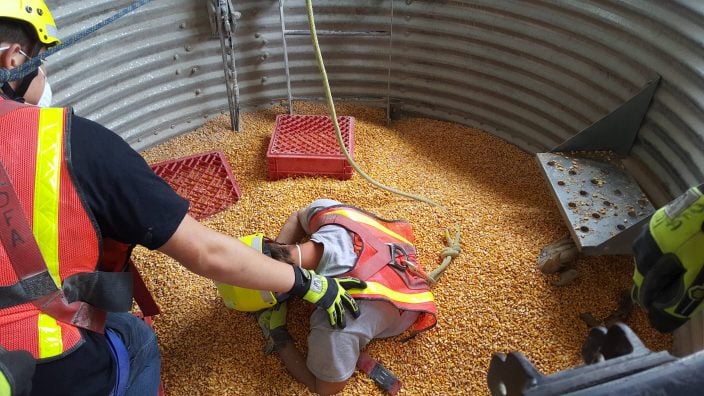
Farmers, agribusinesses and community members are encouraged to nominate their local fire departments for Nationwide’s Nominate Your Fire Department Contest through April 30.
Read More