



Applications for Ohio Farm Bureau Health Plans now available
Members have three ways to apply: contacting a certified agent, calling 833-468-4280 or visiting ohiofarmbureauhealthplans.org.
Read MoreIn the latest episode of Field Day with Jordan Hoewischer, Ohio Farm Bureau’s Director of Water Quality and Research talks with American Farm Bureau Chief Economist Dr. John Newton.
Hoewischer and Newton talk about the “tough shape” the farm economy has been in for a number years for various reasons, from low crop prices to trade and tariff issues, and how much impact the newly signed Farm Bill may or may not have on farm income in the future.
Field Day with Jordan Hoewischer is an ongoing series of conversations with experts and leaders who are helping to shape and secure the future of Ohio’s ag industry for generations to come.
Following are some highlights from this episode. Complete transcript.
A: Well it’s been in the doldrums now for a few years. You know net farm income was record high when we were right in the last farm bill. Over $120 billion at that point in time and it’s declined by nearly 50 percent. It declined fairly quickly and it’s remained at very low levels. 2018 farm incomes projected at $66 billion. That’s the third lowest level over the last decade in well below the historical average of about $85 billion a year. So the farm economy is in pretty tough shape and it’s really impacting agriculture uniformly.
A: You know it was just a completely different environment in 2014 when we were writing the farm bill. We were looking at $5 corn, and soybeans were well over $11 a bushel. When we really started this process, American Farm Bureau had a farm bill working group for the last two years. When we started this farm income was low commodity prices were low. So I think that one of the things that it did more than anything is really energized the grassroots members across the country to think about this farm bill and think about ways we can make it work better. I think the challenge in this low price environment was that the Congressional Budget Office, the baseline for agricultural spending, we just didn’t have a lot of money to make a lot of major changes. So this farm bill more than anything it’s just an evolution of the 2014 Farm Bill. Some tweaks around the edges. We did get some major improvements for dairy and for cotton but there’s just not enough money to come in and really elevate and enhance the support provided by ARC and PLC some of those title one programs.


Members have three ways to apply: contacting a certified agent, calling 833-468-4280 or visiting ohiofarmbureauhealthplans.org.
Read More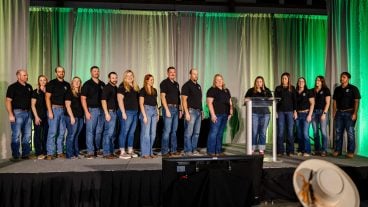
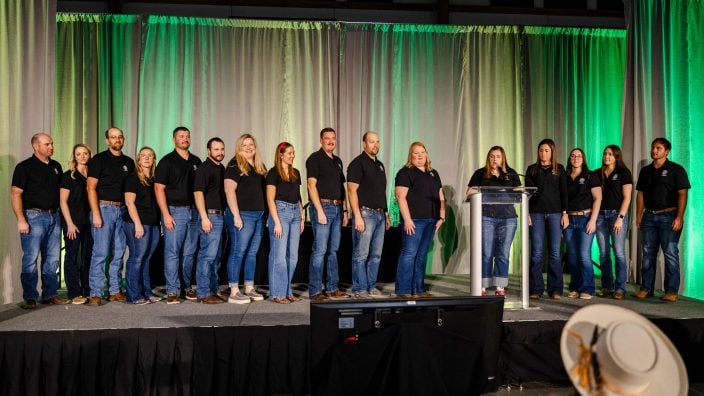
Members ages 18-34 who are interested in developing their leadership skills and enhancing programming for their peers should apply.
Read More

Senate Bill 328 is legislation designed to strengthen career-connected learning and better prepare students for Ohio’s workforce needs.
Read More

With the Family Forest Carbon Program, you can have a successful farm and get paid to grow healthy forests.
Read More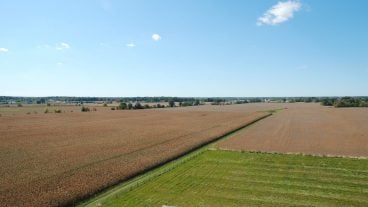
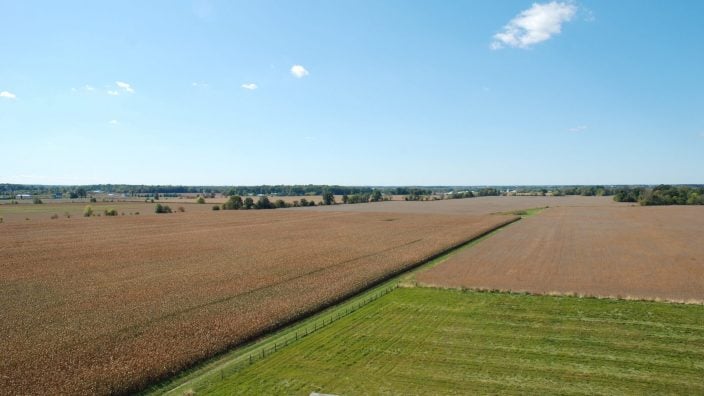
Ohio Farm Bureau recently sent a letter to Congress calling for the swift passage of the Farm, Food, and National Security Act of 2026 (HR 7567).
Read More
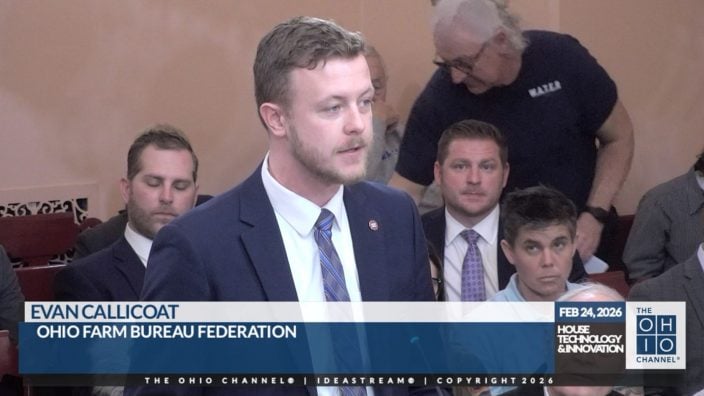
House Bill 646 would establish a Data Center Study Commission to examine the impact of rapid data center development across the state.
Read More
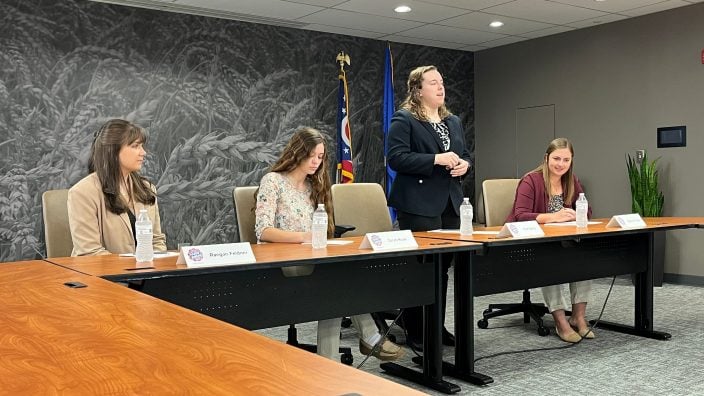
Collegiate Farm Bureau serves as a connection to current industry professionals and equips the next generation with the essential tools and resources needed to excel in their careers.
Read More

Ohio Farm Bureau members met one-on-one with state legislators and staff to discuss policy priorities impacting Ohio’s farms and rural communities.
Read More
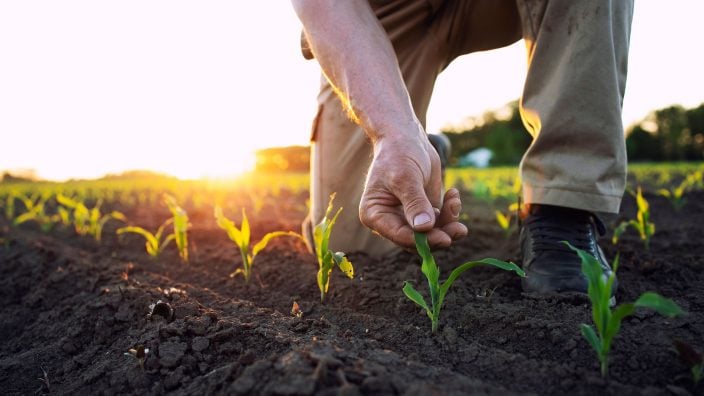
Legacy nutrient deductions enable new farmland owners to claim deductions on the nutrients within the soil on which healthy crops depend.
Read More
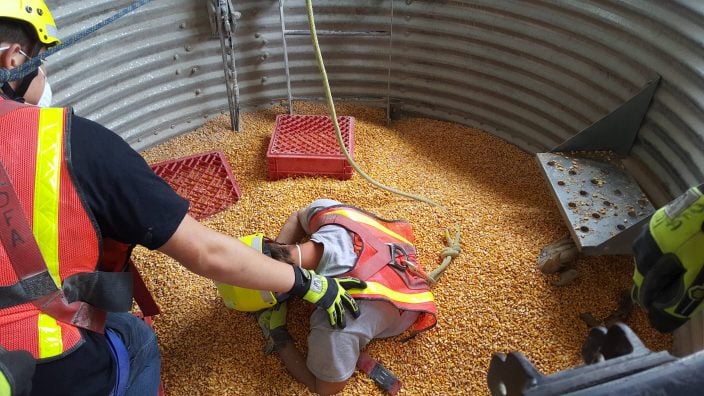
Farmers, agribusinesses and community members are encouraged to nominate their local fire departments for Nationwide’s Nominate Your Fire Department Contest through April 30.
Read More