







Applications for Ohio Farm Bureau Health Plans now available
Members have three ways to apply: contacting a certified agent, calling 833-468-4280 or visiting ohiofarmbureauhealthplans.org.
Read MoreAs a chef, it’s not uncommon for Suzy DeYoung to make foods from scratch that others might pick up at the supermarket. While some of those items might be complicated or time-consuming—one stands out to her as a dish that everyone should make at home.
“Soup,” she said. “Of all the aisles I don’t understand at the grocery store, the soup aisle is the worst.”
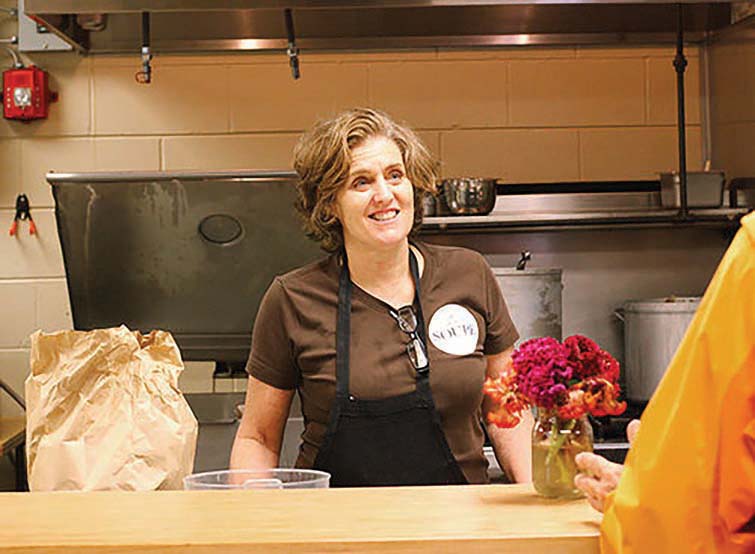
Homemade soup prepared with fresh or frozen ingredients tastes way better than anything that comes out of a can and it’s simple to do, said the founder of La Soupe. The Cincinnati nonprofit organization salvages produce and other foodstuffs that groceries are disposing and uses them to create soup and meals for people in need. The organization serves about 3,000 meals a week.
“It’s easy to make and it tastes so good,” DeYoung said.
Soup recipes generally don’t require a lot of complicated steps and the results are usually delicious, agreed Dave Brue, culinary educator at the Ohio State University Wexner Medical Center. “Often, it’s a matter of putting all of the ingredients in a pot and letting it go,” he said.
Even the most novice cook can handle homemade soup, Brue said. “The great thing about soup is it’s so forgiving.”
And having all the ingredients the recipe calls for is optional too. “With soup, recipes are just guidelines,” he said.
He and DeYoung suggest starting with what you have on hand and building a recipe around that. They also are huge proponents of freezing vegetables that are about to spoil and leftovers from your evening meal and throwing them into the soup pot.
DeYoung’s love of homemade soup began when she was a child visiting relatives in France. Her aunt would take the leftovers from the family’s noon meal and blend it into soup. “That was the dinner,” she said. “She took whatever we had – roasted vegetables or meat and would puree it into a lovey soup.”
Soup itself also freezes nicely, said Pat Brinkman, an associate professor and Extension educator for Ohio State University’s Fayette County Extension office. Consider making a double batch and freezing some for another meal, she said.
Soup is a go-to for Brue at work and at home in the winter because it’s warm and hearty. It makes a filling meal, he said. “There are so many vegetables and nutrients that you can pack into soup that you can’t get in other meals,” he said.
While the vegetables contribute to a soup’s nutritional value, it’s important to look at the health value of the other ingredients, Brinkman said. Consider substituting heavy cream with milk or even evaporated skim milk for a healthier version, she said. If a recipe calls for sautéing vegetables in butter before adding the stock, try using olive oil to reduce the fat content of the dish. She recommends trying to reduce the salt content as well.
“Try to cut back on salt by adding more herbs and spices,” she said. “Taste it before you start thinking you need to add salt.”
Ideas for making soup healthier:


Members have three ways to apply: contacting a certified agent, calling 833-468-4280 or visiting ohiofarmbureauhealthplans.org.
Read More

Ohio Farm Bureau has created a new guide to help members better understand the laws, regulations and risk considerations that come with opening their farms to the public.
Read More

The groups received a firsthand look at agricultural policy, advocacy and leadership in the nation’s capital.
Read More

By prioritizing safety and health, you protect yourself and those around you, reduce downtime, and ensure your operation runs smoothly.
Read More
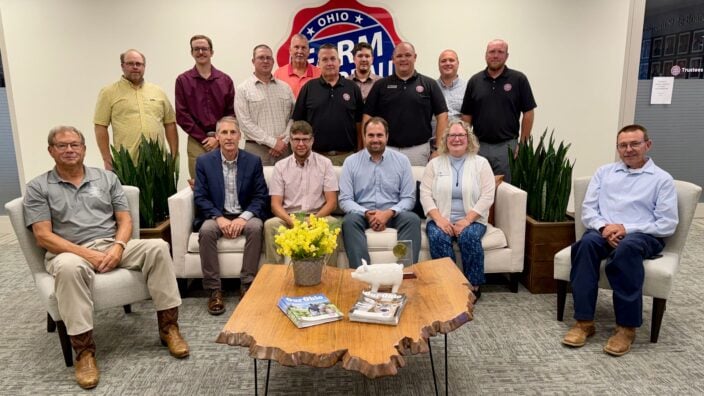
Twenty leaders have been named to the 2026 Ohio Farm Bureau Federation Policy Development Committee.
Read More

Two specialized, hands-on training sessions will address high-risk agricultural emergencies: manure pit rescues in confined spaces and roadside livestock transportation accidents.
Read More

The 75,000 square foot ImAGine Ag exhibit made its debut at the 2026 Ohio State Fair in the new Ohio Agriculture Center, giving thousands of visitors a hands-on, interactive learning experience.
Read More

Early-bird pricing for the conference will end Dec. 15, 2026, with a final registration deadline of Jan. 5, 2027. Event details, session updates and registration are available at ofb.ag/WLE.
Read More
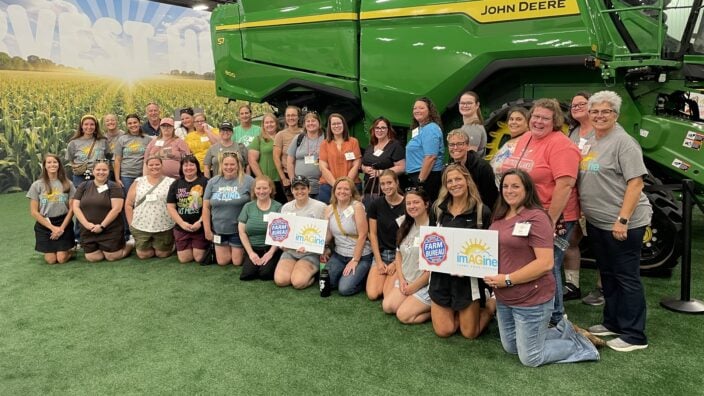
More than 50 K-5 educators took part in professional development events at the 2026 Ohio State Fair, centered around agricultural education and the organization’s new imAGine Ag exhibit.
Read More

Founded by farmers in 1926, Nationwide has grown into a trusted partner for the agricultural community while staying true to its roots.
Read More