



Applications for Ohio Farm Bureau Health Plans now available
Members have three ways to apply: contacting a certified agent, calling 833-468-4280 or visiting ohiofarmbureauhealthplans.org.
Read MoreI get asked a lot about my job, and exactly what I do, and after I finish explaining that I work with the agricultural industry in the region I will usually get a few questions or comments. The majority of the questions / comments are “That sounds like a great job,” or “What did you study in college?”
On occasion I will get a few critical questions about farming practices they may have heard in the news. I can lump most of them into two categories — chemicals (pesticides, fertilizer, etc.) and technology (GMOs, tractors, etc.). For chemicals, there seems to be a general consensus among non-farmers that farmers randomly apply these chemicals with no regard to the environment and public health. I can tell you that local farmers do care about the environment, public health and their pocket books.
Our county farmers drink from the same water, fish the same streams and breathe the same air as the rest of the county. They also have kids they want to keep safe and healthy. Chemicals are probably the most expensive item that a farmer will purchase each year, and no farmer that I know wants to waste that investment. Routine soil testing is common among most farmers and will tell them exactly how much fertilizer they need to add to grow a successful crop, and sometimes that means adding nothing.
Pesticide applications are sometimes necessary to prevent the loss of a crop. Herbicides are used to keep weeds out of the fields until the crop canopy is closed to ensure that those expensive fertilizers are going to the crop, and not the weed. Trust me, any farmer would rather put money into a tractor than chemicals, but they really don’t want to put themselves, their families or your families at risk.
Many farmers don’t want to handle the more toxic chemicals and will look for a less toxic option.
Technology and farming have a long history, and that is the reason the Land Grant University system was established. It’s no surprise that farmers want to grow crops as efficiently and sustainably as possible. Everyone has heard of genetically modified organisms (GMOs) in one way or another. GMO crops have been around since the early 1990’s and the number of new crops coming out with GMO technology is only increasing. People have written hundreds of books about this topic, and they will continue to do so for many more years.
I think many people have a nostalgic view of farming from the early 20th century. The nostalgic view is not much different from the Old MacDonald nursery rhyme where every farmer has crops, pigs, cows, horses, dogs and chickens. The truth is, farming has changed. Old MacDonald may have been able to work solely on the farm with a menagerie of animals and make enough money to support a family in 1900, but that is not possible now. A quick look at the market reports this morning, and a 300-pound pig would bring roughly $160. If you deduct the feed, vet bills, and other inputs, it’s easy to assume that farmer probably lost money raising that pig.
A local farmer recently shared corn yield data from his farm in 1956. His father had entered a yield contest, and he had won with 103 bushels per acre. The next highest farm was 81 bushels. This was a pretty good crop in 1956 considering that 20 years earlier the average yield was 35 bushels per acre. If we fast forward to 2018, it would not be unusual for a corn farmer in Trumbull County to produce 200-plus bushels of corn. We simply can’t go back to a nostalgic sense of farming with an increasing world population.
Mark your calendars for Wednesday. The Northeast Ohio Agronomy School will be returning with a great lineup of speakers covering soybeans, barley, weeds and corn. This year, we will be at the Bristolville Community Center.
Do you apply fertilizer to more than 50 acres, or receive manure from a permitted farm? If so, you need to have your fertilizer certification from the Ohio Department of Agriculture. OSU Extension will be offering a certification class on Feb. 23.
For information, call the OSU Trumbull County Extension Office at 330-638-6783 or visit their website.
Lee Beers can be reached by email or calling 330-638-6738.
OFBF Mission: Working together for Ohio farmers to advance agriculture and strengthen our communities.


Members have three ways to apply: contacting a certified agent, calling 833-468-4280 or visiting ohiofarmbureauhealthplans.org.
Read More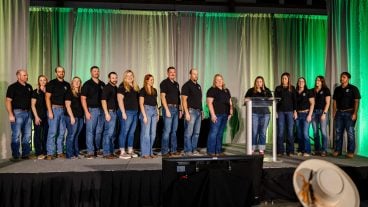
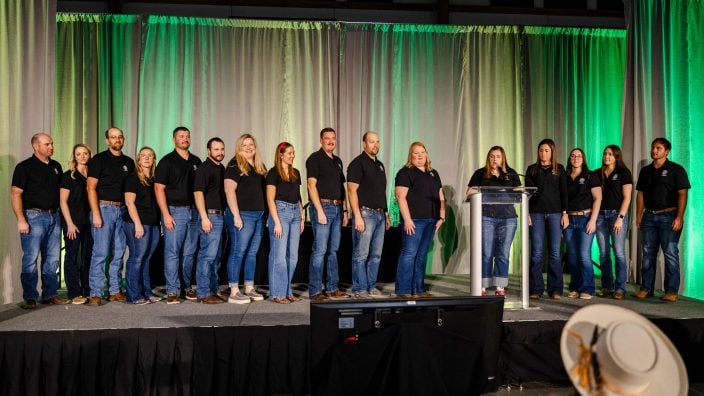
Members ages 18-34 who are interested in developing their leadership skills and enhancing programming for their peers should apply.
Read More

Senate Bill 328 is legislation designed to strengthen career-connected learning and better prepare students for Ohio’s workforce needs.
Read More
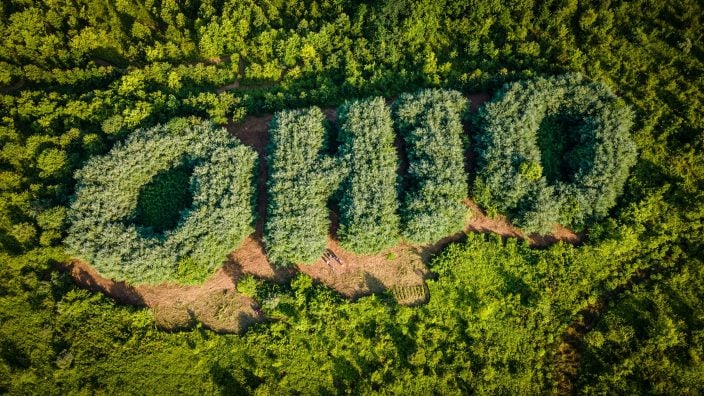
With the Family Forest Carbon Program, you can have a successful farm and get paid to grow healthy forests.
Read More
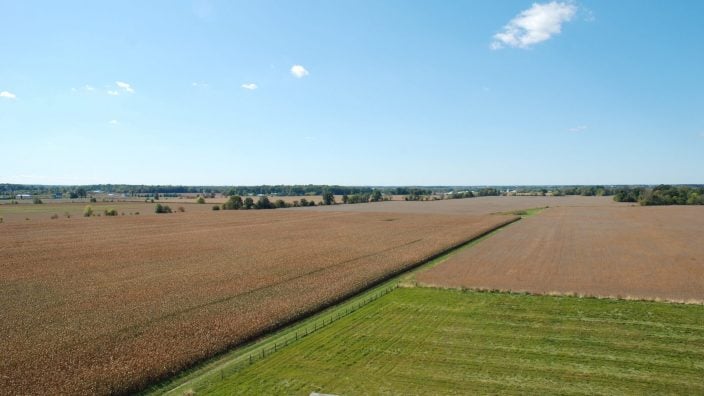
Ohio Farm Bureau recently sent a letter to Congress calling for the swift passage of the Farm, Food, and National Security Act of 2026 (HR 7567).
Read More
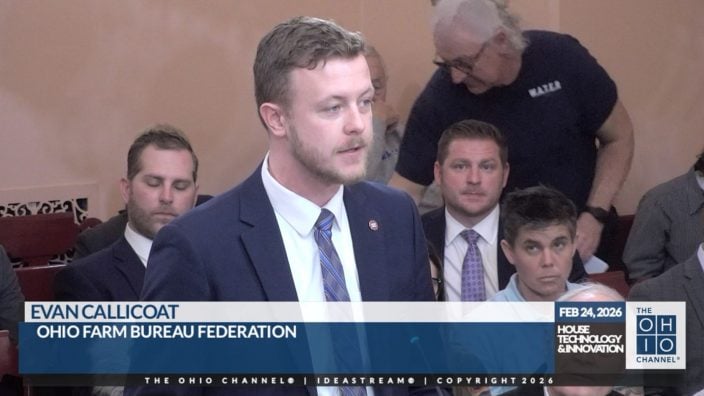
House Bill 646 would establish a Data Center Study Commission to examine the impact of rapid data center development across the state.
Read More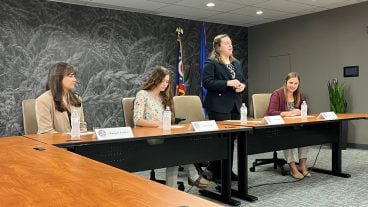
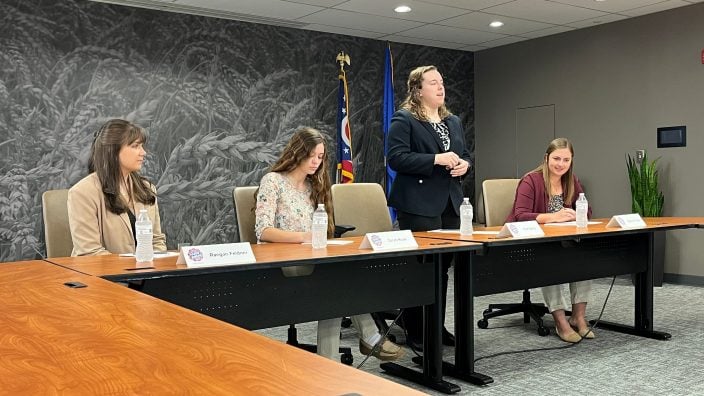
Collegiate Farm Bureau serves as a connection to current industry professionals and equips the next generation with the essential tools and resources needed to excel in their careers.
Read More

Ohio Farm Bureau members met one-on-one with state legislators and staff to discuss policy priorities impacting Ohio’s farms and rural communities.
Read More

Legacy nutrient deductions enable new farmland owners to claim deductions on the nutrients within the soil on which healthy crops depend.
Read More
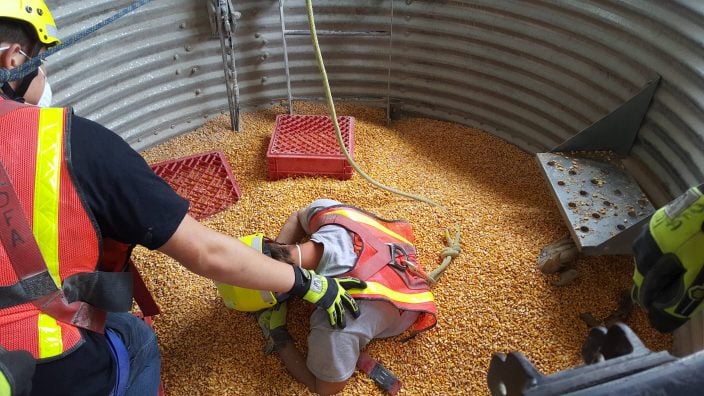
Farmers, agribusinesses and community members are encouraged to nominate their local fire departments for Nationwide’s Nominate Your Fire Department Contest through April 30.
Read More