




Applications for Ohio Farm Bureau Health Plans now available
Members have three ways to apply: contacting a certified agent, calling 833-468-4280 or visiting ohiofarmbureauhealthplans.org.
Read MoreSince we are now two months into 2019, I thought it might be of interest to examine some top issues facing farmers in 2019 as compiled by Successful Farmer.
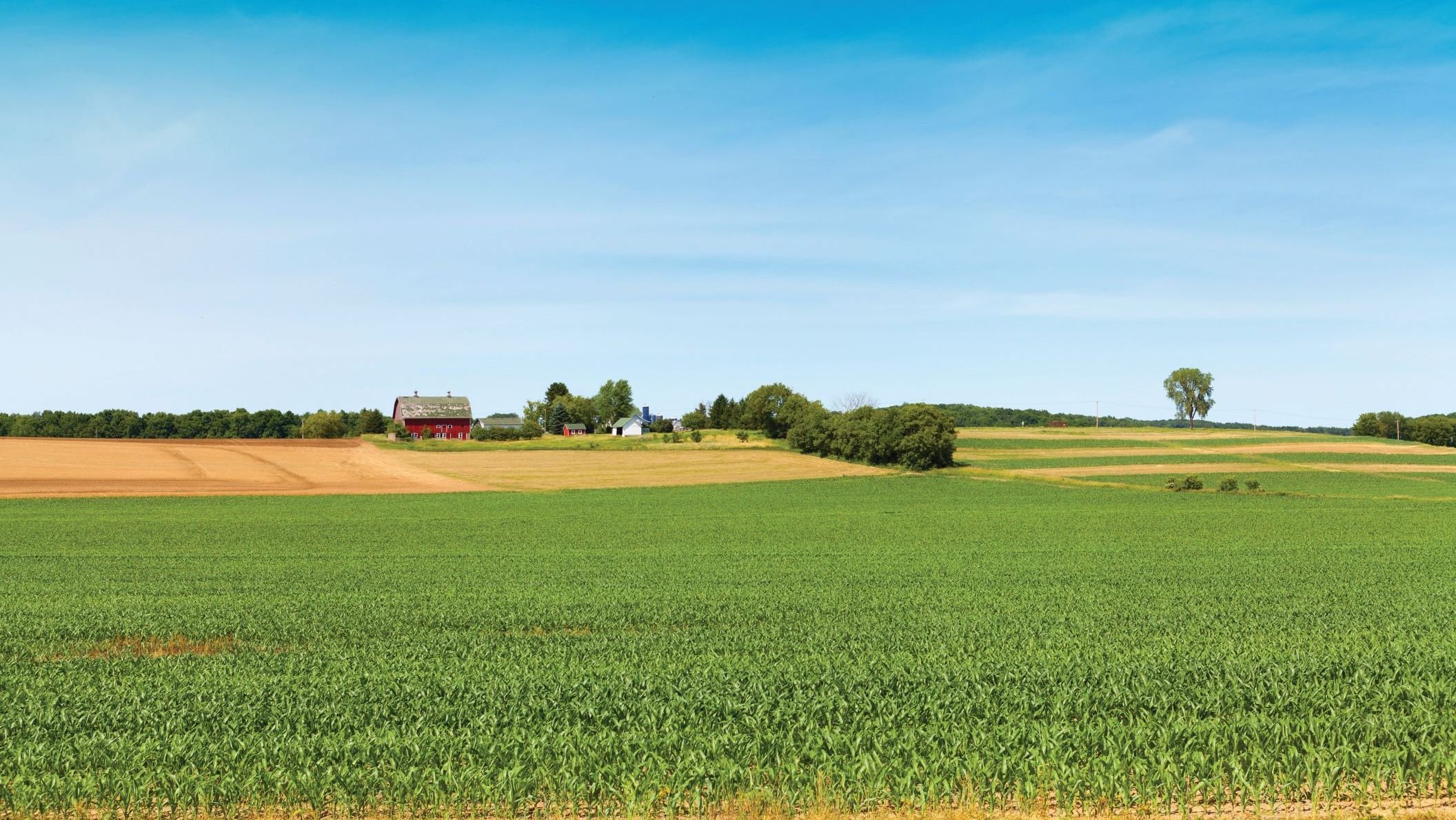
In this coming year, some incredibly important issues are facing farmers. These issues may be the difference between farmers being able to continue to farm and farm auctions, which are becoming too prevalent in society.
According to Successful Farmer, Sullivan Auctioneers in Hamilton, Ill., had 76 farm auctions the last two months of 2018. In these auctions, farmers were attempting to liquidate assets to either provide working capital or to leave agriculture.
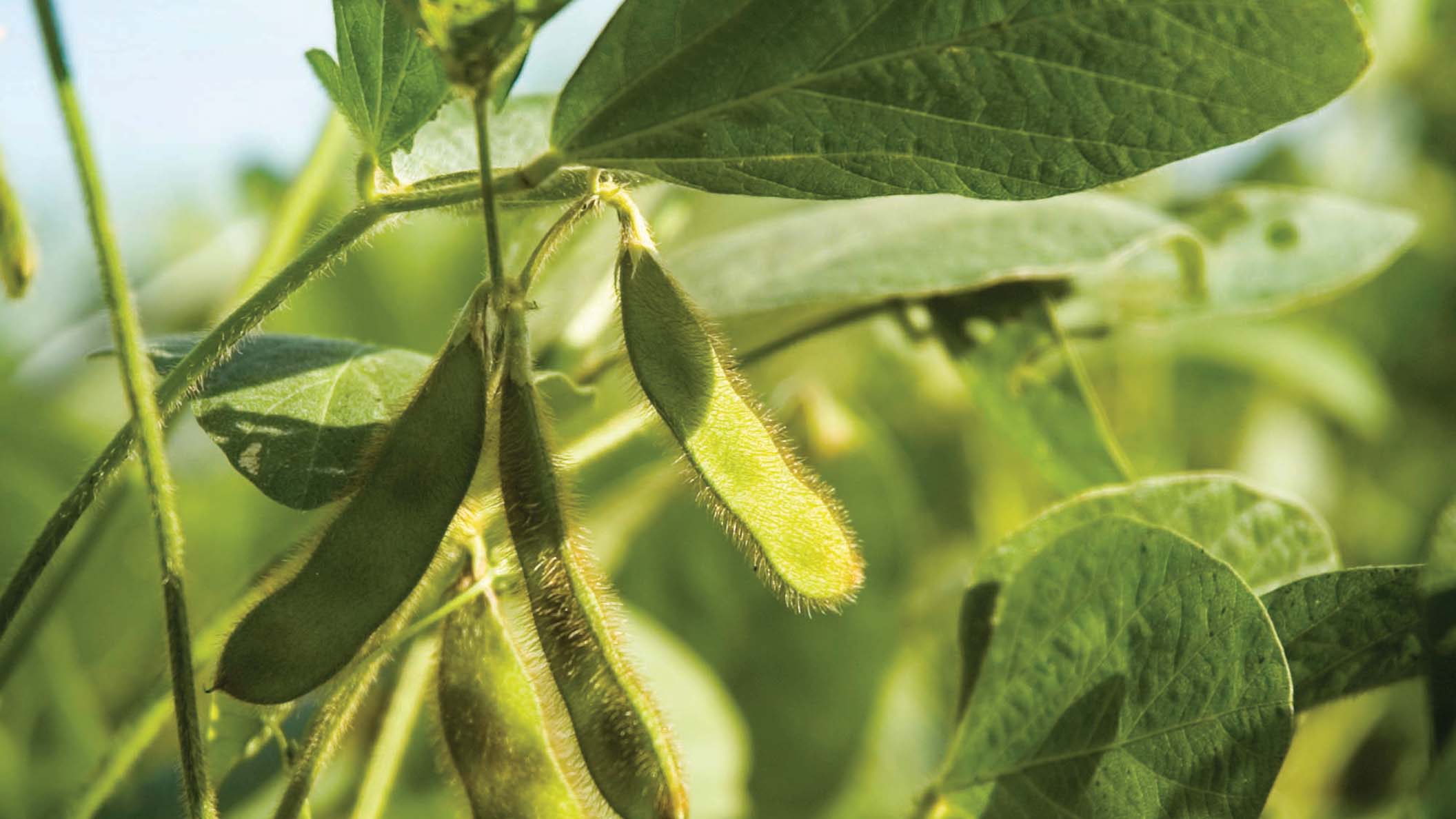
While this may not seem to be a major problem, for small farmers, corn is an expensive crop to grow because of its requirements of anhydrous ammonia, nutrient-rich soil, perfect weather conditions and water at appropriate times. Corn is not nearly as resilient as soybeans and is subject to the whims of weather more than soybeans. This means that erratic weather in areas of the country could put corn farmers in danger of severe crops losses or decreased yields.
The second issue is that almost 7 million acres in the Dakotas, Nebraska, and Minnesota will come out of soybean production and while some will switch to corn, many forecasters expect that farmers will turn to spring wheat. This means that during summer, some areas will lay fallow.
The United States Department of Agriculture projects there will be almost 1 million less acres in row-crop production than in 2018. Part of this issue arises in the ongoing feud with China over tariffs. This means because of decreased demands, parts of the Great Plains may once again become plains.
Third, our agricultural trading partners are rapidly changing. Where once China consumed the vast majority of our agricultural exports, especially soybeans, the tariff war has slowed their consumerism. Other countries like Mexico and the European Union have almost doubled their purchases. Argentina emerged as a third major consumer after China purchased the majority of Argentina’s soybeans to circumvent the U.S. tariffs. This political maneuvering affects almost half of U.S. soybeans and 21 percent of our corn production since this is the amount of each product we export. It is possible that this political maneuvering can help or hurt agricultural in a massive way.
Fourth, livestock production in the U.S. is continuing a five-year growth trend and it is expected to continue to rise. A livestock economist for Iowa State University predicts record beef production in 2019. This is excellent news for farmers since the U.S. exports approximately 12 percent of our beef and about 23 percent of our pork.
The same economist is also projecting that prices for livestock will rise, bringing more money into livestock farmers’ operations. Yet it is not just livestock prices rising, but also dairy prices. This is excellent news for the dairy industry, which has seen devastating losses in the last few years. As Lee Schulz, the Iowa State University economist said, “Prices can’t go much lower… unfortunately, a 5 percent gain does not offset the large losses we’ve seen over the last several years. The dairy industry has been tremendously tough times.” (Successful Farmer). While this is good news, for many, the relief is not nearly enough and comes too late.
Last but not least, and probably the crux of this whole article, is this issue: Too many farmers have lost their working capital and are faced with the incredibly difficult decision to take out loans against their farms or to sell their assets and retire. Since the average age of the American farmer is approximately 58.3 years, according to the Census of Agriculture, for many farmers it is not feasible to take on more debt and it makes more sense to sell the family farm and retire.
If this phenomenon continues, the U.S. may face even more serious economic impacts. Exports are responsible for almost 20 percent of U.S. farm income, drive rural economies and support more than one million American jobs (Farm Policy News).
While this may not be the heart-warming and fuzzy story you have come to expect from me, this is a topic that is near and dear to my heart. In 2019, I hope each and every one of my readers does their best to provide support to the American farmer by buying the goods that we produce.
Submitted by Christen Clemson, a member of the Trumbull County Farm Bureau who has completed her doctorate at the Pennsylvania State University. She and her family farm in Mecca Township.
OFBF Mission: Working together for Ohio farmers to advance agriculture and strengthen our communities.


Members have three ways to apply: contacting a certified agent, calling 833-468-4280 or visiting ohiofarmbureauhealthplans.org.
Read More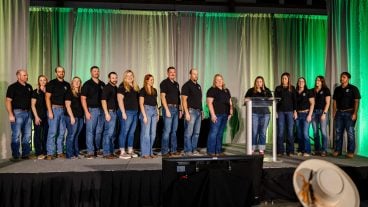
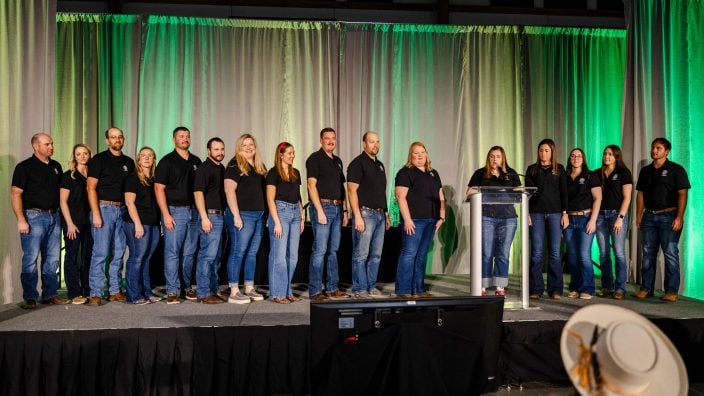
Members ages 18-34 who are interested in developing their leadership skills and enhancing programming for their peers should apply.
Read More

Senate Bill 328 is legislation designed to strengthen career-connected learning and better prepare students for Ohio’s workforce needs.
Read More
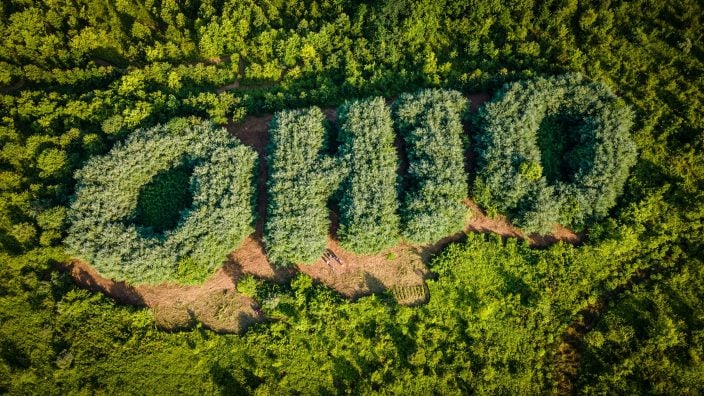
With the Family Forest Carbon Program, you can have a successful farm and get paid to grow healthy forests.
Read More
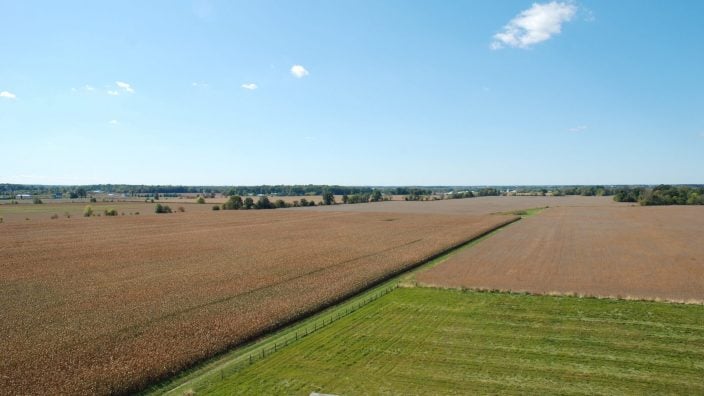
Ohio Farm Bureau recently sent a letter to Congress calling for the swift passage of the Farm, Food, and National Security Act of 2026 (HR 7567).
Read More
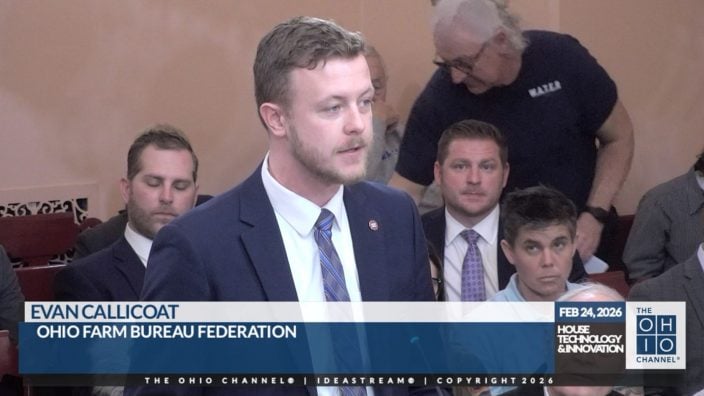
House Bill 646 would establish a Data Center Study Commission to examine the impact of rapid data center development across the state.
Read More

Collegiate Farm Bureau serves as a connection to current industry professionals and equips the next generation with the essential tools and resources needed to excel in their careers.
Read More

Ohio Farm Bureau members met one-on-one with state legislators and staff to discuss policy priorities impacting Ohio’s farms and rural communities.
Read More
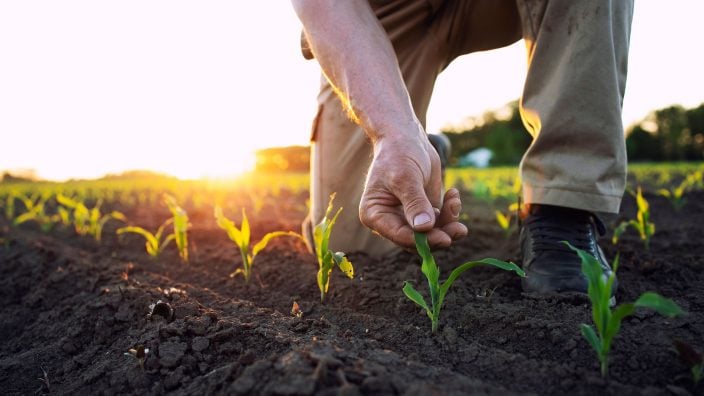
Legacy nutrient deductions enable new farmland owners to claim deductions on the nutrients within the soil on which healthy crops depend.
Read More
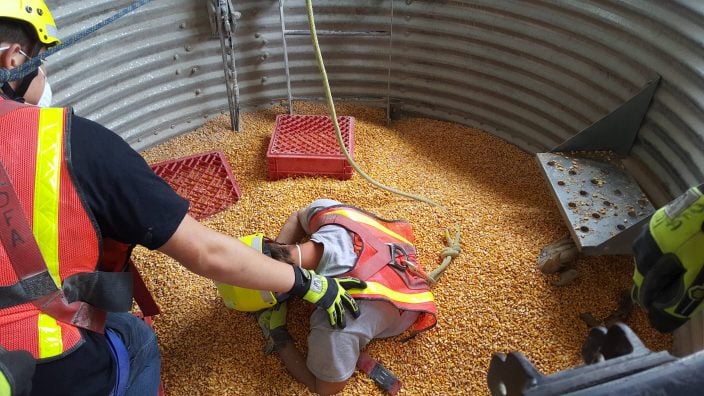
Farmers, agribusinesses and community members are encouraged to nominate their local fire departments for Nationwide’s Nominate Your Fire Department Contest through April 30.
Read More