



Applications for Ohio Farm Bureau Health Plans now available
Members have three ways to apply: contacting a certified agent, calling 833-468-4280 or visiting ohiofarmbureauhealthplans.org.
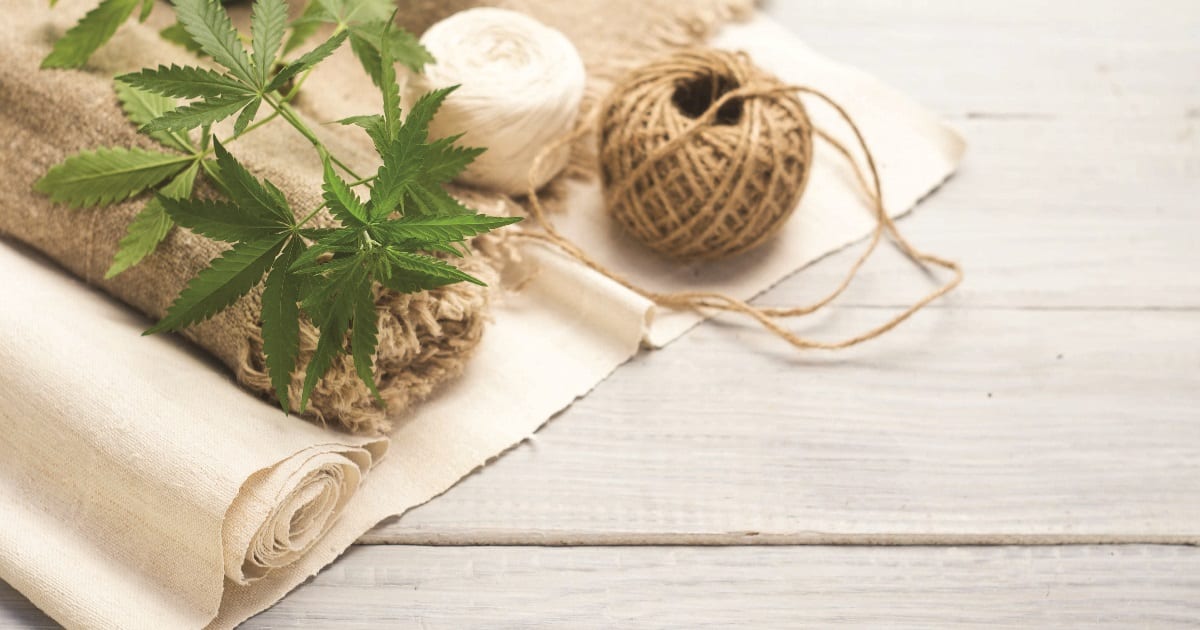
Read MoreYes, the 2018 Farm Bill, signed into law in December, removed hemp from its illegal classification under the Controlled Substances Act. But, no, that doesn’t mean farmers can start planting the crop just yet.
Ohio Senate Bill 57, introduced by Sen. Brian Hill and Sen. Stephen Huffman, proposes to legalize hemp cultivation and processing in the state, as well as legalize the sale of hemp-derived products like CBD oil. The legislation was referred to the Senate Agriculture and Natural Resources Committee in late February.
“Farmers are always looking for new options to diversify their operations,” said Adam Sharp, Ohio Farm Bureau executive vice president. “We applaud Senator Hill for introducing legislation to help bring industrial hemp to Ohio and to allow farmers to explore the potential of this quickly growing market opportunity.”
It will take a while before growing hemp is legal in Ohio, according to Tony Seegers, OFBF director of state policy. The proposed bill also aims to establish a licensing program to be regulated by the Ohio Department of Agriculture.
“This takes legislation,” Seegers said. “The state has to formulate its own plan and then submit it to the USDA for approval. Once approved, licensed Ohio farmers will be able to grow hemp. We look forward to continuing to work on this issue with our legislators.”
Policy in support of hemp cultivation in Ohio was adopted by Ohio Farm Bureau Federation last year.
(Editor’s Note: The Ohio Department of Agriculture Hemp Program will begin accepting license applications from potential cultivators and processors for the 2020 growing season on March 3 at noon. All cultivators and processors are required to obtain a license and can apply online at www.agri.ohio.gov
at that time.)
Hemp, now legal in Ohio, and its illegal cousin marijuana are species of cannabis, but they have different properties. Marijuana contains much more tetrahydrocannabinol (THC) than hemp. THC is the part of a cannabis plant that can cause a psychoactive effect in certain concentrations, but hemp plants generally do not contain enough THC to produce a “high” and its properties can be used in a large variety of products.
Source: OSU Extension Farm Office


Members have three ways to apply: contacting a certified agent, calling 833-468-4280 or visiting ohiofarmbureauhealthplans.org.
Read More

Gripp is launching a 60-day cohort in mid-January for Ohio Farm Bureau members, offering discounted access to its asset-tracking app.
Read More
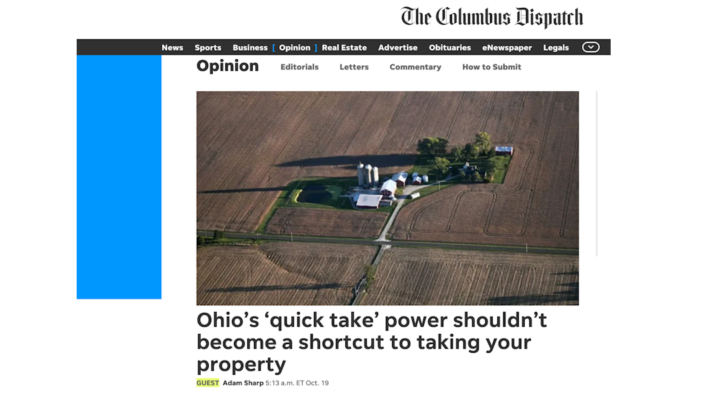
Ohio Farm Bureau recently published an op-ed in The Columbus Dispatch highlighting the importance of protecting private property rights as discussions continue around expanding eminent domain powers in Ohio.
Read More
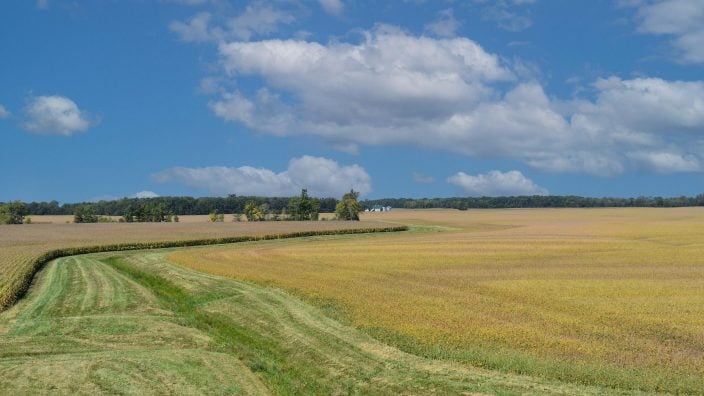
These discussions should not begin and end with a developer’s offer. Identifying family goals now gives the family something to plan around.
Read More
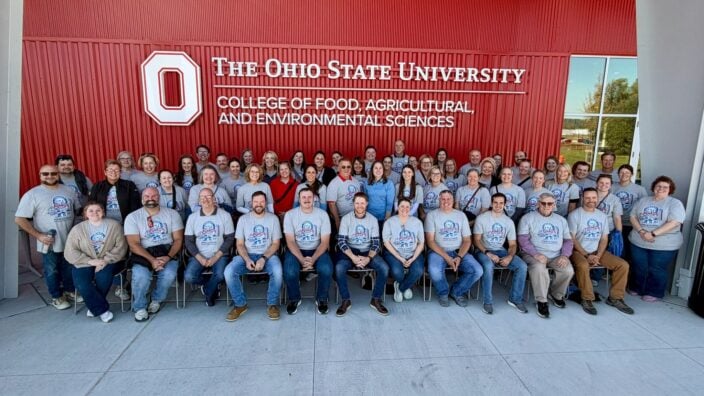
Ohio Farm Bureau joined leaders from across Ohio’s food and agriculture industry this week to pack 10,000 meals for central…
Read More
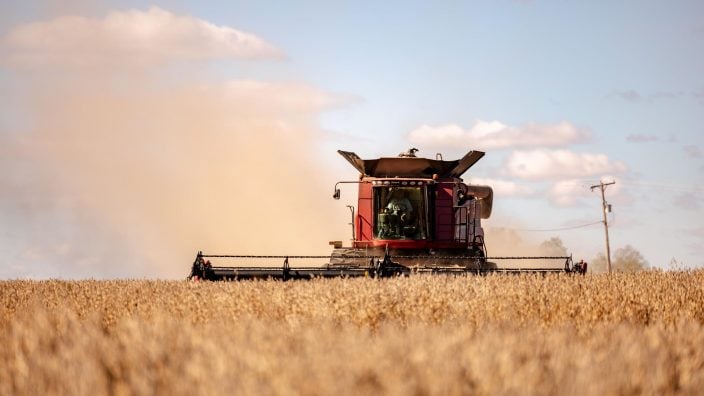
The administration recently issued an executive order easing restrictions on the use of tax-exempt dyed diesel fuel for on-road agricultural transportation.
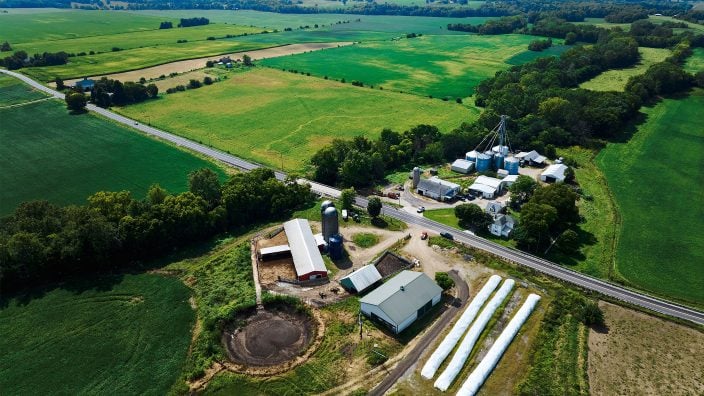
Read More
Ohio Farm Bureau Associate General Counsel Leah Curtis explains how the eminent domain process works in Ohio, what ‘quick take’ means and when it can be used.
Read More
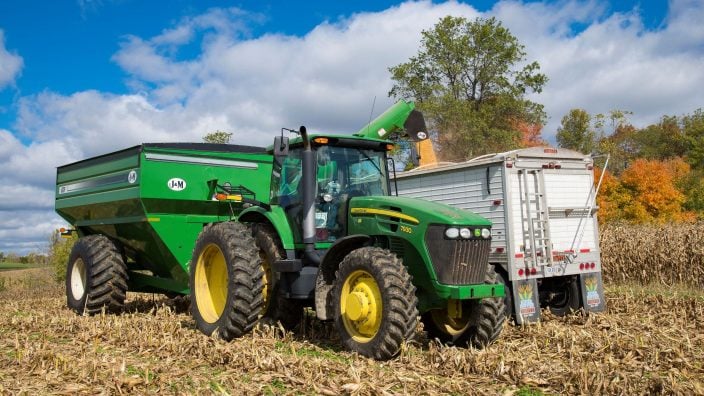
As fuel prices skyrocket across the state, lawmakers are preparing to return to the Statehouse to vote on the temporary suspension of Ohio’s gas tax.
Read More
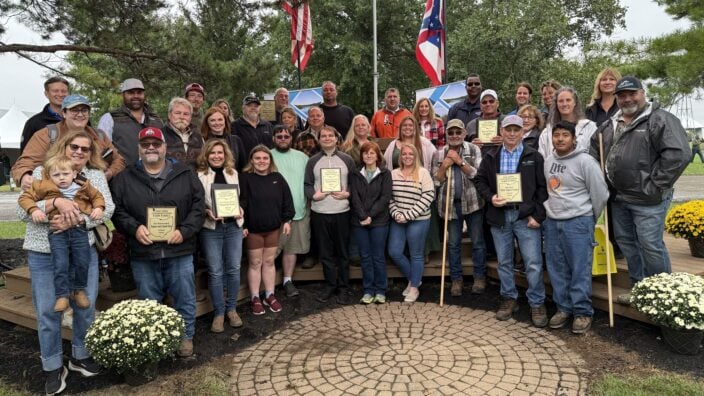
Since 1984, the Conservation Farm Family Awards program has recognized Ohio farm families for their exemplary efforts conserving soil, water, woodland, wildlife, and other natural resources.
Read More
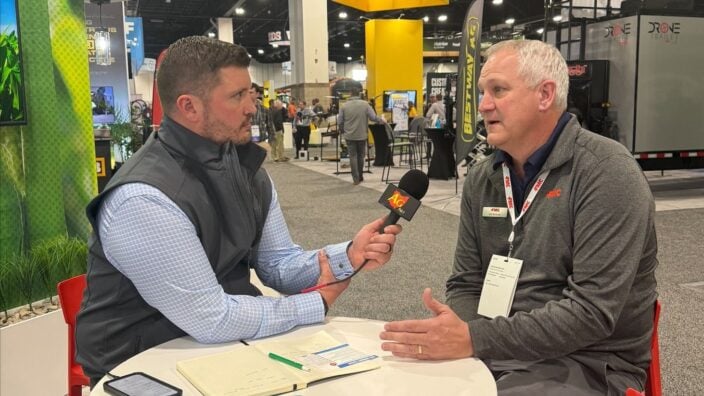
Meet Joe Everett, a Shelby County Farm Bureau Young Ag Professional who has dedicated his life to service, both in uniform and within his local community.
Read More