



Applications for Ohio Farm Bureau Health Plans now available
Members have three ways to apply: contacting a certified agent, calling 833-468-4280 or visiting ohiofarmbureauhealthplans.org.
Read MoreApril showers bring May flowers … and the wonderful smells of spring. If you live near a farm, you may not like some of the spring smells coming from that farm.
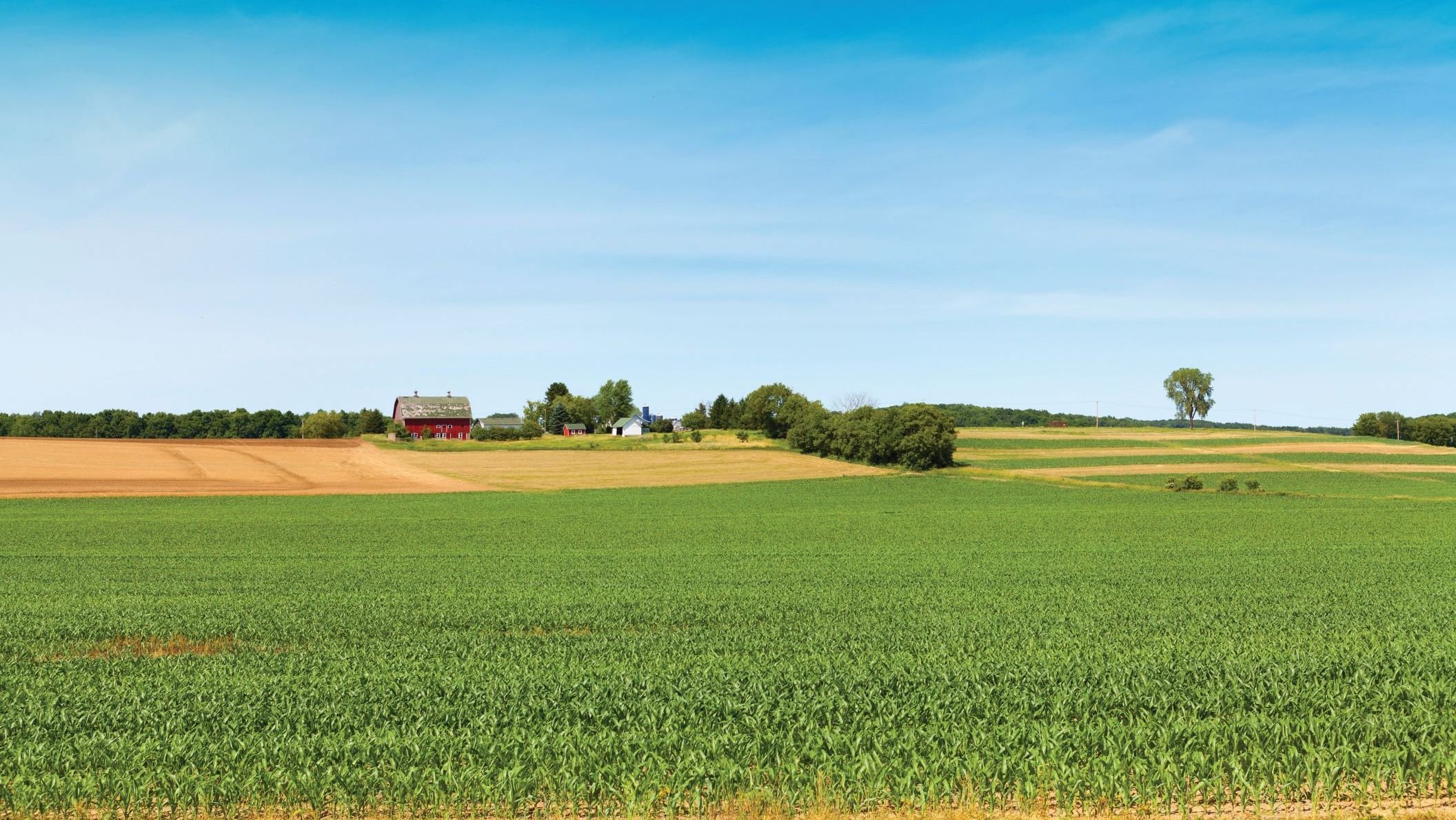
Spring cleaning of barns and manure storage has to be done. I’ll agree that spreading animal waste isn’t the most pleasant thing, but to a farmer, it has economic value when managed properly.
Most of the animal waste / manure will be spread on ground that will be planted with corn and wheat to match the nutrient demands of these crops, potassium being the greatest. Other commonly grown crops in the county are soybeans and alfalfa, which are legume crops. These crops have less demand for added nutrients because they create their own nitrogen.
Timing is a big factor. Before wheat and corn are planted, manure is spread on these fields very close to planting time. The manure is incorporated into the soil, holding the nutrients until the corn and wheat can use it. This reduces the need for commercial fertilizers.
Another timing factor is the moisture of the soil. The amount of manure applied is limited by the available water-holding capacity of the soil. It would be nice if the work of spreading could be spread out, but that is not usually the way it goes. Farmers pray for the warmer, drier weather to be able spread the manure, finish all the prep work and plant the seed, and pray for the right amount of rain and sun to make the plants grow.
I believe farmers are the ultimate environmentalists. They have to manage the application of manure and everything else they do to ensure that there is not a negative impact on the environment.
Agricultural research is continually being done. You don’t have to look hard to find someone who is quick to blame agriculture for the current health of Lake Erie. Farmers in Ohio are being proactive, allowing researchers access to their farms for long-term study. Right now, they are focusing on four conservation strategies at demonstration farms that appear to help reduce nutrient and sediment loss.
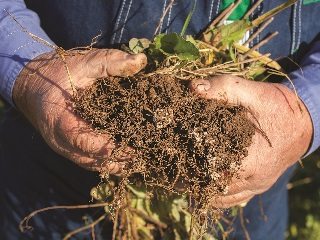
One farm explores the usage of nutrient management plans, zone or grid soil sampling and yield mapping, using these practices to ensure that farmers adhere to tri-state fertility guide recommendations. Another demonstration farm is looking at improving soil health through the use of no-till planting (planting without the use of conventional plowing) and the use of cover crops during non-growing seasons.
Another farm is looking at incorporation techniques of added nutrients. The fourth demonstration farm really looks at how the water that travels across and through a farm field influences the form and amount of phosphorus it carries.
The agricultural industry is concerned about protecting the environment and is willing to change its practices in order to do so. Are you willing to consider what you might be doing to negatively impact the environment?
Is your septic system working properly? Do you really need to “weed and feed” your lawn? Do you reduce, reuse and recycle? How many miles do you travel each year by car? By plane?
There is something you can change that will reduce your negative impact on the environment.
Submitted by Mary Smallsreed, a member of the Trumbull County Farm Bureau who grew up on a family dairy farm in northeast Ohio.
OFBF Mission: Working together for Ohio farmers to advance agriculture and strengthen our communities.


Members have three ways to apply: contacting a certified agent, calling 833-468-4280 or visiting ohiofarmbureauhealthplans.org.
Read More
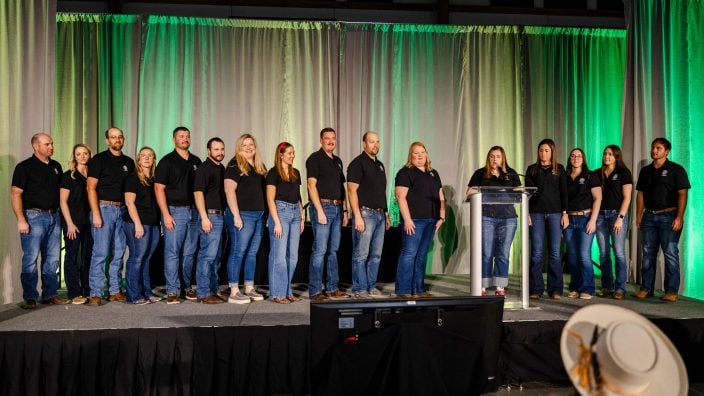
Members ages 18-34 who are interested in developing their leadership skills and enhancing programming for their peers should apply.
Read More

Senate Bill 328 is legislation designed to strengthen career-connected learning and better prepare students for Ohio’s workforce needs.
Read More
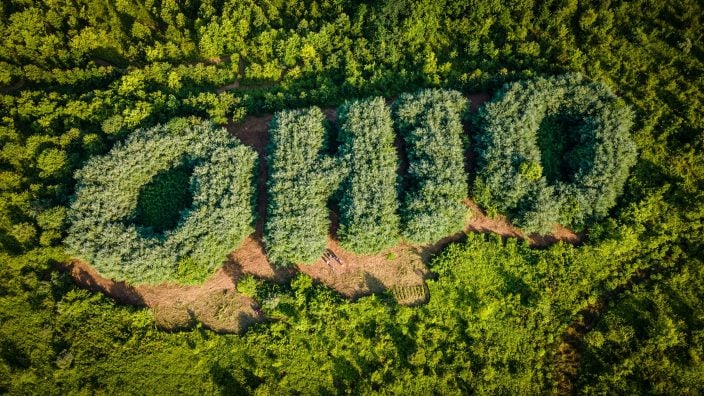
With the Family Forest Carbon Program, you can have a successful farm and get paid to grow healthy forests.
Read More
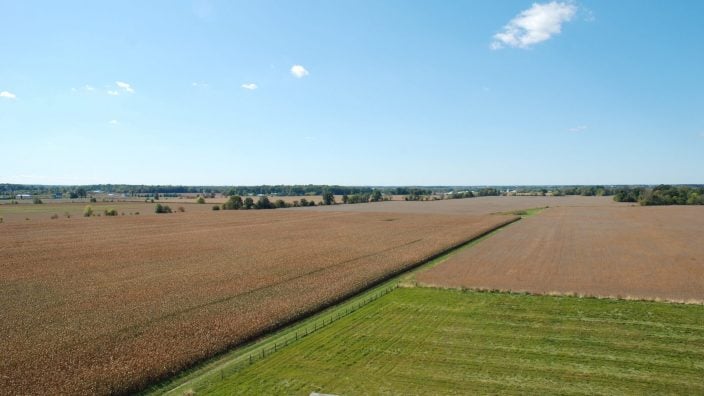
Ohio Farm Bureau recently sent a letter to Congress calling for the swift passage of the Farm, Food, and National Security Act of 2026 (HR 7567).
Read More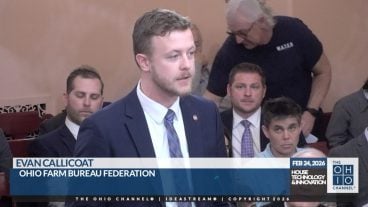
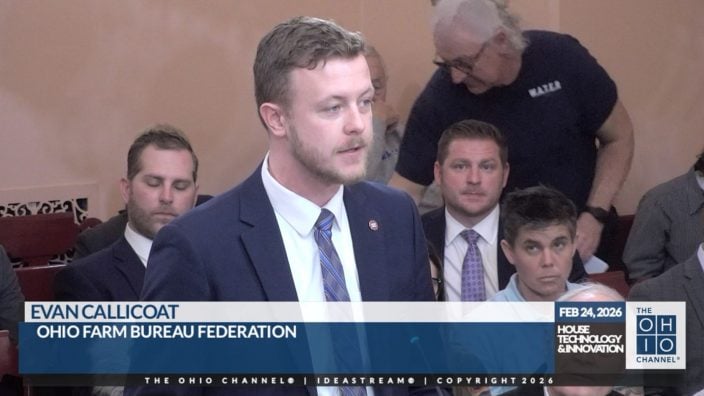
House Bill 646 would establish a Data Center Study Commission to examine the impact of rapid data center development across the state.
Read More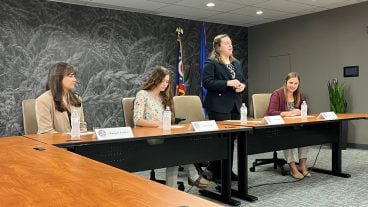
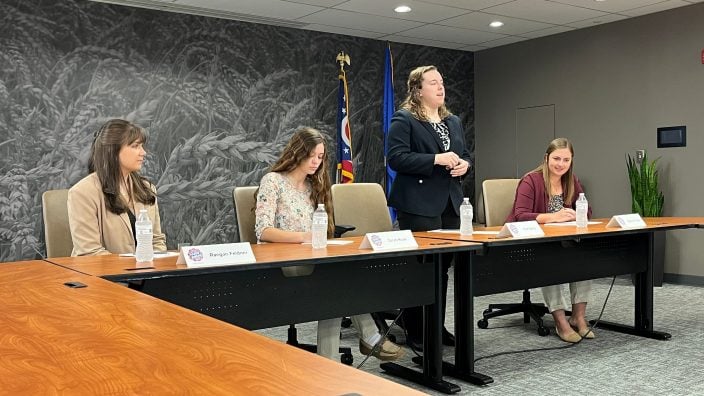
Collegiate Farm Bureau serves as a connection to current industry professionals and equips the next generation with the essential tools and resources needed to excel in their careers.
Read More

Ohio Farm Bureau members met one-on-one with state legislators and staff to discuss policy priorities impacting Ohio’s farms and rural communities.
Read More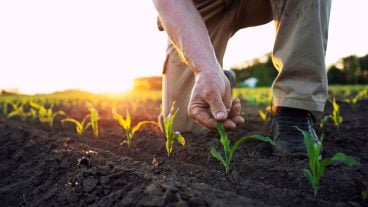
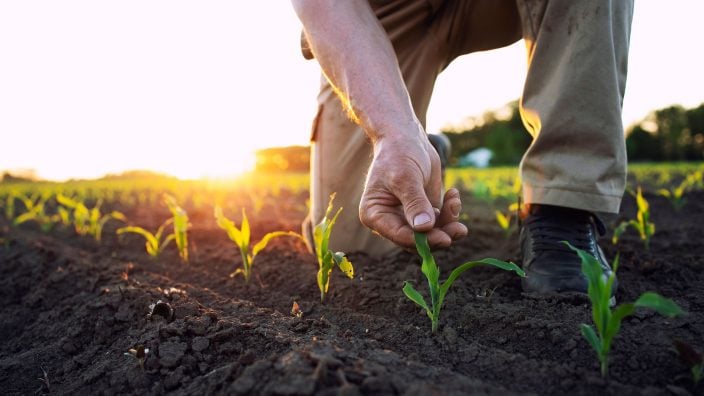
Legacy nutrient deductions enable new farmland owners to claim deductions on the nutrients within the soil on which healthy crops depend.
Read More
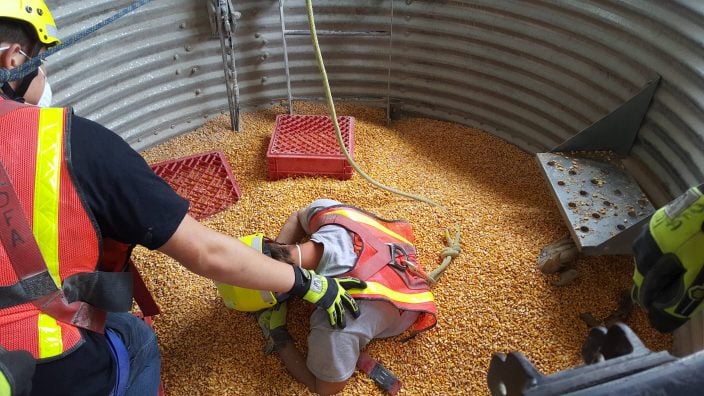
Farmers, agribusinesses and community members are encouraged to nominate their local fire departments for Nationwide’s Nominate Your Fire Department Contest through April 30.
Read More