



Applications for Ohio Farm Bureau Health Plans now available
Members have three ways to apply: contacting a certified agent, calling 833-468-4280 or visiting ohiofarmbureauhealthplans.org.
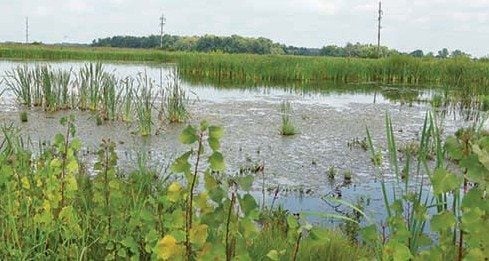
Read MoreI have been thinking of writing about water quality all summer, and today is the day. I don’t claim to have the solution to the algal blooms in Lake Erie, but I would like to share a perspective that the mainstream media seems to miss.
I had reason to travel the turnpike from Warren to Toledo several times this spring. I drove through Streetsboro, the southern suburbs of Cleveland, North Ridgeville, Avon, Elyria, Lorain, Amherst and Vermilion. It always seems like there is new construction in these metropolitan areas.
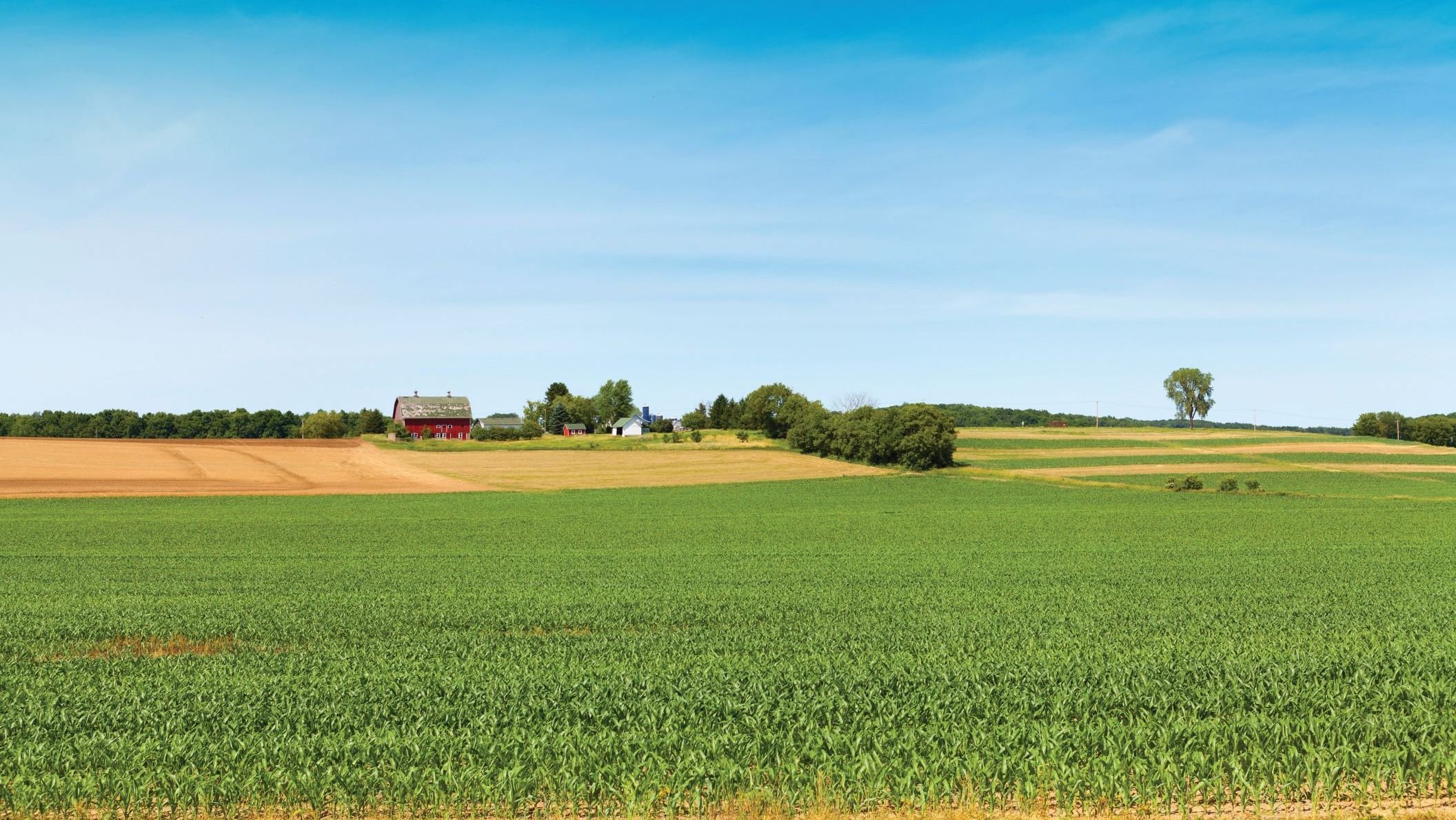
Once I got past these areas, I started to see more and more agricultural land, especially along the south side of the turnpike. This part of Ohio has always had more farmed acreage. The fields and equipment are bigger than what my family has in Trumbull and Geauga counties. I love to see the fields being tilled, planted and growing.
But there was very little of that during my May trips. The wheat was flooded. Tractors were still because most of the other fields were flooded as well.
I’m sure you have heard and read about the severe weather that has left much of northwestern Ohio unplanted this year. That also means that far less manure and fertilizer were applied, which some say is the solution to the algal bloom problem in Lake Erie. Yet still, the problem remains with the National Oceanic and Atmospheric Administration forecasting the third- or fourth-largest algal bloom on record.
Adam Sharp, executive vice president of the Ohio Farm Bureau, summed it up well: “The disconnect between bloom size and nutrient use demonstrates that reducing farming’s impact on water quality is a complex undertaking, which is why farm organizations are funding research into all pieces of the puzzle. These include dealing with phosphorus that has been in the ecosystem for years, unprecedented rainfall events and yes, managing nutrients to both benefit crops and protect water quality.”
I keep coming back to my travels on the turnpike seeing the ever-growing communities. There are more people living along the shores of Lake Erie than ever before. More pavement and storm drains than ever before. Water is getting to the lake faster than ever. This too, plays a part in water quality.
What strong cleaner did you use to wash that particularly dirty item in your driveway and is now entering the storm drain?
Oh, shoot, it unexpectedly rained right after the lawn care company just applied “weed and feed” to your yard and now phosphorus is headed for the stream. Or maybe you applied the fertilizer yourself, thinking, “I don’t really need to measure.”
Animal waste from our pets, dirt, cut grass, leaves and debris are major pollutants and should be prevented from entering storm drains and streams. Oh, and don’t flush unused medications!
I don’t like playing the “blame game” because it generally doesn’t get us anywhere. There are ways we can each help. Farmers are participants in trying to find solutions for water quality. Are you?
Submitted by Mary Smallsreed, a member of the Trumbull County Farm Bureau who grew up on a family dairy farm in northeast Ohio.
OFBF Mission: Working together for Ohio farmers to advance agriculture and strengthen our communities.


Members have three ways to apply: contacting a certified agent, calling 833-468-4280 or visiting ohiofarmbureauhealthplans.org.
Read More
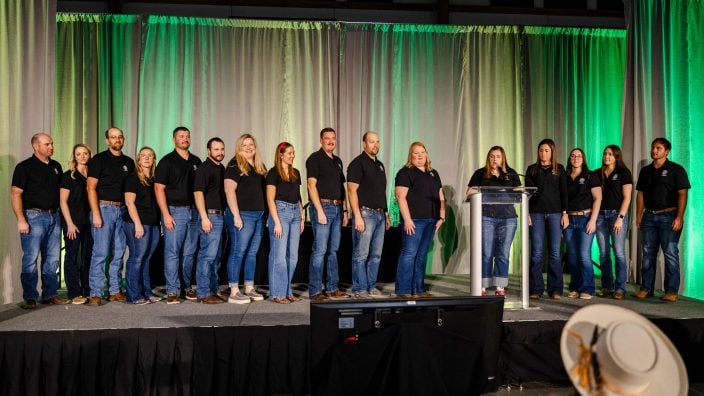
Members ages 18-34 who are interested in developing their leadership skills and enhancing programming for their peers should apply.
Read More

Senate Bill 328 is legislation designed to strengthen career-connected learning and better prepare students for Ohio’s workforce needs.
Read More
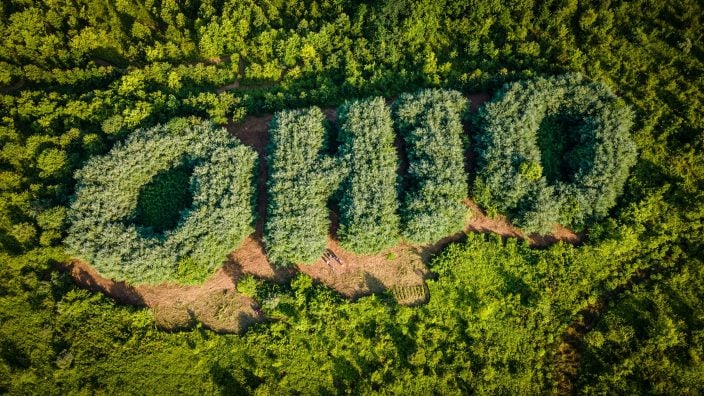
With the Family Forest Carbon Program, you can have a successful farm and get paid to grow healthy forests.
Read More
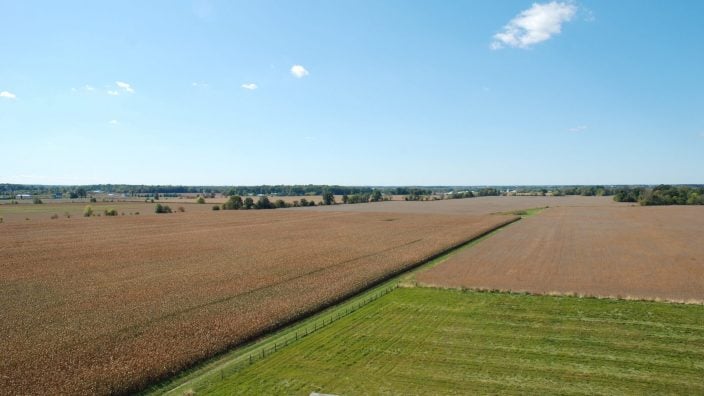
Ohio Farm Bureau recently sent a letter to Congress calling for the swift passage of the Farm, Food, and National Security Act of 2026 (HR 7567).
Read More
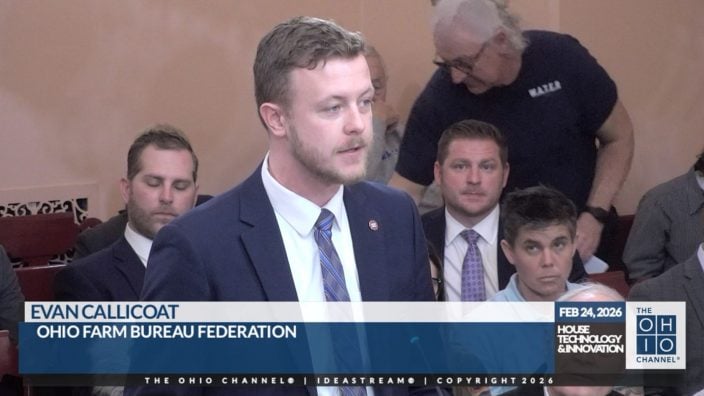
House Bill 646 would establish a Data Center Study Commission to examine the impact of rapid data center development across the state.
Read More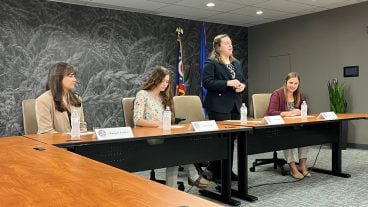
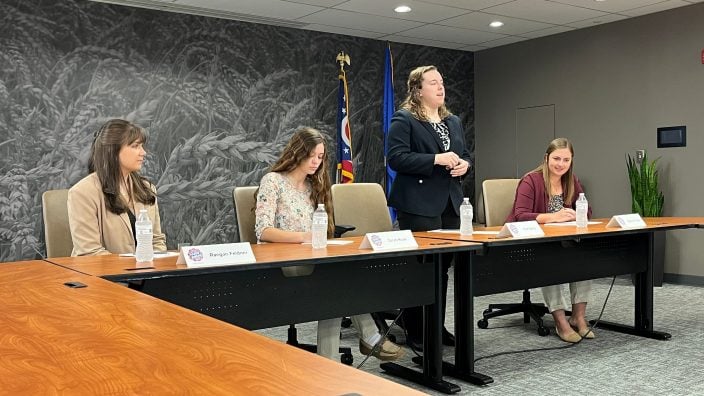
Collegiate Farm Bureau serves as a connection to current industry professionals and equips the next generation with the essential tools and resources needed to excel in their careers.
Read More

Ohio Farm Bureau members met one-on-one with state legislators and staff to discuss policy priorities impacting Ohio’s farms and rural communities.
Read More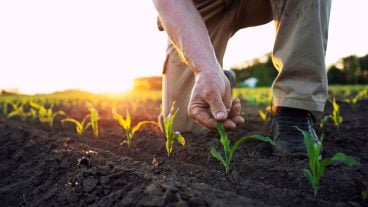
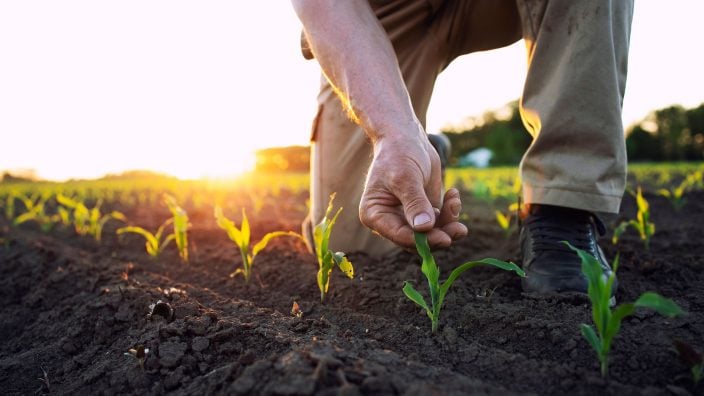
Legacy nutrient deductions enable new farmland owners to claim deductions on the nutrients within the soil on which healthy crops depend.
Read More
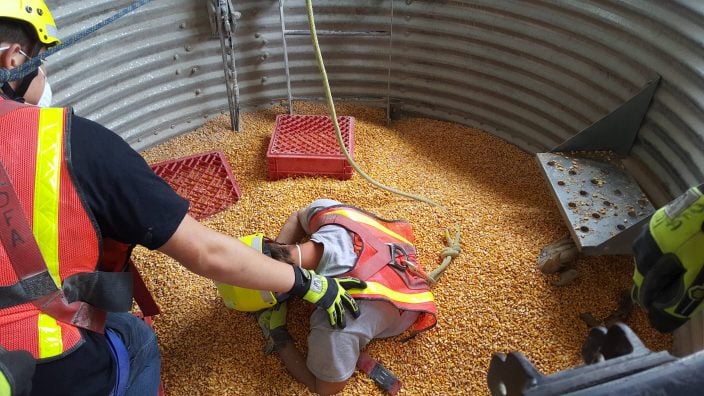
Farmers, agribusinesses and community members are encouraged to nominate their local fire departments for Nationwide’s Nominate Your Fire Department Contest through April 30.
Read More