


Applications for Ohio Farm Bureau Health Plans now available
Members have three ways to apply: contacting a certified agent, calling 833-468-4280 or visiting ohiofarmbureauhealthplans.org.
Read MoreThe month of December saw the AgriPOWER class meet in Chillicothe, Ohio for its fifth session. On the first day of this session, we covered a wide array of topics including conflict management, Ohio dairies and their industry, nutrient management and Ohio’s timber industry. While all of these topics are pertinent issues in Ohio’s agricultural industry, the latter two really sparked my interest.
I previously spent a few years in Pennsylvania working with farmers and producers with relation to Pennsylvania’s Nutrient Management Program and its associated requirements. Being that the region I was located in was within the Chesapeake Bay Watershed (which has seen its share of ‘impairments,’ specifically in recent years), agriculture was under the microscope and most farmers and applicators had to implement specific Best Management Practices (BMPs) in order to minimize any potential nutrient runoff that would contribute to the degradation of waterways and water quality.
As we visited both a dairy and a nutrient applicator, it was great to hear how proactive and progressive both farmers and business owners are, having already instituted numerous BMPs on their own. In today’s age of ‘information,’ it seems as though there is often a negative connotation with farmers/agriculture and nutrients in particular, some of which might even insinuate that farmers simply ‘don’t care about the environment and only focus on their operation’…but that could not be further from the truth.
Moreover, farmers (and Ohio Farm Bureau) are taking initiative on such ‘hot button issues:’ enter the Blanchard River Demonstration Farms. Ohio Farm Bureau has partnered with other agencies and with farmers themselves (located in the Western Lake Erie Basin Watershed), to study and monitor the effects that various farming and conservation practices have in regards to limiting nutrient runoff from agricultural ground which could potentially have adverse effect on the water quality in Lake Erie (and ultimately, any body of water in the state).
These types of real, boots-on-the-ground studies are absolutely critical for addressing such environmental concerns and through them, being able to provide information and technical support to farmers/landowners while still maintaining realistic and sustainable agricultural production goals for Ohio’s No. 1 industry.
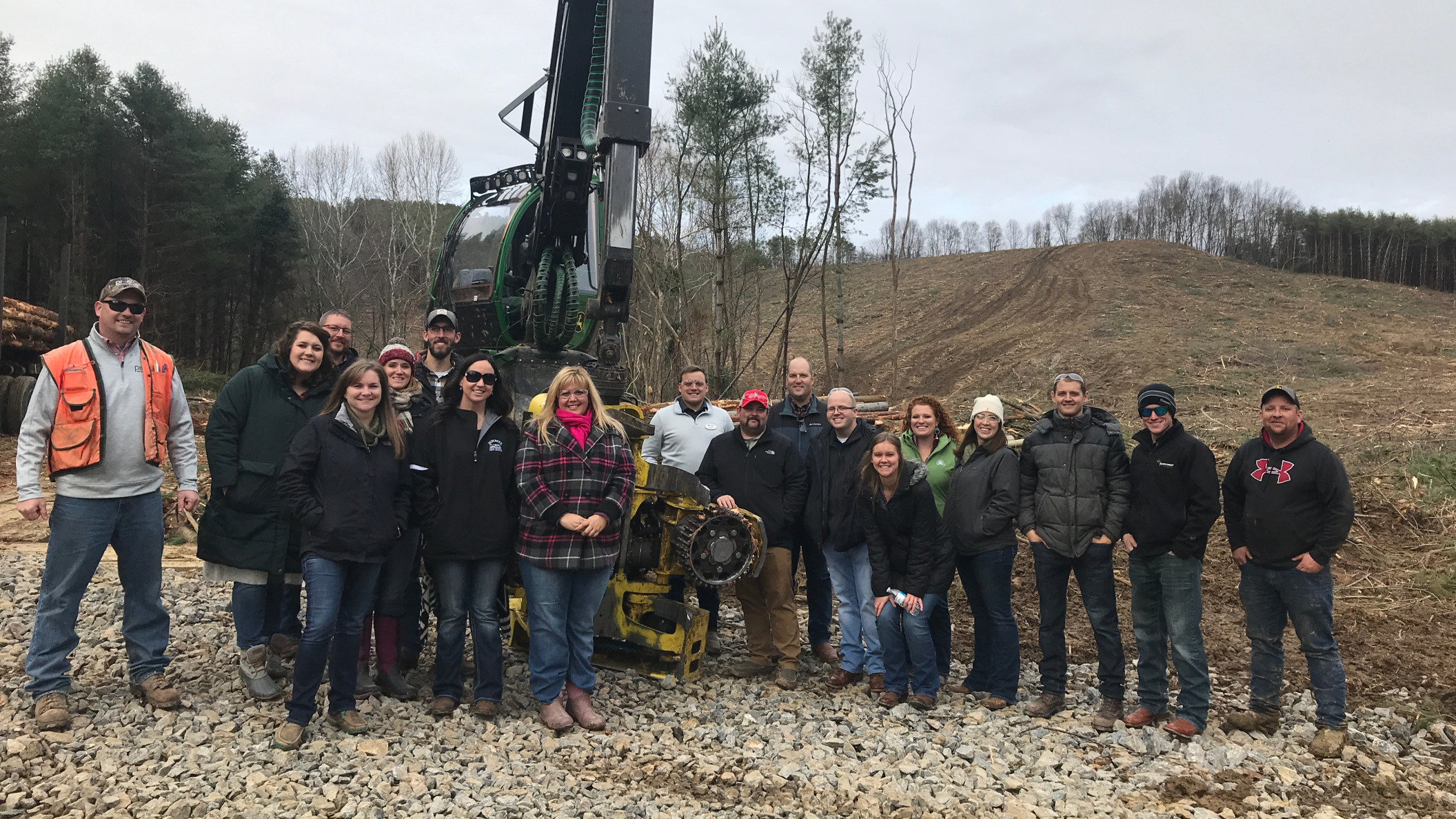
We also had the opportunity to hear about Ohio’s timber/wood products industry which is of particular prominence in the southern and eastern parts of the state. While it might not be the first thing to come to mind when ‘agriculture’ is mentioned, the timber industry contributes more than $15 billion to Ohio’s economy and over 119,000 associated jobs. Being that over 87% of Ohio’s forests are privately owned, it is important for farmers/landowners to understand the value of their woodlands and proper management to ensure the best possible product, the best price and practices that assist with the ability for their woodlands to be utilized as a long-term, sustainable crop. We were fortunate enough to visit a logging operation where we were able to speak with both the forester and the logging crew to learn about how the logging process has evolved (for this crew, in particular), how technology has been incorporated, and the steps that all parties are taking to protect soil, water, and timber quality on these operations.
The last day of this session included a varied list of topics as well: policy, mental health, sustainable agriculture and a discussion with organic producers. All of these topics had great discussion and provided beneficial insight, but I think what struck me most was the topic of mental health. This topic has come to the forefront recently across all walks of life, but seemed to be lacking in the agricultural community in particular. It was a great opportunity to hear how an individual recognized an issue, took action, and has worked with organizations like Ohio Farm Bureau and the Ohio Department of Agriculture to help end the stigma of mental health in agriculture and has used the opportunity as a catalyst to help others in such sensitive situations.
This session covered a broad range of topics within the agricultural industry and left me with a great sense of progress and hope for our industry, its members and for future generations.
Plan for the Future: AgriPOWER Session 5 blog by Matt McFadden


Members have three ways to apply: contacting a certified agent, calling 833-468-4280 or visiting ohiofarmbureauhealthplans.org.
Read More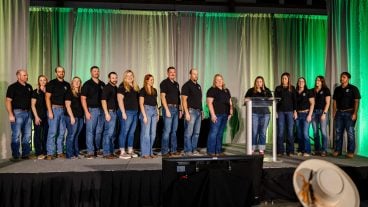
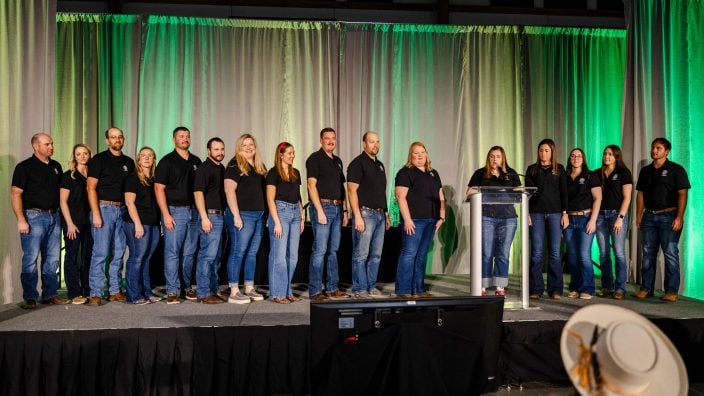
Members ages 18-34 who are interested in developing their leadership skills and enhancing programming for their peers should apply.
Read More
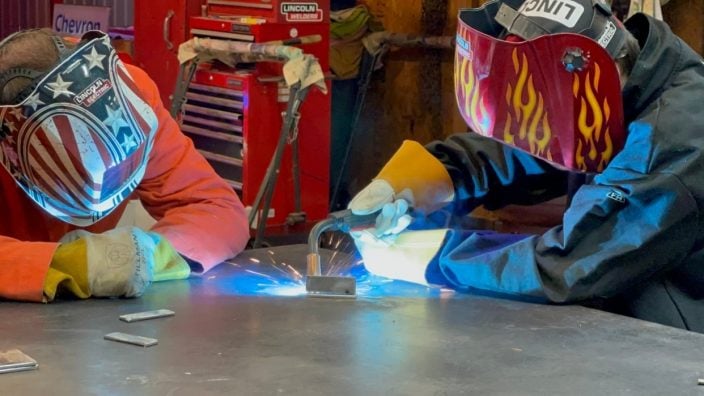
Senate Bill 328 is legislation designed to strengthen career-connected learning and better prepare students for Ohio’s workforce needs.
Read More
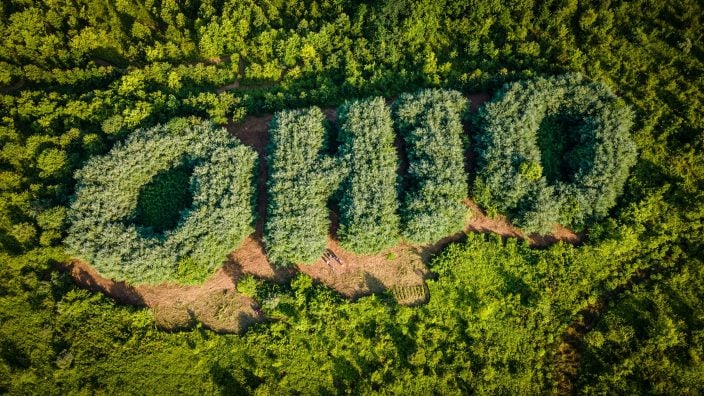
With the Family Forest Carbon Program, you can have a successful farm and get paid to grow healthy forests.
Read More
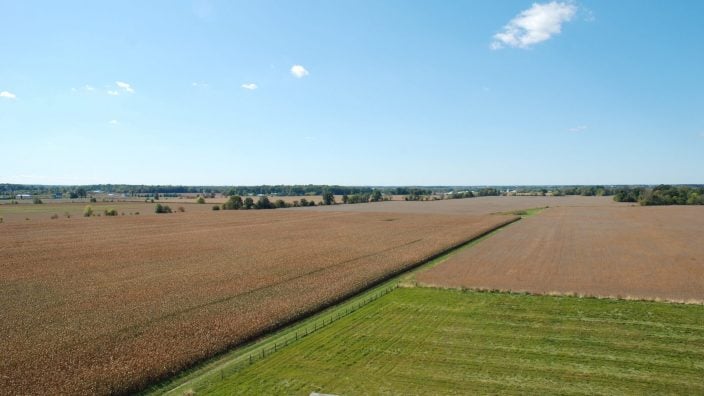
Ohio Farm Bureau recently sent a letter to Congress calling for the swift passage of the Farm, Food, and National Security Act of 2026 (HR 7567).
Read More
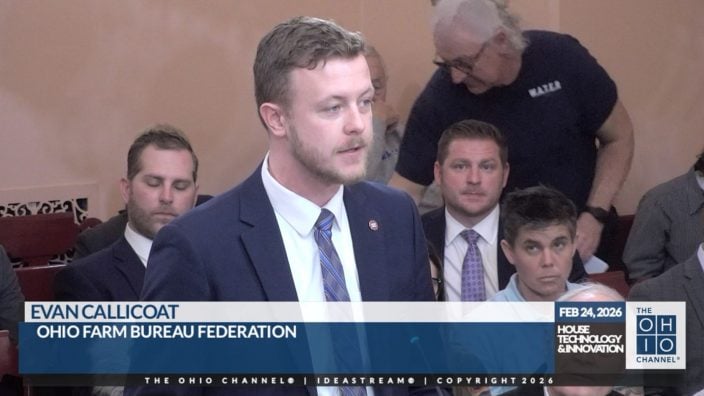
House Bill 646 would establish a Data Center Study Commission to examine the impact of rapid data center development across the state.
Read More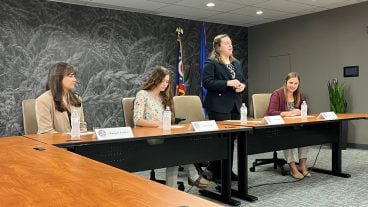
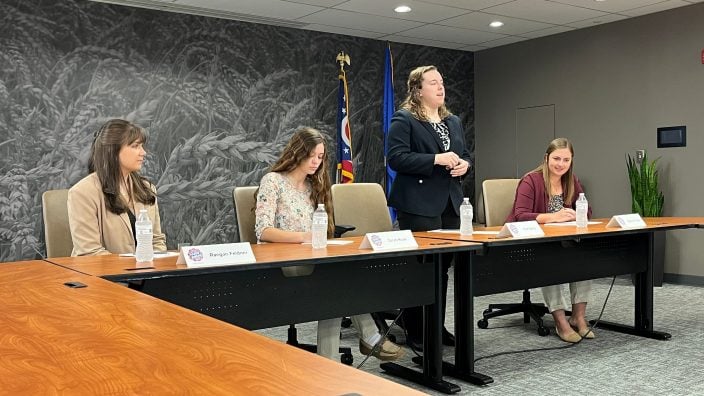
Collegiate Farm Bureau serves as a connection to current industry professionals and equips the next generation with the essential tools and resources needed to excel in their careers.
Read More

Ohio Farm Bureau members met one-on-one with state legislators and staff to discuss policy priorities impacting Ohio’s farms and rural communities.
Read More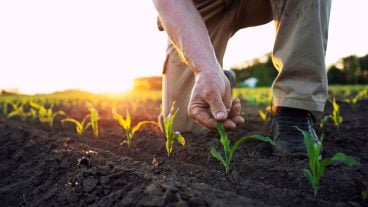
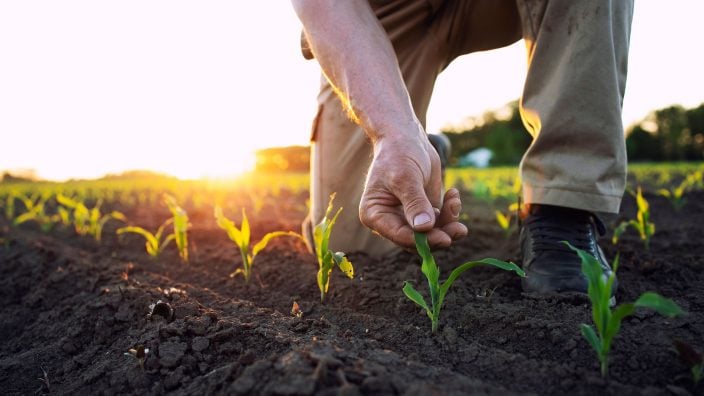
Legacy nutrient deductions enable new farmland owners to claim deductions on the nutrients within the soil on which healthy crops depend.
Read More
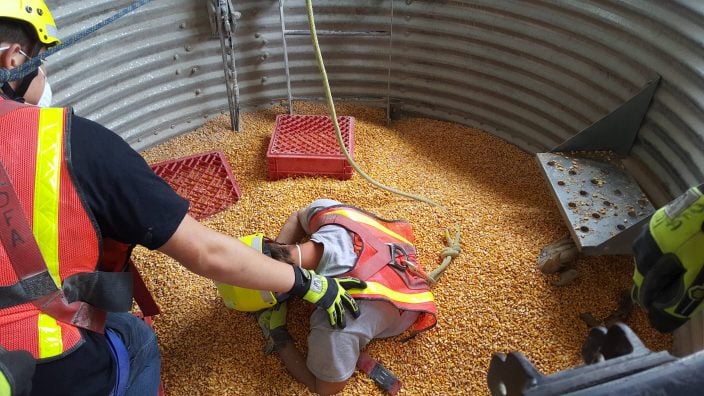
Farmers, agribusinesses and community members are encouraged to nominate their local fire departments for Nationwide’s Nominate Your Fire Department Contest through April 30.
Read More