



Applications for Ohio Farm Bureau Health Plans now available
Members have three ways to apply: contacting a certified agent, calling 833-468-4280 or visiting ohiofarmbureauhealthplans.org.
Read MoreHello, everyone. Well, it’s been a wild ride the past couple of weeks, and I hope you are all making the best of the “stay at home” order.
As some of you are aware, our physical office is closed, but everyone in our office is still working and available to assist you if you have any questions. You can call our main number 330-638-6783, and, as long as our computers are on, you’ll be connected to us wherever we are. You can also always contact me by email.
Even though we had to cancel or postpone most of our upcoming programs, OSU Extension is still offering virtual events here at 9 a.m., noon, and 3 p.m. weekdays on a variety of topics.
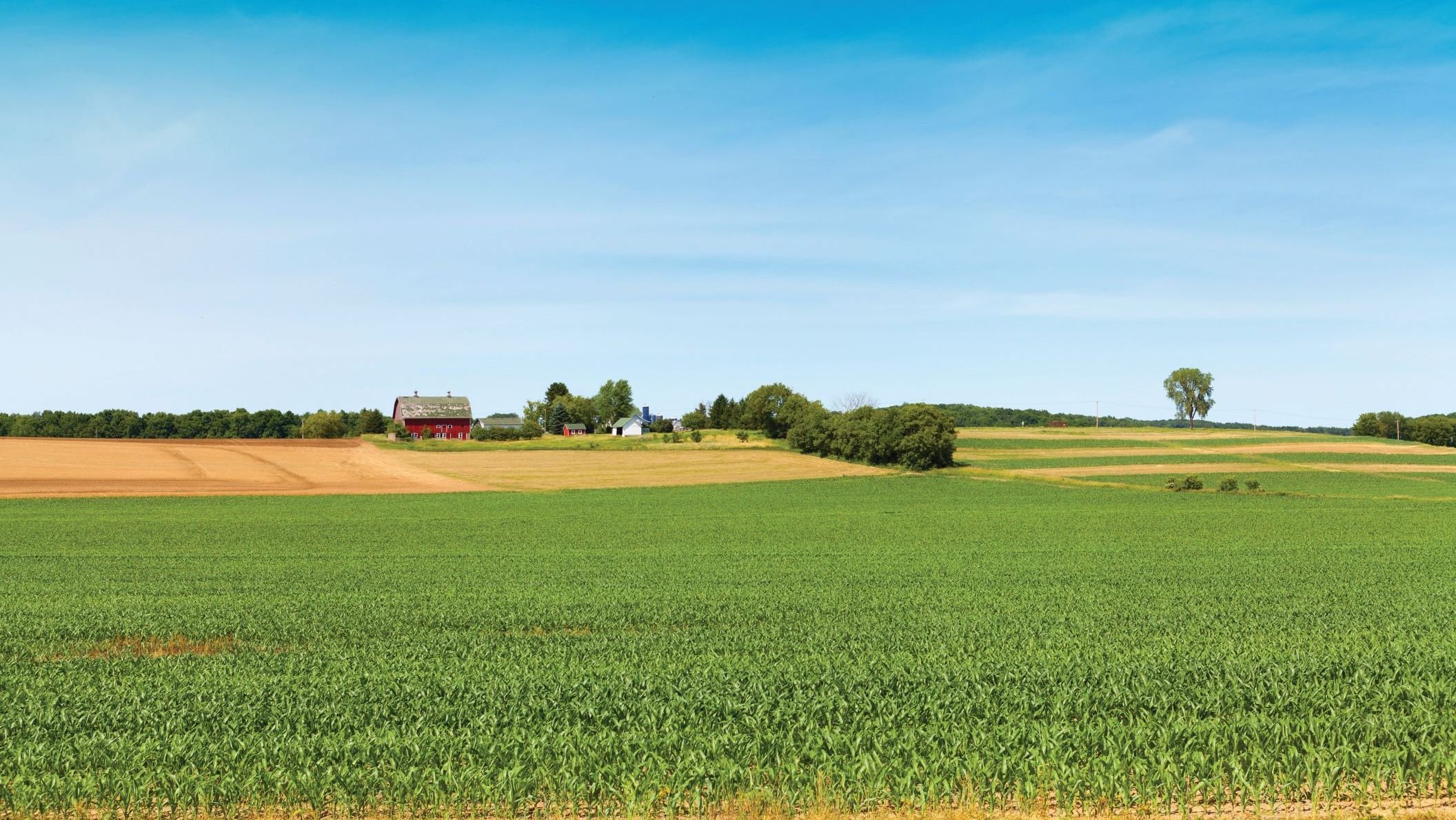
Many farmers are still plugging along with their spring activities — fixing equipment, preparing fertilizer programs, soil testing and more. Although you may consider texting while the tractor is on autosteer “teleworking,” farmers cannot phone in most of their duties, like completing tillage, planting and spraying crops. Not to mention all the needs of livestock that have to be milked, fed and generally cared for, no matter what is going on the world.
Although farmers must keep working through COVID-19, I find they’re generally very good at practicing social distancing. Tractor cabs don’t hold more than two people. In a little over a month, most farmers will be attempting to get their crops planted — if the weather permits. Predicting the weather is one of the most difficult things in the world because of the way we all plan our days around the weather, and I think our meteorologists are already stressed. The weather patterns keep shifting, making long-range forecasts extremely hard to predict accurately. Earlier this year, it looked like March would have average rainfall and above average temperatures. While the temperature part was right, much of the state has already surpassed average rainfall, with more moisture on the way. Right now, we should expect to see an extra 1.5″ of rain above average for just the last two weeks of March. Like I said, forecasting is difficult this year, but it is expected that we will see a much wetter than normal April and May.
There are a few fundamentals that we need to remember heading into planting season, whether you are preparing 1,000 acres of corn or 1,000 square feet of garden.
• Don’t till wet soil. You will be setting yourself up for compaction, poor seedbed prep and a season of frustration as you deal with ruts. I know there are times when the clock starts to dictate when conditions are “good enough,” but wait for drier conditions if you can.
• Don’t plant too early. Soil temperature plays a huge role in getting good seed germination, and, unless you are growing cold season crops (peas, oats, etc.), you want to wait until the soil temperature reaches 50 degrees. Planting when it is cold might result in rotten seeds that don’t germinate, or — more likely — plant diseases that kill seedlings.
• Don’t plant in wet soils. Planting in wet soils causes compaction on the sides of the seed furrow that will limit root growth. Corn is very susceptible to this and you will see the roots follow the seed trench and not penetrate the compacted sides and bottom. After corn gets about 12″ tall it will not be able to support itself, and will begin to fall over. This is aptly named floppy corn syndrome.
• Don’t fertilize too early. Some nutrients, like potassium, you can apply without much concern that they will disappear before the crops need it. Nitrogen, on the other hand, is a little more finicky and if applied too soon will be washed away in the water, go into the atmosphere, or generally not be available when the crops need it. It’s also very expensive.
• Don’t skimp on the maintenance. In the last two years, we have had extremely small windows to plant our crops. The last thing you want to do is have your tractor or planter break down during one of these windows, delaying progress for two weeks. Go over your planter one more time to find anything that looks like it could be an issued. You want to be ready to go without issues.
Take care, and stay healthy.
Submitted by Lee Beers, OSU Extension Educator.
OFBF Mission: Working together for Ohio farmers to advance agriculture and strengthen our communities.


Members have three ways to apply: contacting a certified agent, calling 833-468-4280 or visiting ohiofarmbureauhealthplans.org.
Read More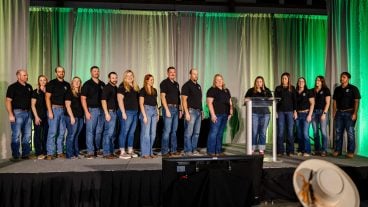
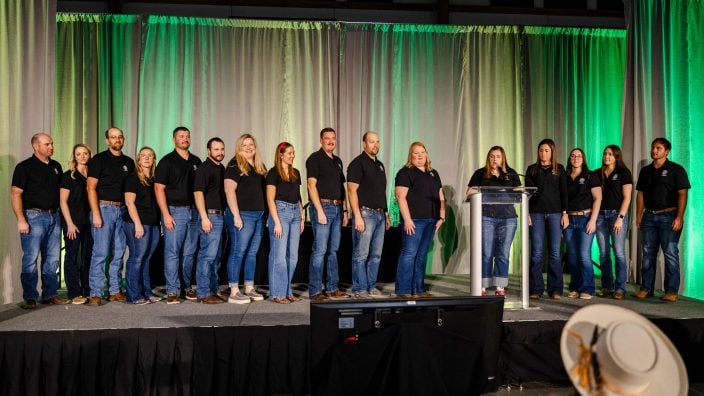
Members ages 18-34 who are interested in developing their leadership skills and enhancing programming for their peers should apply.
Read More

Senate Bill 328 is legislation designed to strengthen career-connected learning and better prepare students for Ohio’s workforce needs.
Read More

With the Family Forest Carbon Program, you can have a successful farm and get paid to grow healthy forests.
Read More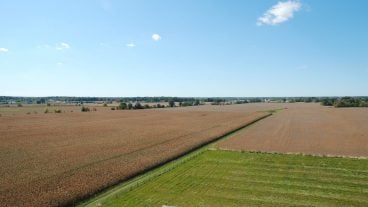
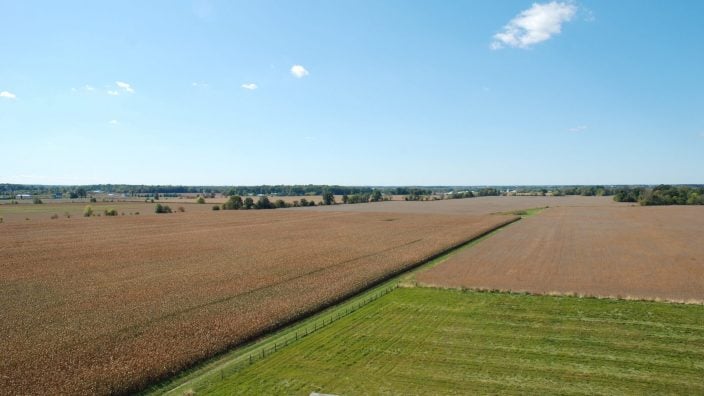
Ohio Farm Bureau recently sent a letter to Congress calling for the swift passage of the Farm, Food, and National Security Act of 2026 (HR 7567).
Read More
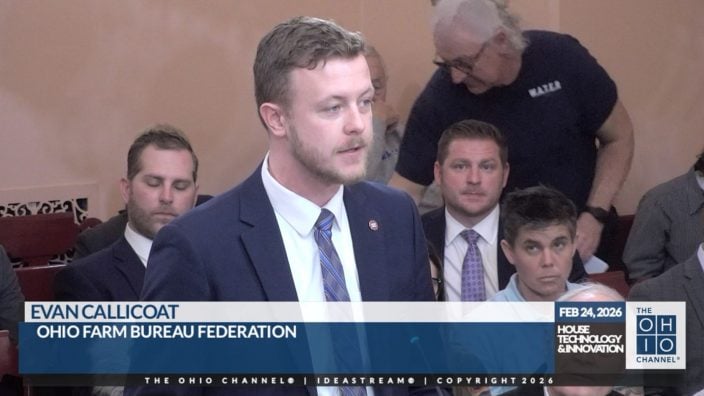
House Bill 646 would establish a Data Center Study Commission to examine the impact of rapid data center development across the state.
Read More
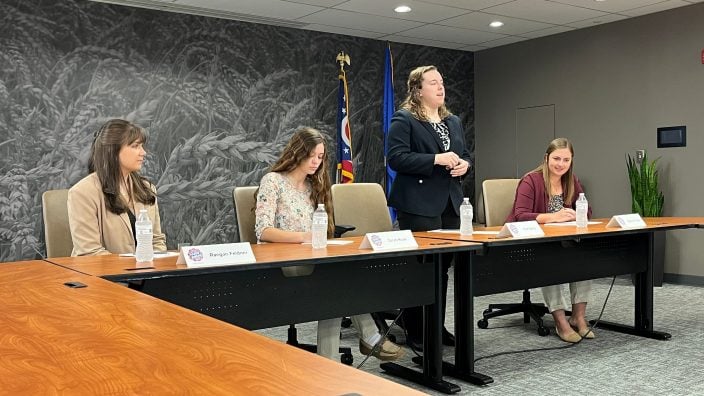
Collegiate Farm Bureau serves as a connection to current industry professionals and equips the next generation with the essential tools and resources needed to excel in their careers.
Read More

Ohio Farm Bureau members met one-on-one with state legislators and staff to discuss policy priorities impacting Ohio’s farms and rural communities.
Read More
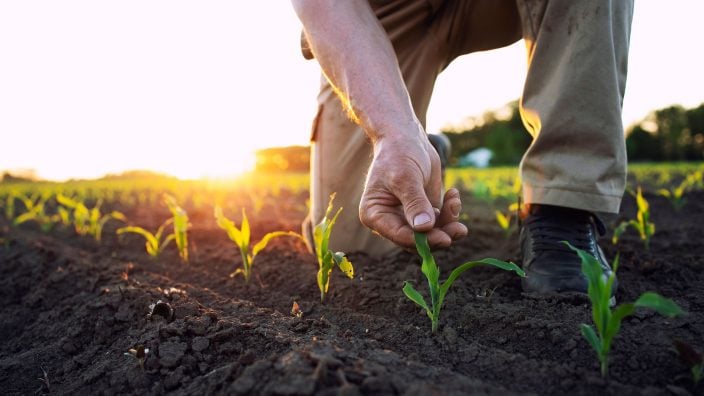
Legacy nutrient deductions enable new farmland owners to claim deductions on the nutrients within the soil on which healthy crops depend.
Read More
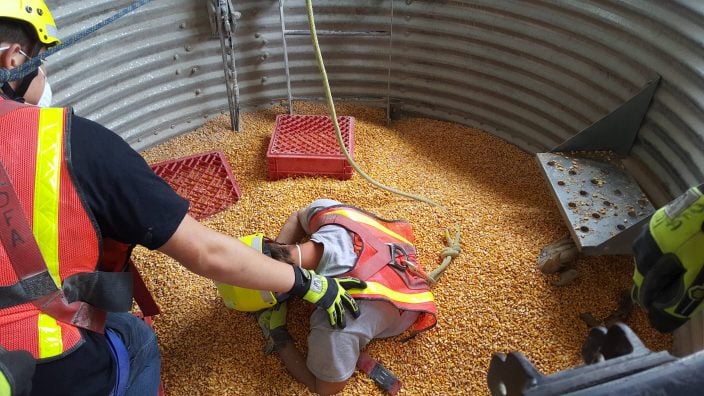
Farmers, agribusinesses and community members are encouraged to nominate their local fire departments for Nationwide’s Nominate Your Fire Department Contest through April 30.
Read More