



Applications for Ohio Farm Bureau Health Plans now available
Members have three ways to apply: contacting a certified agent, calling 833-468-4280 or visiting ohiofarmbureauhealthplans.org.
Read MoreLocal farmers, as well as others involved in agriculture, are seriously affected by the coronavirus problem. Agriculture is considered an essential industry because it is necessary for our food supply. What impacts farmers and the rest of the industry is of concern to all of us.
While we have become essentially a grain-growing area, we still have that strong group of good dairy farms left in the area. Both kinds of agriculture are being affected by the virus. Grain growers are ready to start planting corn and soybeans when the weather breaks. Many of them have already decided what they will plant.
At the same time, they are looking ahead at what the price might be at harvest time this fall. One serious problem is the lack of demand for ethanol made from corn. Since we are not traveling as much and using less fuel, some plants have stopped making ethanol, resulting in less corn being used. Also, the export demand is down. Both of these will have an effect on corn prices this fall.
In spite of these concerns, local farmers may be planting more corn because it still may be better financially than soybeans. Either way it is a gamble and market conditions are still unsettled.
Some field work has been done locally on fields with tile drainage or on better drained soils. Given any kind of break, a lot more tilling will be done and possibly even some corn planted. It all depends on what the weather deals because farmers are ready. Some parts of the country, Texas for example, report that only 15% to 20% of the corn is planted, the smallest amount on record for this time of the year because of wet soils.
Suppliers of lime, fertilizer and seed say they have enough on hand — at this time. But when there is peak demand later, they may have trouble keeping up. It depends on trucks and enough drivers to bring more to them.
Projections from the United States Department of Agriculture are for record acres of corn to be planted nationally, with fewer acres of soybeans. Not everyone agrees with this estimate, so we will have to wait and see.
Dairy farmers are concerned about a drop in milk prices. Before the virus problems, the year was looking good. Now with restaurants and schools closed and a decline in the export market, there has been a drop in farm prices.
At the same time the spring flush in milk production that normally hits about this time of the year is causing serious problems. Dairy Farmers of America, the largest dairy cooperative, and other smaller ones are saying they do not have the plant capacity to handle all the milk that is coming in or is out there on the farm ready to come in. So, some milk is being dumped all across the nation. With the hunger we have in this country, it is sad indeed that a healthful food like milk is being discarded because of no way to process it.
There is also concern on dairy farms about having enough labor to get the cows milked if those who do the milking happen to get sick. The cows have to be milked two or three times a day and labor to get them milked is essential. With the herds we have in the 100 to 500 cow and up range and many are locally, cow milkers are critical.
Overall, farmers are concerned about the effect of the virus on farming and the agriculture industry. We hope and pray for a solution to the problem soon.
Submitted by John Parker who is retired from The Ohio State University and an independent writer for Farm Bureau and other agricultural organizations.
OFBF Mission: Working together for Ohio farmers to advance agriculture and strengthen our communities.


Members have three ways to apply: contacting a certified agent, calling 833-468-4280 or visiting ohiofarmbureauhealthplans.org.
Read More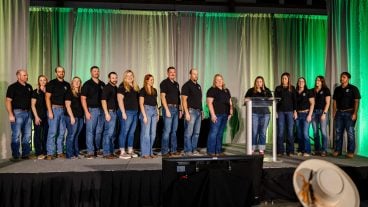
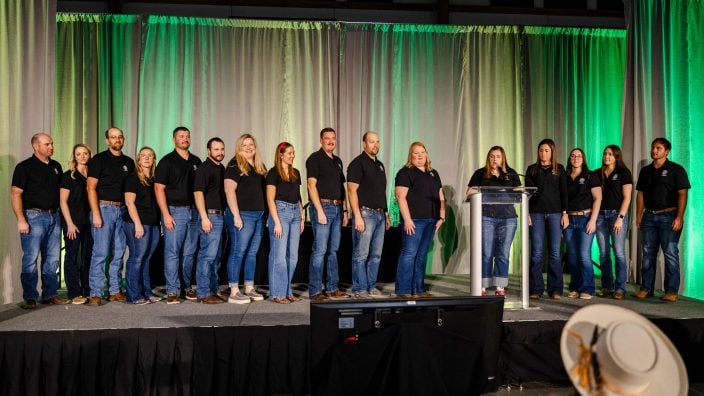
Members ages 18-34 who are interested in developing their leadership skills and enhancing programming for their peers should apply.
Read More

Senate Bill 328 is legislation designed to strengthen career-connected learning and better prepare students for Ohio’s workforce needs.
Read More
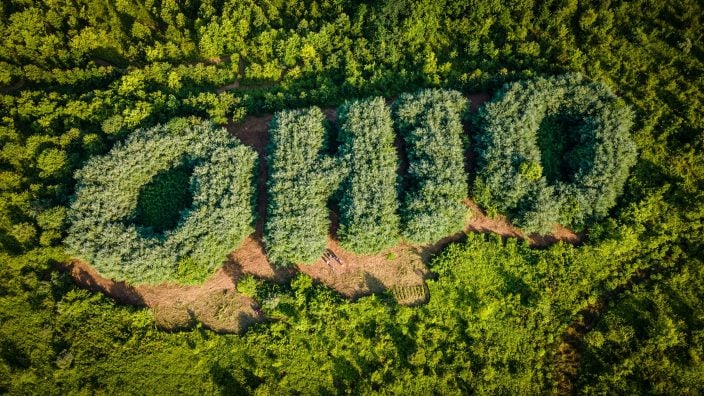
With the Family Forest Carbon Program, you can have a successful farm and get paid to grow healthy forests.
Read More
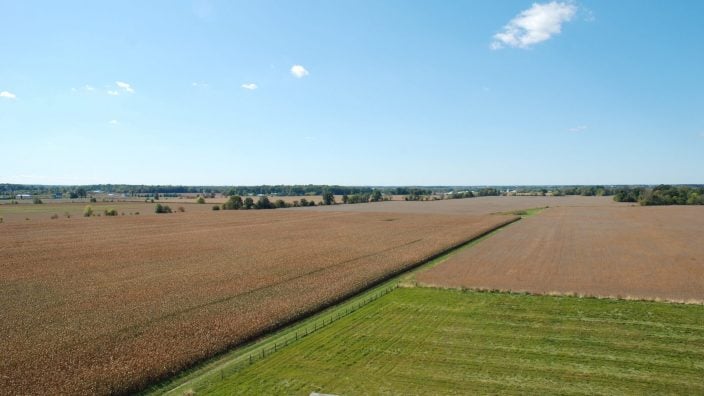
Ohio Farm Bureau recently sent a letter to Congress calling for the swift passage of the Farm, Food, and National Security Act of 2026 (HR 7567).
Read More
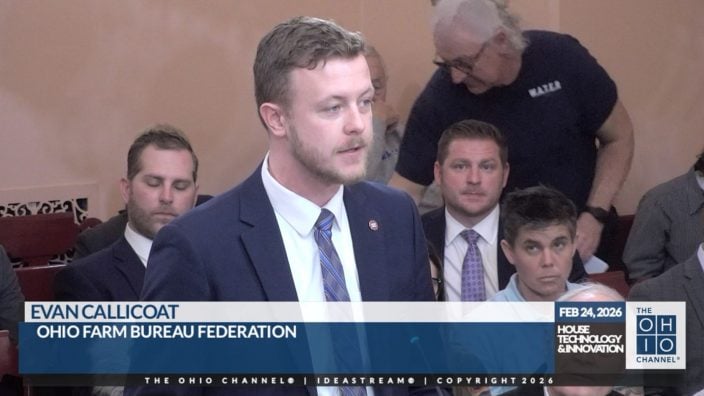
House Bill 646 would establish a Data Center Study Commission to examine the impact of rapid data center development across the state.
Read More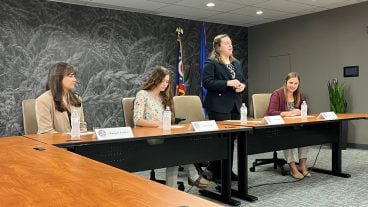
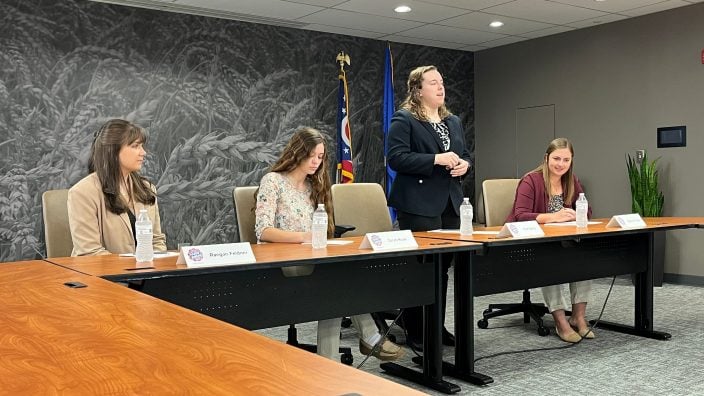
Collegiate Farm Bureau serves as a connection to current industry professionals and equips the next generation with the essential tools and resources needed to excel in their careers.
Read More

Ohio Farm Bureau members met one-on-one with state legislators and staff to discuss policy priorities impacting Ohio’s farms and rural communities.
Read More
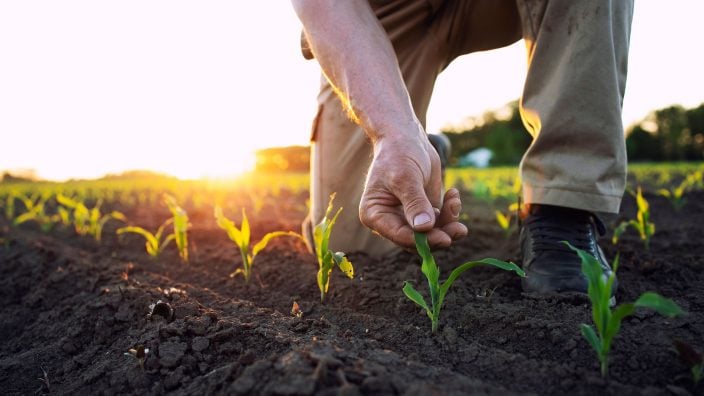
Legacy nutrient deductions enable new farmland owners to claim deductions on the nutrients within the soil on which healthy crops depend.
Read More
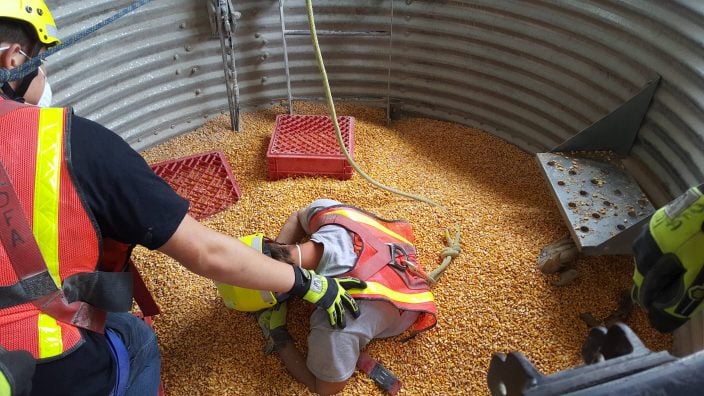
Farmers, agribusinesses and community members are encouraged to nominate their local fire departments for Nationwide’s Nominate Your Fire Department Contest through April 30.
Read More