


Applications for Ohio Farm Bureau Health Plans now available
Members have three ways to apply: contacting a certified agent, calling 833-468-4280 or visiting ohiofarmbureauhealthplans.org.
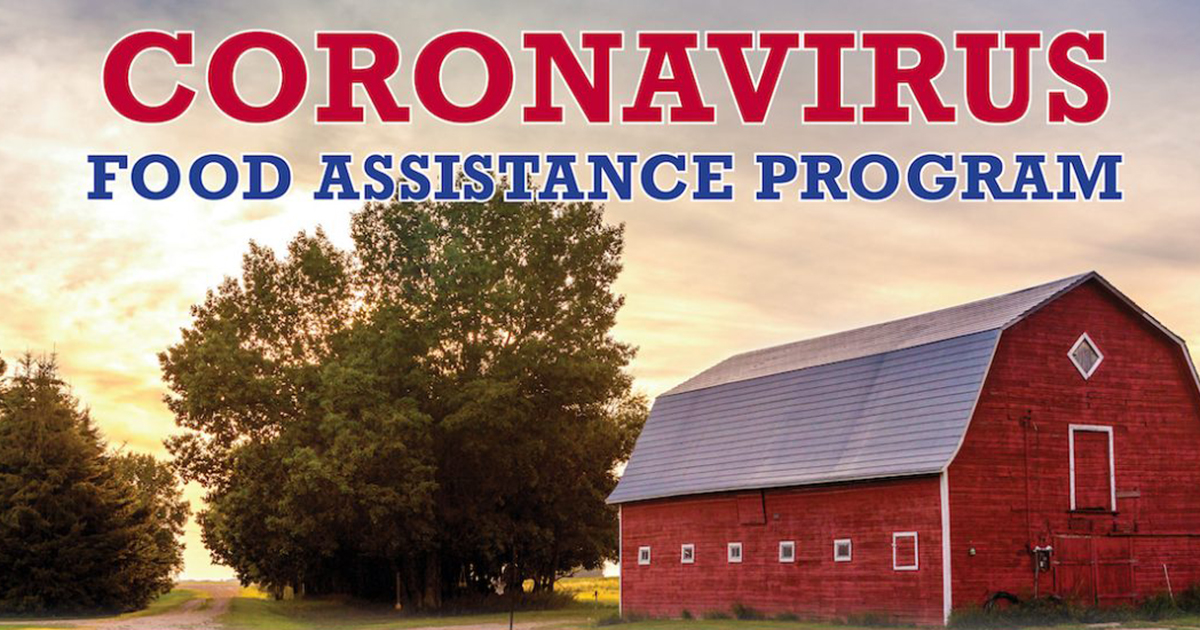
Read MoreTo provide immediate financial assistance to farmers impacted by COVID-19, the Coronavirus Aid, Relief, and Economic Security Act provided the Agriculture Secretary Sonny Perdue with an immediate $9.5 billion and the Commodity Credit Corporation with a $14 billion replenishment. Combining existing CCC funding of $6.5 billion with the $9.5 billion appropriated, Perdue created a $16 billion Coronavirus Food Assistance Program that will provide direct payments to farmers and ranchers to partially offset COVID-19 related losses for livestock and specialty and nonspecialty crops. After USDA unveiled the program, the American Farm Bureau Federation dug in to get the details of these payments.
The Coronavirus Food Assistance Program provides vital financial assistance to producers of agricultural commodities who have suffered a 5% or greater price decline or who had losses due to market supply chain disruptions due to COVID-19 and face additional significant market costs.
Among eligible commodities:
Changes announced July 9:
Adding the following commodities:
Changes announced Aug. 11:
Adding the following additional commodities:
Other changes:
Ben Brown, assistant professor of Professional Practice in Agricultural Risk Management at Ohio State University’s College of Food, Agricultural and Environmental Science’s Department of Agricultural, Environmental and Development Economics, provides additional background about CFAP, along with information about eligibility requirements, the application process and payment rates that he and his team laid out in a new report.


Members have three ways to apply: contacting a certified agent, calling 833-468-4280 or visiting ohiofarmbureauhealthplans.org.
Read More
2026 camps feature an expanded lineup of one-day experiences and a weeklong immersive camp for high school students. Registration closes 10 days before each experience.
Read More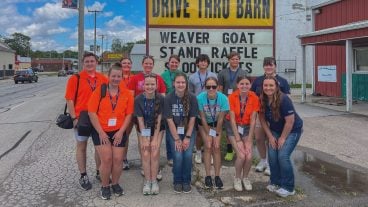
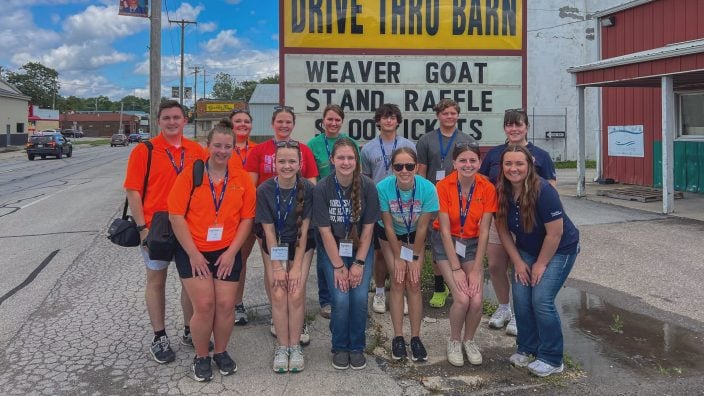
Growing our Generation enewsletter features insights and ideas directly from Ohio’s young farmers and food and agricultural professionals. Sign up…
Read More
A recording of the webinar is available to Farm Bureau members. Please log in to your member account at ofbf.org, then click the link to access the recording.
Read More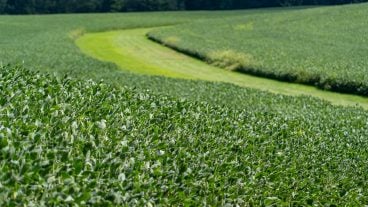
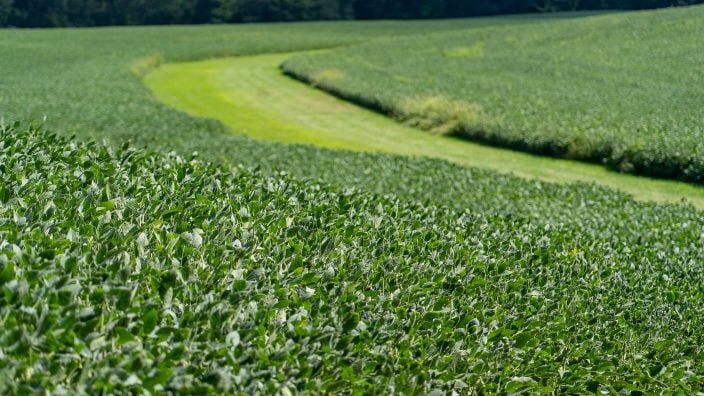
Across both bills, Ohio Farm Bureau reinforced that development can provide economic opportunity, but must be balanced with strong protections for landowners and Ohio agriculture.
Read More
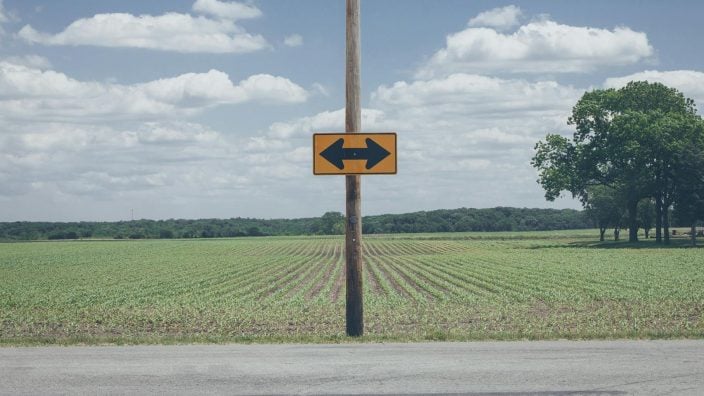
As ODOT accepts public comments until April 14, it is critical that impacted farmers and rural landowners weigh in while the study is underway.
Read More
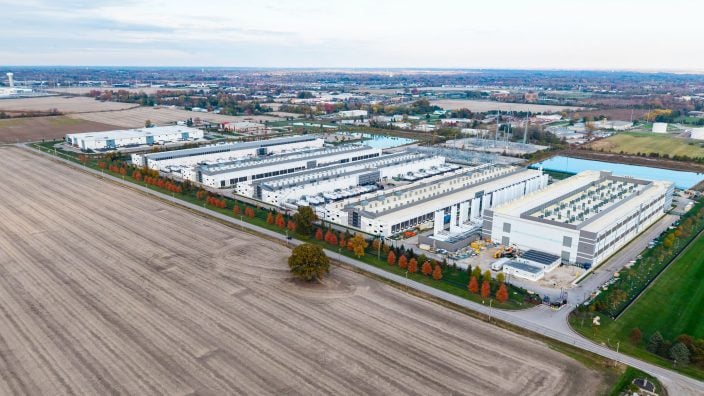
Ohio Farm Bureau is urging its members to contact their Ohio legislators to ask them to repeal the Data Center Sales Tax Exemption.
Read More

Derek Snider has been appointed to the American Farm Bureau Federation’s Young Farmers & Ranchers Committee for the 2026-2028 term.
Read More
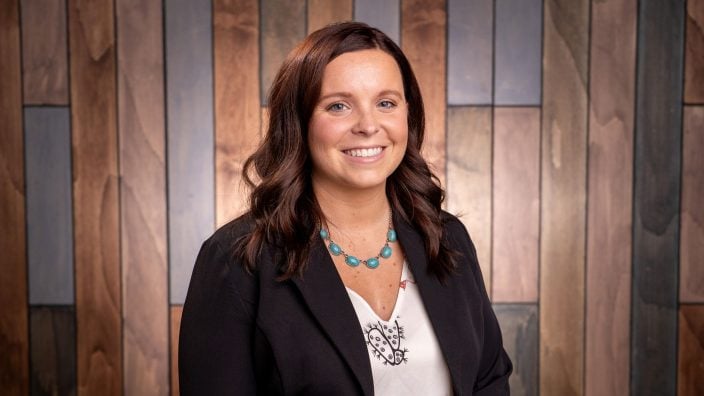
Olivia Robinson of Hanover has been named organization director for Ohio Farm Bureau and will serve members in Guernsey, Morgan, Muskingum and Perry counties.
Read More
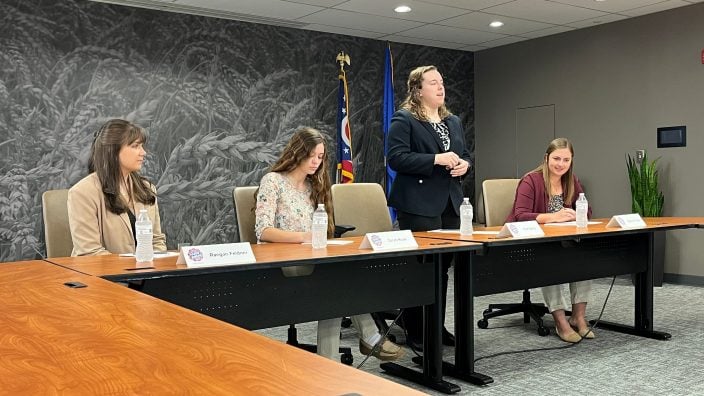
Ruth Beery of Wilmington College Collegiate Farm Bureau is the winner of Ohio Farm Bureau’s 2026 Collegiate Discussion Meet competition….
Read More