






Applications for Ohio Farm Bureau Health Plans now available
Members have three ways to apply: contacting a certified agent, calling 833-468-4280 or visiting ohiofarmbureauhealthplans.org.
Read MoreCrops generally are looking good across our area.
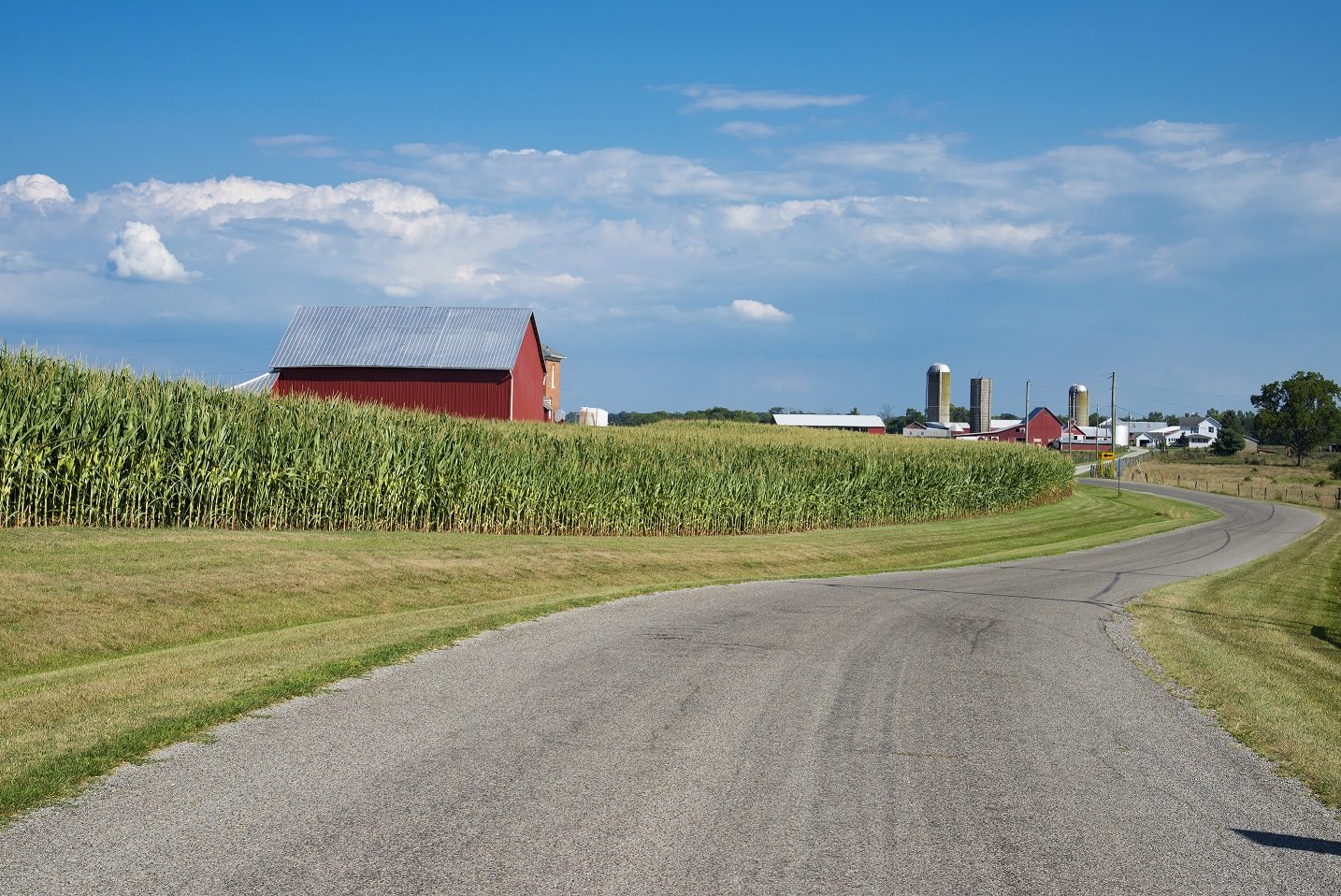
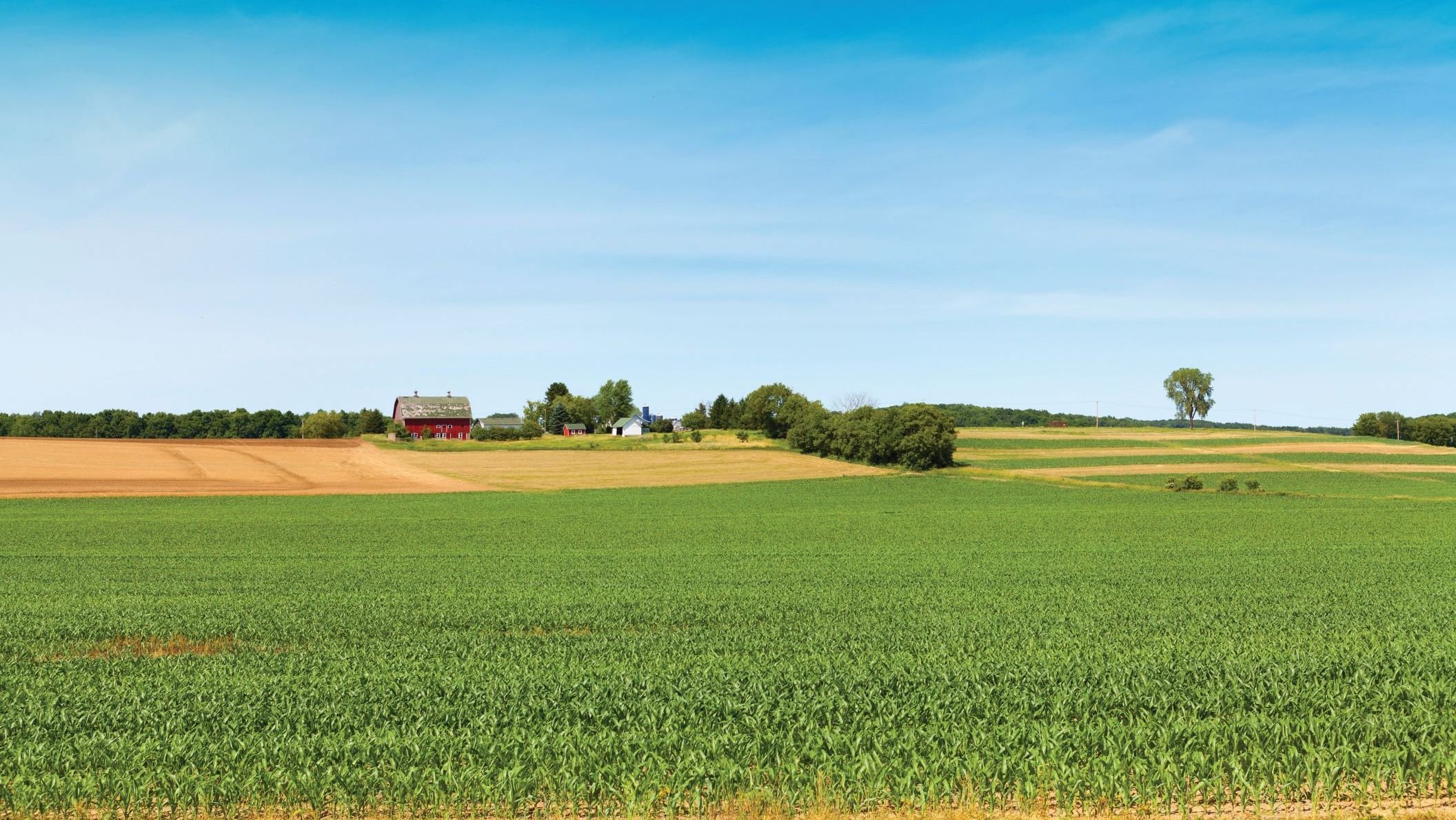
Both corn and soybeans were planted early enough to have a good start. Then we have had enough rain, along with the hot weather, to encourage some exceptional growth of corn and beans. Now if we can continue to get regular moisture during the growing season, we should have good yields this fall. In farming, it is always “if” conditions are right for top yields.
Most local wheat has been harvested in the past couple of weeks. Reports are that yields have been generally good but they vary all over the place. Where it has been planted in good soils and well managed, some yields have exceeded 100 bushels to the acre. Other fields have been as low as 30 bushels per acre.
Some of our wheat goes for milling and eventually goes into bakery products. Livestock farmers feed small amounts. The wheat market got a boost recently when China decided to buy what they called two cargoes. I don’t know how many bushels that amounted to, but it did help. China can be an uncertain market because no one seems to know what they are going to do next.
We don’t grow a lot of acres of oats but those who do grow them will be harvesting them soon. They are usually used for livestock feed and the straw goes for bedding.
Looking at the dairy picture, we are fortunate to have a few good dairy farms left in the area. They are good, efficient herds because they have to be to stay in business given the milk prices of recent years. Those prices look some better right now but have been very volatile, varying widely.
A recent market report says that cheese prices on the wholesale market set a new record last week. Block prices on the wholesale market went up to $2.915. Wholesale cheese is sold in both blocks and barrels with blocks bringing a higher price. Cheese is a main ingredient that helps set the farm price for milk. It is sometimes said that “so goes the cheese price, goes the milk price.” Milk pricing is a very complex procedure because it is used for so many different products.
Recent heat waves have caused some drop in milk production. Heat puts cows under stress with a drop in production. Where cows are housed in free stall barns, farmers go to great lengths to keep them comfortable. Huge electric fans hang from the ceiling and are automatically controlled to run when temperatures get too high.
So far, the dairy farmers I have contacted said they have not had any real drop in production from the heat. They have been able to keep the cows comfortable. Now let’s hope the milk price stays good enough so they can pay the electric bill because all those fans take a lot of electricity.
Have you ever heard of “corn sweats?” It is a term new to me. According to the National Center for Atmospheric Research, through a process called evapotranspiration the corn plant pulls moisture from the soil into the atmosphere. One acre of corn sends 3,000 to 4,000 gallons of moisture per day into the air. This doesn’t actually raise the air temperature but raises the humidity level making it more uncomfortable outside.
Another problem with the heat is fly control. Several different kinds of flies bother cattle. In free stall barns they are usually controlled by with air movement and cool temperatures. Out on pasture they are more difficult to control.
Unless it is bitter cold, it is usually easier on livestock when it is cooler than in the extreme temperatures we have been having recently.
At the same time, those who have to milk the cows in today’s milking parlors need to be kept comfortable to do a good job. So usually there are several fans running in those parlors to keep air moving.
Submitted by John Parker, who is retired from The Ohio State University and is an independent writer for Farm Bureau.
Ohio Farm Bureau Mission: Working together for Ohio farmers to advance agriculture and strengthen our communities.


Members have three ways to apply: contacting a certified agent, calling 833-468-4280 or visiting ohiofarmbureauhealthplans.org.
Read More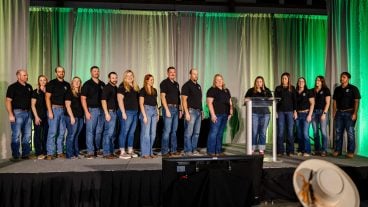
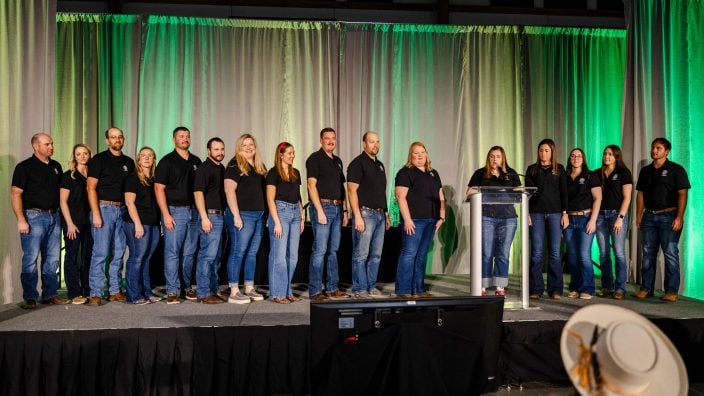
Members ages 18-34 who are interested in developing their leadership skills and enhancing programming for their peers should apply.
Read More

Senate Bill 328 is legislation designed to strengthen career-connected learning and better prepare students for Ohio’s workforce needs.
Read More

With the Family Forest Carbon Program, you can have a successful farm and get paid to grow healthy forests.
Read More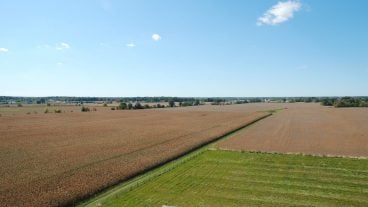
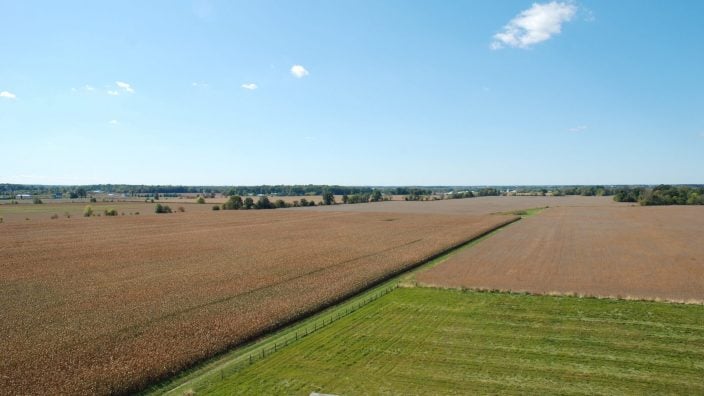
Ohio Farm Bureau recently sent a letter to Congress calling for the swift passage of the Farm, Food, and National Security Act of 2026 (HR 7567).
Read More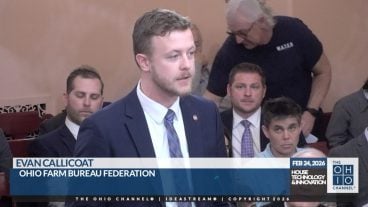
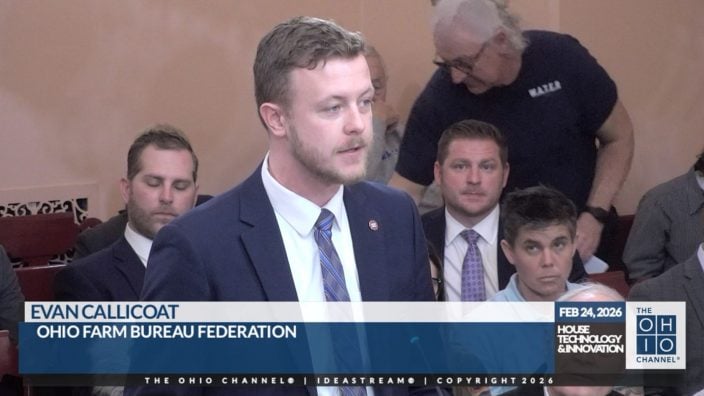
House Bill 646 would establish a Data Center Study Commission to examine the impact of rapid data center development across the state.
Read More

Collegiate Farm Bureau serves as a connection to current industry professionals and equips the next generation with the essential tools and resources needed to excel in their careers.
Read More

Ohio Farm Bureau members met one-on-one with state legislators and staff to discuss policy priorities impacting Ohio’s farms and rural communities.
Read More

Legacy nutrient deductions enable new farmland owners to claim deductions on the nutrients within the soil on which healthy crops depend.
Read More
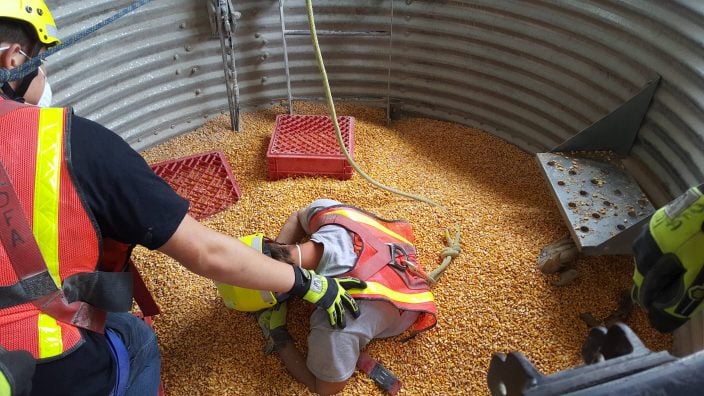
Farmers, agribusinesses and community members are encouraged to nominate their local fire departments for Nationwide’s Nominate Your Fire Department Contest through April 30.
Read More