

Applications for Ohio Farm Bureau Health Plans now available
Members have three ways to apply: contacting a certified agent, calling 833-468-4280 or visiting ohiofarmbureauhealthplans.org.
Read MoreLittl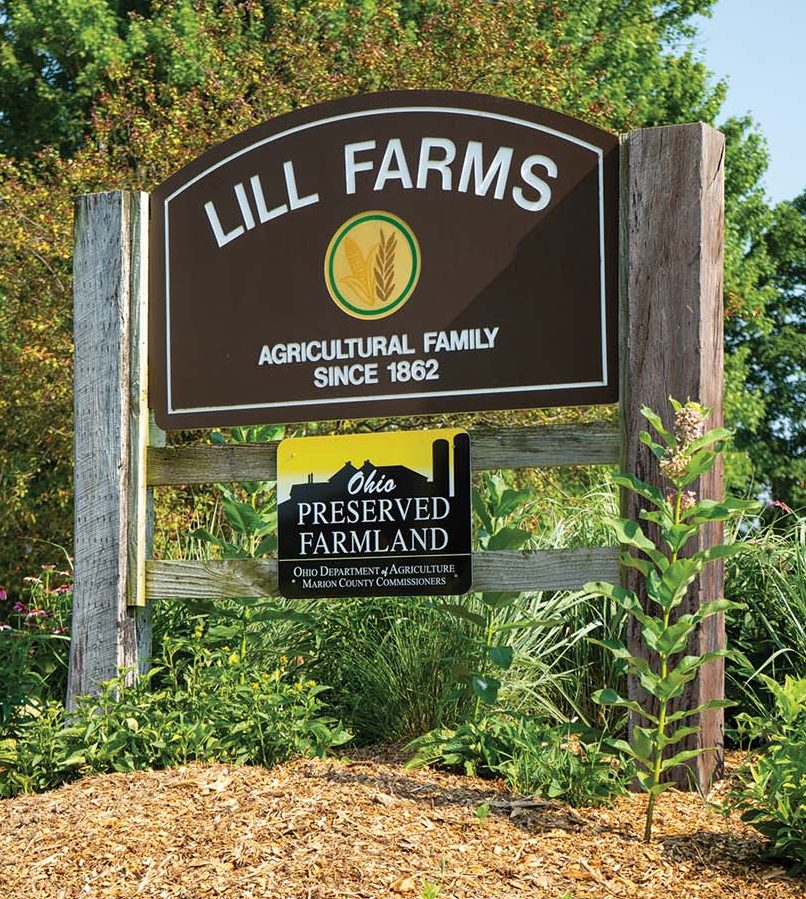 e data exists on the millions of Americans who own and lease agricultural land but don’t farm it themselves. A new survey, commissioned by American Farmland Trust, has shed some light on this segment of agriculture known as non-operating landowners, or NOLs.
Nearly 40% of U.S. farmland is rented or leased from agricultural landowners, the majority of whom are NOLs. This group is increasingly identified as a sector of landowners who need to be addressed when discussing environmental issues on agricultural lands.
“The perspectives of non-operator landowners often go missing when we are talking about the agricultural landscape,” said Dr. Gabrielle Roesch-McNally, director of American Farmland Trust’s Women for the Land Initiative. “We tend to focus on farmers and what they are thinking when it comes to conservation, so our focus was to fill in those gaps and better understand the relationship between NOLs and farmers and how that plays into conservation efforts.”
In Ohio, 338 nonoperator landowners took part in the Non-Operator Landowner Survey. Men and women who own 25 acres of farmland or more were surveyed equally, with the goal of getting a better understanding of the differences in the needs and concerns of male and female landowners.
The majority (49%) of Ohio landowners rent their land to neighbors or friends of the family, while 31% rent to a relative or family member, and the rest (20%) rent to someone who is not related nor a friend of the family. Interestingly, 62% of lease agreements in the state are verbal and most are either a cash rent agreement with fixed or flexible payments (46%) or a crop share agreement (46%).
“One of the key findings of this survey was the trustworthiness being a very important element of a rental agreement,” Roesch-McNally said. “NOLs really trust their farmers, by and large, and really look to them for guidance and insight on what to do with the land they own.”
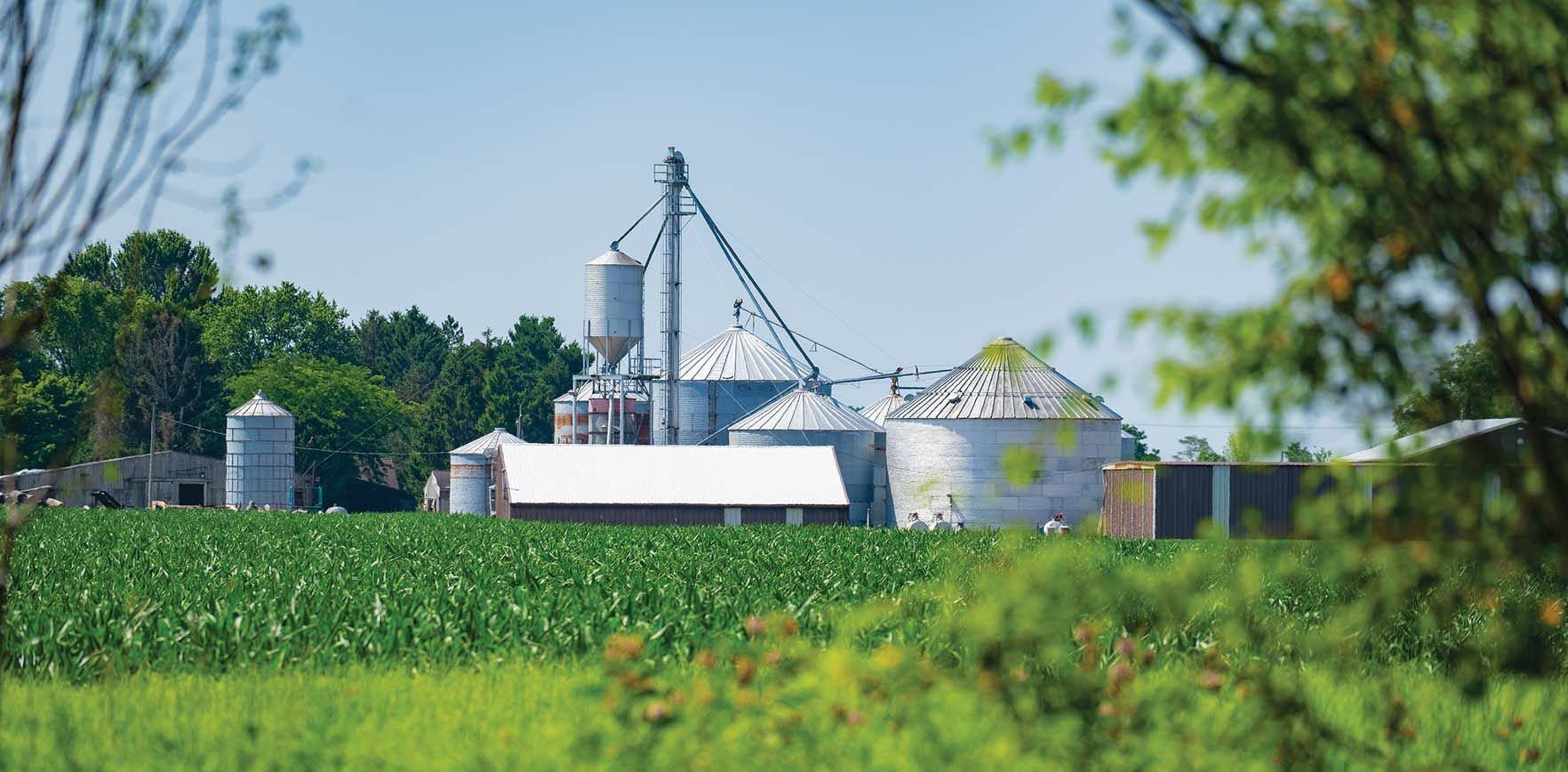
For many non-operator landowners, the trust in a farmer is built over time. According to the survey, the median length for a continuous rental agreement between a landlord and an operator is 17 years. For Marion County Farm Bureau members Bob and Betty Jo Lill, who farm for nine area landlords in addition to their 762 owned acres, many of those relationships span over four decades.
Although the lease agreements between the Lills and their landlords aren’t quite a handshake, they are almost as simple.
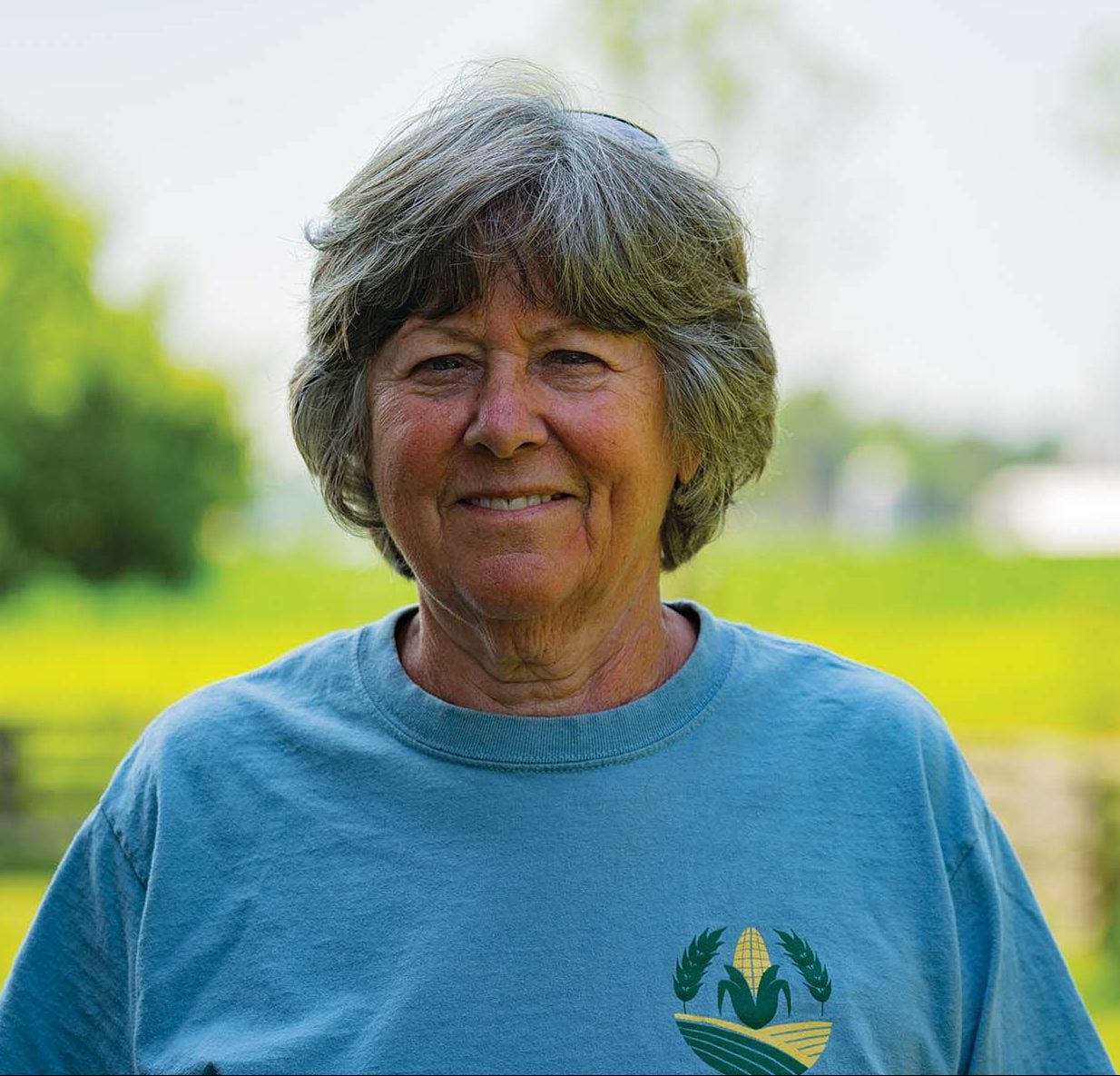
“They are basic, one-page agreements that lay out the number of acres and the dollars per acre,” Betty Jo said. “Below that there are two signatures. That’s it.”
The contracts are self-renewing annually. Although all of the fields the Lills farm are no-till, the agreements do not have a conservation aspect. In the instances that Bob feels something needs to be done on one of the farms he rents, the landowners trust his input and work with him to get the concerns addressed.
“Bob has tiled many of the fields we farm with the landowner cost-sharing those projects,” Betty Jo said. “We have put waterways in to protect fields from erosion, cleared treelines and many other things that can be costly, but the landowners understood the importance of doing those things and agreed to get them done.”
Roesch-McNally said farmers are often asked why they don’t do more conservation on their rented ground and there is a perspective that the landowner doesn’t want to see conservation happen, but the survey tells a different story.
“The majority of our respondents said that they were very supportive of conservation and were willing to take steps to support their farmer in doing that,” Roesch-McNally said. “That could be done through adjustments to the lease agreement as they think about ways to incentivize conservation practices like cover crops, reduction in tillage and many other strategies.”
While Ohio NOLs in the American Farmland Trust survey saw a weak farm economy and the number of requirements or restrictions associated with government conservation programs as their biggest barriers, very few worried about disapproval from their neighbors or that conservation practices would decrease the value of their farmland.
What role does gender play when it comes to conservation of rented land? There are now nearly 1 million women farm operators and over a half million additional women landowners who lease their land to farmers.
“We have found, historically, that even though women have been a part of the farming community and part of the farm business, they tend to be less engaged in agricultural spaces,” Roesch-McNally said. “That attitude is starting to shift as more and more women are being seen as critical landowners. In fact, nearly half of Midwest farmland is owned by women.”
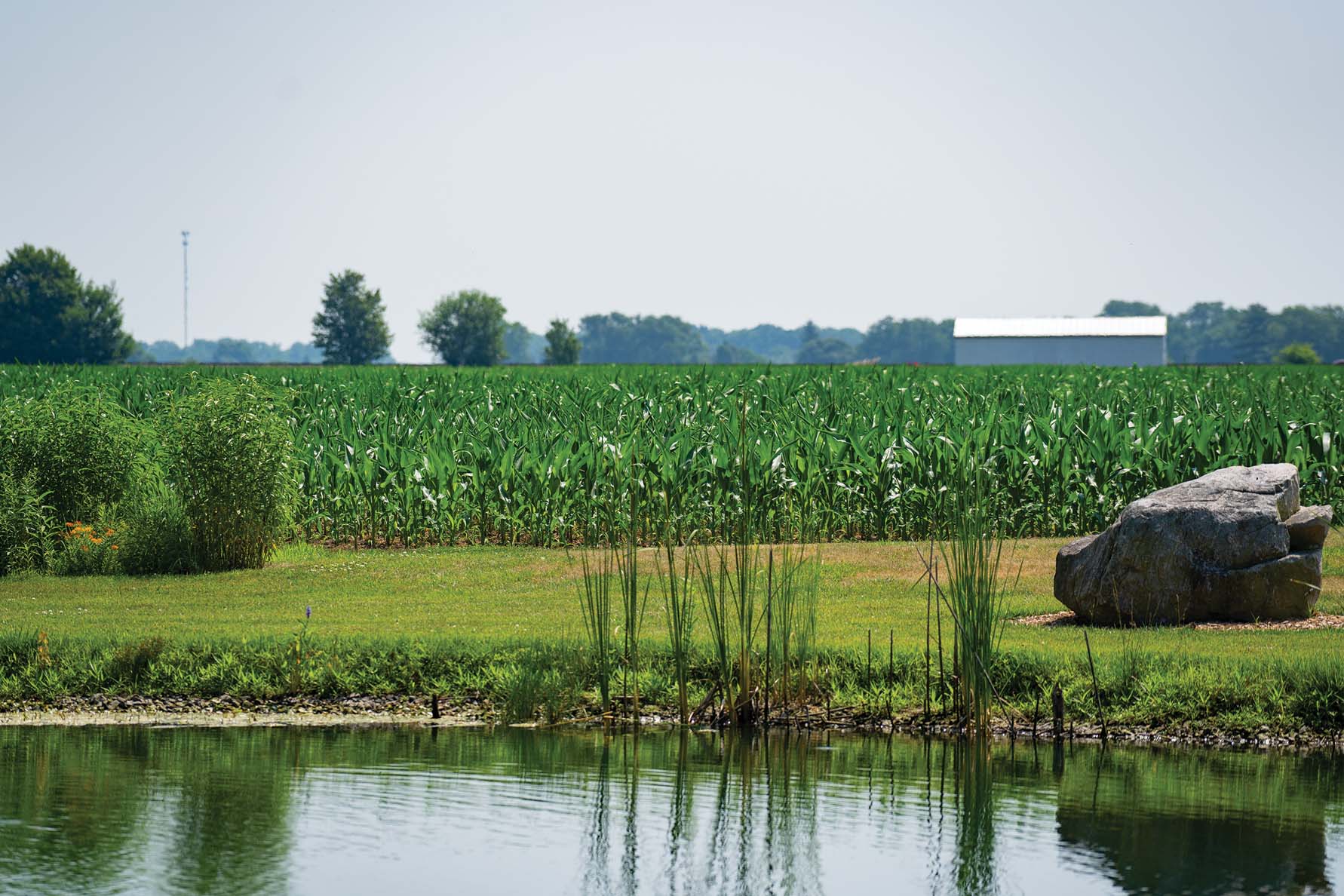
That shift prompted American Farmland Trust’s Women for the Land initiative to find ways to empower women non-operator landlords (WNOLs) with tools and resources they need to discuss conservation measures with farmers they work with.
“We bring women together for peer-to-peer learning circles to learn from one another and share their stories and to connect them to technical and financial resources,” Roesch-McNally said. “We found that through participation in these networks, women are more likely to take some kind of conservation action on the land that they own.”
The Lills admittedly get more interest about conservation from their male landlords, but Betty Jo communicates the importance of maintaining the land with all of their landowners through a quarterly newsletter.
“It’s important for everyone to know how valuable conservation is to the future of agriculture,” she said. “It’s our responsibility to keep these farms viable, not only for us, but for many generations to come.”



Members have three ways to apply: contacting a certified agent, calling 833-468-4280 or visiting ohiofarmbureauhealthplans.org.
Read More
The executive order waives state penalties and suspends discretionary enforcement related to the use of dyed diesel on public highways through Dec. 31, 2026.
Read More
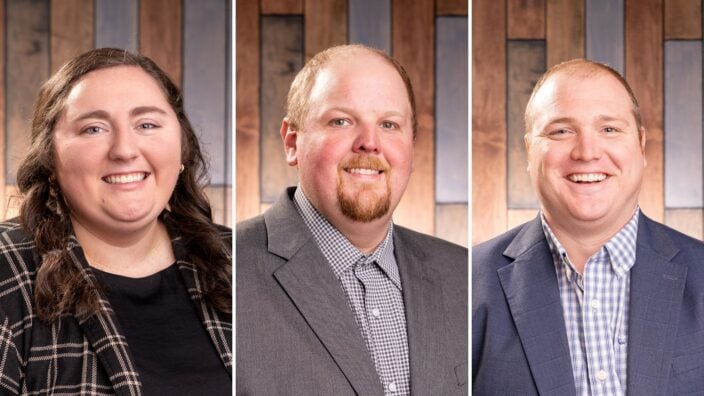
Maggie Preston, Lincoln Deitrick and Denver Davis describe their role in agriculture, their Farm Bureau involvement and what it means to win their respective state awards.
Read More
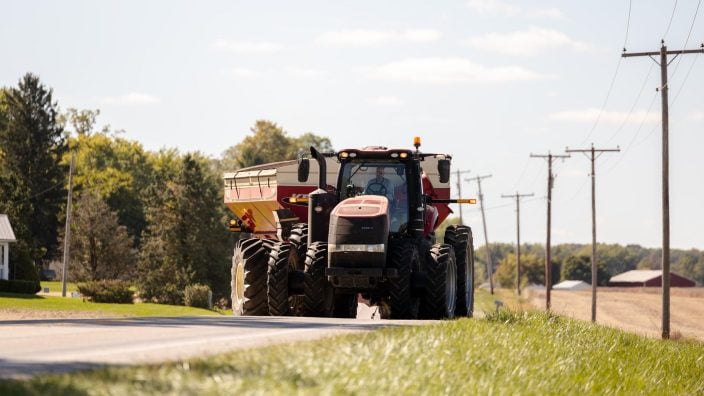
Associate General Counsel Leah Curtis breaks down the changes to Ohio’s fuel tax, recent guidance on dyed diesel and what farm families need to know.
Read More
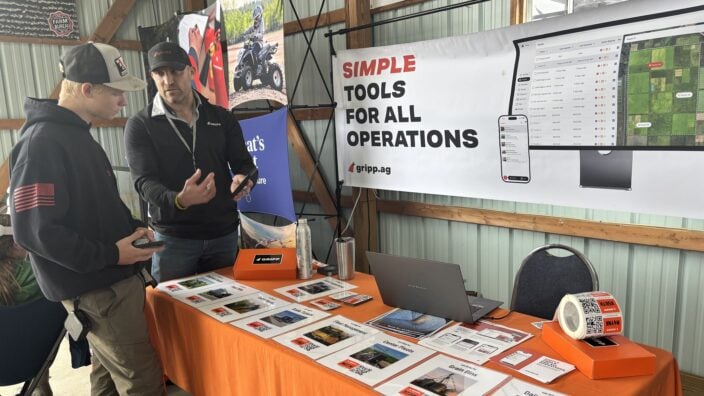
Gripp is launching a 60-day cohort in mid-January for Ohio Farm Bureau members, offering discounted access to its asset-tracking app.
Read More
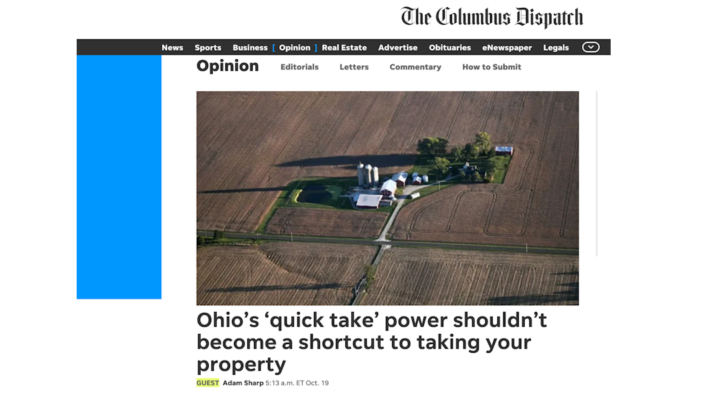
Ohio Farm Bureau recently published an op-ed in The Columbus Dispatch highlighting the importance of protecting private property rights as discussions continue around expanding eminent domain powers in Ohio.
Read More