




Applications for Ohio Farm Bureau Health Plans now available
Members have three ways to apply: contacting a certified agent, calling 833-468-4280 or visiting ohiofarmbureauhealthplans.org.
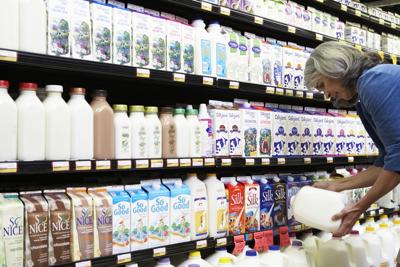
Read MoreLife is about choices. We make them numerous times a day. And when it comes to milk, if you can afford it, there are a lot of choices for the American consumer.
Dairy milk, along with almond, soy, oat and rice “milk” are readily available in most stores across the U.S. Did you notice where I put quotations in the last sentence? The way I look at it, if you buy and consume any of the above you are supporting a farmer who is trying to make a living. So, I don’t care if you choose an alternative milk product over dairy milk. That is your prerogative, just as it is mine to drink milk from dairy cows. What I do have a problem with is that you call these plant-based products “milk.”
I’ve always had the argument that milk means mammary. Well, I went to the internet to look up a definition of milk and was I surprised. Here is how Merriam-Webster online dictionary defined milk: 1a: a fluid secreted by the mammary glands of females for the nourishment of their young; b (1) milk from an animal and especially a cow used as food by people (2) a food product produced from seeds or fruit that resembles and is used similarly to cow’s milk. Well, there goes that argument out the window.
Again, we are back to choices. Maybe you are lactose intolerant, worried about fat, calories or cholesterol. One of these alternatives may give you a milk-like option. Another plant-based milk alternative called Ripple has hit the market. Ripple is a beverage made with yellow peas. It has the same protein content as dairy milk, but with fewer calories. The new product has less saturated fat and sugar, but 50% more calcium than dairy milk. All that sounds good if you are looking for a milk alternative.
I have a question for you. If you are choosing one of these milk alternatives for reasons other than health and allergy problems, what are they? In the land of many choices, there are just as many advertising campaigns trying to get you to buy their product. Many of these campaigns imply that dairy milk or other alternatives are bad and their product is better. This new product’s advertising does just that. “Dairy-free. As it should be.” Growing almonds and cattle “contribute to deforestation and greenhouse gas emissions.” “Drinking Ripple will lower your carbon footprint.”
I can’t say that I am thrilled with all of the advertisements for dairy milk, either. There is the ad for “Happy Cows” in California. And the one for Dairy Pure Milk, which claims they have an “Exclusive 5-Point Purity Promise,” which by USDA regulations all milk has. This is the ad that would make my children so mad that they would yell at the TV. What about the sale at the grocery store? In Ohio, retailers can use milk as a “loss-leader.” They sell milk for less than their cost to draw you into their store, knowing you will spend money on other products.
Is their room in the market for milk and “milk?” Maybe, maybe not. It is unfortunate that the dairy industry has a very small profit margin. The production costs keep going up, but the price received by the farmer doesn’t. With the increasing availability of plant-based alternatives and pressure from anti-animal agriculture organizations, and low profits, many dairy farmers are having to consider their options.
Most of you who follow this column know that dairy farming is near and dear to my heart. I appreciate all farmers and am glad when they are competitive in the market. There are hard working families on small, mid and large farms across the U.S. that appreciate consumers buying their products. Thank God for the farmers that do what they do so you can make the choices you do. Please enjoy whatever you choose to drink.
Submitted by Mary Smallsreed, a member of the Trumbull County Farm Bureau who grew up on a family dairy farm in northeast Ohio.
OFBF Mission: Working together for Ohio farmers to advance agriculture and strengthen our communities.


Members have three ways to apply: contacting a certified agent, calling 833-468-4280 or visiting ohiofarmbureauhealthplans.org.
Read More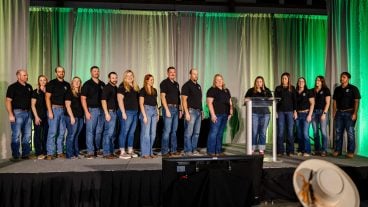
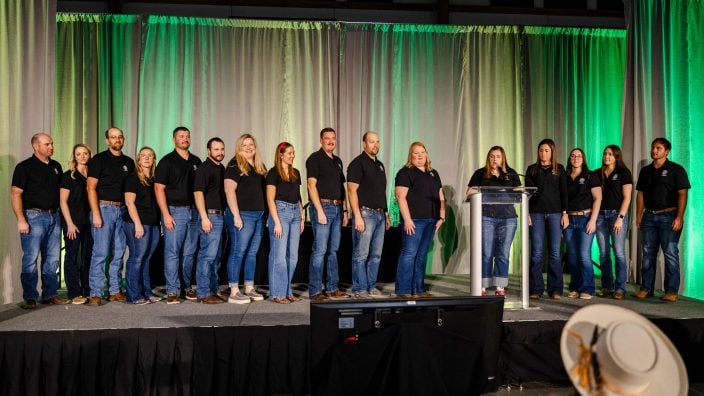
Members ages 18-34 who are interested in developing their leadership skills and enhancing programming for their peers should apply.
Read More

Senate Bill 328 is legislation designed to strengthen career-connected learning and better prepare students for Ohio’s workforce needs.
Read More
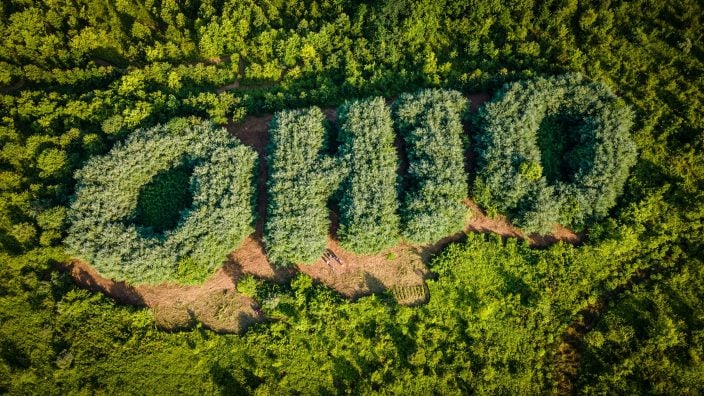
With the Family Forest Carbon Program, you can have a successful farm and get paid to grow healthy forests.
Read More
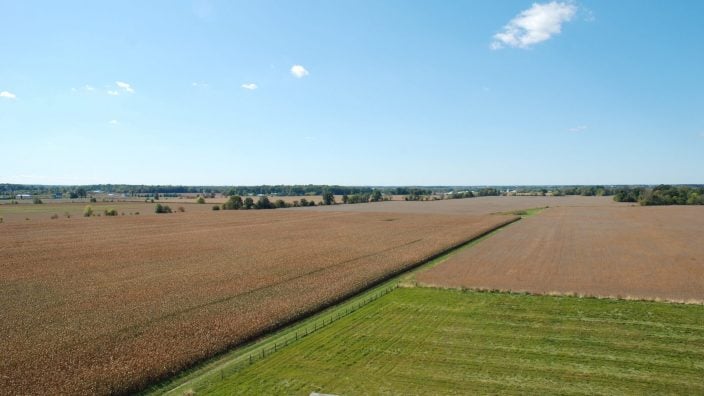
Ohio Farm Bureau recently sent a letter to Congress calling for the swift passage of the Farm, Food, and National Security Act of 2026 (HR 7567).
Read More
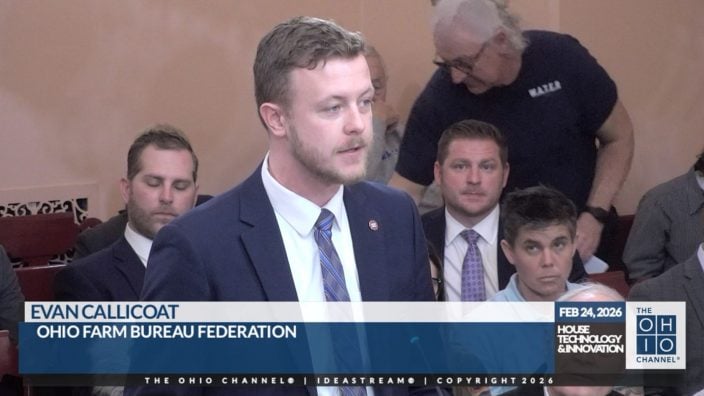
House Bill 646 would establish a Data Center Study Commission to examine the impact of rapid data center development across the state.
Read More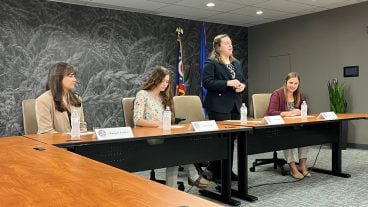
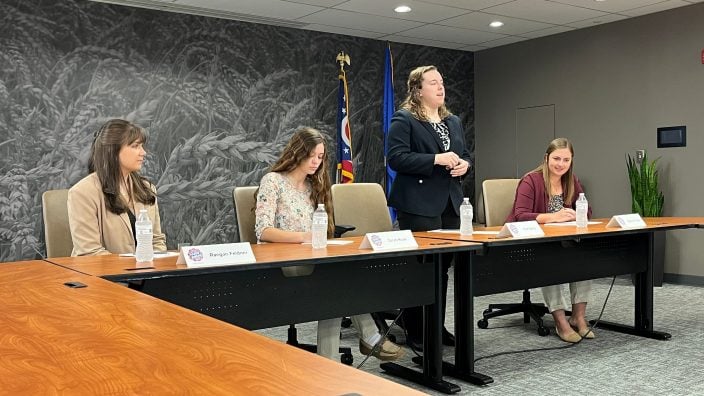
Collegiate Farm Bureau serves as a connection to current industry professionals and equips the next generation with the essential tools and resources needed to excel in their careers.
Read More

Ohio Farm Bureau members met one-on-one with state legislators and staff to discuss policy priorities impacting Ohio’s farms and rural communities.
Read More

Legacy nutrient deductions enable new farmland owners to claim deductions on the nutrients within the soil on which healthy crops depend.
Read More
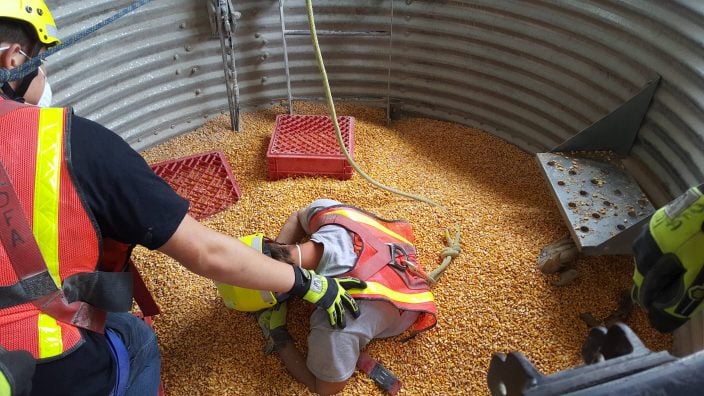
Farmers, agribusinesses and community members are encouraged to nominate their local fire departments for Nationwide’s Nominate Your Fire Department Contest through April 30.
Read More