


Applications for Ohio Farm Bureau Health Plans now available
Members have three ways to apply: contacting a certified agent, calling 833-468-4280 or visiting ohiofarmbureauhealthplans.org.
Read MoreHello all!
We are fast approaching harvest with the 2020 growing season in the books.
Unlike everything else in 2020, the growing season for most of our crops was pretty good relative to the past couple of years. As you drive through the county, you will see many soybean fields starting to turn yellow and a few dropping leaves. The soybean yields this year were looking fantastic until the latter half of August when it really dried out. That was a critical time for soybeans to start taking up water to fill the pods out nicely. We did get a shot of rain at the end of August, and I hope it wasn’t too late. Throughout Gustavus, Farmdale, Kinsman and surrounding areas, white mold is starting to be apparent, and some fields may see a 5% to 10% yield reduction based on my observations. If I had to make an educated guess on yield, I would say we will be around average.
Corn was a little more stressed by the dry weather this year, but during the yield checks I did throughout the county the corn crop doesn’t look too bad considering. Dry weather during June and July led to some pollination issues in the southern half of Trumbull, and that results in ears of corn that don’t have kernels all the way to the end of the ear. I predict the corn yields to be about average or marginally less.
As we wind down our growing year, I hope all of you are able to take a minute to think back on your practices for this year, whether it is a small garden or a large farm. What worked, what didn’t, and what would you change going into 2021? Did you make the right decision on ARC or PLC for your farms? I know COVID-19 changed a lot of markets and that was nearly impossible to predict, but don’t forget that you will have the opportunity to change your selection for 2021. OSU Extension will have more Farm Bill meetings (virtually or hopefully in person) for those that need a refresher on the decision-making tool.
This year, we were certainly able to see nutrient deficiencies more clearly due to the dry weather than we have been able to in the past couple of years. Sulfur, potassium and the occasional calcium deficiencies were not too hard to find this year. Some of those were drought related, and some were due to low soil test levels. If you haven’t done so already this year, now is a great time to soil test, or as soon as your harvest is complete. Soil testing is one of the easiest ways to save money on fertilizer, and not to mention that it is good for the environment. If you need a soil test, we sell them at our office, and we can help you interpret your soil tests no matter where you purchase them to help you plan your fertilizer program.
Another practice to reflect on this year was disease prevention. Garden diseases were pretty severe this summer despite the dry weather partly due to damp and humid nights. Downy mildew in particular was bad for cucumbers, squash, pumpkins and other cucurbits. You can identify this by the yellow and green mosaic in the leaves before they turn completely yellow. The best way to prevent this disease is to plant resistant varieties, but speaking from experience, even the most resistant varieties took a hit this year. Timely fungicide applications are needed to prevent this disease, and in controlling downy mildew on cucurbits you will also prevent powdery mildew at the same time.
As always, OSU Extension Trumbull County is still here to serve you during the pandemic. If you have questions about soil testing, plant disease, the farm bill or generally anything about agriculture give us a call. We are working remotely to answer your calls, but our office is open on Monday and Thursday from 8:30 a.m. to 4:30 p.m. if you need to drop off samples, buy soil test kits or say hello. We hope you all stay safe and healthy.
Submitted by Lee Beers, he can be reached by email or phone: 330-638-6738.
OFBF Mission: Working together for Ohio farmers to advance agriculture and strengthen our communities.


Members have three ways to apply: contacting a certified agent, calling 833-468-4280 or visiting ohiofarmbureauhealthplans.org.
Read More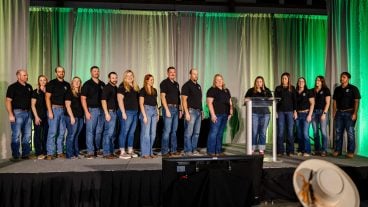
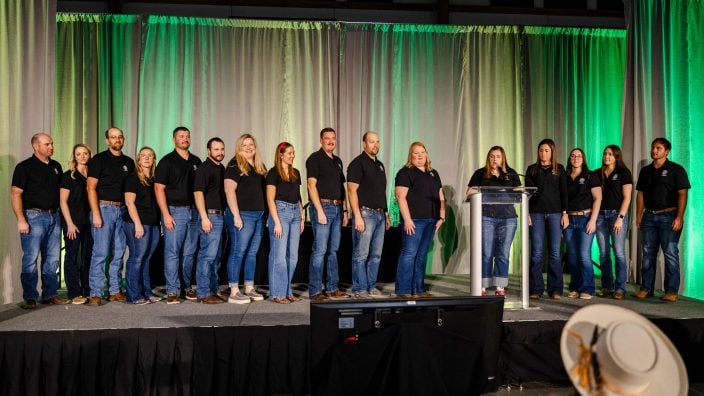
Members ages 18-34 who are interested in developing their leadership skills and enhancing programming for their peers should apply.
Read More

Senate Bill 328 is legislation designed to strengthen career-connected learning and better prepare students for Ohio’s workforce needs.
Read More
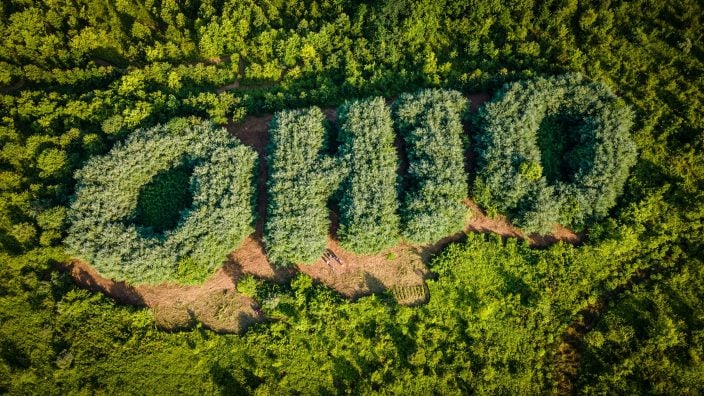
With the Family Forest Carbon Program, you can have a successful farm and get paid to grow healthy forests.
Read More
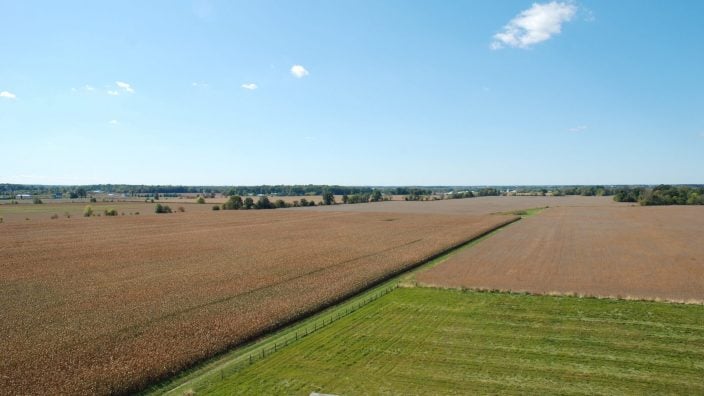
Ohio Farm Bureau recently sent a letter to Congress calling for the swift passage of the Farm, Food, and National Security Act of 2026 (HR 7567).
Read More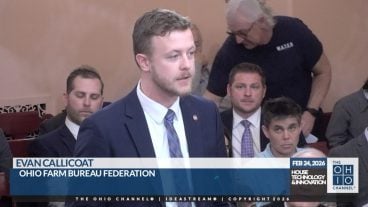
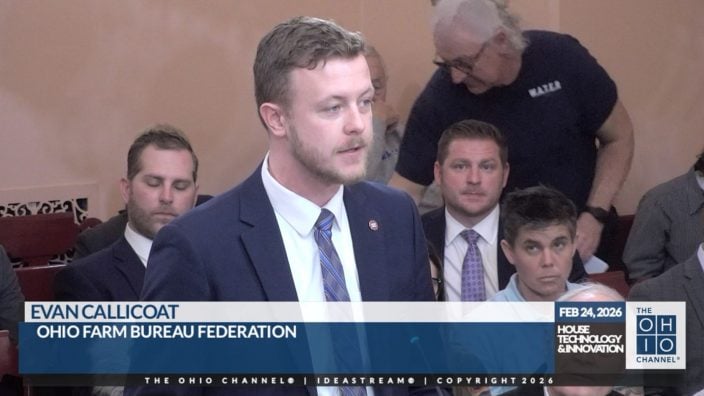
House Bill 646 would establish a Data Center Study Commission to examine the impact of rapid data center development across the state.
Read More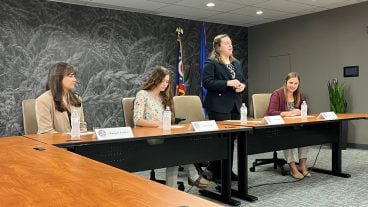
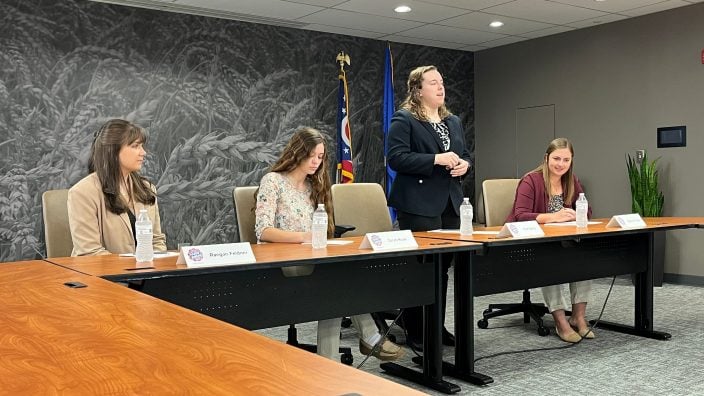
Collegiate Farm Bureau serves as a connection to current industry professionals and equips the next generation with the essential tools and resources needed to excel in their careers.
Read More

Ohio Farm Bureau members met one-on-one with state legislators and staff to discuss policy priorities impacting Ohio’s farms and rural communities.
Read More
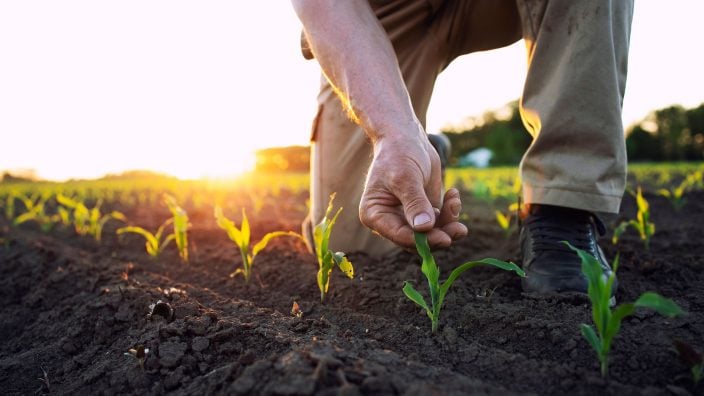
Legacy nutrient deductions enable new farmland owners to claim deductions on the nutrients within the soil on which healthy crops depend.
Read More
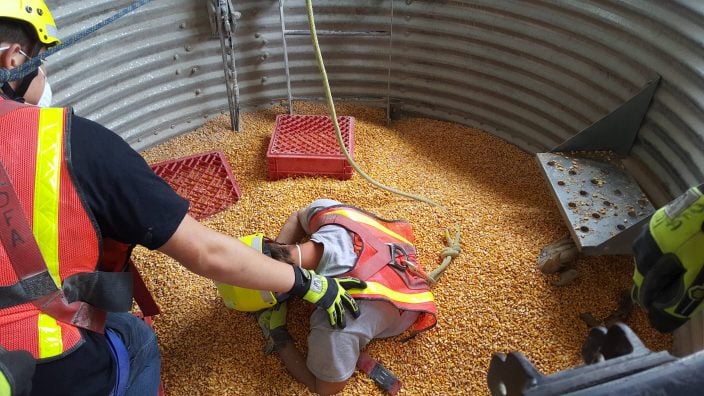
Farmers, agribusinesses and community members are encouraged to nominate their local fire departments for Nationwide’s Nominate Your Fire Department Contest through April 30.
Read More