

Applications for Ohio Farm Bureau Health Plans now available
Members have three ways to apply: contacting a certified agent, calling 833-468-4280 or visiting ohiofarmbureauhealthplans.org.
Read MoreEarlier this week, Ohio Farm Bureau’s state and county leaders were given an opportunity to visit exclusively with U.S. Department of Agriculture Secretary Sonny Perdue. Topics covered included trade, dairy pricing, labor and water quality.
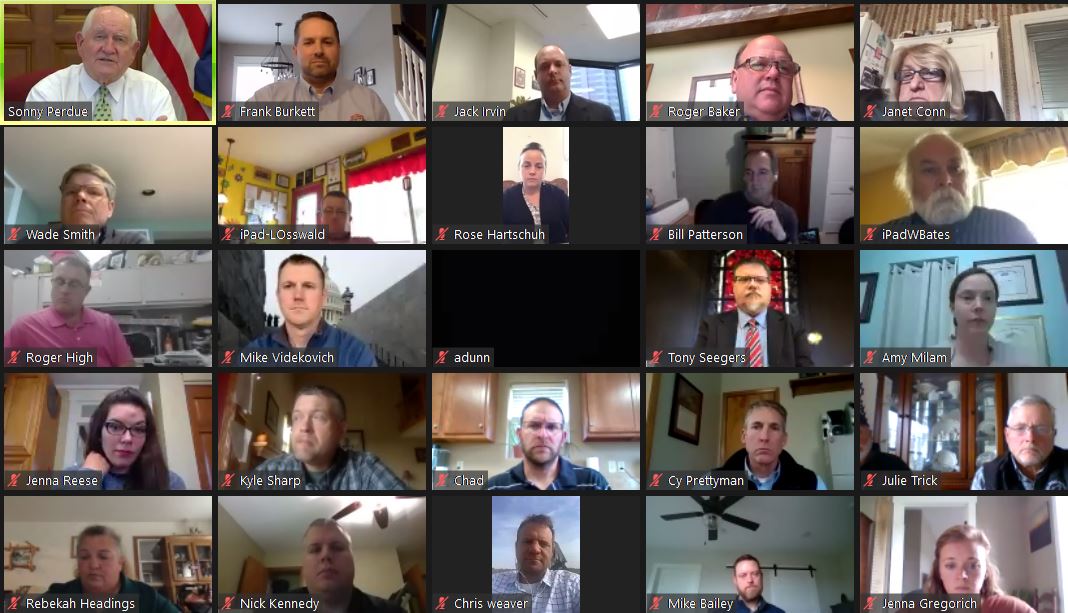
OFBF president Frank Burkett expressed his appreciation for programs like both Market Facilitation Programs and both Coronavirus Food Assistance Programs that provided to farmers assistance through trade wars and the COVID-19 crisis, but also shared his concern for how sustainable these programs are and how farmers are looking for a more steady income from selling to the markets.
“I don’t know of a good, honest farmer that wouldn’t rather have a good crop at a fair price over a government check, but when you are not having a profitable year, those checks do come in pretty handy,” Perdue said. “The reality is that those programs are not sustainable and even though farm income has gone up, as a farmer you don’t feel like it because you are not earning it across the scales, but through the mailbox.”
Perdue said that the new trade deals with Japan, China, Mexico and Canada appear to be paying off, as commodity prices are higher than they have been in some time.
Mike Videkovich, who represents District 15 on OFBF’s Board of Trustees and farms in Fairfield County, told the secretary that he was alarmed by the price differential between what the meat packers were receiving as compared to what was being seen at the farmer level. He also asked how USDA can create more competition and more domestic and regional processors across the state and the country.
Perdue said the price disparity in the beef industry isn’t just alarming, it is obscene and the investigation into that issue continues. As for adding capacity at a more local level, Perdue said that he is suggesting to those in the cattle industry to form cooperatives much like those seen in the pork and poultry sectors in order to take the benefit from integrating those inordinate retail prices when they go up.
“We are also looking at any other flexibilities from a regulatory standpoint that may facilitate the ability for local processors to participate,” Perdue said. “The consumer really likes that locally grown product so we want to help the consumer to have the availability there.”
On the regulatory front, Perdue talked about the unusual, but necessary relationship between his department and the U.S. EPA. He said both entities have worked together nicely, realizing the decisions they make, individually and collectively, have a major impact on agriculture and how the farmer does their job and applauded the new Clean Water Rule from EPA, that replaced the Waters of The U.S. rule earlier this year.


Members have three ways to apply: contacting a certified agent, calling 833-468-4280 or visiting ohiofarmbureauhealthplans.org.
Read More
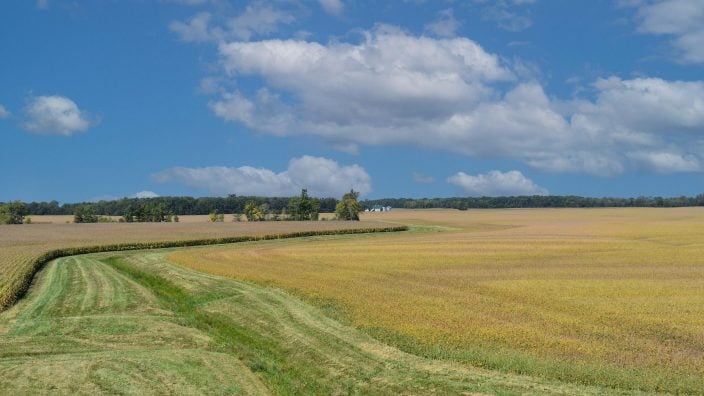
These discussions should not begin and end with a developer’s offer. Identifying family goals now gives the family something to plan around.
Read More
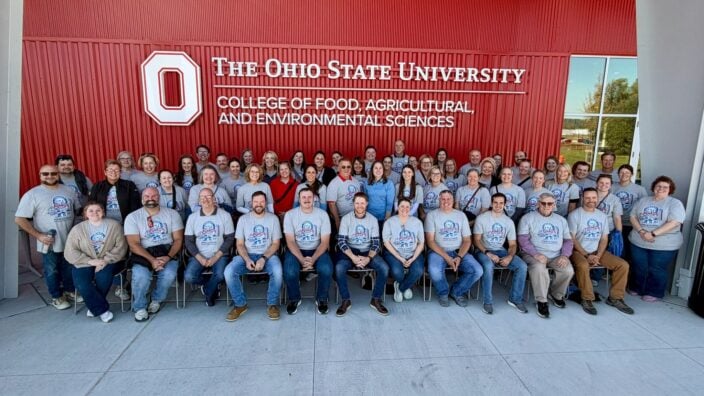
Ohio Farm Bureau joined leaders from across Ohio’s food and agriculture industry this week to pack 10,000 meals for central…
Read More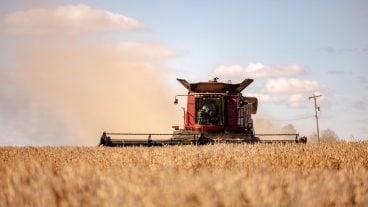
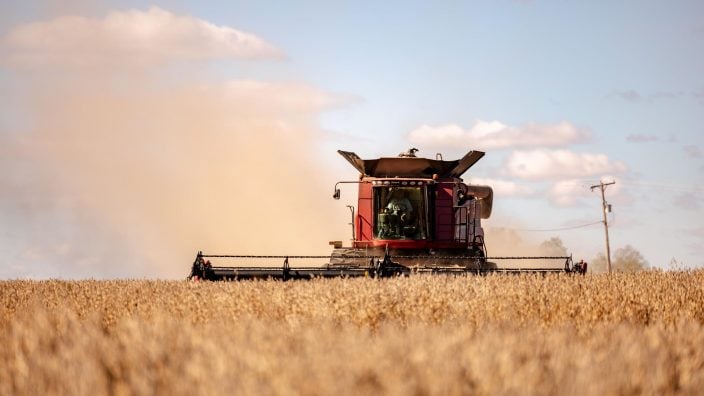
The administration recently issued an executive order easing restrictions on the use of tax-exempt dyed diesel fuel for on-road agricultural transportation.
Read More
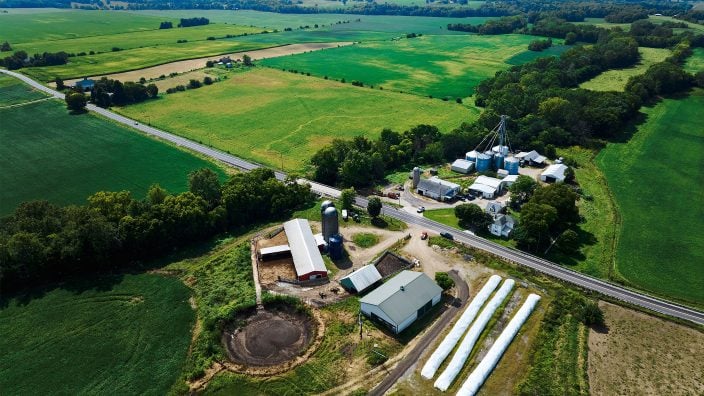
Ohio Farm Bureau Associate General Counsel Leah Curtis explains how the eminent domain process works in Ohio, what ‘quick take’ means and when it can be used.
Read More
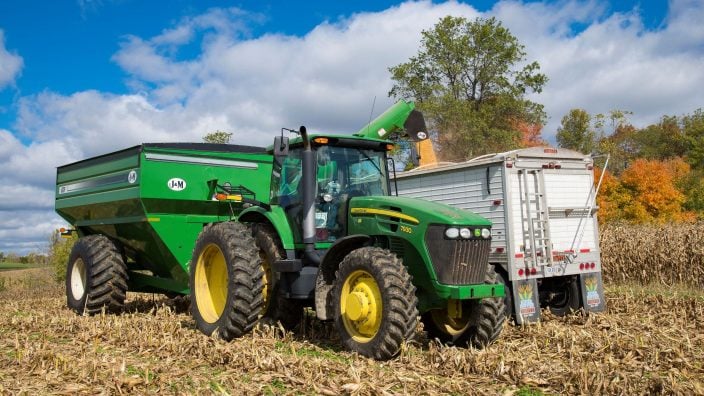
As fuel prices skyrocket across the state, lawmakers are preparing to return to the Statehouse to vote on the temporary suspension of Ohio’s gas tax.
Read More
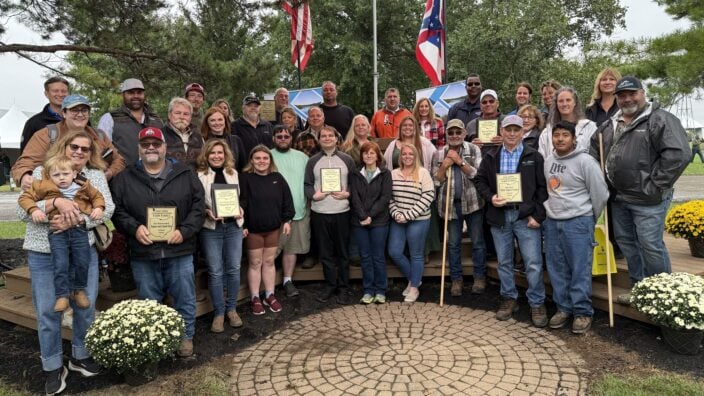
Since 1984, the Conservation Farm Family Awards program has recognized Ohio farm families for their exemplary efforts conserving soil, water, woodland, wildlife, and other natural resources.
Read More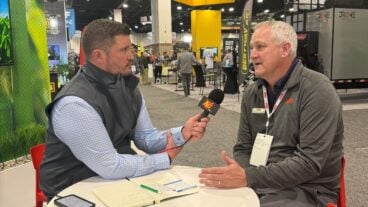
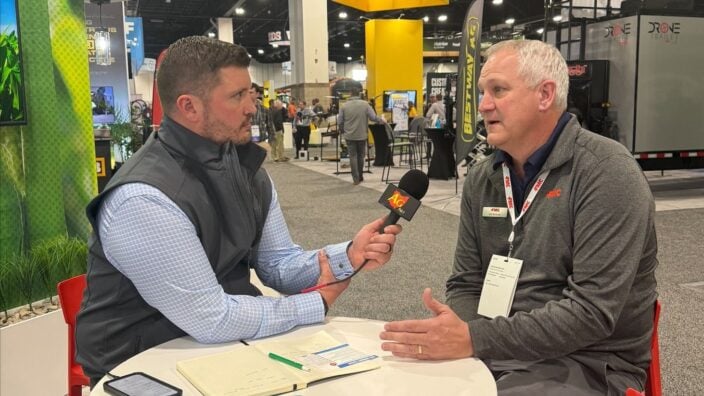
Meet Joe Everett, a Shelby County Farm Bureau Young Ag Professional who has dedicated his life to service, both in uniform and within his local community.
Read More
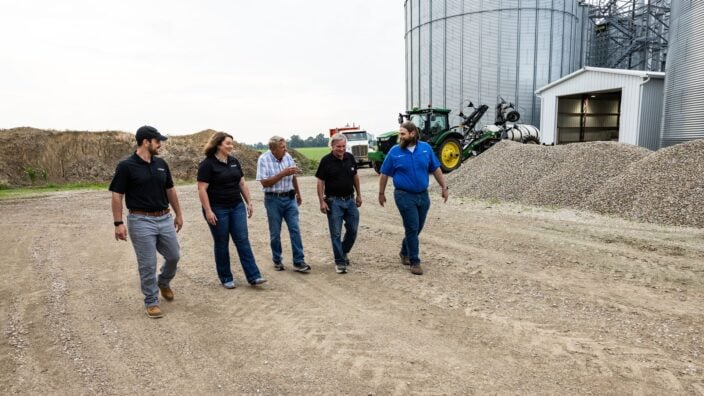
A year-end review provides an opportunity to evaluate your operation’s financial position, discuss future goals and develop strategies for the upcoming season.
Read More

Ohio Farm Bureau has created a new guide to help members better understand the laws, regulations and risk considerations that come with opening their farms to the public.
Read More