



Applications for Ohio Farm Bureau Health Plans now available
Members have three ways to apply: contacting a certified agent, calling 833-468-4280 or visiting ohiofarmbureauhealthplans.org.
Read MoreThe more you plan ahead, the quicker you’ll be able to get back up and running following a disruption to your business.
If you are a farmer, rancher or agribusiness operator, you may feel like you aren’t at risk or do not need to create a formal business continuity and contingency plan. It’s a process that takes time and often involves thinking about difficult situations that can disrupt operations. It’s something most people don’t want to think about.
But situations like severe weather and health and safety scares like the COVID-19 pandemic show the importance of being prepared for when things don’t go as planned. The more you plan ahead, the better you’ll be able to adjust to situations like these that disrupt operations. And the better you’ll be able to adjust, the quicker you’ll be able to get back up and running.
Building a business continuity and contingency plan starts with a thorough self-assessment.
Ask yourself these questions:
The disruptions that have the highest combination of severity and probability of interrupting or halting your business are the ones that require detailed, structured plans.
 For example, the COVID-19 pandemic has posed the greatest threat to the farm workforce given its health risk and the ramifications of widespread work stoppages. But a global pandemic is far less likely than crop damage from a strong windstorm or tornado.
The latter may have a more localized adverse effect on your operation, but it’s historically happened with a much higher frequency than the former. Consider the effects of such dangers specific to your operation as well as on a more macro-level, taking into account your customers and marketplace beyond the farm gate.
Once you’ve adequately prioritized your farm’s vulnerabilities and greatest risks, consider your output and how it will be affected by those risks. Just like with an initial self-assessment, this step involves asking a series of questions your agribusiness continuity and contingency plan should answer.
Ask questions like these:
The answers to the above questions will likely involve your workforce and how it can contribute to resuming operations in a comprehensive contingency plan. Think about the specific tasks for which each member of your workforce is responsible and how those tasks could be disrupted in the event of something like a severe storm or illness. Consider how you can delegate different jobs to individual employees differently if some parts of your business are disrupted.
And if those jobs are temporarily slowed or halted altogether, think about how to continue to meet the needs of your workers. Doing so has potential long-term benefits; planning for how you will work through a localized COVID-19 outbreak, for example, accounts for the health and safety needs of workers in the short term and instills confidence that you’re acting both on behalf of your agribusiness as well as their safe, secure contributions to its productivity.
 At the end of the day, building a well-thought-out contingency and continuity plan for your agribusiness may not be the most desirable task in the world, but given its importance in the event of something like a severe storm or outbreak of an illness, it’s something every agribusiness owner and manager should prioritize.
Consult your operation’s team of trusted advisors, including your local
Nationwide farm agent, to start the process today.
Additional COVID-19 resource
In the midst of a pandemic, it is important to stay safe and prepared. Nationwide’s COVID-19 resources can help you make the right decisions for your farm and employees moving forward.


Members have three ways to apply: contacting a certified agent, calling 833-468-4280 or visiting ohiofarmbureauhealthplans.org.
Read More
As fuel prices skyrocket across the state, lawmakers are preparing to return to the Statehouse to vote on the temporary suspension of Ohio’s gas tax.
Read More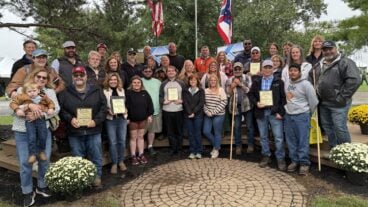
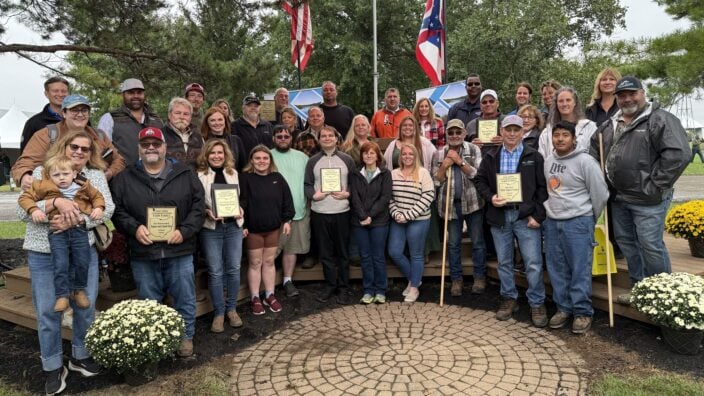
Since 1984, the Conservation Farm Family Awards program has recognized Ohio farm families for their exemplary efforts conserving soil, water, woodland, wildlife, and other natural resources.
Read More
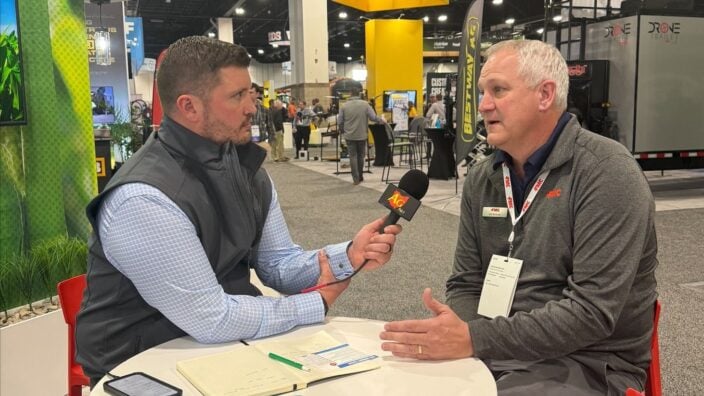
Meet Joe Everett, a Shelby County Farm Bureau Young Ag Professional who has dedicated his life to service, both in uniform and within his local community.
Read More
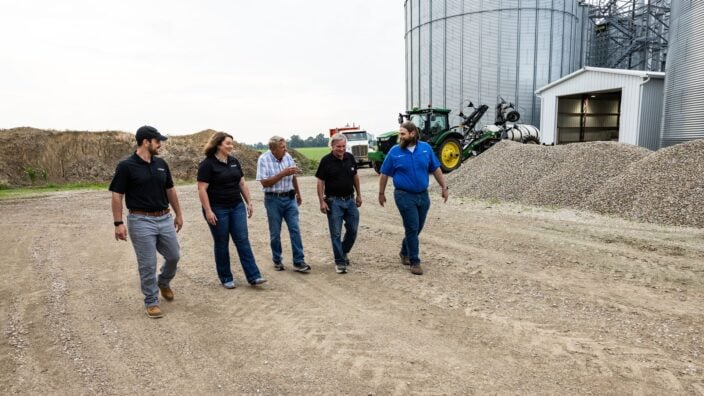
A year-end review provides an opportunity to evaluate your operation’s financial position, discuss future goals and develop strategies for the upcoming season.
Read More

Ohio Farm Bureau has created a new guide to help members better understand the laws, regulations and risk considerations that come with opening their farms to the public.
Read More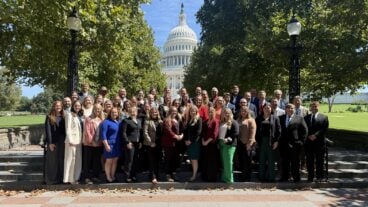
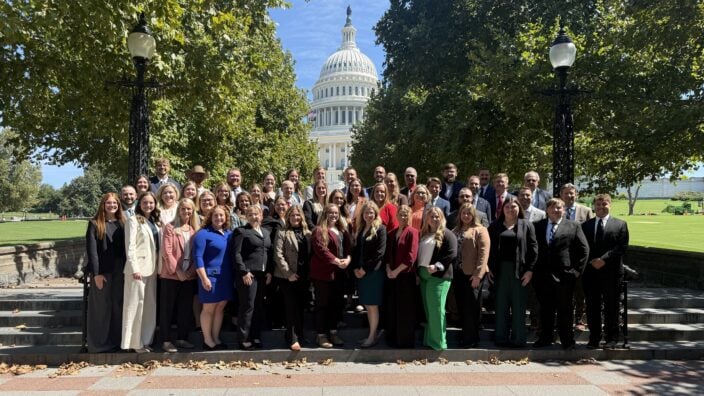
The groups received a firsthand look at agricultural policy, advocacy and leadership in the nation’s capital.
Read More
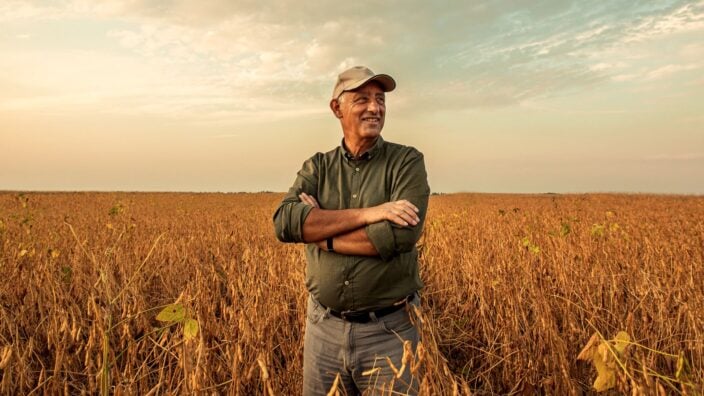
By prioritizing safety and health, you protect yourself and those around you, reduce downtime, and ensure your operation runs smoothly.
Read More
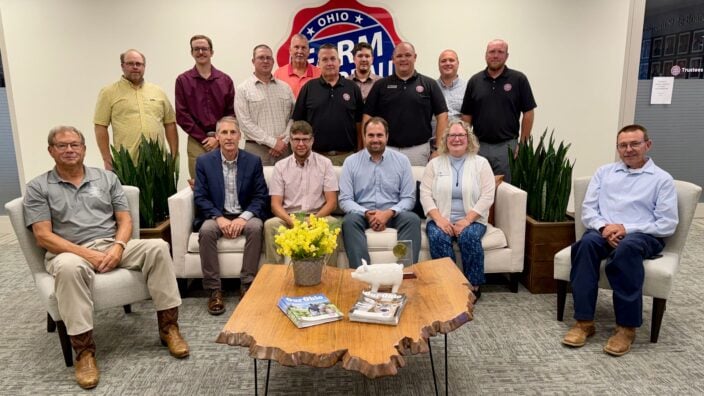
Twenty leaders have been named to the 2026 Ohio Farm Bureau Federation Policy Development Committee.
Read More
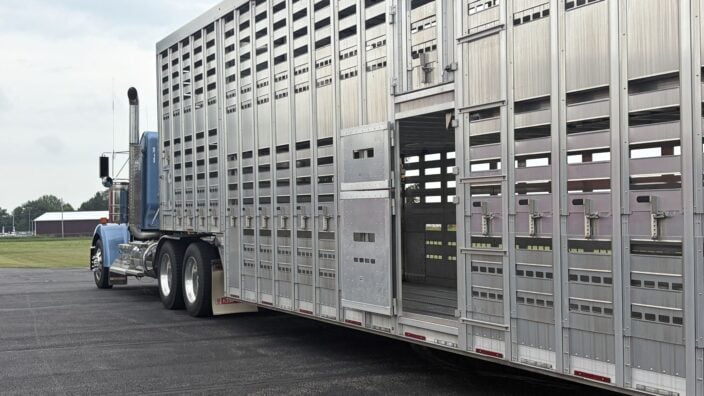
Two specialized, hands-on training sessions will address high-risk agricultural emergencies: manure pit rescues in confined spaces and roadside livestock transportation accidents.
Read More