


Applications for Ohio Farm Bureau Health Plans now available
Members have three ways to apply: contacting a certified agent, calling 833-468-4280 or visiting ohiofarmbureauhealthplans.org.
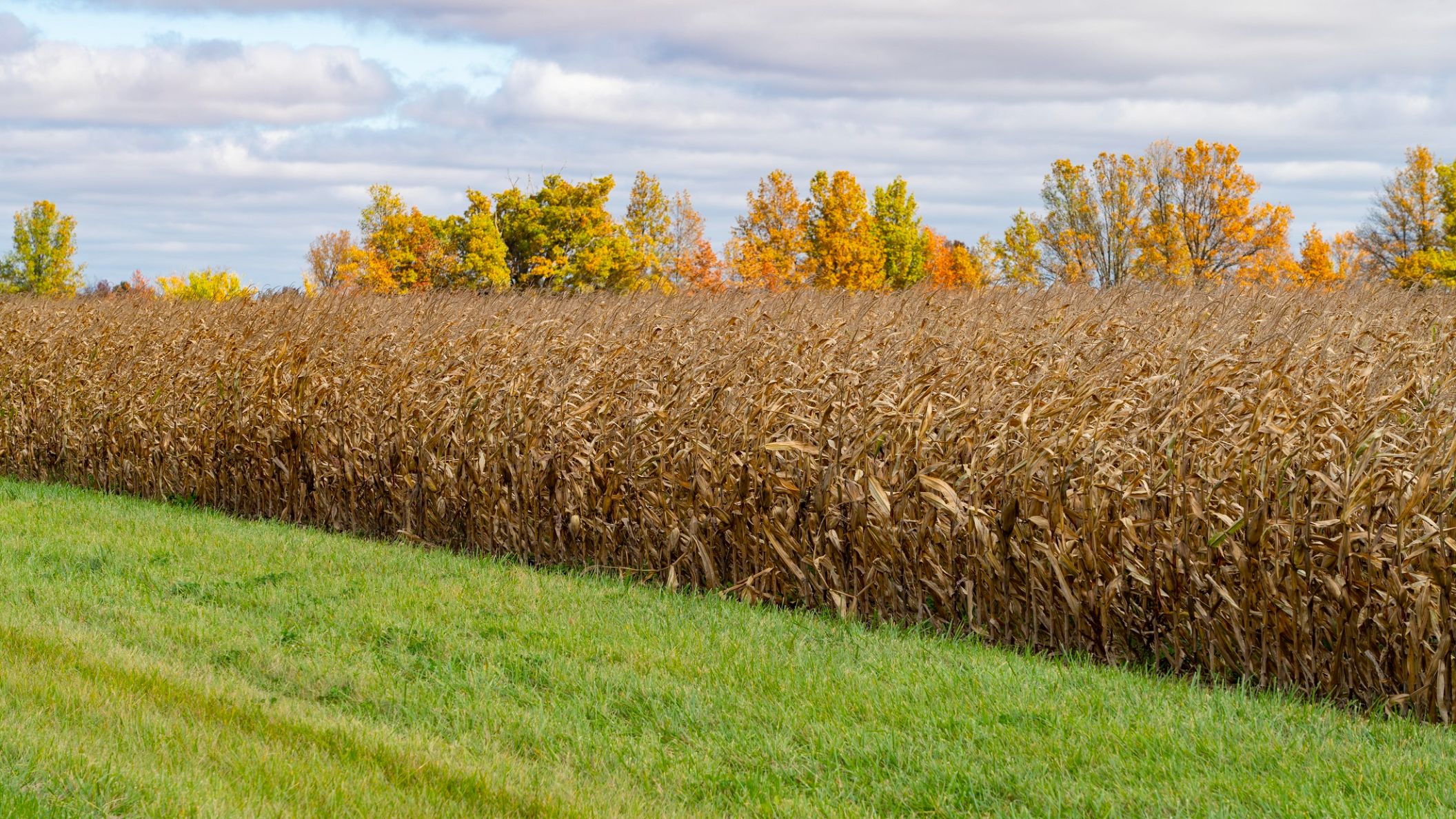
Read MoreAlthough Ohio farmers brought in a very respectable corn crop in terms of yields in 2020, the quality of that corn has been heavily impacted by vomitoxin.
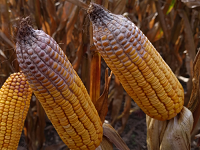
Vomitoxin is a result of a corn ear mold. The planting and pollination dates are major factors in the development of vomitoxin, and this year caused the perfect storm with a cool, damp September, impacting the later planted fields.
According to Ohio State University Extension Educator Erika Lyons, one central Ohio elevator has been rejecting corn at 5 parts per million (ppm), with estimates of 10% of corn being rejected this season, but the issue stretches much further.
“Normally we will see minor vomitoxin breakouts in small geographies, but this is a widespread issue throughout Ohio this year,” said John Brien, eastern agronomy manager with AgriGold, an Ohio Farm Bureau group member. “In some cases it is extremely severe, to the point where growers may not have a place to take their corn.”
Brien has heard of instances of vomitoxin in corn testing at over 20 to 30 ppm.
Matthew King, national claims manager for ProAg Crop Insurance and a Delaware County Farm Bureau member, said this year’s vomitoxin numbers are “off the charts” and farmers may have to be patient and creative in order to find a place to sell their corn with high vomitoxin levels.
“Certain elevators have different parameters than others because of their market,” King said. “For example, ethanol plants are a little more strict in what they can accept because they sell the ethanol byproduct, dried distillers grains (DDGs), to livestock producers as feed where higher levels of vomitoxin could be detrimental.”
There is a USDA standard for vomitoxin in Ohio that allows for zero to 5 ppm levels in corn. Ratings from five to 10 ppm are considered more severe and anything over a 10 is considered hazardous and extremely difficult to market. Growers need to have the corn sampled by their crop insurance company in order to use these standards for claims.
“Crop insurance may be able to give farmers who are in those types of situations some protection,” King said. “It can’t help if you contracted with an elevator and you can’t deliver there, but it does give you a little variability because if your corn tests at a certain level, you can keep a claim open for a good period of time while you try to get it sold to another buyer. If you simply can’t get it sold, there are discount levels that can be applied that will help you get a claim against the unsold bushels that will offset some of the lost revenue.”
King said right now it is a difficult situation with so much corn on the market after harvest, but his previous experience with vomitoxin issues suggests that the higher-level vomitoxin corn will eventually be taken, giving farmers an opportunity to move that corn off the farm.


Members have three ways to apply: contacting a certified agent, calling 833-468-4280 or visiting ohiofarmbureauhealthplans.org.
Read More
This new partnership provides members access to preventive cardiovascular and stroke risk screenings at a member-preferred rate.
Read More
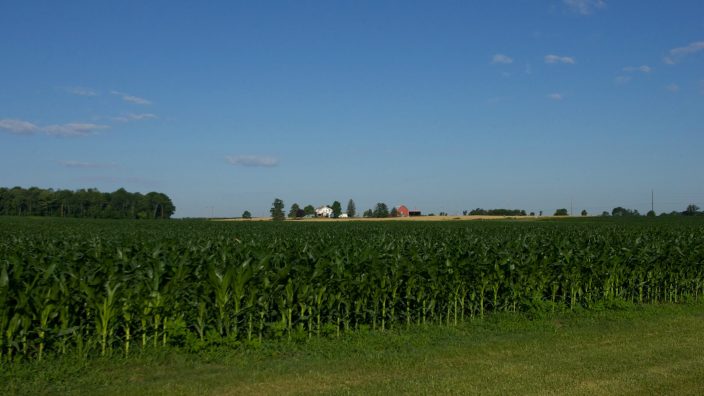
Congress is considering standalone legislation to allow the permanent, year-round sale of E15. Members can use the action center to contact their member of Congress.
Read More

Thanks to the engagement of Farm Bureau members, the U.S. House of Representatives passed a new farm bill April 30. American Farm Bureau President Zippy Duvall asked the Senate to quickly take the next step.
Read More

A recent meteorite in northeast Ohio has sparked fascination and a few legal questions. Leah Curtis joins to discuss what this rare event means for landowners.
Read More
House Bill 125 will permit students to have a limited number of excused absences for 4-H and FFA events, ensuring they are not disciplined for attending.
Read More
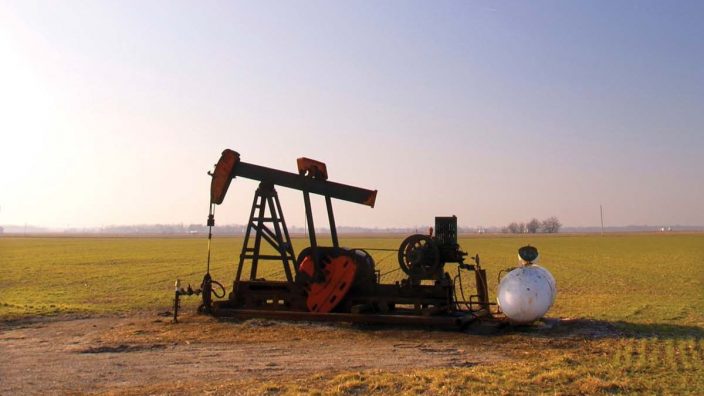
Conferring with a knowledgeable attorney is beneficial and important to ensure you understand your rights and obligations that may result from this type of transaction.
Read More
Meet Mattea Shockling, agricultural navigator serving Noble, Guernsey and Morgan counties.
Read More

Leah Curtis discusses Rails to Trails projects, potential impact on farmland when these conversions happen and Farm Bureau’s role in a North Carolina case.
Read More
While often seen as paperwork, a balance sheet is actually one of the most important tools producers have for evaluating risk and making informed decisions.
Read More