


Applications for Ohio Farm Bureau Health Plans now available
Members have three ways to apply: contacting a certified agent, calling 833-468-4280 or visiting ohiofarmbureauhealthplans.org.
Read MoreThe term “stray voltage” has been used for over 50 years to describe the existence of voltage between two objects that should not, under normal circumstances, have any voltage difference between them. All stray voltage is unintentional and undesirable, yet it is not all that uncommon.
In this Legal with Leah, Ohio Farm Bureau Policy Counsel Leah Curtis shares how an Ohio dairy farm, recently impacted by stray voltage, actually found themselves in court because of it.
Listen to Legal with Leah, a podcast featuring Ohio Farm Bureau’s Policy Counsel Leah Curtis discussing topics impacting farmers and landowners.
Ty Higgins [00:00:00] The term stray voltage has been used for over 50 years to describe the existence of voltage between two objects that should not under normal circumstances have any voltage difference between them. All stray voltage is unintentional and undesirable, yet it’s not all that uncommon. In fact, an Ohio dairy farm was recently impacted by stray voltage and actually found themselves in court because of it. For this Legal with Leah, Ohio Farm Bureau Policy Counsel Leah Curtis joins us to find out more about stray voltage in the case involving an Ohio dairy.
Ty Higgins [00:00:31] Before we get into the legal part of this case and stray voltage, give us in more detail what exactly stray voltage is.
Leah Curtis [00:00:39] OK, so I am no expert on electricity, but stray voltage is basically when a power line’s neutral line is leaking electrical current into the ground. And so a common cause will be a neutral wire that’s too small or it’s damaged. And so like we all learn in grade school, the electricity is trying to find a way to get to the ground and that problem with the neutral wire allows that voltage to get into the ground.
Ty Higgins [00:01:05] I mentioned this isn’t uncommon. And recently a dairy farm here in the Buckeye State experienced stray voltage issues, but on a catastrophic scale.
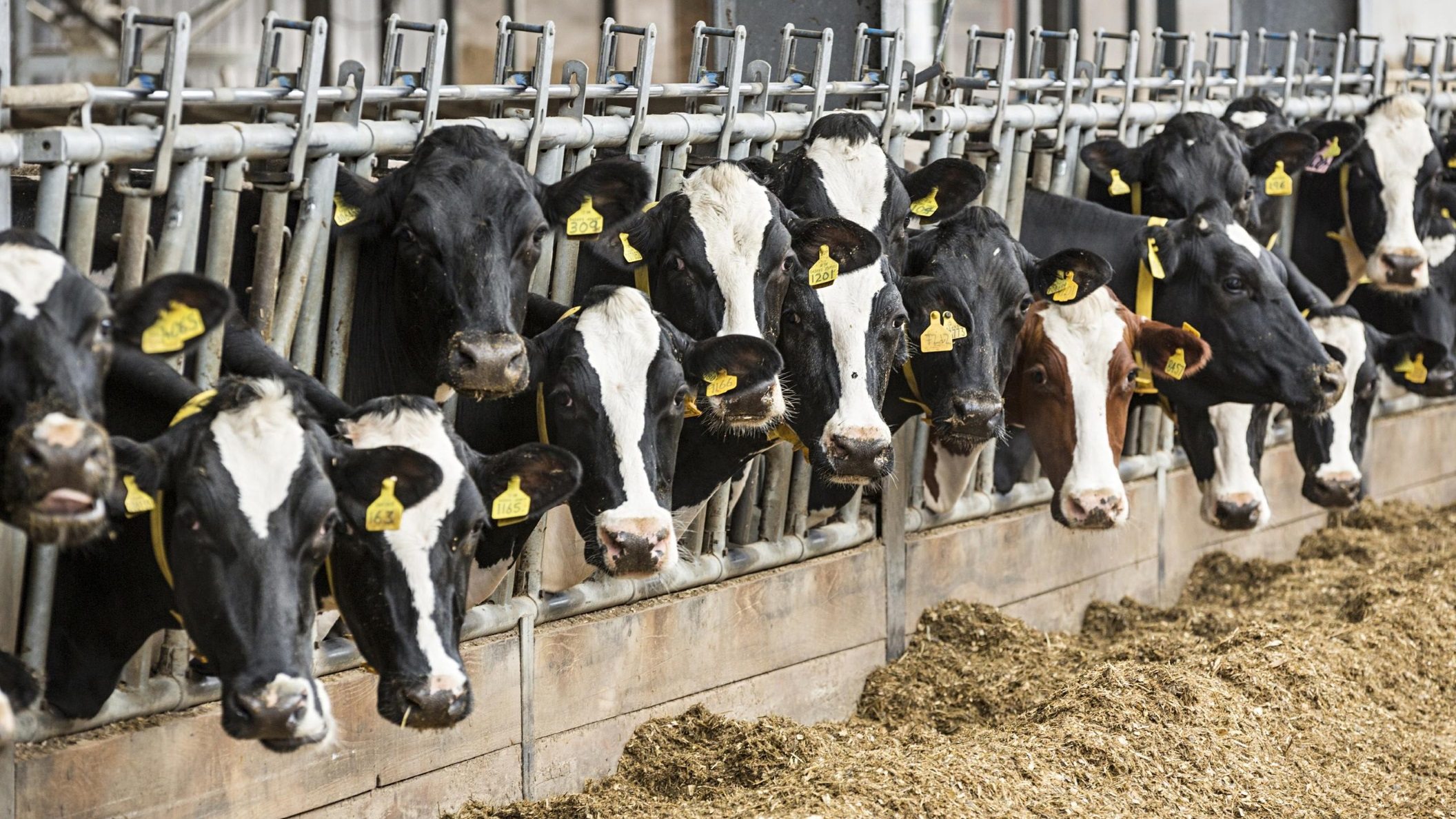
Leah Curtis [00:01:13] Yes. So with stray voltage, particularly in dairy farms, not all that common. We heard about it over the years, and that’s where essentially the cow becomes the conductor for that electricity. And so what can happen is that those cattle will stop producing milk.
Leah Curtis [00:01:30] They may stop eating due to basically they’re getting kind of an electrical shock every time they’re touching the metal or they’re touching the machinery or the milking machines.
Leah Curtis [00:01:39] And so this dairy farmer did have a stray voltage issue. They lost some cattle and their business was contracting while they were trying to figure out what was going on.
Ty Higgins [00:01:50] And this all ended up in court. How?
Leah Curtis [00:01:53] It ended up in court as many issues unfortunately do due to an insurance dispute. So what is actually covered by their insurance policy and what was not? And so eventually the insurance company filed the lawsuit seeking to have the court determine what should be covered. And the court ruled that the loss of livestock was covered by the policy because the language of the policy did cover that, but that it did not cover the loss of business income. And that was because the specific language of that policy required a complete shutdown of the business. And the dairy farm had not completely shut down. They had just contracted due to this issue.
Ty Higgins [00:02:30] So what does that mean for the dairy farm and what does it mean for other dairy farms and other farms, for that matter, that might see this issue down the road?
Leah Curtis [00:02:38] So what I see from this case and I hope we can help some members with, is that this is really the importance of being in an open discussion with your insurance company, your insurance agent. Make sure you’re reviewing your policies on a regular basis. Know what your coverage and your exclusions are. Make sure you’re asking questions about your coverage.
Leah Curtis [00:02:59] If there are things you know that are happening to your neighbors or to other people, ask hypothetically, how would you handle that, or what would happen if that happened on my farm?
Leah Curtis [00:03:09] And then, number one, we unfortunately hear this all the time. This wasn’t the case here, but make sure your agent knows what you’re doing. Make sure they know what your business is. They know what activities you’re doing. We unfortunately hear from people all the time who have something happen. And then it turns out they didn’t actually have coverage for what they were doing because their insurance company never knew what was happening on their farm.
Leah Curtis [00:03:31] So if you add new types of business or new types of commodities or whatever, make sure your insurance agent is a part of that discussion and knows what you’re doing and you know have coverage for it.
Ty Higgins [00:03:42] Communication and relationships are key between farmers and their insurance agents. This is just one example of why that communication is so important. Leah Curtis is policy counsel with Ohio Farm Bureau. This has been Legal with Leah. I’m Ty Higgins. We’ll see you down the road.


Members have three ways to apply: contacting a certified agent, calling 833-468-4280 or visiting ohiofarmbureauhealthplans.org.
Read More
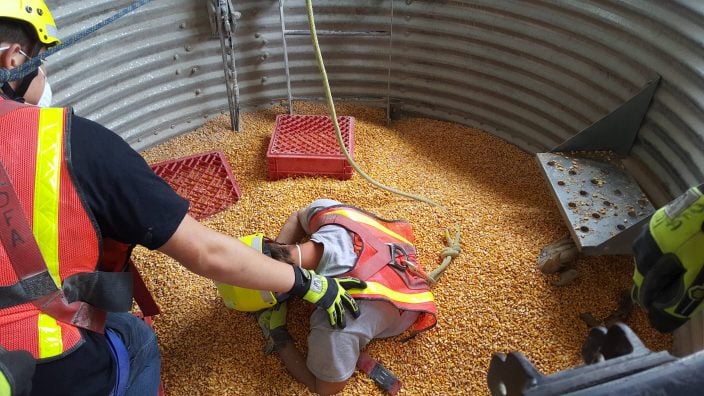
Farmers, agribusinesses and community members are encouraged to nominate their local fire departments for Nationwide’s Nominate Your Fire Department Contest through April 30.
Read More
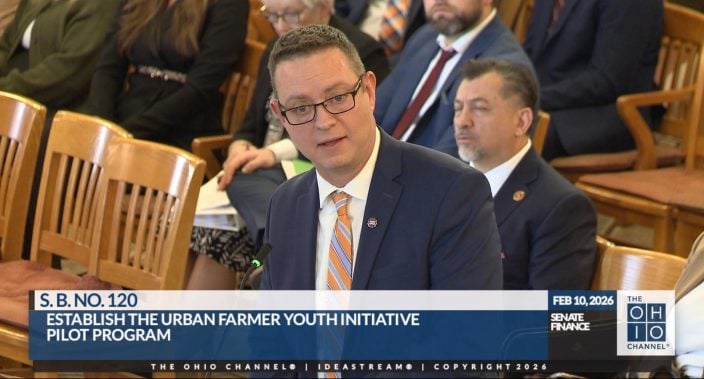
Introduced by Sen. Paula Hicks-Hudson, SB 120 would establish the Urban Farmer Youth Initiative Pilot Program.
Read More
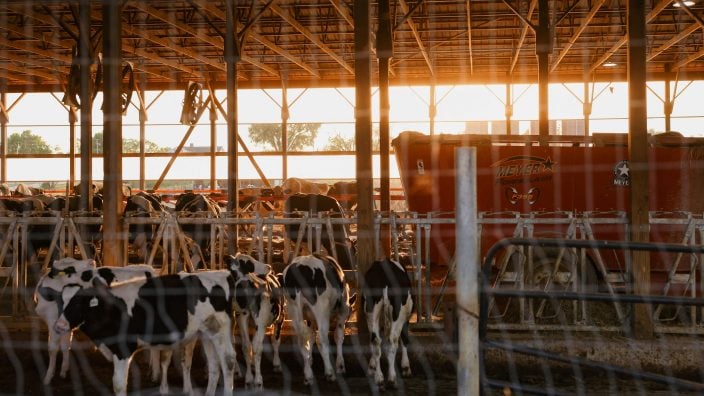
Gases, vapors, and fumes can all create risk. How can we measure and protect ourselves from them?
Read More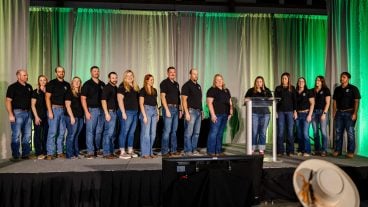
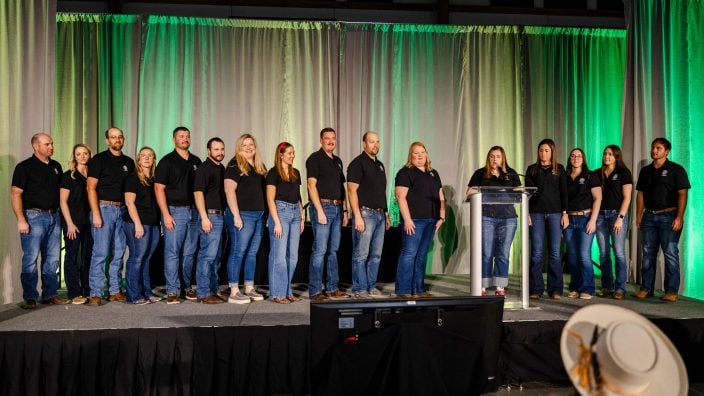
The Ohio Farm Bureau’s Young Agricultural Professionals State Committee has named its 2026 leadership and the individuals who will be serving on the state committee for 2026-2028.
Read More

The Ohio Farm Bureau Foundation has multiple scholarships available to Ohio students from rural, suburban and urban communities who are pursuing degrees with a connection to the agricultural industry.
Read More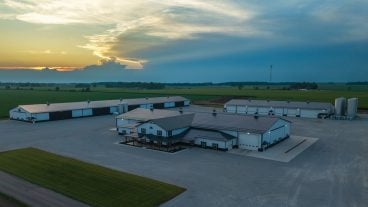
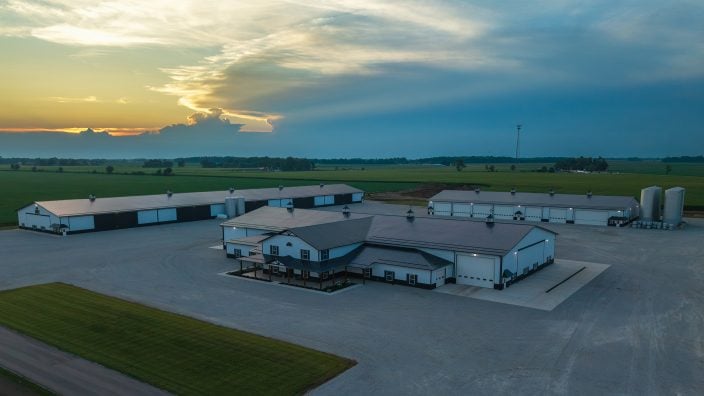
With 100% bonus depreciation now permanent, farmers can deduct the full cost of a new agricultural building in the year it’s placed in service.
Read More
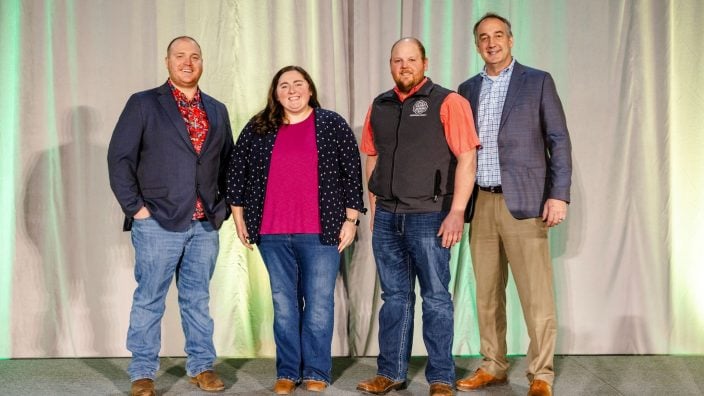
Lincoln Deitrick was named the Outstanding Young Farmer, Denver Davis won the Excellence in Agriculture Award, and Margaret Houts won the Discussion Meet.
Read More
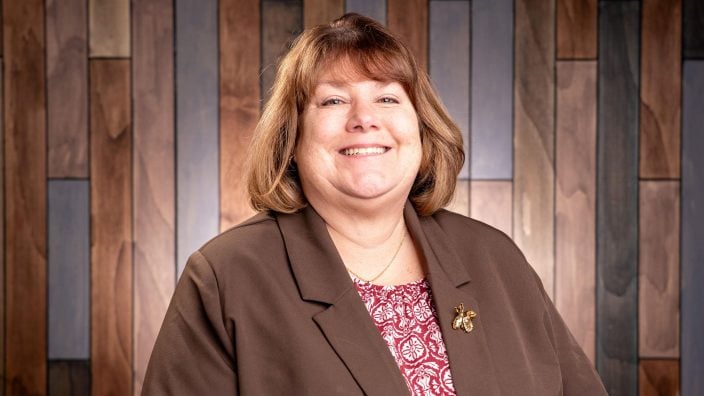
Michelle Downing of Franklin County has been named finance director of county operations for Ohio Farm Bureau.
Read More
Remember why you joined Farm Bureau and find others that want to join for the same reasons. ~ Alicia Weaver
Read More