



Applications for Ohio Farm Bureau Health Plans now available
Members have three ways to apply: contacting a certified agent, calling 833-468-4280 or visiting ohiofarmbureauhealthplans.org.
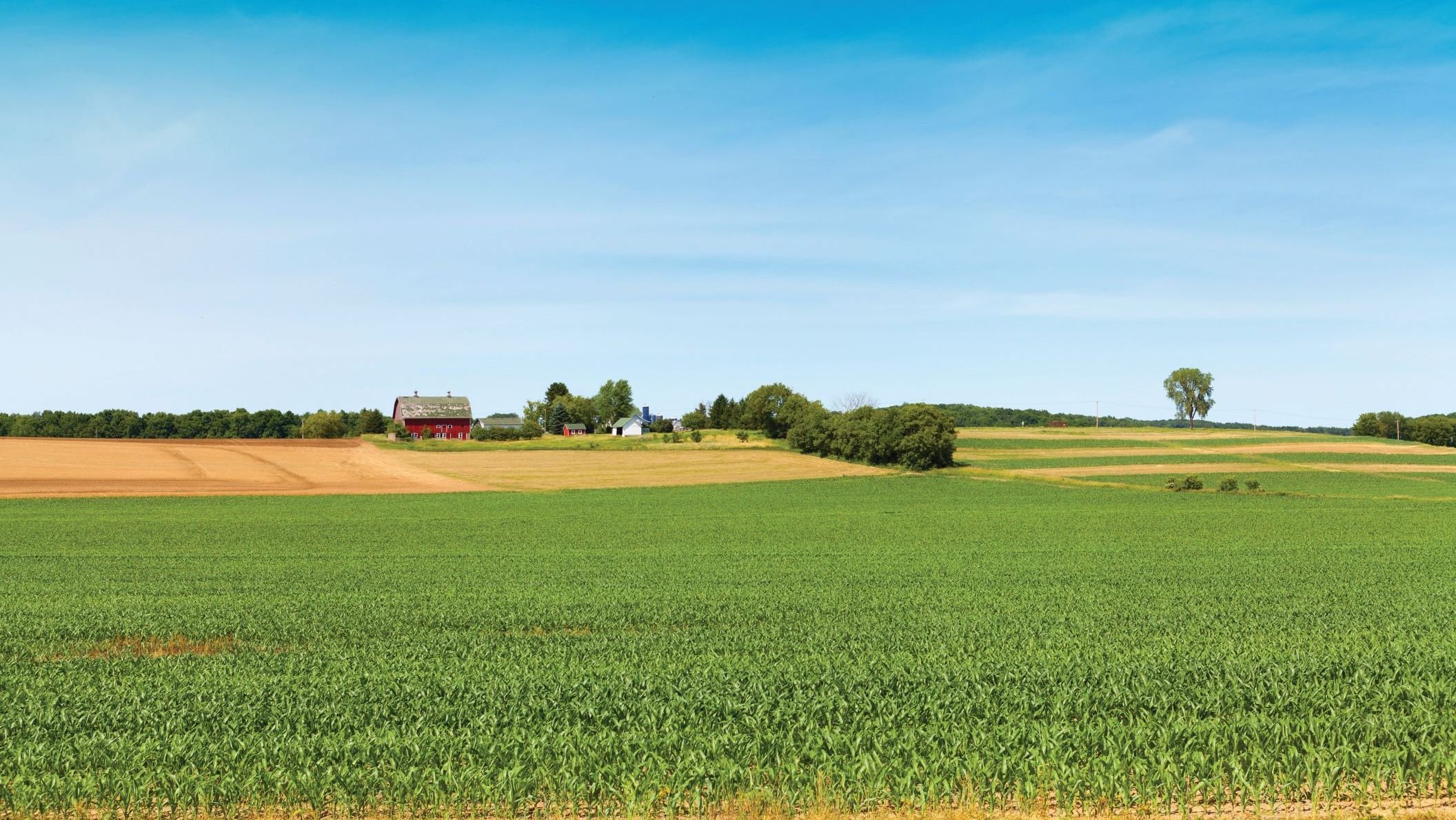
Read MoreApril showers bring May flowers … and the wonderful smells of spring. In many areas of Ohio, Trumbull County included, it also brings some intense smells from animal agriculture. Even though we may not enjoy these smells, there is a benefit to all Ohioans from agriculture.
Animal agriculture contributes nearly $8 billion to Ohio’s economy annually and employs nearly 38,000 Ohioans. How can it do that? According to the Ohio Livestock Coalition, each year, farmers in Ohio produce: 7.4 billion eggs; 338 million pounds of chicken; 5.2 million turkeys; 500 million pounds of beef; 997 million pounds of pork; 1.2 million pounds of lamb; and 600 million gallons of milk. So, not only does animal agriculture stimulate our economy, it provides consumers with a variety of excellent sources of protein.
It takes a lot of animals to accomplish all of that, which brings us back to the smell. Animals produce waste, and lots of it. Farmers don’t view manure as waste, but as natural fertilizer that has economic value. To maximize the nutritional benefit to the soil and to the crops planted, farmers use soil tests to provide estimates of nutrients already contained in the soil. Nitrogen, phosphorus and potassium are the primary nutrients monitored. Using this data along with what crop will be planted will determine how much and where the manure will be applied. Corn and wheat crops have different nutrient demands than soybeans and alfalfa.
Timing is a big factor. Manure has to be incorporated into the soil close to the time grain crops are being planted so that nutrients are readily available when the grain seed begins to grow. This timing reduces the need for commercial fertilizers.
Another big factor in ensuring the maximum benefit of manure is the moisture content of the soil. The amount of manure applied is limited by the available water-holding capacity of the soil. This spring we have had moderate to warmer temperatures and drier than normal rainfall, which is making for a good manure management spring. (Hopefully, I didn’t just jinx that.)
It is critical to keep added nutrients, whether it is commercial fertilizers or manure, in the fields where they are applied to protect water quality. The Blanchard River Demonstration Farms Network project began in 2015 out of the desire by farmers to make sure they were doing their very best to protect Ohio’s water resources and soil health while doing what they love … farm. Four farms have partnered with the Ohio Farm Bureau Federation and USDA Natural Resources Conservation Service to become models for new innovations that reduce and prevent nutrient displacement. Research during the early years of the project established baseline information using common standard farming practices that has been used to create and evaluate new practices.
It’s exciting to know that this research is continuing with many agricultural partners: Ag Credit, Farm Credit Mid-America, Ohio Federation of Soil and Water Conservation Districts, Legacy Farmers Cooperative, Ohio AgriBusiness Association, Ohio Corn and Wheat Growers, Ohio Dairy Producers Association, ODNR, Ohio Pork Council, Ohio Soybean Council, OSU, USDA ARS & NRCS, Ohio EPA, Ohio Department of Agriculture, Sunrise Coop, and the Nature Conservancy of Ohio. Really it is the whole agricultural community that cares.
As we all put up with the smells of spring — or anytime this summer or fall — I hope it will remind you of this article and that the farmer is the ultimate steward of the land, working and living a lifestyle that provides safe, quality food to you and those who have chose other professions.
Submitted by Mary Smallsreed, a member of the Trumbull County Farm Bureau and grew up on a family dairy farm in northeast Ohio.
OFBF Mission: Working together for Ohio farmers to advance agriculture and strengthen our communities.


Members have three ways to apply: contacting a certified agent, calling 833-468-4280 or visiting ohiofarmbureauhealthplans.org.
Read More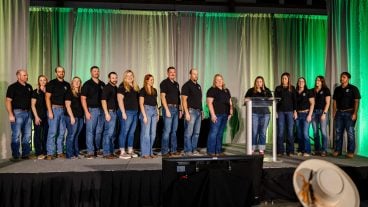
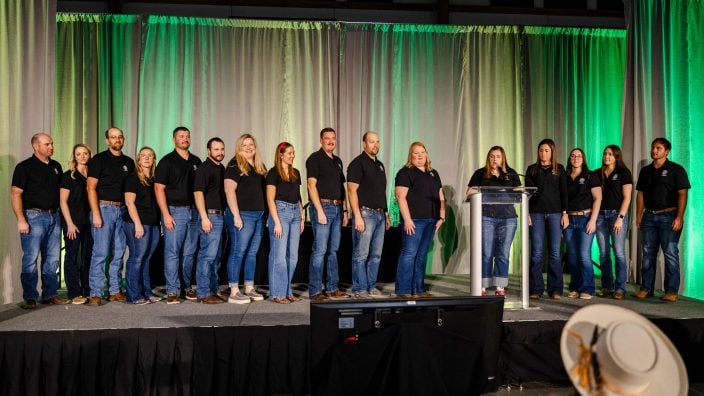
Members ages 18-34 who are interested in developing their leadership skills and enhancing programming for their peers should apply.
Read More

Senate Bill 328 is legislation designed to strengthen career-connected learning and better prepare students for Ohio’s workforce needs.
Read More
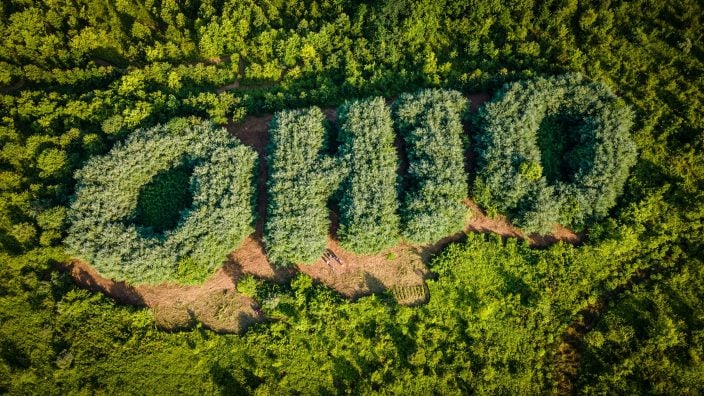
With the Family Forest Carbon Program, you can have a successful farm and get paid to grow healthy forests.
Read More
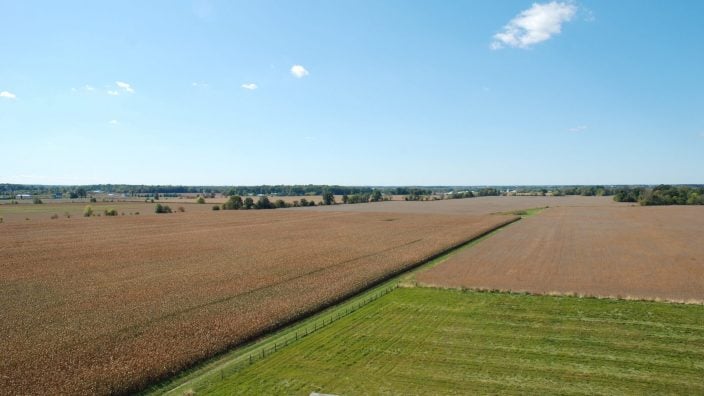
Ohio Farm Bureau recently sent a letter to Congress calling for the swift passage of the Farm, Food, and National Security Act of 2026 (HR 7567).
Read More
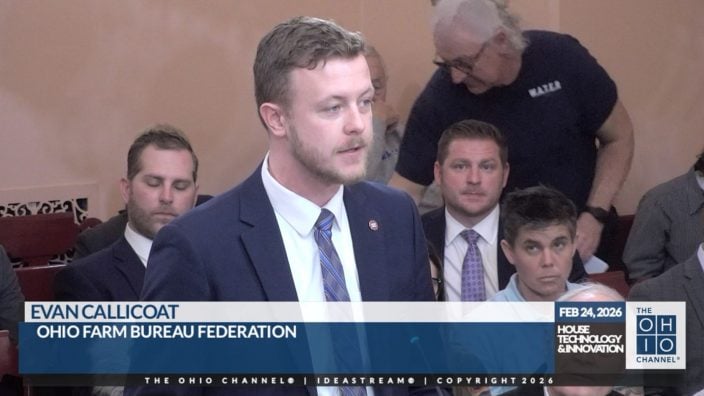
House Bill 646 would establish a Data Center Study Commission to examine the impact of rapid data center development across the state.
Read More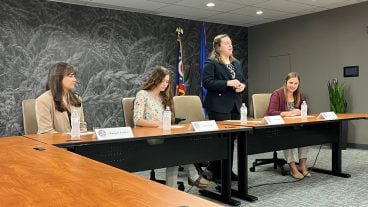
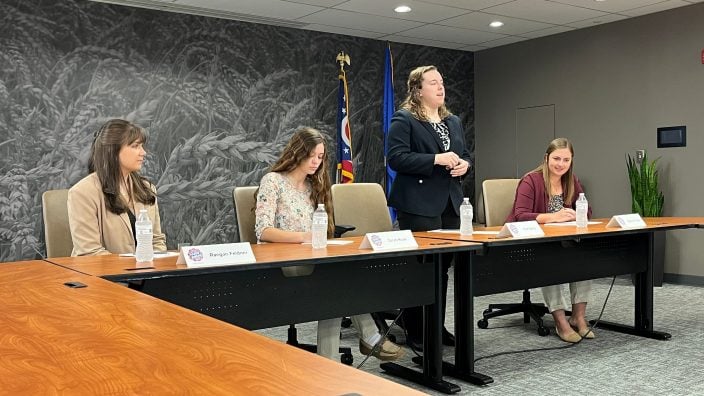
Collegiate Farm Bureau serves as a connection to current industry professionals and equips the next generation with the essential tools and resources needed to excel in their careers.
Read More

Ohio Farm Bureau members met one-on-one with state legislators and staff to discuss policy priorities impacting Ohio’s farms and rural communities.
Read More
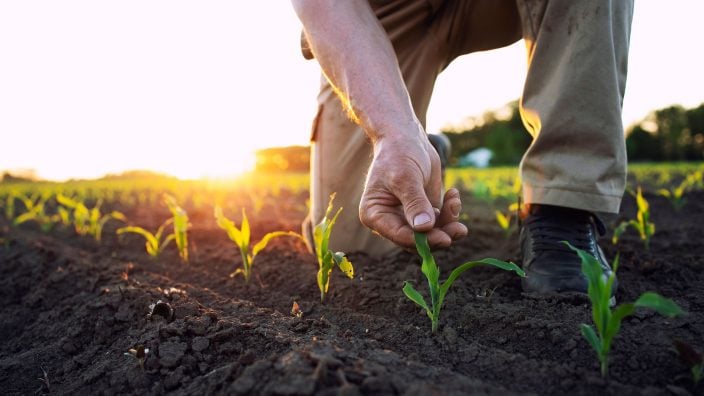
Legacy nutrient deductions enable new farmland owners to claim deductions on the nutrients within the soil on which healthy crops depend.
Read More
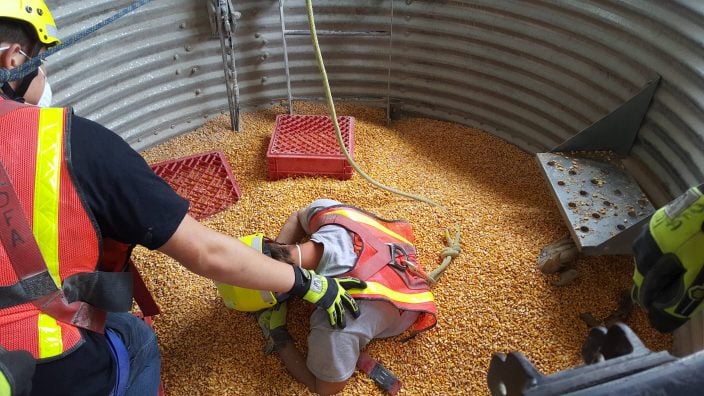
Farmers, agribusinesses and community members are encouraged to nominate their local fire departments for Nationwide’s Nominate Your Fire Department Contest through April 30.
Read More