



Applications for Ohio Farm Bureau Health Plans now available
Members have three ways to apply: contacting a certified agent, calling 833-468-4280 or visiting ohiofarmbureauhealthplans.org.
Read MoreBrrrrr… Who turned off the heat? After the unseasonably warm spring we were having, this icy snap is a wake-up call.
While I love a good snow fall and snowflakes bring about a kidlike whimsy in my heart, that whimsy ends once the flowers start blooming.
There is a good reason for that. See, once trees and flowers start to bloom, these cold snaps can cause some serious damage. As someone who is attempting to build themselves a small orchard and fruit haven, this is a nerve-wracking time.
One of my favorite things about spring are the blooming apple trees; I swear there is nothing better than the smell of apple blossoms on a warm spring night. The scent delicately wafts around you, a delightfully sweet scent that reminds you faintly of apples and sugar with a hint of citrus.
Yet, it’s not the scent alone – the deep pink buds, the blush finally opening into a pearly white flower nestled against deep green leaves conjures a vision of crispy apples on fall afternoons.
In addition to my apple trees, a grape arbor is nestled under the boughs, and strawberries are beginning to send their green tendrils out to explore their new homes with the promise of juicy red berries come summer.
However, all these delightful summer and fall fruits need the damp warmth of spring to be able to bloom, pollinate and grow. Throwing an exceptionally cold night and even snow into the mix, especially this late in spring, can be devastating to fruit crops and flowers.
According to Michigan State University, when “at or near the bloom stage (where we are now for many fruits and flowers) freezing temperatures of 28 degrees Fahrenheit will result in about a 10 percent loss and 24 degrees Fahrenheit in a 90 percent loss.” (Longstroth, 2021)
Last year was the first year I was really concerned about the destruction of my fruit trees. I had finally lived in my new home long enough to begin paying attention to the back part of my property where my small orchard is located. I had decided that I wanted to trim my apple trees and begin giving them some love with the hope that they would provide delicious apples for the fall.
However, my hard work was mostly destroyed by the same kind of weather phenomena as this year – a late spring freeze. Last year, I learned a lot about how to tell if my apple blossoms had been destroyed and unfortunately, they had been; I had very few apples last year. I am worried that the same issue has happened again this year.
While for me this is more of an annoyance that I cannot walk outside and grab a fresh apple off my tree this fall, for professional growers and local orchards, losing 10% to 90% of their product can have devastating consequences. This may mean that this summer and fall, you might need to be patient with your local orchards and producers if their product is minimal. But I think it also calls for a larger examination of changes in climate and weather patterns and possibly even looking into creating fruits and flowers that can withstand late spring freezes better.
Americans have the technology to do all these things. However, it is up to us to care all the time and do the little things that make a big difference. We cannot just care when are in danger of losing our apples, pears, strawberries, berries, lilacs, azaleas or whatever flower or fruit that makes your heart sing.
So while the cold temperatures might seem like a small annoyance, for fruit and flower growers, there can be serious consequences. Snow and cold temperatures, while annoying in the spring, can have far reaching consequences on our food supply.
Submitted by Christen Clemson, a member of the Trumbull County Farm Bureau, who completed her Ph.D. at the Pennsylvania State University. She and her family farm in Mecca Township.
OFBF Mission: Working together for Ohio farmers to advance agriculture and strengthen our communities.


Members have three ways to apply: contacting a certified agent, calling 833-468-4280 or visiting ohiofarmbureauhealthplans.org.
Read More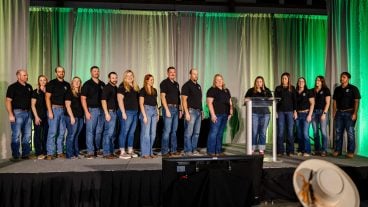
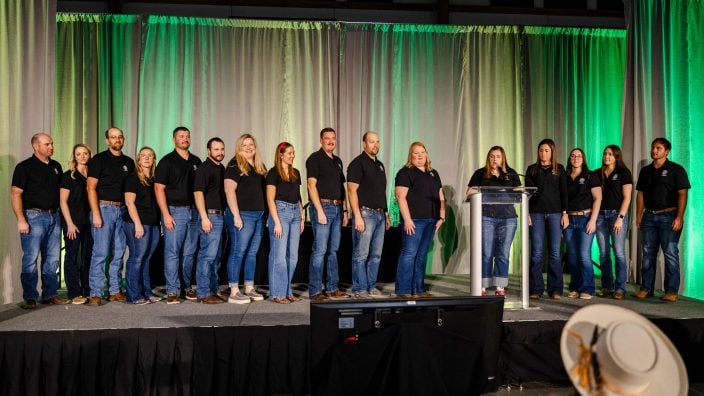
Members ages 18-34 who are interested in developing their leadership skills and enhancing programming for their peers should apply.
Read More

Senate Bill 328 is legislation designed to strengthen career-connected learning and better prepare students for Ohio’s workforce needs.
Read More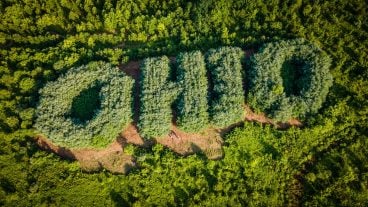
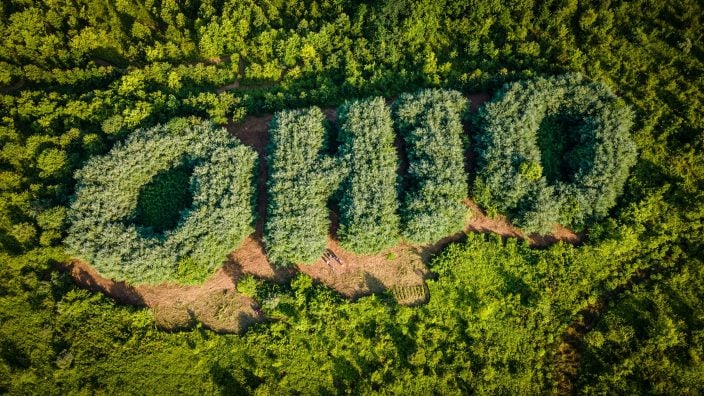
With the Family Forest Carbon Program, you can have a successful farm and get paid to grow healthy forests.
Read More
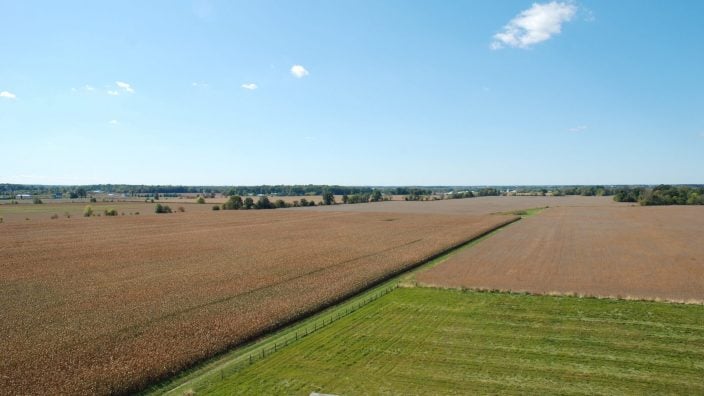
Ohio Farm Bureau recently sent a letter to Congress calling for the swift passage of the Farm, Food, and National Security Act of 2026 (HR 7567).
Read More
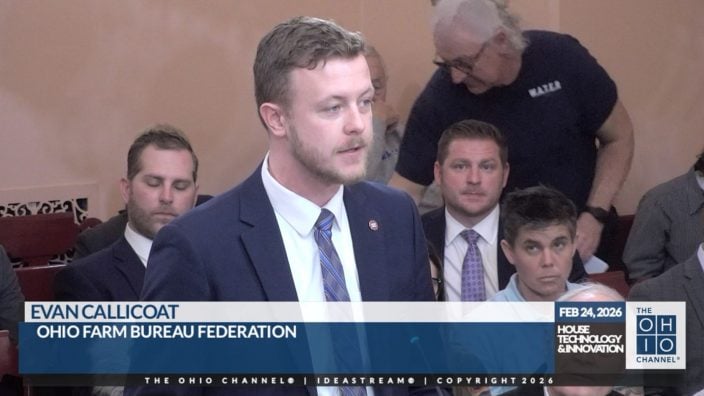
House Bill 646 would establish a Data Center Study Commission to examine the impact of rapid data center development across the state.
Read More
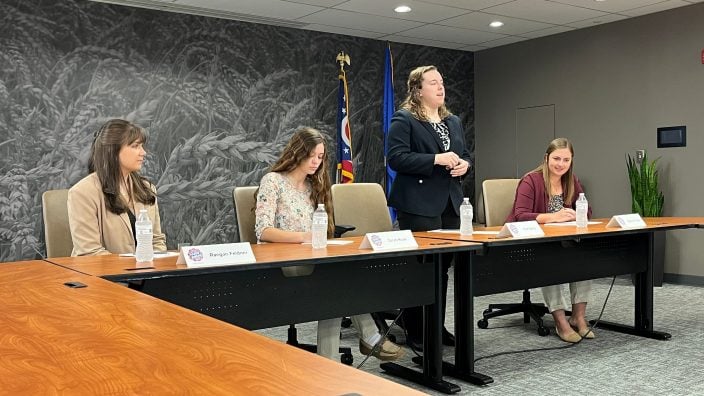
Collegiate Farm Bureau serves as a connection to current industry professionals and equips the next generation with the essential tools and resources needed to excel in their careers.
Read More

Ohio Farm Bureau members met one-on-one with state legislators and staff to discuss policy priorities impacting Ohio’s farms and rural communities.
Read More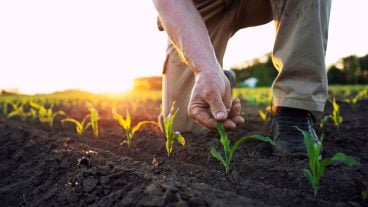
Legacy nutrient deductions enable new farmland owners to claim deductions on the nutrients within the soil on which healthy crops depend.
Read More
Farmers, agribusinesses and community members are encouraged to nominate their local fire departments for Nationwide’s Nominate Your Fire Department Contest through April 30.
Read More