

Ohio Farm Bureau applauds Gov. DeWine dyed diesel executive order
The executive order waives state penalties and suspends discretionary enforcement related to the use of dyed diesel on public highways through Dec. 31, 2026.
Read MoreMy recent trip to Arlington, Virginia, a neighboring city to Washington, D.C., provided a clear answer on who is standing up for the American farmer and consumer. The American Farm Bureau Federation has been a pillar in Washington, D.C., working to develop policy and educate our governmental leadership to ward off issues that affect American farms.
As a fifth-generation grain farmer, Gen Xer and father of four, I am sometimes bewildered by the current state of our government’s environmental plans for agriculture. I’m sure you’re like me and ask, “Why did the government pass that regulation, and did Uncle Sam actually converse with a farmer?” I generally follow it up with, “Who’s helping the farmer and educating our legislators?” I can confidently answer the second question, but I am still baffled by the first.
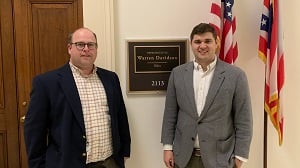
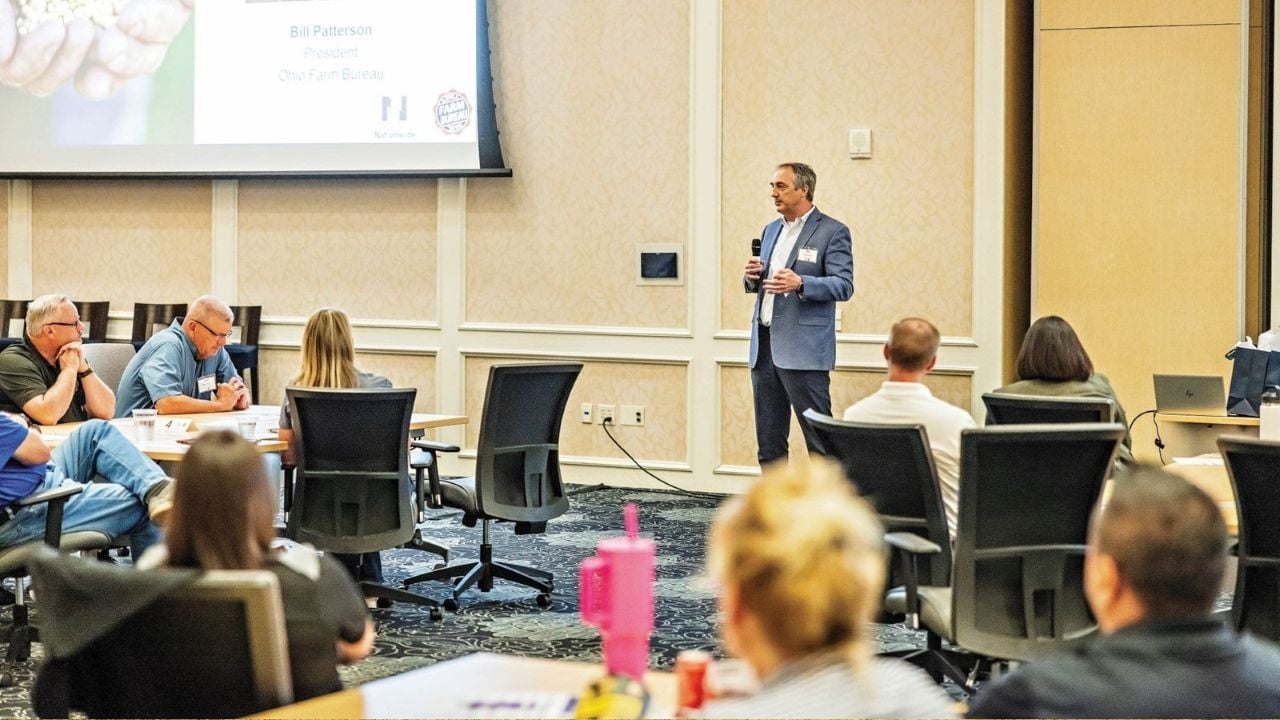
My recent trip to Arlington, Virginia, a neighboring city to Washington, D.C., provided a clear answer on who is standing up for the American farmer and consumer. The American Farm Bureau Federation has been a pillar in Washington, D.C., working to develop policy and educate our governmental leadership to ward off issues that affect American farms. I experienced firsthand, along with 13 other farmers from around the US, the work it takes to address issues impacting agriculture and develop policy based on sound science and real-world practices. As a member of American Farm Bureau’s Environmental Regulations Issues Advisory Committee, we discussed an array of environmental issues, with our main discussion focused on the recent Enlist bans peppered across US counties. By the end of our meetings, we had etched numerous policies on paper to present to our fellow Farm Bureau members. As one member stated, “We’re a grassroots organization; let’s bring the information home!”
As my flight from Reagan International Airport departed into the night sky, I left with a greater confidence that the environmental efforts of farmers and ranchers are heard through the halls of Capitol Hill. Farmers need to continue to tell our story and be cheerleaders of our profession, so that our voices do not become murmurs in D.C.
To answer the question, “Uncle Sam, do we have an issue?” No, not at all. Farmers are strong, passionate and care for the land as it’s their livelihood and legacy.


The executive order waives state penalties and suspends discretionary enforcement related to the use of dyed diesel on public highways through Dec. 31, 2026.
Read More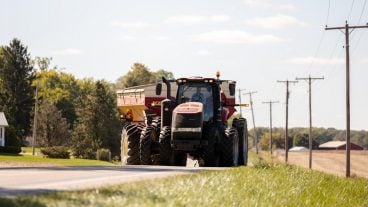
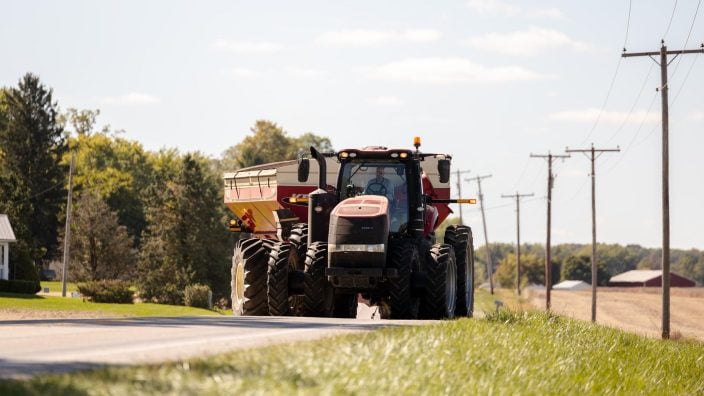
Associate General Counsel Leah Curtis breaks down the changes to Ohio’s fuel tax, recent guidance on dyed diesel and what farm families need to know.
Read More
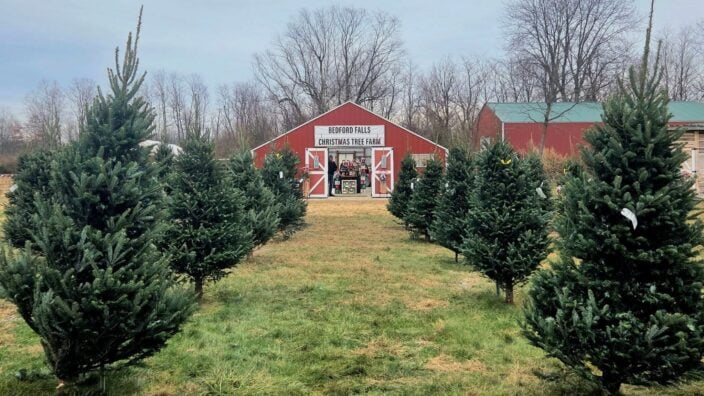
Ohio Farm Bureau’s legal team created the guide to help members better understand the laws, regulations and risk considerations that come with opening their farms to the public.
Read More
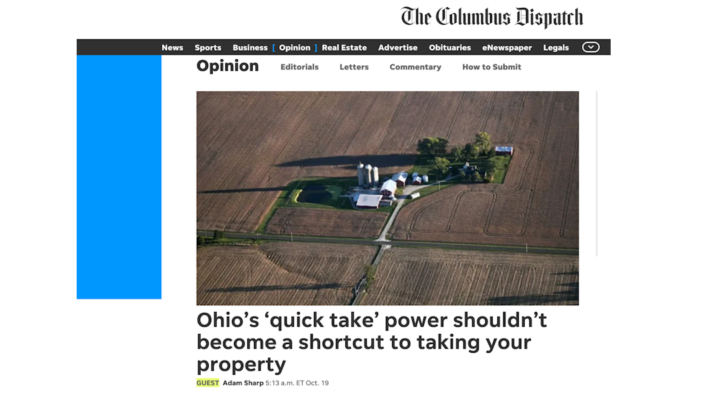
Ohio Farm Bureau recently published an op-ed in The Columbus Dispatch highlighting the importance of protecting private property rights as discussions continue around expanding eminent domain powers in Ohio.
Read More
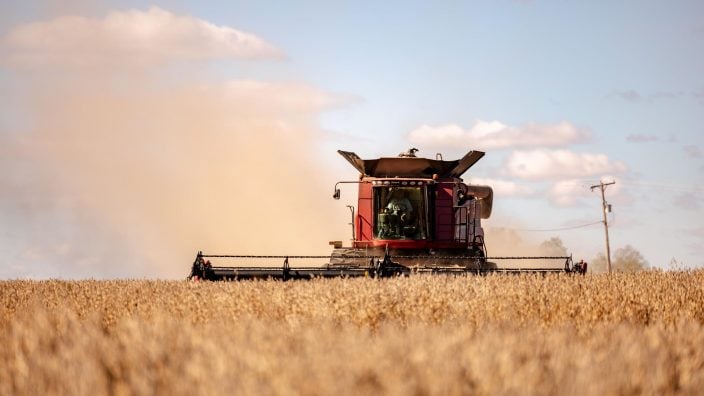
The administration recently issued an executive order easing restrictions on the use of tax-exempt dyed diesel fuel for on-road agricultural transportation.
Read More
Ohio Farm Bureau Associate General Counsel Leah Curtis explains how the eminent domain process works in Ohio, what ‘quick take’ means and when it can be used.
Read More