





A creamery built for community
A unique ‘rent-a-calf’ program allows Butler County 4-H and FFA kids who do not have the ability to take on a home dairy project to rent-a-calf from Mullen Dairy for the county fair.
Read MoreIt is so hard to believe that we are already into the month of June and that 2022 is almost halfway over. As I get older, I definitely can see what my elders meant when they said “the years fly by.”
For me, June is a special month. June is known as Dairy Month, and as a dairy farmer, this is our month to really shine. We as dairy farmers need to make sure we educate consumers on what dairy really is all about.
Sometimes for me, I have to remember to take a step back and make sure the public understands the basic facts of dairy, and all of their questions are answered before getting into the more-detailed aspects of the industry.
With that, I think this month is a great time to make sure those consuming the products of our dairy cows really know what the industry is about, where your milk and dairy products come from, and how the dairy cow does her job daily.
Milk is nature’s most nearly perfect food. Milk contains essential nutrients that are vital to our well-being. Some of these critical nutrients include calcium, protein and vitamin A. For those of you who may be very active, or involved in sports, milk makes an excellent recovery drink.
Milk and other dairy products are packed with great components, but ultimately, if it weren’t for the dairy cow, we wouldn’t have these products. That being said, let’s go over some of the basic facts on the dairy cow.
The average dairy cow weighs around 1,500 pounds, eats roughly 100 pounds of feed and drinks almost a bathtub full of water daily. Besides molars, cows only have teeth on the bottom and just a palate on top. It is often said that cows have four stomachs, in reality they only have a single stomach, but it is broken into four compartments.
The most common breed of dairy cow is the Holstein. This breed is your typical black-and-white spotted cow that you think of when you think of a dairy cow. There are seven breeds of dairy cattle — Ayrshire, Brown Swiss, Guernsey, Holstein, Jersey, Milking Shorthorn and Red and White Holstein.
Although each breed is considered a dairy cow and produces milk, each breed holds unique characteristics. For example, the Guernsey has a high level of beta carotene in her milk; Guernsey milk tends to be more yellow in color. In addition, much like the human fingerprint, each dairy cow has its own unique color / spot pattern.
As the month continues, I hope that you consider celebrating this festive dairy month by purchasing extra dairy products, going out for ice cream, or supporting local dairy and buying milk from a local, licensed producer. No matter how you choose to celebrate, always remember that 95% of dairy farms in the United States are family owned, so when you purchase dairy, you are supporting a hard-working family who cares for the needs of their animals daily, and where each one of their cows is like family to them.
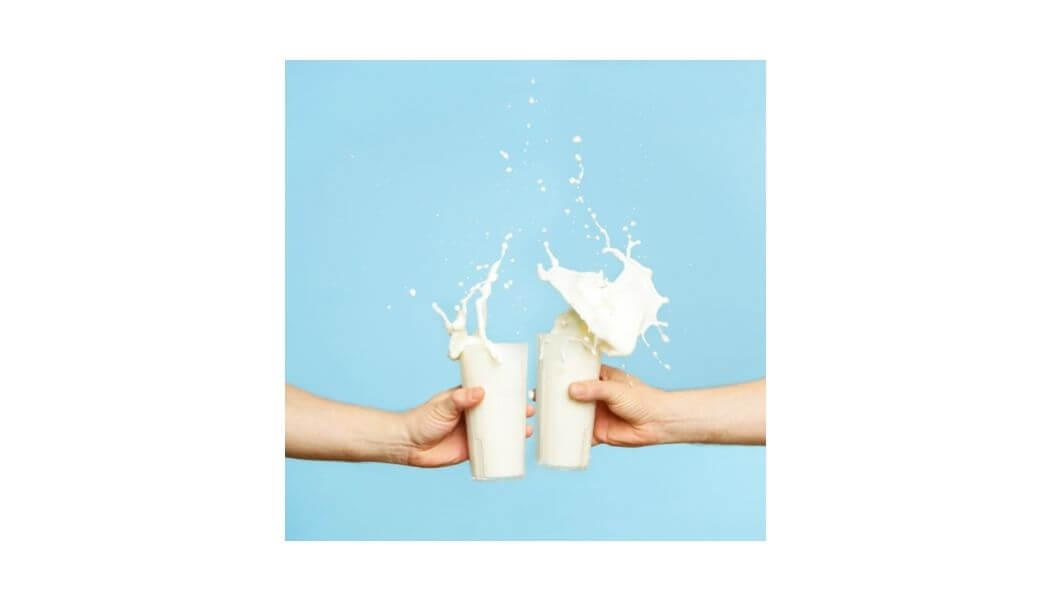
With that, let’s raise an ice-cold glass of milk to our dairy farmers!
Submitted by Julie Holler, a member of the Trumbull County Farm Bureau Board of Trustees.
OFBF Mission: Working together for Ohio farmers to advance agriculture and strengthen our communities.


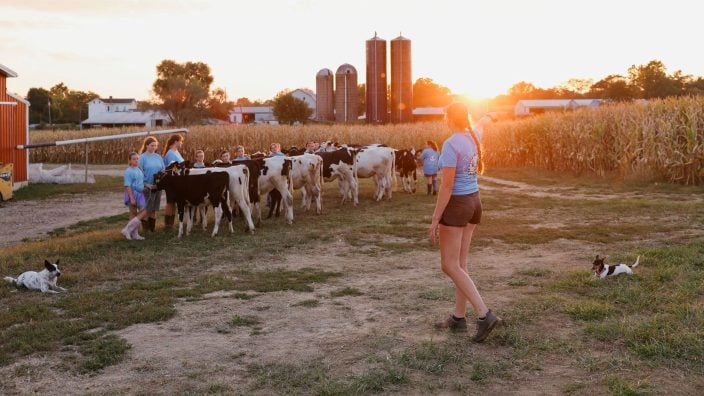
A unique ‘rent-a-calf’ program allows Butler County 4-H and FFA kids who do not have the ability to take on a home dairy project to rent-a-calf from Mullen Dairy for the county fair.
Read More
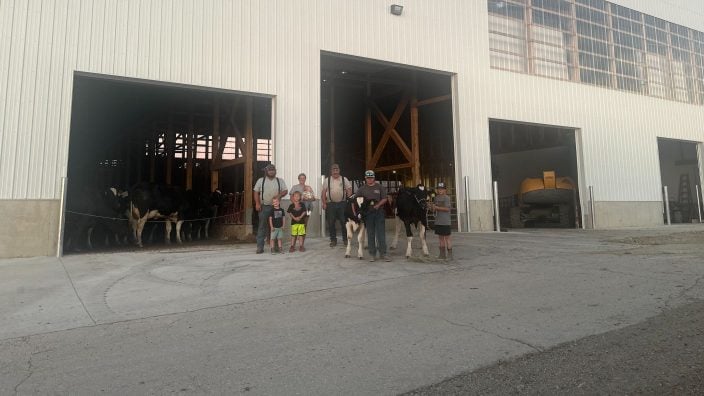
The cows are back home, and the Comp family was able to rebuild their business with the help of their Nationwide insurance coverage.
Read More

Kyle and Samantha Daugherty of Coshocton County are the perfect example of next generation agriculturalists embracing the world of technology on their family farm.
Read More
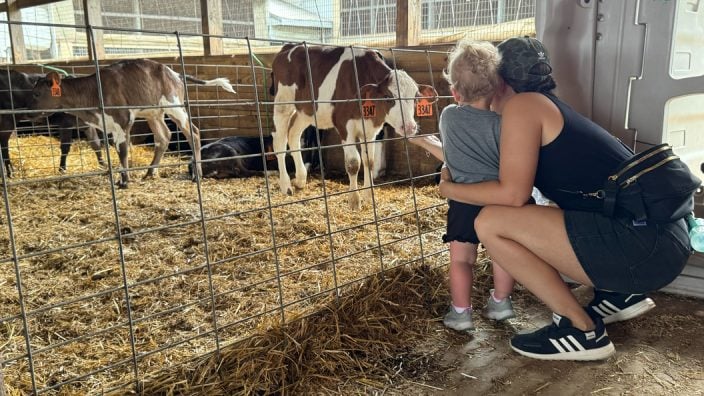
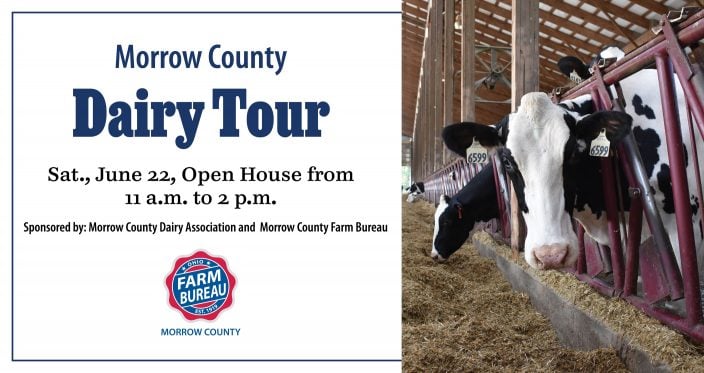
Thank you to everyone who stopped out at the Morrow County Dairy Tour Saturday, June 22!
Read More

Allowing people a sneak-peek into our farm is a way to break negative stigmas. ~ Mackenzie Deetz
Read More
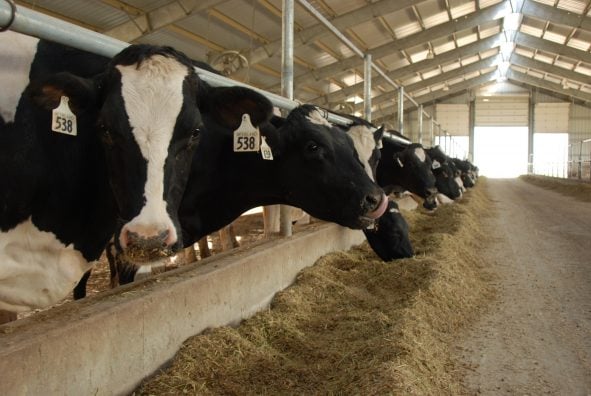
USDA is taking a number of actions to limit the spread of HPAI in dairy cattle including mandatory testing for interstate movement of dairy cattle and mandatory reporting for laboratories conducting tests.
Read More
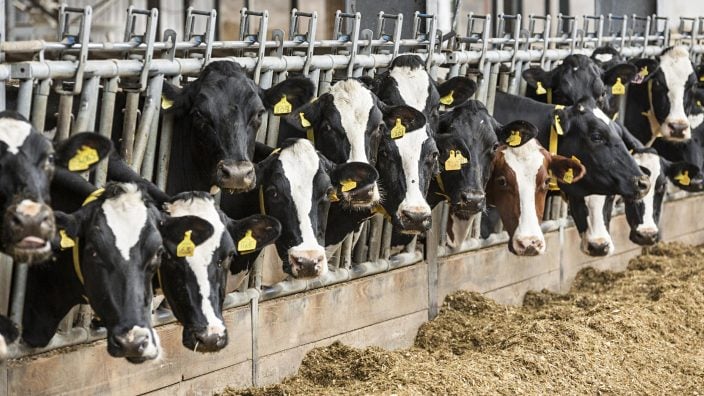
Producers are urged to work with their veterinarian to practice enhanced biosecurity measures and review and limit cattle movements within production systems.
Read More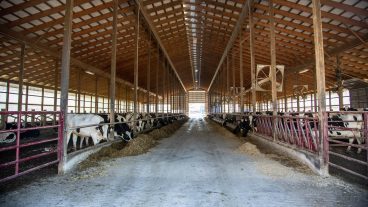
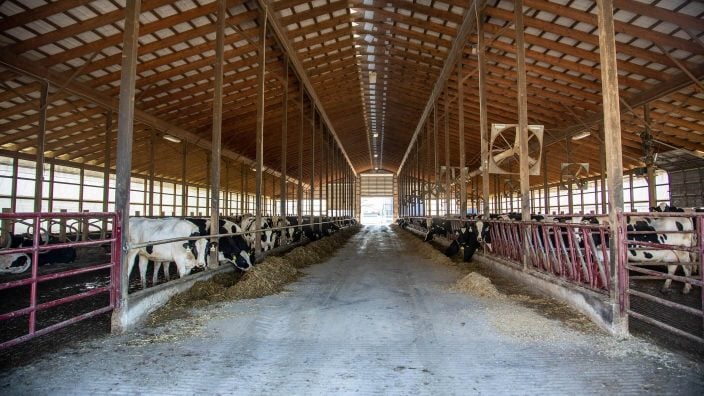
Five young ag professionals talk about their involvement, trials and tribulations, and excitement of being a part of the dairy industry.
Read More
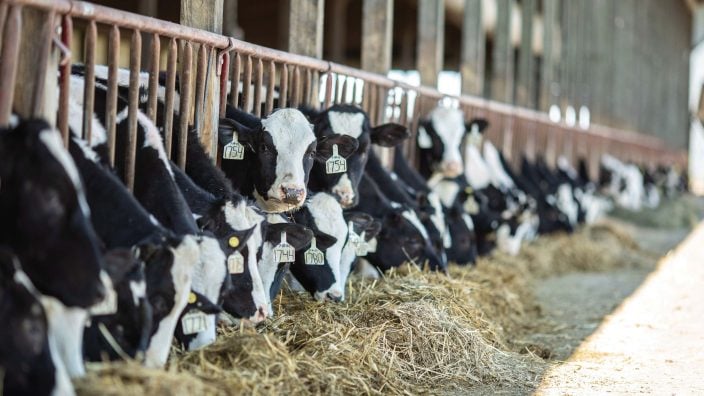
As a result of the Federal Milk Marketing Forum, delegates at the 2023 American Farm Bureau Annual Convention adopted policies to guide the organization’s work on the dairy pricing front.
Read More