

Ohio Farm Bureau Podcast: A Guide to Agritourism
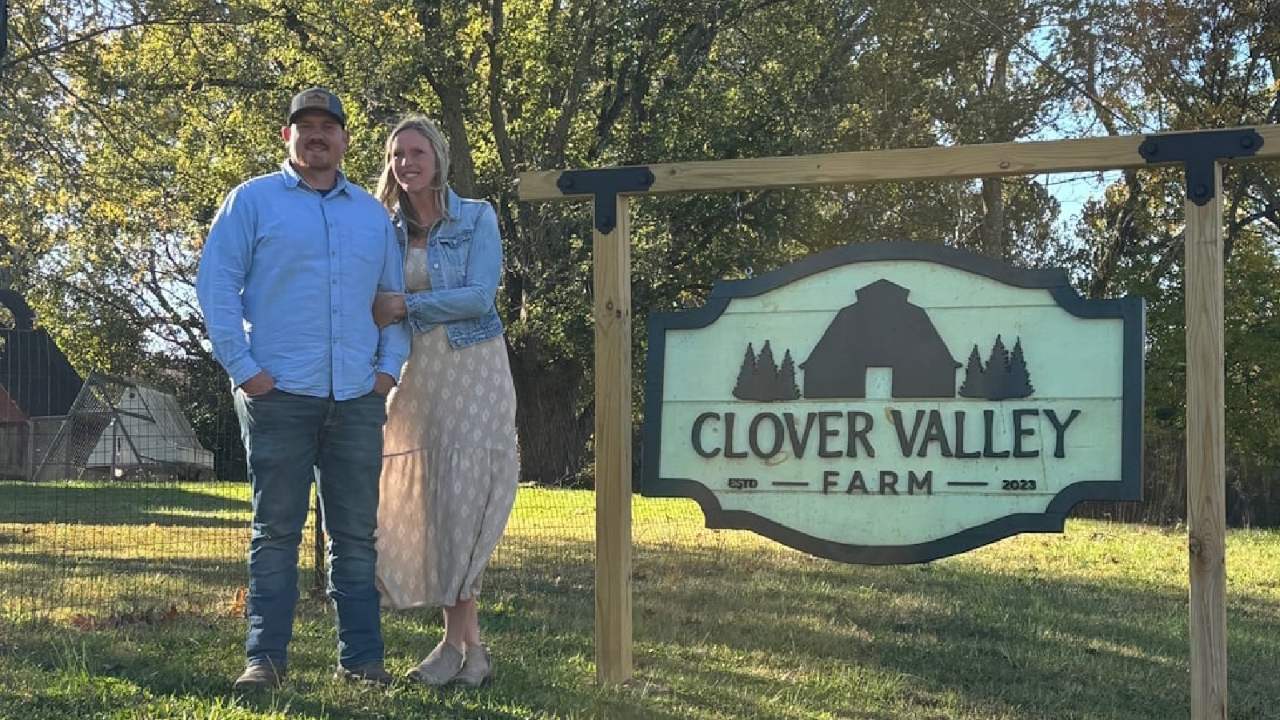
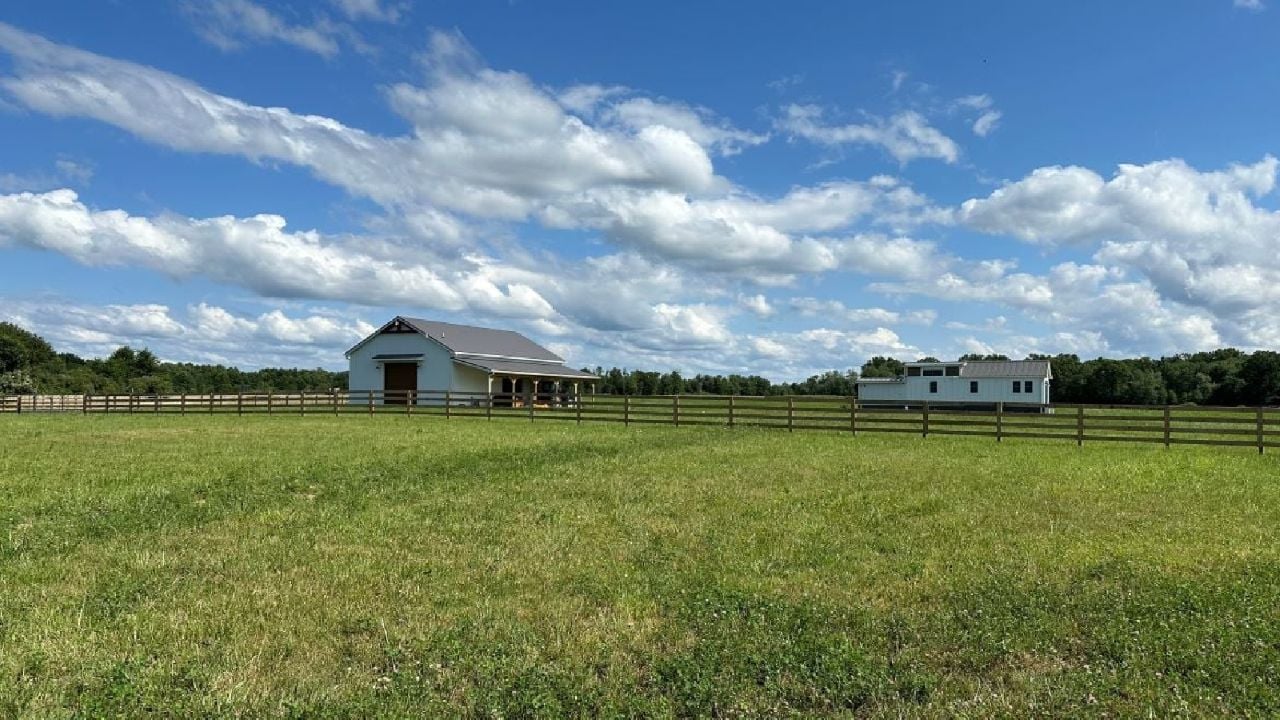
Leah Hetrick joins us to talk about the new member-exclusive agritourism guide designed to help farmers navigate the process.
Read MoreThere were some valuable lessons learned from HPAI that can be used across all of Ohio's livestock sectors.
As society becomes more and more connected, things like commodities, goods, services and ideas are marketed and shared on a global level. Unfortunately, the connectedness of the world is also causing foreign animal diseases to be inadvertently shared, having an adverse impact on animal agriculture.
“We still have the safest food supply in the world, but we also have vulnerabilities,” said Dr. Dennis Summers, state veterinarian with the Ohio Department of Agriculture. “With the amount of global movement, how fast you can move products, the amount of people coming in and out of our country, we really need to be ever present and vigilant about keeping our animal agriculture industries safe.”
After just over one year on the job as state veterinarian, Summers was given the task of containing the third biggest 2022 outbreak of High Pathogenic Avian Influenza (HPAI) in the U.S., allowing his team to take what they knew in an academic setting and putting previous mock tabletop exercises into practice.
“There were some steep learning curves on the front end, but at the end of the day we’ve been through one now, we’ve seen what it’s like, and we actually know what the hurdles are,” Summers said. “Now, we want to take that information and make it translatable to other livestock industries and get in front of producers that can understand and share with them what we learned.”
One of the biggest lessons learned from Ohio’s HPAI outbreak was the reliance on multiple modalities for depopulation as part of the response.
“It’s our regulatory duty to eradicate disease, but having multiple modalities happening at the same time keeps the speed at which you can contain the virus manageable,” Summers said. “Our livestock industry partners should start thinking of two or three simultaneous methods because they’ve got to keep the speed up, because the longer that depopulation takes, the more likely the virus is to spread, the more likely it is that your biocontainment is going to fail and all of a sudden you jeopardize your industry partners.”
Summers said the experience also showed how the process of getting contracts and vendors and cooperative agreements in place to allow money to start transferring to move those processes forward was less than expeditious. That is something he hopes to work on with his federal counterparts to improve.
Another takeaway from the outbreak was the vast amount of space that is needed to dispose of the biological material.
“The amount of land space, the amount of mulch and carbon sources that are needed to carry out a successful disposal response was way more than we thought,” he added. “A producer may think they know what they want to do, but when they actually sit down and crunch the numbers and figure out how much they’re going to need, I think they’d be shocked.”
Funding for a new Animal Disease Diagnostic Lab, which Ohio Farm Bureau advocated for, was part of the 2022 Ohio biennial budget. This will provide $72 million to build a new state-of-the-art facility on the grounds of the Ohio Department of Agriculture, adding another safeguard to food safety for Ohioans.
“When the current lab was originally built in the early 60s, it was this little tiny building that was built to help eradicate TB and brucellosis and pseudorabies, but as time has gone on, diseases have changed as we saw firsthand last year,” Summers said. “We do a lot of testing to support the products that we consume every day, so it’s a really important lab to keep thriving and keep it moving forward the next 20 to 25 years.”
Dr. Summers and his team are currently laying out plans for the new ADDL, with the goal to open the new facility by December 2026.
Ohio had the third largest outbreak of Highly Pathogenic Avian Influenza in 2022, and that has all livestock organizations sharing even more information and resources when it comes to biosecurity. On this Ohio Farm Bureau Podcast, Ty visits with guests at the 2023 Ohio Pork Congress, including Ohio Pork Council President Nick Seger and State Veterinarian Dr. Dennis Summers, who said there were some valuable lessons learned from HPAI that can be used across all of Ohio’s livestock sectors.


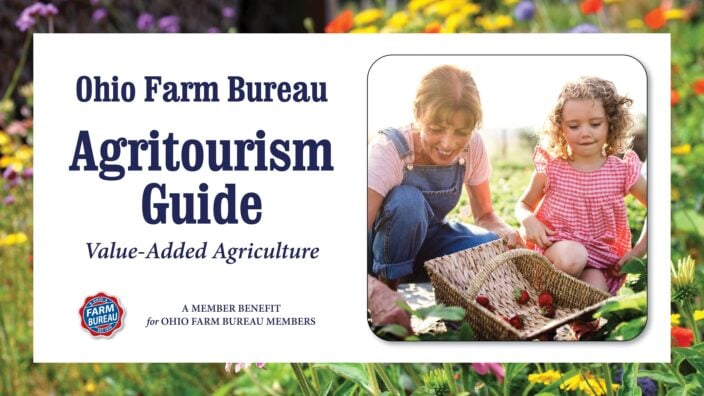
Leah Hetrick joins us to talk about the new member-exclusive agritourism guide designed to help farmers navigate the process.
Read More

Williams County OSU Extension Educator Kayla Wyse joins to share her experience aboard a research vessel on Lake Superior.
Read More
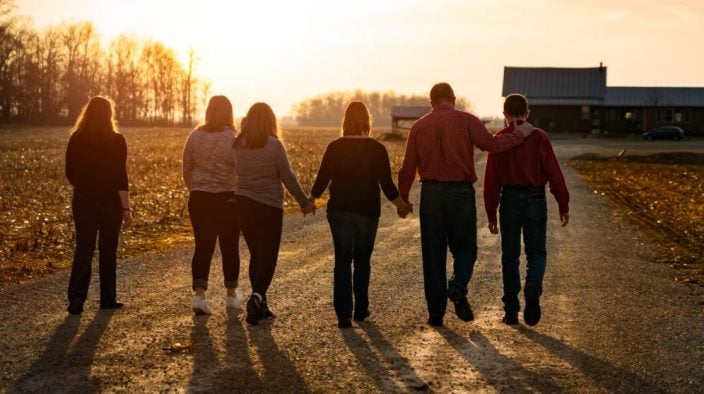
Ryan Conklin of Wright & Moore Law joins us to talk about how planning ahead can give farm families more options and create more balance in everyday life.
Read More
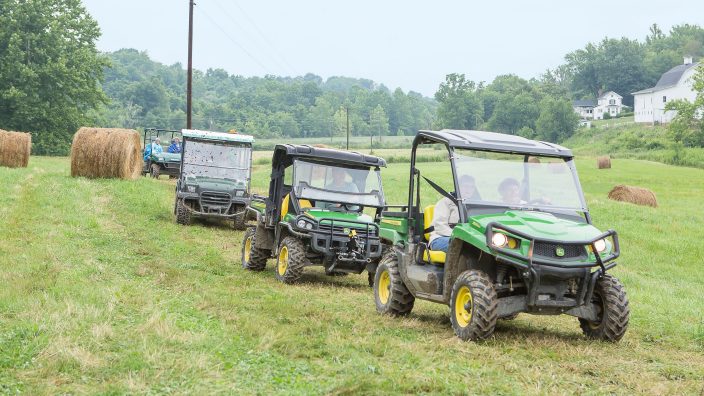
Nationwide Agribusiness joins us to discuss common safety concerns, what parents should know about younger riders and Nationwide resources available to help farm families stay safe.
Read More
Whittney Bowers discusses the 2026 Election Guide, the grassroots process behind Friend of Agriculture designations and how OFBF engages in elections.
Read More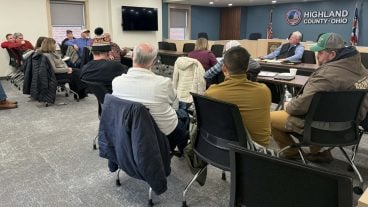
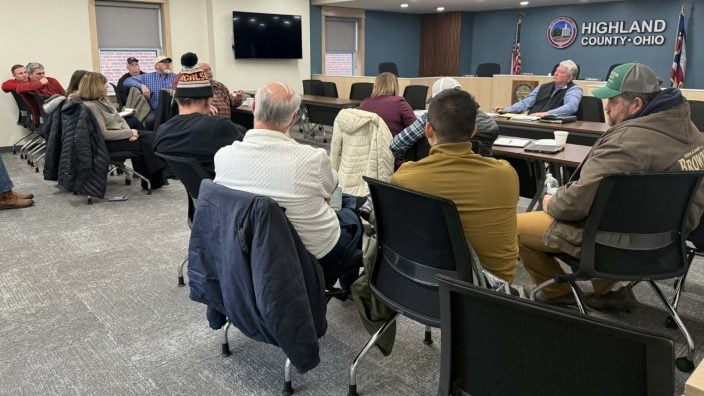
As a grassroots organization, policy development is at the heart of Ohio Farm Bureau’s advocacy efforts. On this episode, Leah…
Read More

Wright & Moore Law joins the podcast to share takeaways from the recent Cultivating Connections Conference and what farm families should be thinking about.
Read More
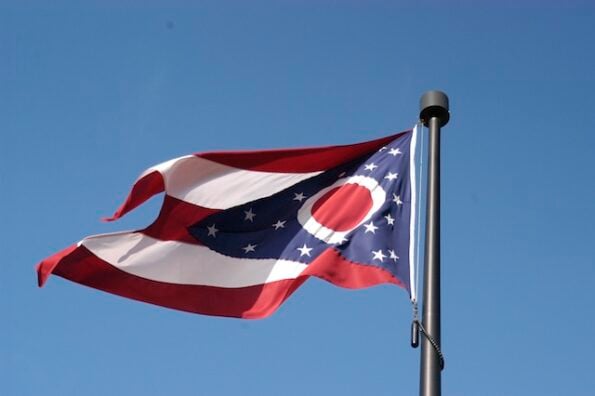
Brad Bales, senior director of state and national policy for Ohio Farm Bureau, joins the podcast to discuss the importance of grassroots advocacy, the impact of sharing your story and why staying engaged matters.
Read More
Whether you’re a farmer, small business owner or simply looking for health coverage options, Ohio Farm Bureau Health Care Solutions…
Read More
The new imAGine Ag exhibit is debuting at the 2026 Ohio State Fair, giving fairgoers an immersive, hands-on look at modern agriculture.
Read More