


May/June 2025 Our Ohio
Future trends and issues for food and agriculture are examined in this issue of Our Ohio magazine.
Read MoreI often contemplate what previous generations of farmers would think of the way we operate today.
Could they have even imagined today’s seed technology, robotic milkers, trade on a global scale and automation that doesn’t require a driver in the tractor seat?

It makes me wonder what we don’t see coming that will make how we do our jobs even more efficient, productive and profitable. While planning for advancements decades into the future isn’t easy, we are certainly keeping our pulse on future trends and issues that will be impactful, both positively and negatively, to our industry.
One of the most challenging trends that we have recently seen in Ohio is the threat to farmland from development pressures. To address this concern, new policy, sent by Ohio Farm Bureau members to the American Farm Bureau and passed at the AFBF annual convention in San Antonio earlier this year, supports incentives for renewable energy in rural areas that prioritizes energy production on land not suitable for agricultural production. This direction will offer yet another tool to preserve Ohio’s farming heritage, keeping the emphasis on the value of farmland as a producer of food, fuel and fiber over anything else.
Creating thoughtful policy is just one way to prepare for what lies ahead for Ohio agriculture, in both the farm and food space. We are also making sure our members are ready for the ever-evolving flow of progress on the farm and beyond.
One person who our industry listens to is Brett Sciotto. His ability to collect information and trends from a wide variety of sources to help agriculture leaders better understand what they should be preparing for is important work. We asked Brett to offer his thoughts in this issue of the magazine. Members will agree and disagree with his perspective, but I know his article will create conversations that Farm Bureau needs to be having.
In this edition of Our Ohio, we highlight a wide variety of topics that we feel are worthy of our attention, and yours, as we navigate today’s issues and anticipate tomorrow’s trends. You will learn about the future of risk management, sustainability, trade, food research, rural health care and more.
Anytime you attempt to gaze into the crystal ball to see what the future holds, there are more questions than answers. I encourage you, as you read this magazine, to consider the big questions that you as Ohio Farm Bureau members should be thinking about for your own businesses and how we as an organization can equip ourselves for whatever changes are coming.
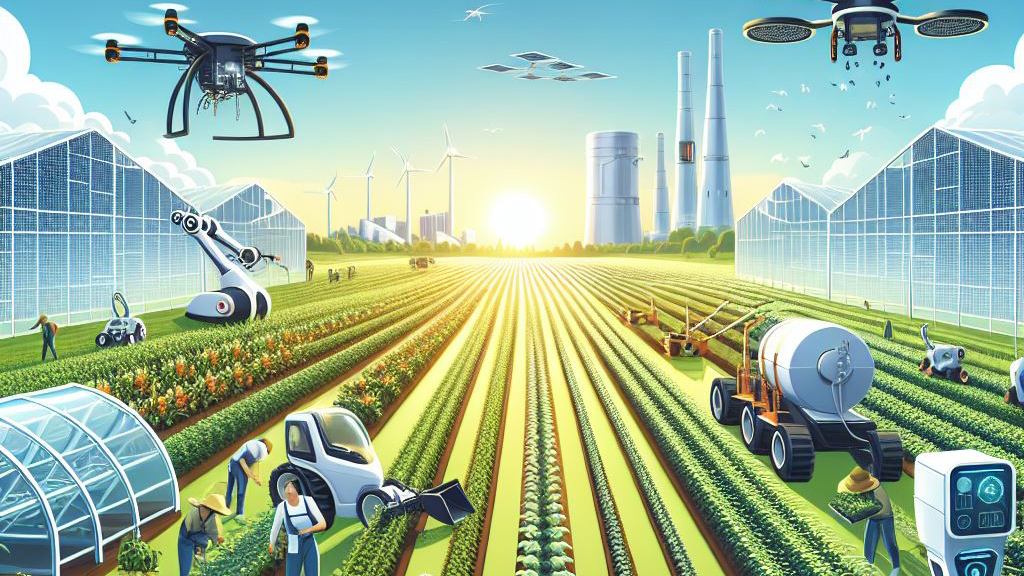
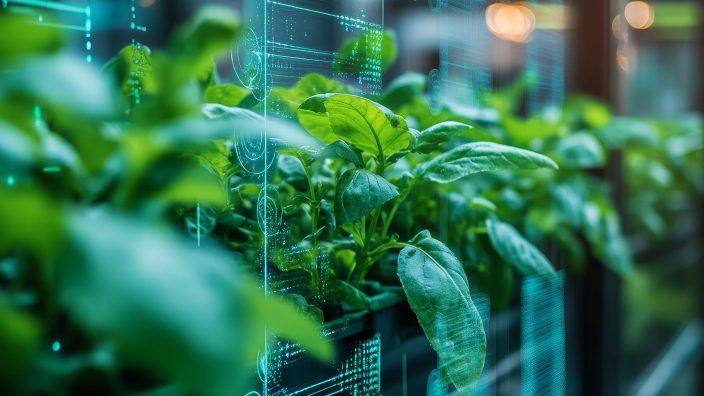
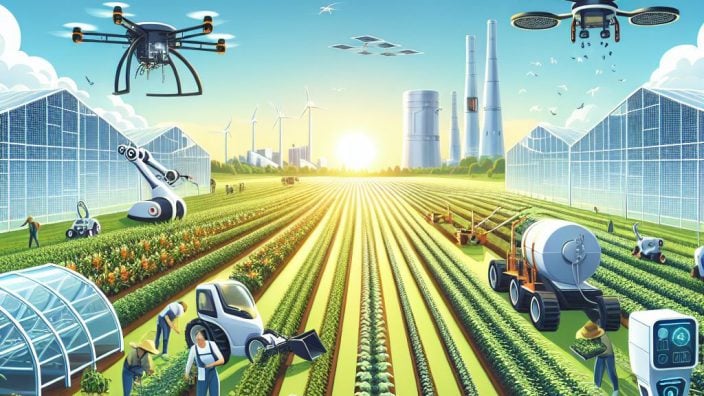
The image above was created by Microsoft Copilot, an artificial intelligence chatbot. We used the words “future farms and food” to create the image. It helped us illustrate one vision of the future of agriculture. Be assured, our real-life staff and partners wrote, designed and photographed the rest of the magazine. Using AI to help us is one example of just part of what the future holds.


Future trends and issues for food and agriculture are examined in this issue of Our Ohio magazine.
Read More
The answer lies in first understanding the macro trends shaping American agriculture, the operating environment farms will find themselves in and the innovation required to remain resilient and profitable into the future.
Read More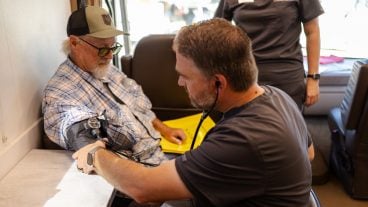
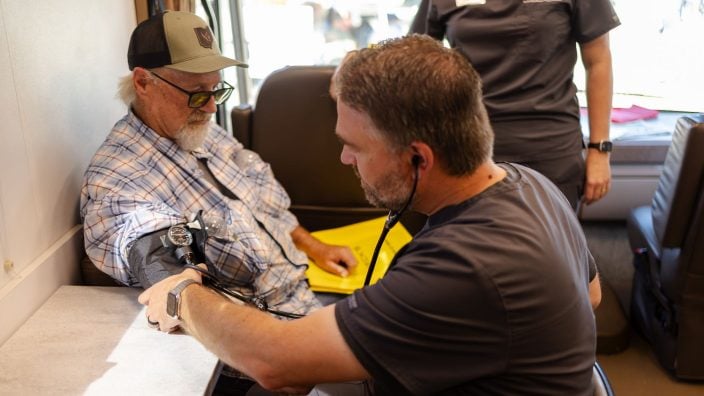
Farmers’ physical and mental health are often compromised by lack of health coverage. Farm Bureau seeks to establish Farm Bureau Health Plans.
Read More
I encourage you to consider the big questions that Ohio Farm Bureau members should be thinking about and how we as an organization can equip ourselves for whatever changes are coming.
Read More
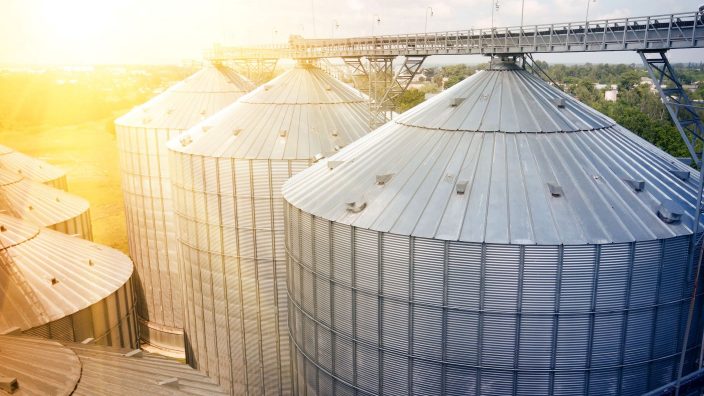
Embracing risk planning and working with experts like a Nationwide-appointed agent can help farmers better navigate uncertainties and secure their farm’s future.
Read More
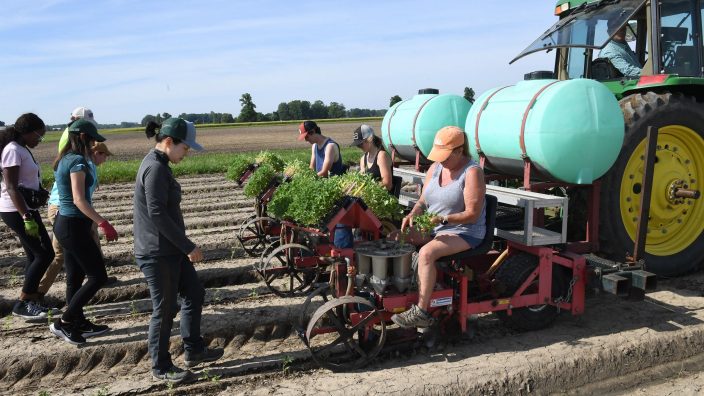
Ohio State is one of the few universities where a leading agricultural college, a top-tier medical school and a state-of-the-art hospital share the same campus.
Read More

Over 20% of all the production in the United States from agriculture gets exported to a different country.
Read More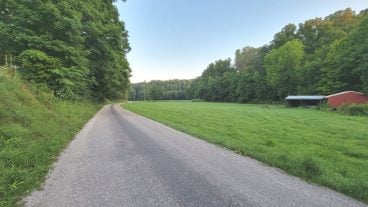
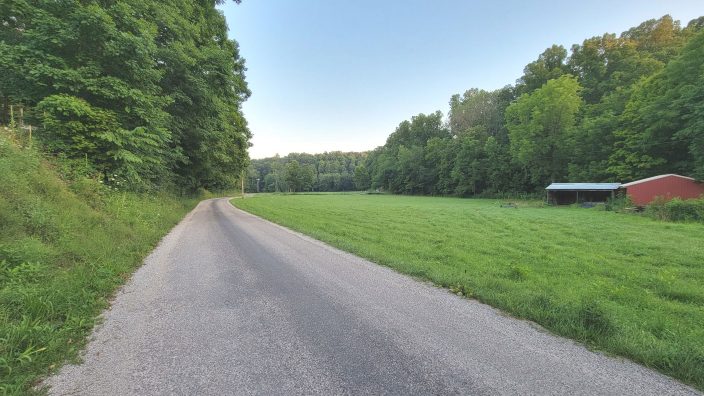
Community engagement at the earliest stages of development is essential.
Read More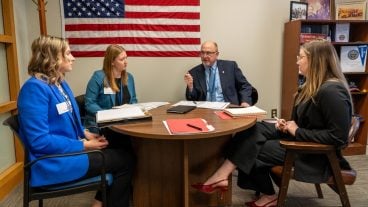

Collegiate chapters connect agriculture students with grassroots Farm Bureau efforts at county, state and national levels.
Read More
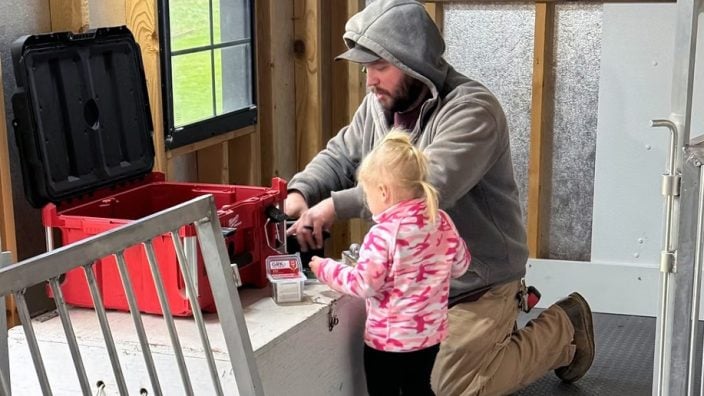
The grants aim to ensure that creative young farmers can access opportunities and use their skills to alleviate the difficulties facing agriculture today.
Read More