


May/June 2025 Our Ohio
Future trends and issues for food and agriculture are examined in this issue of Our Ohio magazine.
Read MoreJoy Evangelista owns three parcels of land in Hocking County.
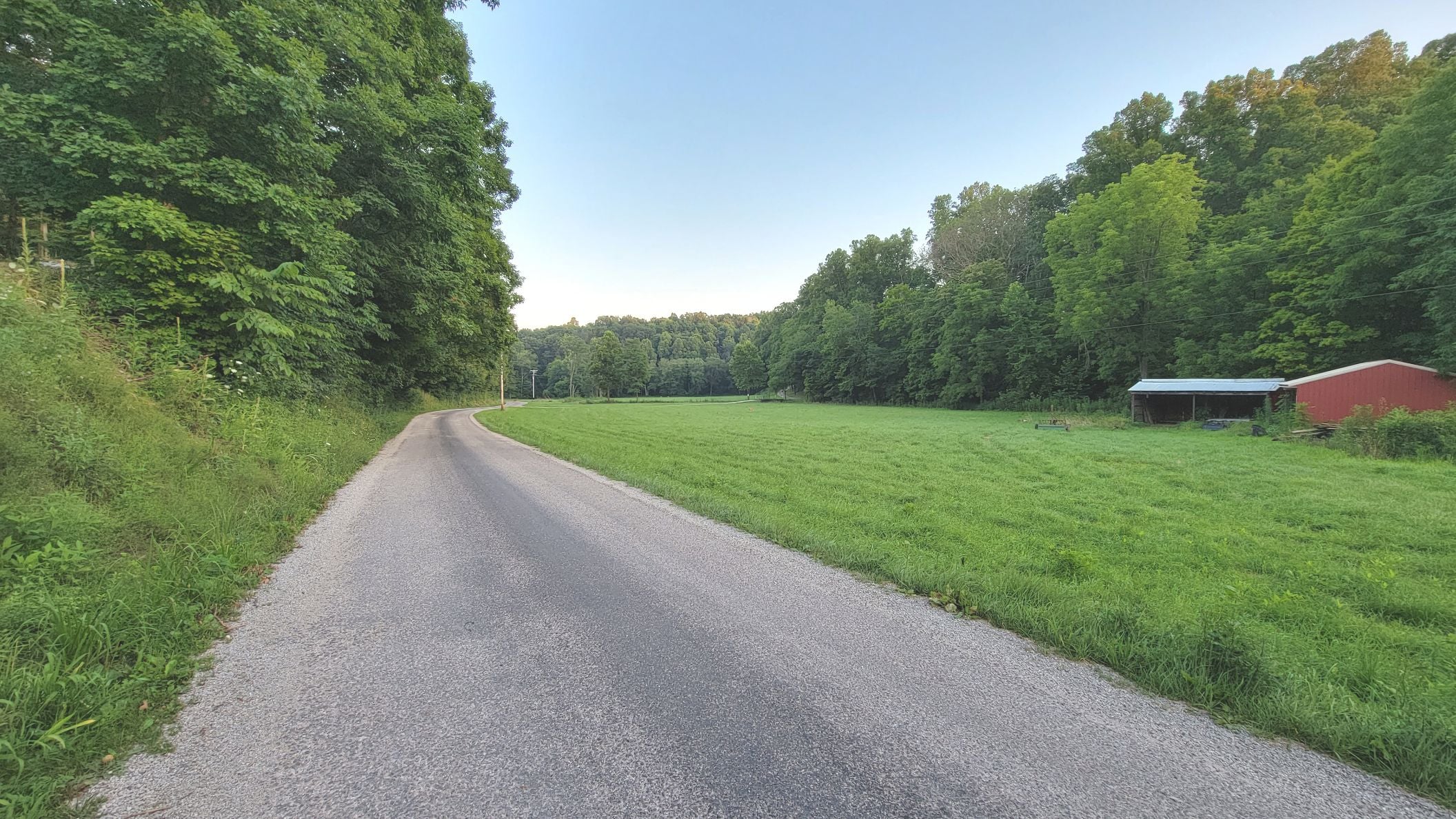
Nearly every day, the Hocking County Farm Bureau member receives a solicitation from one land holding company or another that would like to buy two “empty” parcels on the 120-acre farm where she grew up. She lives in a house on a third parcel.
“These unsolicited offers come via text, phone call or snail mail,” said Evangelista, who is not interested in selling pieces of the family farm. “However, when an offer goes to a descendant of a farmer (it) may be attractive enough to consider, or at least look into a little deeper, and could result in a sale. That doesn’t necessarily mean the property becomes the next great short-term rental experience in the Hocking Hills, but odds are ever greater that the land will be something other than farmland.”
Odds are, she’s right.
Development is intrinsically tied with Ohio Farm Bureau’s priority issue of protecting Ohio’s farming heritage, but so are property rights and job growth. Finding the balance is tricky business, in more ways than one.
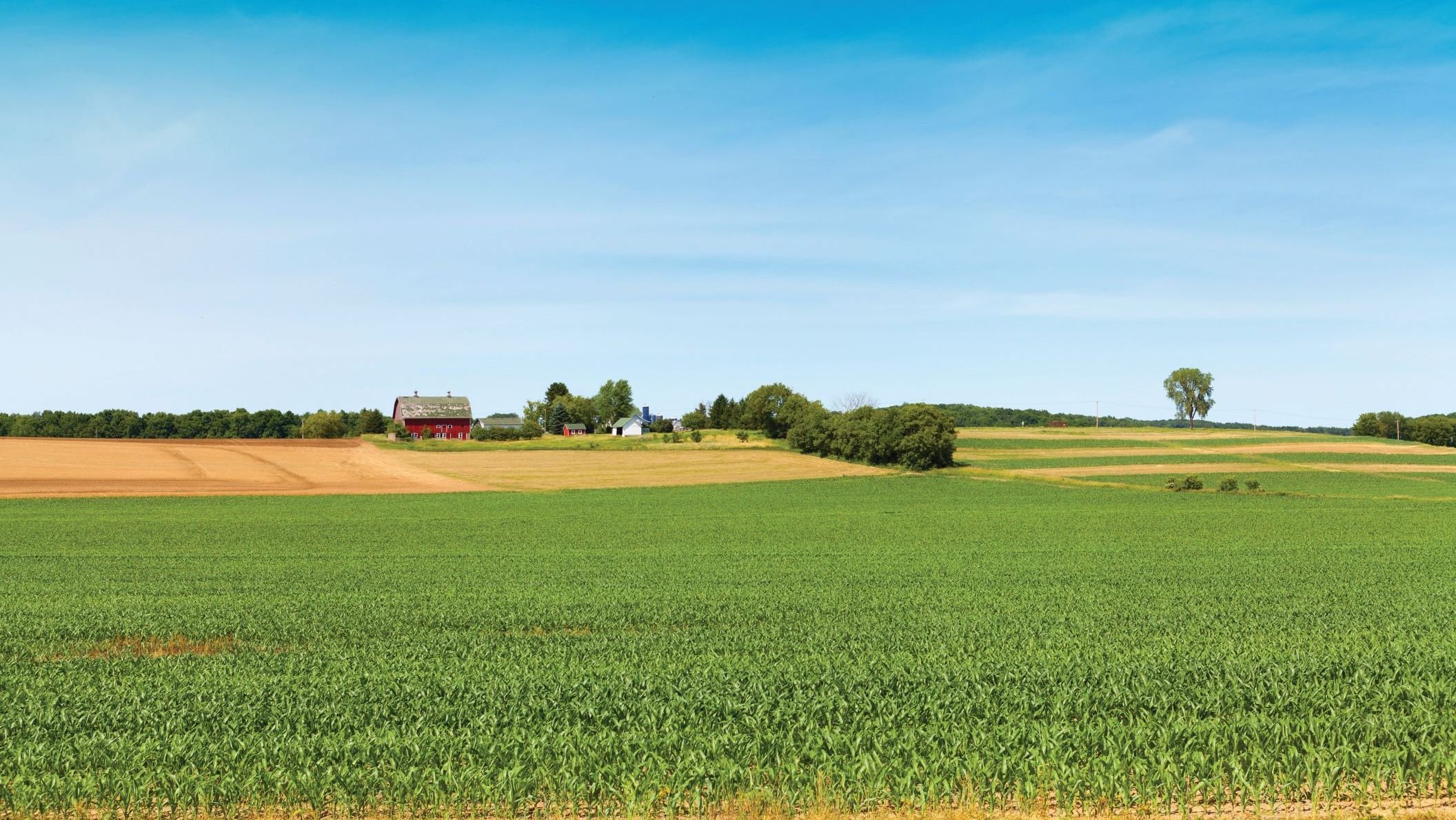
Recent announcements of several large-scale manufacturing facilities being constructed across the state are raising fears of prime farmland being further gobbled up. Land is being lost not only from the factory footprints, but also from the expected housing and transportation growth in neighboring counties. Ongoing oil and gas, solar, wind and data center developments are putting additional pressure on both the availability of farmland and driving farmland prices sky high in other more rural parts of the state.
The good news is that the state of Ohio has made great strides in bringing jobs to Ohio. The bad news is that the number of farms in Ohio in 2024 was down 2.4% from 2023, according to State Statistician Ben Torrance, USDA NASS, Ohio Field Office. Land in farms was 13.5 million acres, down 200,000 acres from last year.
Representatives from JobsOhio, the state-created private economic development corporation charged with expanding businesses and jobs, reviewed that group’s strategy for bringing businesses to the state at an AgriPOWER presentation earlier this year.
JobsOhio works in 10 sectors, such as manufacturing, aerospace/aviation and food/agribusiness, among others. JobsOhio breaks food and agribusiness into a flow that starts with raw commodity inputs and ends in consumer-facing food retailers. In other words, the corn, soybeans and livestock that farmers sell to groups such as Heritage Cooperative and Cargill go on to companies such as Kroger that sell retail products to consumers.
How much of a farmland base is needed to keep Ohio’s food and agribusiness sector thriving in the midst of all the development is anyone’s guess.
JobsOhio plays matchmaker to companies looking for construction sites ready for development. Brodie Lepi, projects director, reactive site selection at JobsOhio, said at the presentation that one of the criteria the group looks for in new construction sites is communities that are supportive of the growth, usually voiced by local economic development representatives.
Johnathon Cottingim, an attorney with Wright & Moore Law Co. and a current AgriPOWER participant, has experience working with landowners impacted by large development projects. He said those developments are more project than community driven in the current business climate.
“There has been a major shift in Ohio land use development toward large-scale energy production,” he said. “There is very little community-driven development anymore. Most development projects are capital driven, meaning a return on investment is necessary to keep the project afloat.”
He said he recently had the opportunity to fly over much of central Ohio in a small plane and see the development evolution below.
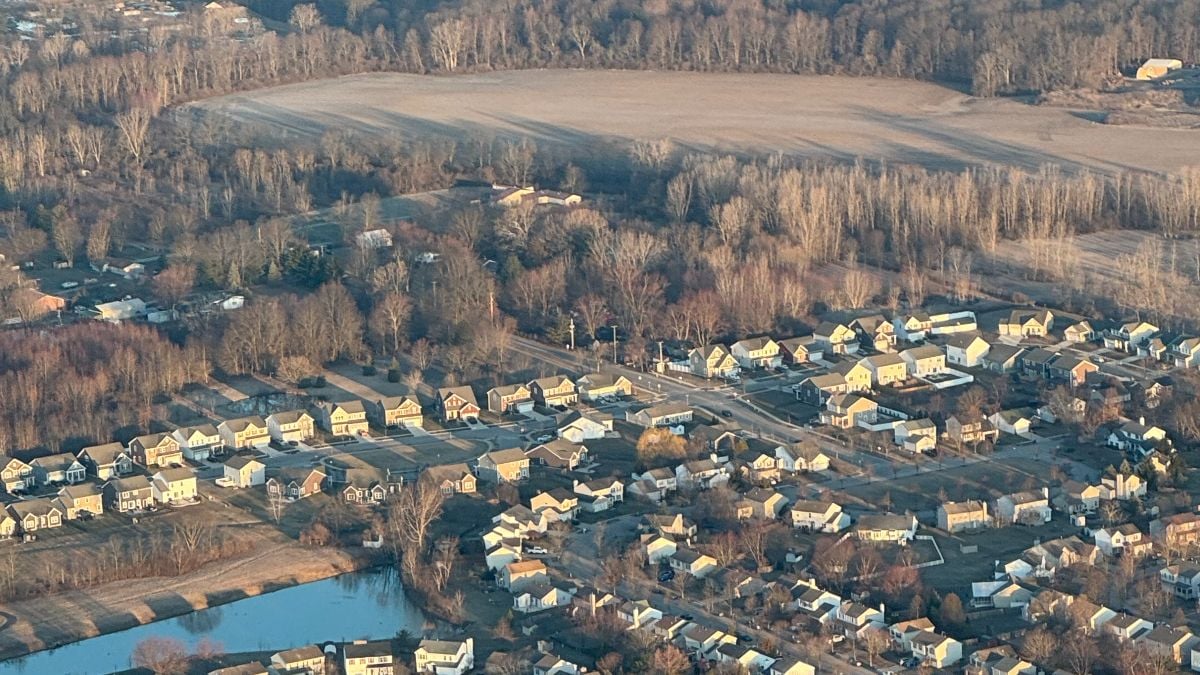
“There is not a better way to get a feel for land use development than from a bird’s eye view. From an agricultural perspective I saw large dairy, hog and chicken facilities. I also saw large housing developments, solar farms, windmills, data centers and the start of the new microchip facility,” Cottingim said. “Land development is certainly focused now on meeting the housing, energy, and data processing needs created by the modern economy. Ohio will need to continue addressing the difficult issue of preserving our farmland and meeting all of the other economic needs of the state and nation.”
While the city of Logan has local zoning, there is no zoning countywide, which makes development in Hocking County reminiscent of the Wild West, according to Evangelista, who is also executive director of Hocking County Community Improvement Corporation.
“Hocking County does not have a building department and therefore, no records of housing starts or development happening in the county,” she said. “We do have a regional planning office that offers feedback on development when (or if) the project is presented to them. We do have to follow subdivision regulations if the development is a subdivision. The health department has some purview over water and septic for a project; but it is not within their power to approve or disapprove development plans. If it is a commercial or industrial project in the unincorporated area of the county, the state of Ohio has final approval.”
In neighboring counties, like Fairfield, zoning and planning have gone hand in hand for a long time.
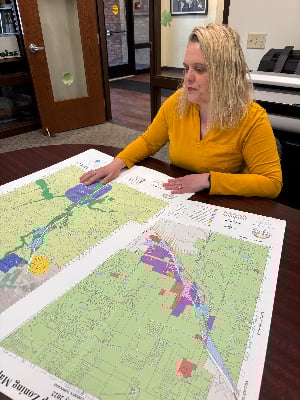
“Fairfield County has taken a proactive approach to work closely with townships and municipalities to educate local officials and residents on long-range planning, zoning and other development related matters,” said Holly Mattei, president and founder of Crossroads Community Planning, who works with Fairfield County Regional Planning Commission, where she was director for many years.
“The county’s leadership team has visited every municipality and township over the past 18 months to bring them up to speed on the growth pressure that central Ohio including Fairfield County is experiencing. We have also been working with townships and villages to utilize revenue generating tools such as Cooperative Economic Development Agreements and New Community Authorities. These tools also allow for the sharing of revenue between communities to create financially sustainable, smart growth.”
Tim Colburn is executive director of Pickaway Progress Partnership (P3), which operates as a public-private partnership collaborating with both government entities and private businesses to ensure all county stakeholders are at the table.
“A key component of this effort is P3’s Smart Growth Committee, which assists communities in updating outdated zoning codes and comprehensive plans.
“Many townships and municipalities lack the funding and resources to modernize their land-use policies, making them vulnerable to uncoordinated development that could lead to the unnecessary loss of farmland,” Colburn said.
“Additionally, P3’s Agriculture Committee’s goal is to play a crucial role in balancing land use challenges. This committee brings together local farmers, agribusiness leaders and government officials to ensure that the county’s agricultural interests are represented in development discussions. The agriculture committee will help advocate for farmland preservation by working with local governments to establish zoning policies that protect high-value agricultural land from unnecessary conversion.”
Local newspapers have traditionally been how notices of public hearings or public meetings were communicated to the public, and they still are. But, in today’s digital age, it takes a proactive approach to know what development is happening in your area.
Mattei said that community engagement at the earliest stages of development is essential.
“I highly recommend that residents attend their township trustee meetings and keep an eye on the townships’ and regional planning commissions websites for proposed development information,” she said. Colburn agreed.
“Some developments require public hearings before zoning changes or annexations occur and these are open for community members to voice concerns or support,” Colburn said. “Staying informed through online postings and signing up for notifications from local government entities can also help citizens get involved before final decisions are made.”
For landowners in the early stages of development, zoning is simultaneously the hardest and easiest step in this process, Cottingim said.
“More often than not local communities do not have the drive to update their zoning rules. Developers have the drive, time and resources to make those changes,” he said. “As a landowner, watch what resources are available to or in the vicinity of your land: water, sewer, power, and infrastructure close to your land make development much more likely. If the goal is to preserve the local community in its current state, it is always a good idea to revisit the local zoning regulations and potentially suggest an update. Many local communities set their zoning regulations more than 30 years ago and have never made updates.”
Colburn also suggested one more way to become actively involved in development decisions in your community.
“Beyond attending meetings and providing input, citizens are always encouraged to run for local government positions such as township trustee, city council member, or county commissioner,” he said. “Holding an elected position allows individuals to play an active role in shaping land-use policies, updating comprehensive plans, and ensuring that future growth aligns with community needs. By stepping into leadership roles, residents can help guide responsible development and ensure that their communities are planning effectively for the future.”
Key Points
Online extras
Balancing competition for resources at the rural-urban interface has been a big question for policymakers for years. Back in 1995 in honor of retiring OFBF Executive Vice President C. William Swank, an endowment was established at Ohio State’s Department of Agricultural Economics. Now, 30 years later, that position is more relevant than ever.
Swank Program research has a public policy focus on issues that have tangible impacts on the people of Ohio and the U.S. The goal is to create academic research that is internationally recognized and policy briefs that summarize that work in a digestible manner for the public, policymakers and other stakeholders. While the range of important issues related to rural and urban communities is vast, the Swank Program is currently considering the following issues in Ohio and the U.S.:




Future trends and issues for food and agriculture are examined in this issue of Our Ohio magazine.
Read More
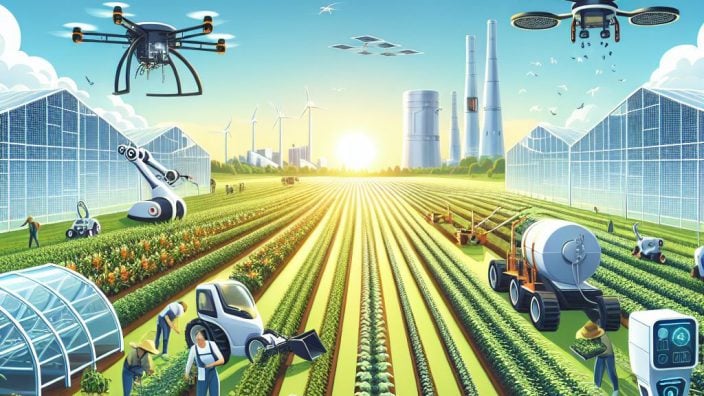
The answer lies in first understanding the macro trends shaping American agriculture, the operating environment farms will find themselves in and the innovation required to remain resilient and profitable into the future.
Read More
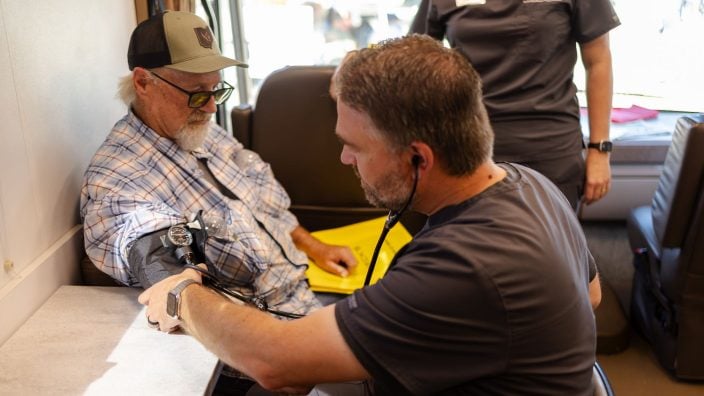
Farmers’ physical and mental health are often compromised by lack of health coverage. Farm Bureau seeks to establish Farm Bureau Health Plans.
Read More
I encourage you to consider the big questions that Ohio Farm Bureau members should be thinking about and how we as an organization can equip ourselves for whatever changes are coming.
Read More
Embracing risk planning and working with experts like a Nationwide-appointed agent can help farmers better navigate uncertainties and secure their farm’s future.
Read More
Ohio State is one of the few universities where a leading agricultural college, a top-tier medical school and a state-of-the-art hospital share the same campus.
Read More

Over 20% of all the production in the United States from agriculture gets exported to a different country.
Read More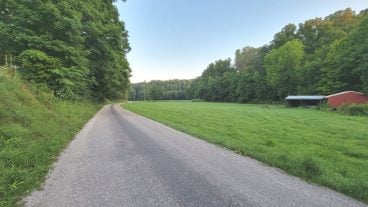
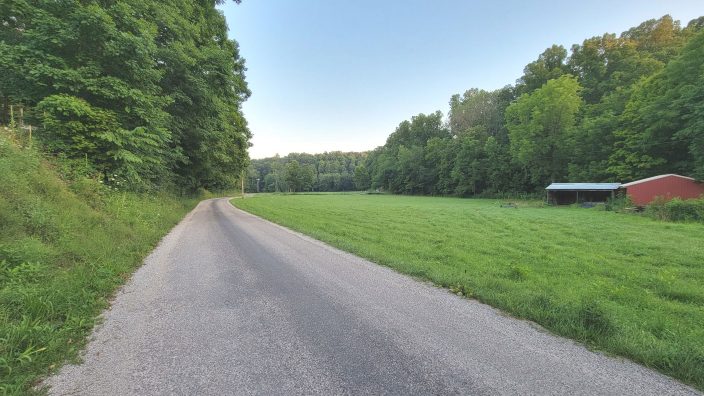
Community engagement at the earliest stages of development is essential.
Read More

Collegiate chapters connect agriculture students with grassroots Farm Bureau efforts at county, state and national levels.
Read More
The grants aim to ensure that creative young farmers can access opportunities and use their skills to alleviate the difficulties facing agriculture today.
Read More