









How reliable will electricity be this winter?
For Ohio and PJM region, the outlook is reassuring—ample reserves and strong planning should keep the power on.
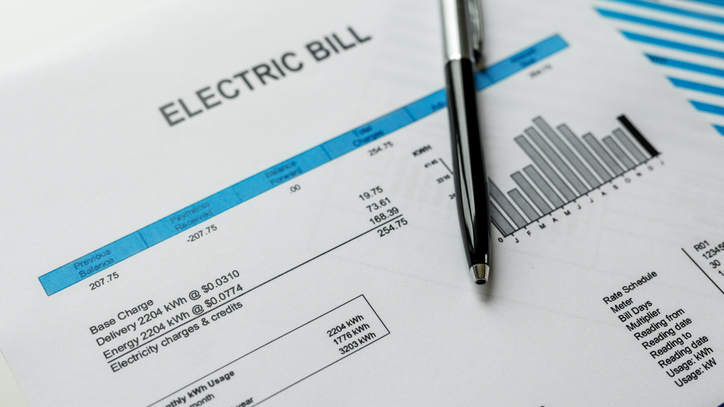
Read MoreCustomers of big utilities in Ohio saw electric bills rise this summer. Why? Supply and demand. The supply of electricity has dropped as demand has climbed, leading to a volatile energy market, or higher prices for generation, transmission and distribution of electricity. Ohio electric cooperative members didn’t see the increase because they’re part of the wholesale electricity market. Cooperatives own their power generation and provide it at-cost, keeping prices stable.
Why are we using more electricity? Electric cars, technology—the world is more electrified at a time when power generation has decreased. Ohio had 21 coal plants in 2009. Today there are three—others closed due to costly EPA rules. PJM, the organization that manages the grid in Ohio and 12 other states, has been warning the past few years declining generation was putting reliable electricity at risk. Renewables, like solar and wind have come on the grid, but don’t fill the gap, and they’re not available 24/7/365.
Enter data centers. They’re driving electricity demand higher. They are the places our favorite movies, photos, and other cloud data get stored, and they consume a lot of power.
A ChatGPT search requires 10 times the power of a standard Google search. A single data center can use 1,500 MW of power—enough to power 1.5 million homes.
How does Ohio close the power gap? Build more transmission lines, infrastructure and generation. Ohio’s HB15 is aimed at attracting generation investment but it takes time and money—and could keep big electric bills around for the short term. Data centers are considering building their own generation.
Electric cooperatives have enough generation to meet current member needs and are focused on making sure any additional costs or investment needed to serve data center load is allocated to data centers—and not shifted to members.
Ohio’s Electric Cooperatives (OEC) represents 24 member-owned, not-for-profit electric cooperatives who supply at-cost power to 1-million cooperative members in 77 of Ohio’s 88 counties. OEC also generates power at the member-owned cooperative Cardinal Plant, located along the Ohio River in Brilliant, Ohio.


For Ohio and PJM region, the outlook is reassuring—ample reserves and strong planning should keep the power on.
Read More

AFBF President Zippy Duvall discusses the importance of policy development and OEC talks about Ohio’s winter energy season.
Read More
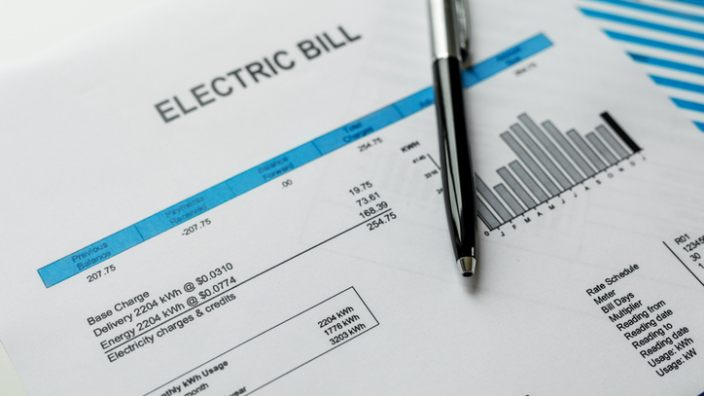
Ohio’s HB15 is aimed at attracting generation investment but it takes time and money—and could keep big electric bills around for the short term.
Read More
Learn about peak alerts and why they matter, plus, find out about one way to help mitigate unforeseen weather events to help protect livestock operations.
Read More

Hear from the CEO of Ohio’s Electric Cooperatives about what recent energy policy changes mean for the state’s electric grid.
Read More
Ohio’s Electric Cooperatives recommend safe energy conservation during extreme cold snaps to help alleviate demand.
Read More
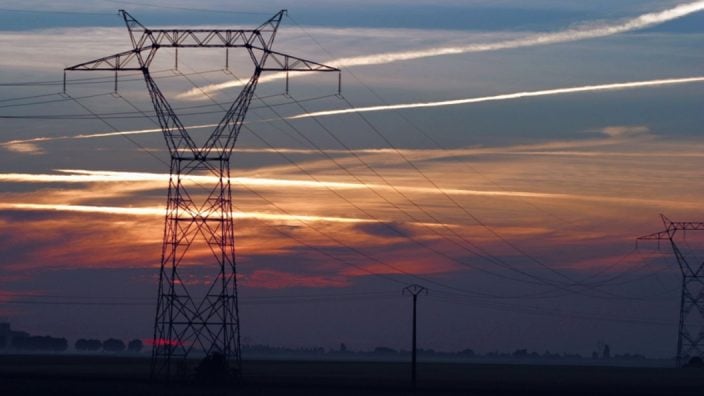
How will Ohioans fare should we have an extreme cold event that will put a heavy strain on the power grid, and what can we do to prepare for brutal conditions?
Read More

Family matters can get messy, especially when a new member joins that family. How are those details ironed out and why is the process so important? Learn more about that and Ohio electricity’s future.
Read More
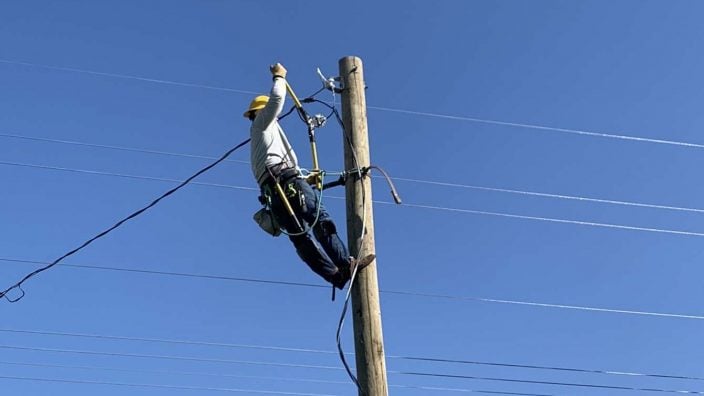
A new EPA rule that would further impact the reliability and affordability of electricity to Ohioans was recently released.
Read More
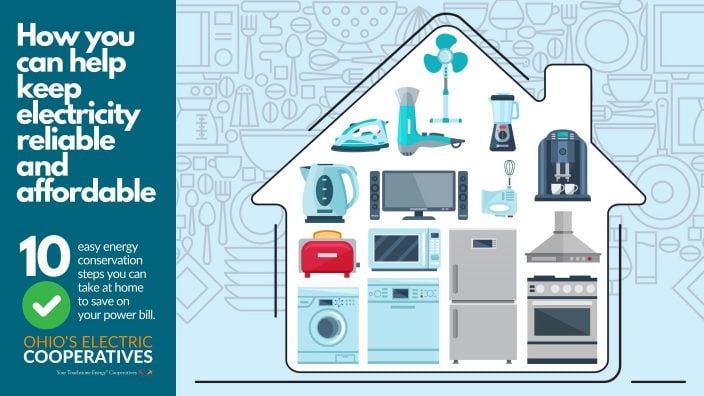
How Ohioans can help increase the reliability of electricity at home?
Read More