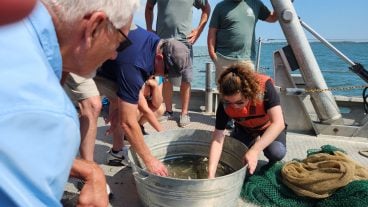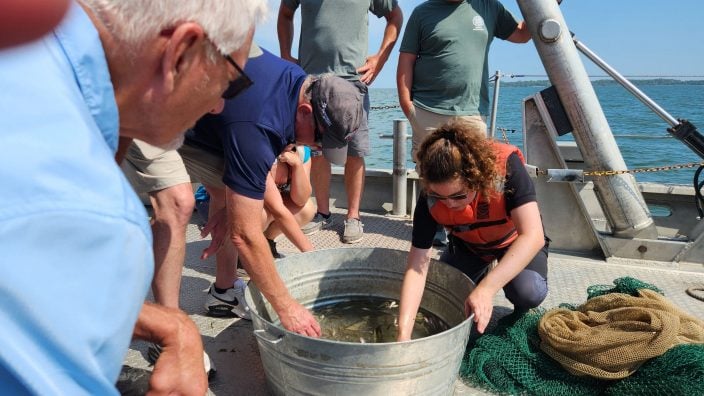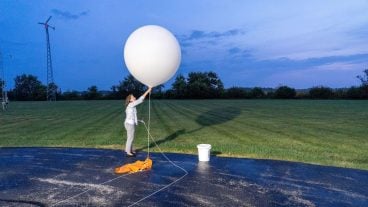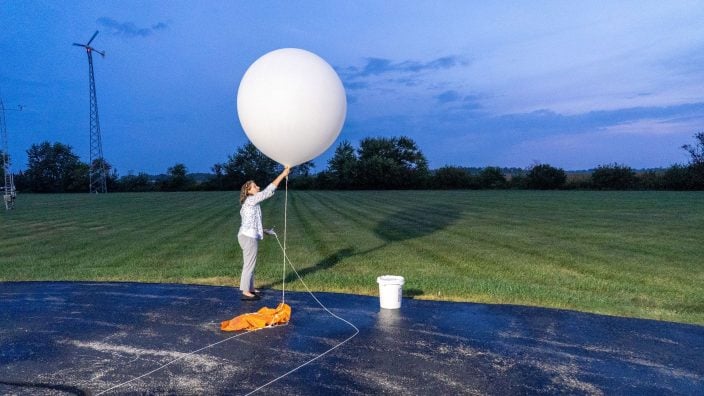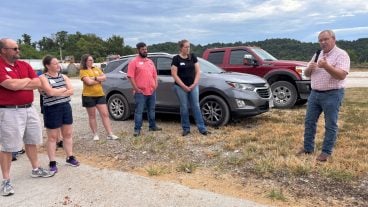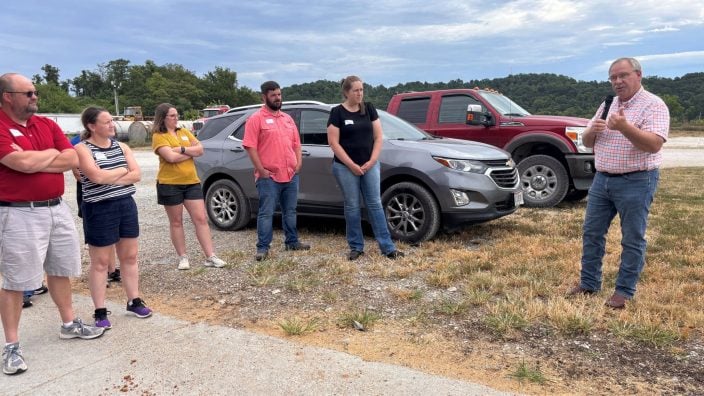
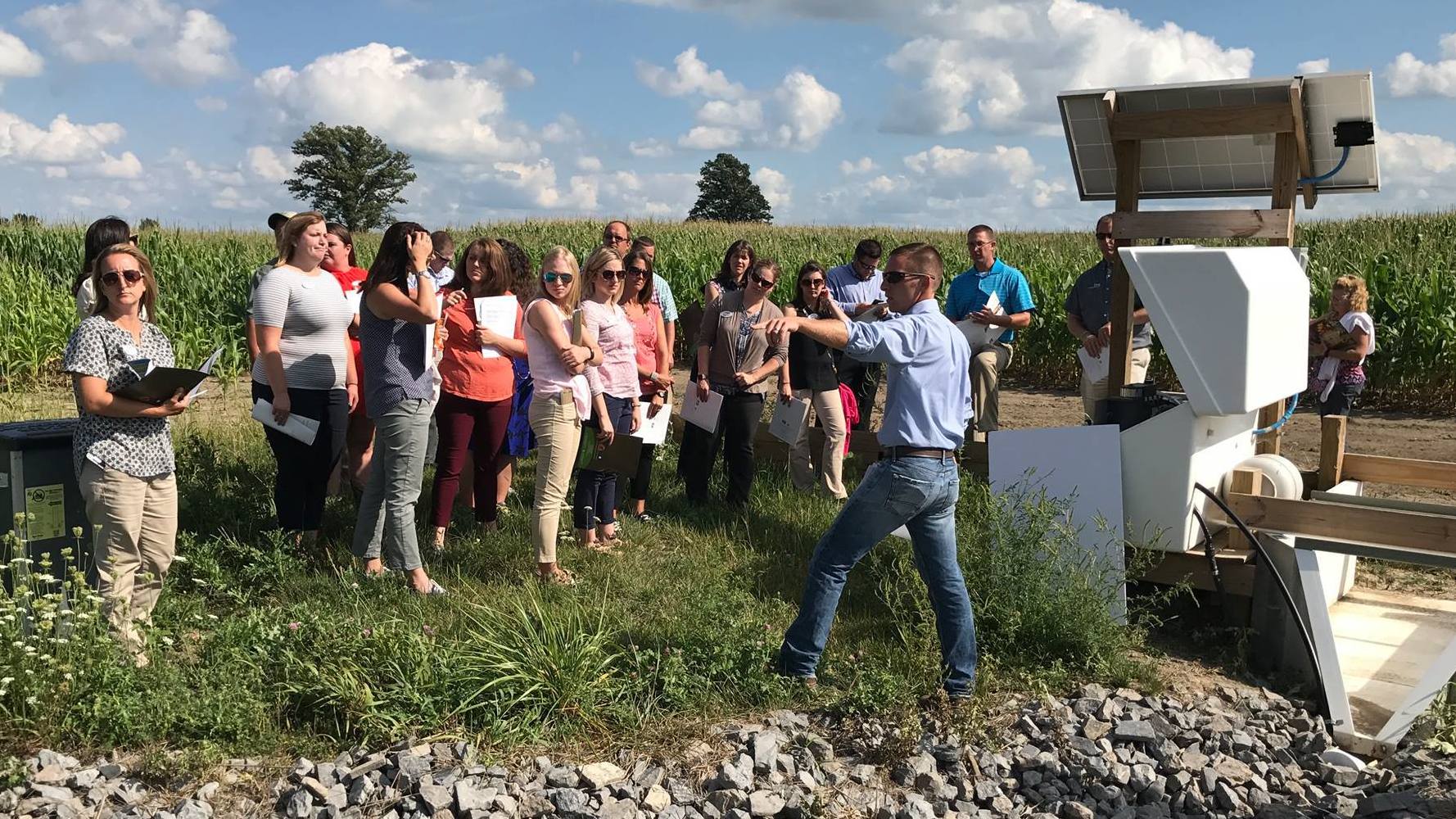
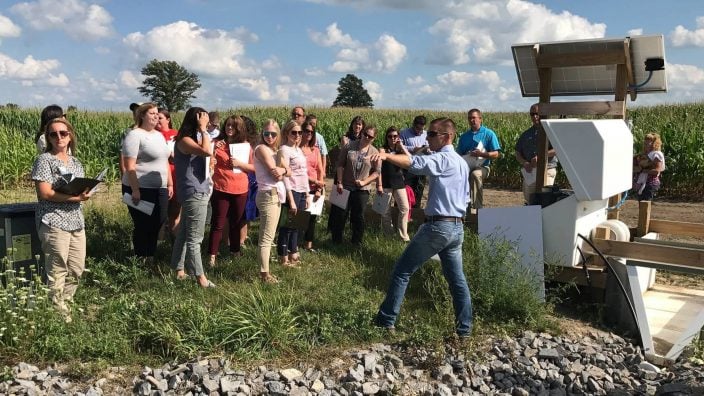
Blanchard River Demonstration Farms tour

One decade and 18 conservation practices later, a 10-year partnership between USDA’s Natural Resources Conservation Service and Ohio Farm Bureau came to a close Sept. 30.

The Blanchard River Demonstration Farms Network was a Great Lakes Restoration Initiative project. The demonstration farms showcased and demonstrated conservation practices that improved agriculture’s impact on downstream water quality in Ohio.

The key initiatives guiding the project included:

  • Establishing sites within the Blanchard River Watershed to test new and standard conservation systems in reducing phosphorus and sediment.
  • Establishing an efficient mechanism to share management approaches and information with farmers, agribusiness, conservation agencies, and the public.
  • Creating opportunities for industry partners to test their research, provide technical assistance and develop program implementation.
  • Sharing information and lessons learned from the Blanchard River Watershed throughout the Western Lake Erie Basin.

Those objectives have been met over the last decade, according to Ohio Farm Bureau Director of Water Quality Jordan Hoewischer.

“The demonstration farms project has been incredibly successful at not only exposing local farmers to the latest and greatest conservation projects, but also showing the nonfarming public how real farms operate and broadening their understanding of the industry,” Hoewischer said. “We are very proud to have served as a hub for meetings and research involving the vast amount of partners doing work in the watershed on nutrient management and water quality.”

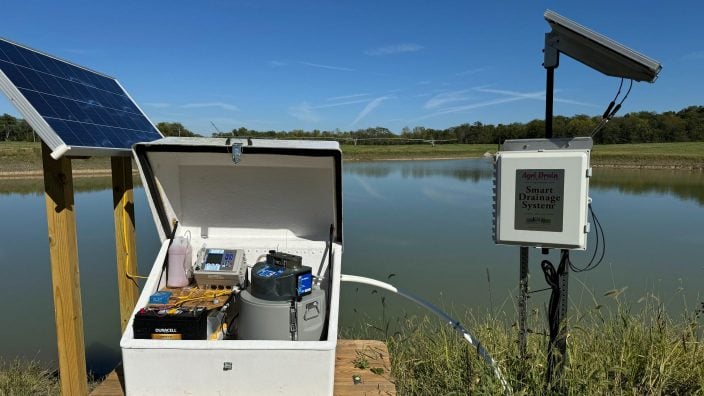
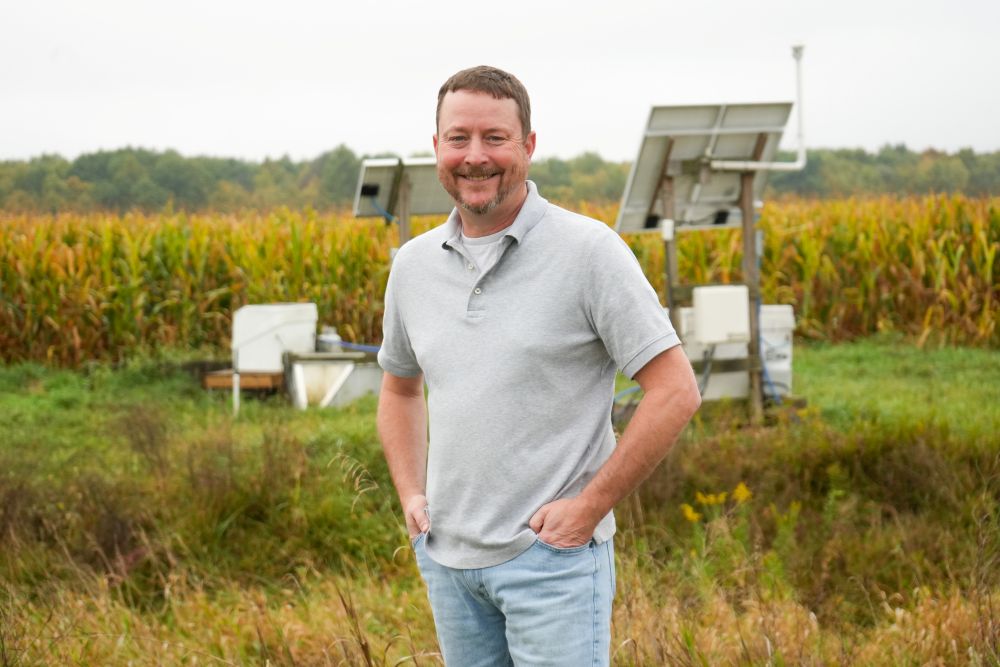
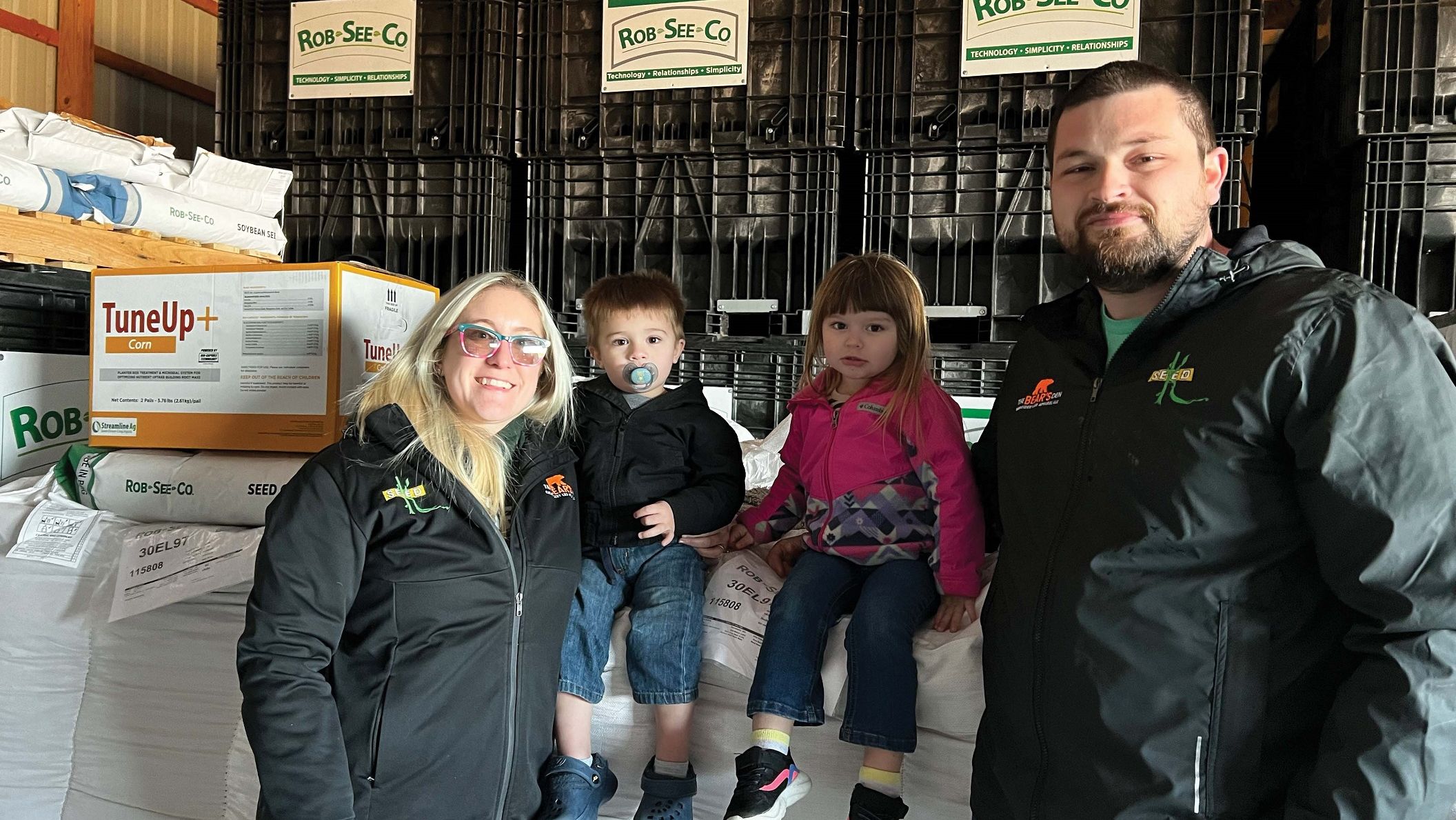
Three Farm Bureau members in the Western Lake Erie Basin – the Kellogg, Kurt and Stateler families – welcomed local, state and federal officials, fellow farmers, scientists and many more to their farms to view the conservation practices in action over the last decade. Those practices included the development of nutrient management plans, soil testing, subsurface nutrient placement, cover crops, filter strips, two-ditch drainage systems and many more.

The network was established in fall 2015 on farms in Hardin and Hancock counties. Nearly 200 different tours and events took place on the three farms totaling nearly 4,000 visitors in the 10-year span, Hoewischer said.

Reflecting on the last 10 years of testing conservation practices on their farms, each family was left with positive, lasting impressions, despite some initial hesitation.

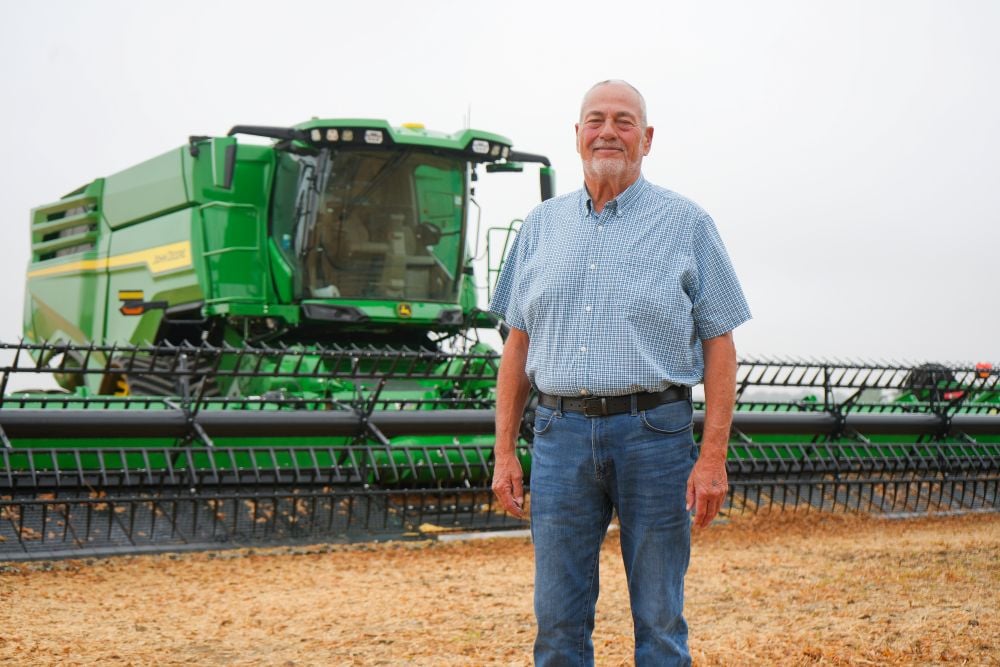
“When Farm Bureau came around and presented what they wanted to do with the demonstration farms, I told my son (Shane) that…we’ve always kind of flown under the radar, and that’s not going to be how we’re operating if we get involved with this,” said Bill Kellogg. “He said, ‘you got to show people that farmers are trying to make a difference, and if that’s what they’re going to try to do we need to get involved in it.’ I was very apprehensive, scared to death to open up my books to everybody, (but) it ended up being a wonderful experience for us.”

That same sentiment was echoed by the other two demonstration farm families, and the longer the project continued, the more they learned and were able to share with other farmers looking to improve water quality, help their soils and grow their bottom line.

“Don’t be afraid to adapt. Things are going to go forward in the future and it changes,” said Duane Stateler. “We are seeing dividends that I never thought we would see in a rise of organic matter – never dreamed it would be possible. But if you don’t try it, and if you don’t start, you don’t get there.”

Chris Kurt agreed.

“I think that the edge-of-field research is one of the most important things we’ve been doing,” Kurt said. “The benefits come into play years later. So each of the practices, whether it’s no-till, whether it’s a two-stage ditch, whether it’s filter strips or phosphorus removal beds or water control structures, all of those things have their part. And I have implemented them for the long term. I think they have great benefits to water quality.”

In addition to the on-farm project in northwest Ohio, two satellite offshoots of the demo farms efforts included a three-year saturated buffer research site within the Grand Lake St. Mary’s Watershed and being one of six water quality groups across the Midwest to participate in the Conservation Innovation Grant in collaboration with Wisconsin’s Water Resources Monitoring Group that seeks to understand the impact of soil health on water quality.

“Our demo farmers really came out of their shells to become lasting sources of information for their surrounding farmers,” Hoewischer said. “A lot has changed since we started the project being on the heels of the Toledo water crisis, COVID hitting in the middle and ending with an uncertain farm economy, but the result is that the Western Lake Erie Basin is a better, more cohesive watershed that in the last five years, has seen a marked decrease in the amount of nutrients coming off of farm fields.”

Key Points

  • The Blanchard River Demonstration Farms Network was a 10-year Great Lakes Restoration Initiative project that came to a close Sept. 30.
  • Conservation practices in the network were studied by university research teams and observed by elected leaders and fellow farmers, leading to better understanding of farmer water quality initiatives.

What’s Next

Learn more about the work done at the Blanchard River Demonstration Farms Network at blancharddemofarms.org.

Farmers of the 10-year Blanchard River Demonstration Farms Network

Kellogg Farms | Hardin County

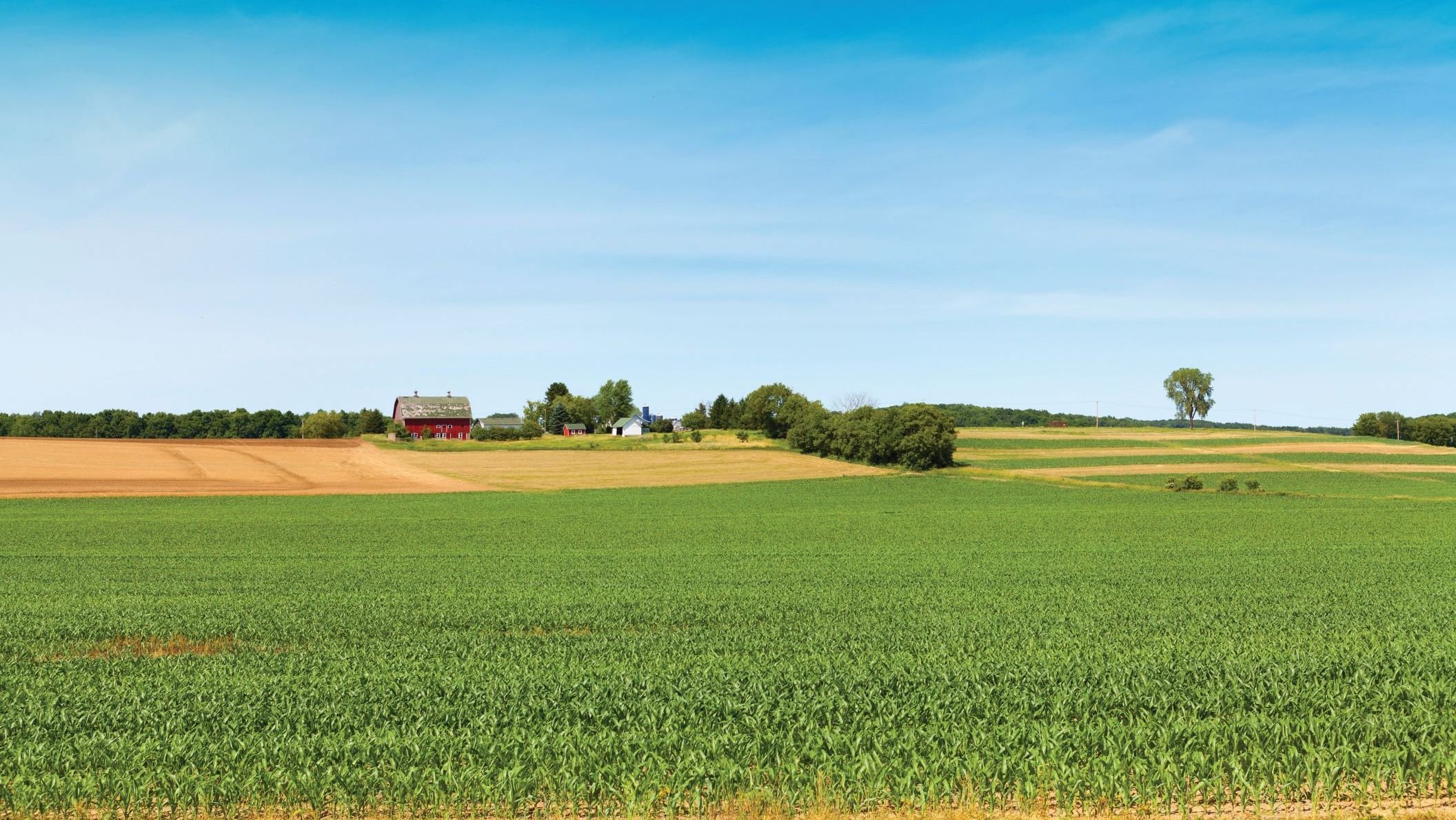
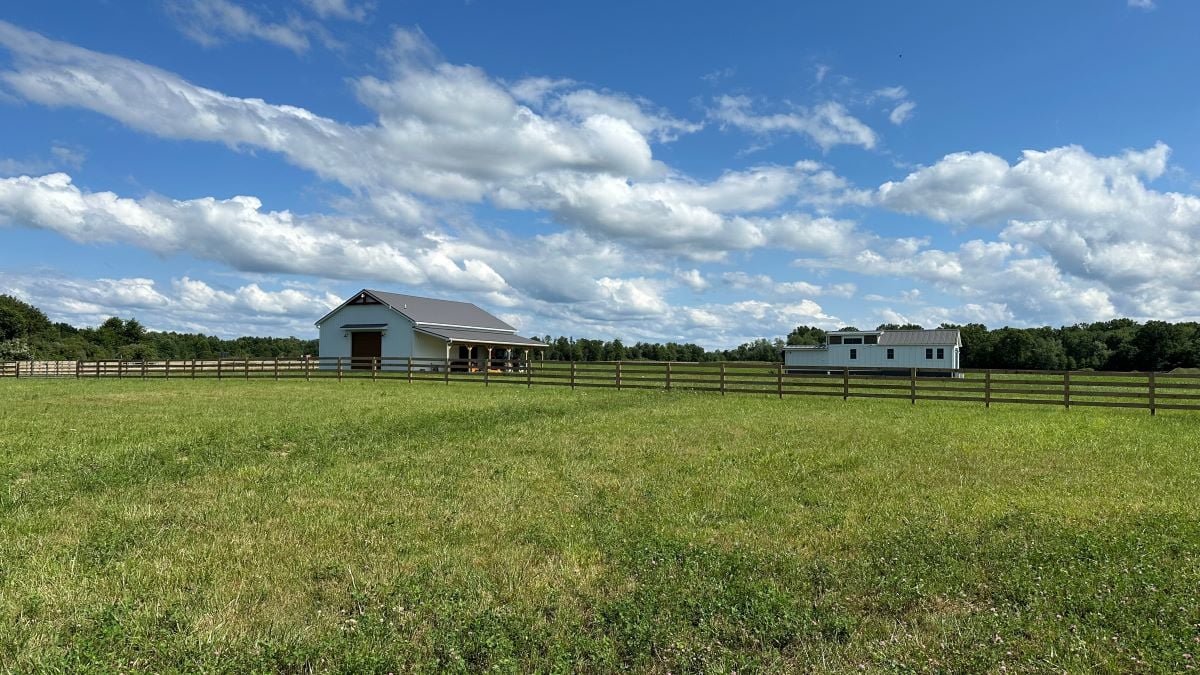
Bill and Shane Kellogg own and operate Kellogg Farms in Forest, Ohio in Hardin County. The farm consists of 5,000 acres of corn and soybeans. Kellogg Farms implemented nine conservation practices over the course of the project.

Kurt Farms | Hardin County

Chris Kurt owns and operates Kurt Farms in Dunkirk, Ohio in Hardin County. The farm is 470 acres of corn and soybeans. Kurt committed his entire farm acreage to the Blanchard River Demonstration Farms Network. Kurt Farms implemented 11 conservation practices over the course of the project.

Stateler Family Farms | Hancock County

Located in McComb, Ohio, Stateler Farm is owned and operated by Duane and Anthony Stateler. They raise corn, soybeans and wheat on approximately 1,000 acres in Hancock County and also operate a 7,200-head wean-to-finish swine operation. Stateler Family Farms implemented nine conservation practices over the course of the project.

To grow a network and gain perspective and knowledge in the industry through personal and professional development has been invaluable. Every day I learn and grow.
Ryanna Tietje's avatar
Ryanna Tietje

Henry County Farm Bureau

Farm Bureau connections
The issue of property taxation remains as one of the biggest challenges our members face today. Ensuring agricultural property is valued for its agricultural potential and not development is critical to the continued success of Ohio agriculture.
Matt Aultman's avatar
Matt Aultman

Darke County Farm Bureau

Giving farmers a voice
Farm Bureau is what really got the word out. It’s been one of their goals to get this done.
Bill and Charlotte Wachtman's avatar
Bill and Charlotte Wachtman

Henry County

10-year campaign for safer roads
I could not have done it without the resources I have found through Farm Bureau.
Gretchan Francis's avatar
Gretchan Francis

Trumbull County Farm Bureau

Bringing the farm back to life
Because we are younger farmers just starting out, Farm Bureau has a lot of good opportunities and resources to help us grow in the future.
Hannah Kiser's avatar
Hannah Kiser

Sandusky County Farm Bureau

Farm Bureau involvement
Through the Select Partner program, we became educated in farm insurance and weren't just selling policies. It became more and more clear why farmers need an advocate like Ohio Farm Bureau.
Chad Ruhl's avatar
Chad Ruhl

Farm manager, CSI Insurance

Select Partner Program
So many of the issues that OFBF and its members are advocating for are important to all Ohioans. I look at OFBF as an agricultural watchdog advocating for farmers and rural communities across Ohio.
Mary Smallsreed's avatar
Mary Smallsreed

Trumbull County Farm Bureau

Advocacy
Suggested Tags: