

How market consolidation impacts small farms
Nationwide offers tools and coverage to help small farmers remain resilient in a consolidating market.
Read MoreThe world started coming to the Wildmans’ farm in 2019.
Charles Wildman, who operates Standing Oaks Enterprises, a 1,000 acre grain farm and wean-to-finish swine operation, is the seventh generation to farm in the Clark County area, with roots tying his family to the area since 1806. He has always fancied the idea of traveling the world as a missionary; now he, his wife Carol, daughters Kimberly and Mindy, and his son Simon, have “the world coming to them” on the outskirts of the quiet village of South Charleston.
The Wildman family first “backed into” a unique farm diversification business when they fixed up an old farmhouse and became hosts with Airbnb in 2019 with their property dubbed the “House on the Lane.” Then Kimberly embraced it in 2021 with opening up GloryField Hospitality Farm.
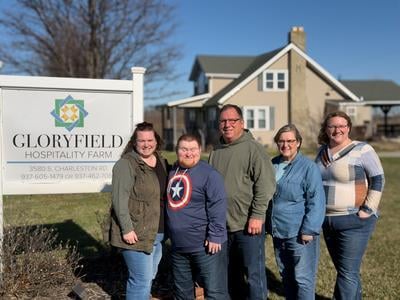
The timing for the Wildmans was fortuitous. The pandemic hit in March 2020 and rural short-term rental enterprises were seen as a “safer” alternative while traveling. Becoming an overnight destination has now become a popular option for additional operational income. It also serves to help foster a crucial component when it comes to preserving the right to farm — inviting visitors for an up-close and personal look at what it takes to be a farmer and work in agriculture.
“In 2025, the typical Ohio farm on Airbnb earned approximately $12,000, part of the approximately $113 million earned by hosts in rural Ohio,” said John LoPorto, Airbnb public policy manager. “Through Airbnb, farmers throughout the Buckeye State are earning a meaningful source of supplemental income to help preserve their farms during uncertain times and stay in their communities. Airbnb is proud to support the future of farming and demonstrate how agritourism can be a powerful tool for spreading economic opportunity across Ohio.”
The Wildmans are far from alone. Diversification of farm income is a necessity. Many producers across the state have had to find creative ways to make ends meet. Commodity prices, input costs, market disruptions and more have the majority of farmers turning to alternative income streams.
When Kimberly Wildman first bought the farm that became GloryField Hospitality Farm in 2021, it was clear why the farmhouse and 60 acres that came with it were for sale for so long.
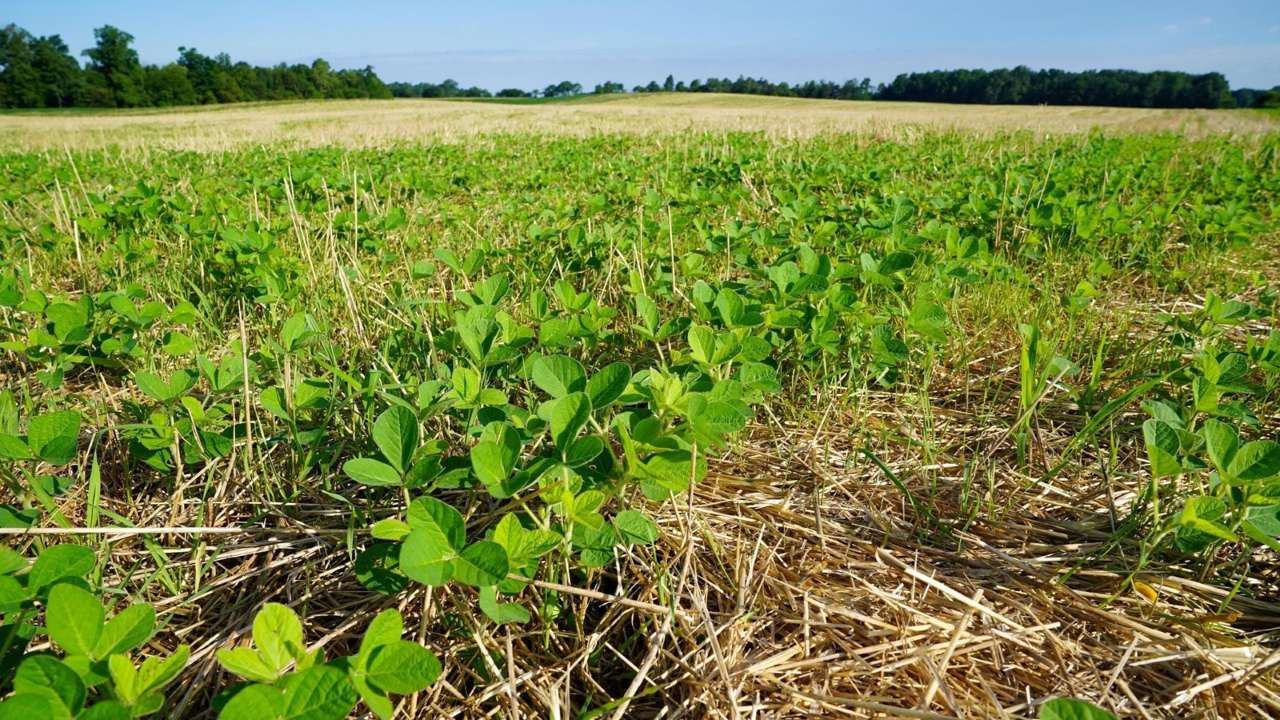
“It was difficult to see the true view of the property, and we knew it would be difficult to be farmed in the traditional way,” she said. Some of the acres are in an easement making drainage tricky and the small fields make ingress and egress for tractors and combines not ideal. While she does rotate soybeans, corn, wheat and cover crops, she also had a vision that the property could still be a working farm and a host location to expand the new family enterprise for the eighth generation.
“I never thought my farm journey would include being a hostess and a janitor,” Kimberly said, with a laugh. “I did enough research that I thought we had the right location, but I know this (trend of short-term rentals) could end at any moment.”
GloryField Hospitality Farm offers a large farmhouse with a view for up to 10 people, two “off-grid glamping” locations open seasonally, as well as a full-hookup camper pad – with electric, sewer and water hookups – for folks to bring their RV and stay the night or for much, much longer. Guests are welcome to explore the fishing pond, playground, farm animals and walking trails on the property.
Visitors come from all over the world and are often looking for an escape on the farm from city or suburban life or are seeking a unique experience.
“(Our family) has made each of our places unique enough for a variety of travelers’ needs but they all include the comfort and safety of home,” Kimberly said.
While a significant portion of the fees collected by Airbnb goes to hosts, those who work with membership-based travel groups such as Harvest Hosts see a more tangential return on their investment. Harvest Host caters to the RV traveler.
First-generation farmers Jim and Sherri Borton own and operate Lincoln Way Vineyards in Wooster with their children Alex and Arianna. They have space for several RVs to visit for a night or two and partake of everything their Wayne County business has to offer.
“They do all the marketing,” Jim said of Harvest Hosts. “We don’t charge their members to stay overnight, but as part of their membership, guests are expected to support our business. We used to only offer a one-night stay, but now we can offer multiple nights. It does not cost us anything to participate. We do not offer water or electric hookups, as the RVs have to be self-contained.”
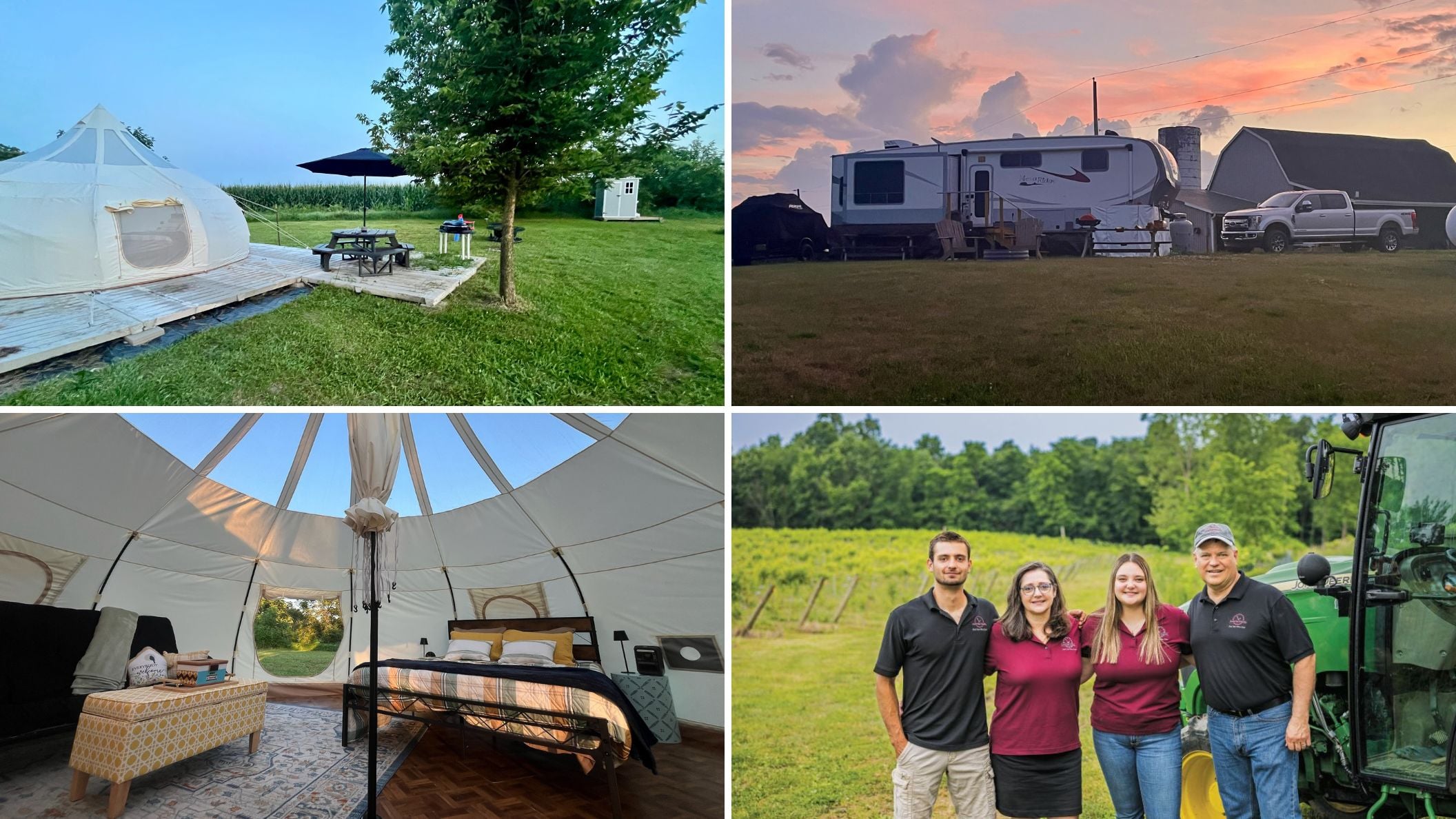
The draw of food trucks, game nights, live music, vineyard tours and other agritourism offerings make up the largest portion of diversified proceeds for the Bortons, along with 18 types of Ohio Proud and Ohio Quality award wine crafted primarily from grapes in their 10-acre vineyard, produced and bottled on site. They also offer hard cider and recently branched into producing craft beer on site.
The Bortons still have jobs off the farm, but the Harvest Host visitors are adding personality and profits to the variety of experiences at Lincoln Way Vineyards, Jim said, and visiting people from all over the country makes the job fun.
“We will talk with anyone who is interested in the vineyards or just wants to sit around the fire pit,” he said. “We are the ‘fun job’ for all of our staff, especially teachers in the summer. We’re in the process of diving into having more educational experiences and adding more things to become a destination.”
Alex and Arianna, he noted, are essential partners and working toward taking over the business one day. Currently Alex serves as the vineyard manager and Ari as the cidermaker, brewer and helps Sherri with wine blends.
Back in Clark County, the house where Charles grew up, the “House on the Lane,” is now a duplex that is rented out most of the year. His daughter, Mindy, has the “Traveler’s Retreat,” closer to I-70, and of course Kimberly, who has gone all-in on the ag hospitality experience at GloryField Hospitality Farm. Their brother, Simon, who has Down syndrome, is always working with his sisters on one of the properties. He loves to help with the cleaning, restocking amenities and decorating for the seasons.
All the Wildmans’ properties are on working farms, and visitors are aware that they will get a taste of agricultural life while they are visiting. It can be a win-win opportunity for farmers and the public to connect.
“If we hadn’t had the success we’ve had with the House on the Lane, I don’t know if I would have had the confidence that (GloryField) would be so successful,” Charles said.
Kimberly’s farm is now up to 150 acres. She has plans to expand the overnight options GloryField offers and offer even more agritourism adventures, always keeping an eye on what the market will bear.
“We’ve almost put the original farm back together,” she said. “Our goal (at GloryField) is to offer the idealistic farm experience to guests and being in the business of short-term rentals is a lifestyle you have to accept. It’s a lot more work than you think, but it is very rewarding.”
Before committing to short-term rentals as a way to diversify income, farmers need to consider the permissions of their local zoning regulations, said Leah Curtis, associate general counsel for Ohio Farm Bureau.
Curtis noted that short-term rentals or temporary camping may not be permitted under local zoning or agricultural exemptions.
Additionally, a very limited number of camping spots with utility hookups are permitted before special licensing must be obtained through the Ohio Department of Health.
Farmers wanting to pursue the short-term rental and camping markets also need to discuss coverage with their insurance agents as these activities will likely not be covered by a traditional farm policy, Curtis said.
WHAT’S NEXT
Ohio Farm Bureau has several members-only resources for those looking to enhance their farming operations to include farm markets, agritourism events, etc.
Contact your local county Farm Bureau to request a Landowner Toolkit, Small-Scale Food Business Guide and more before launching into a new endeavor.


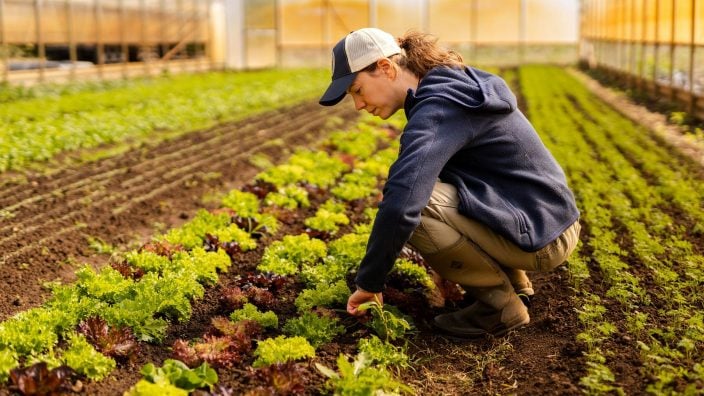
Nationwide offers tools and coverage to help small farmers remain resilient in a consolidating market.
Read More
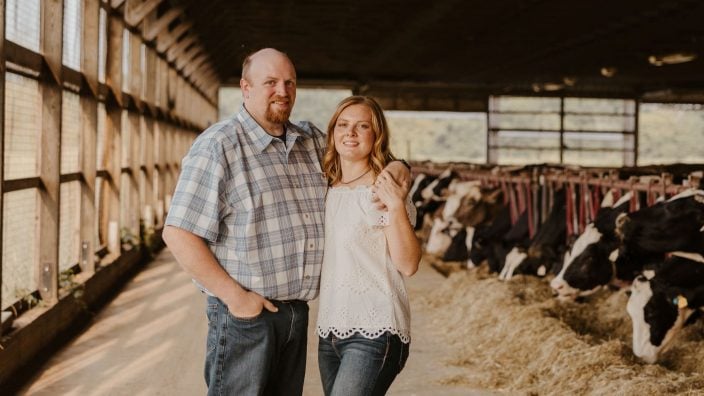
Like many small farmers, Julianne McCormick isn’t afraid to jump into new opportunities that can expand her income.
Read More
Take a walk down memory lane with some of our Young Agricultural Professionals contest winners from years past.
Read More
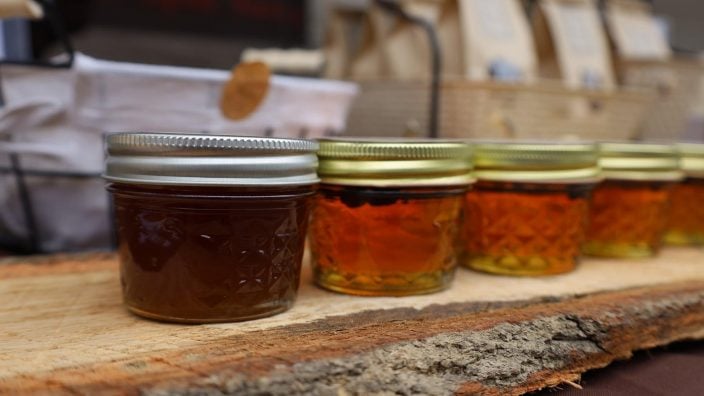
Diversification has emerged as one of the most effective strategies for small farms to address the challenges of market uncertainties.
Read More
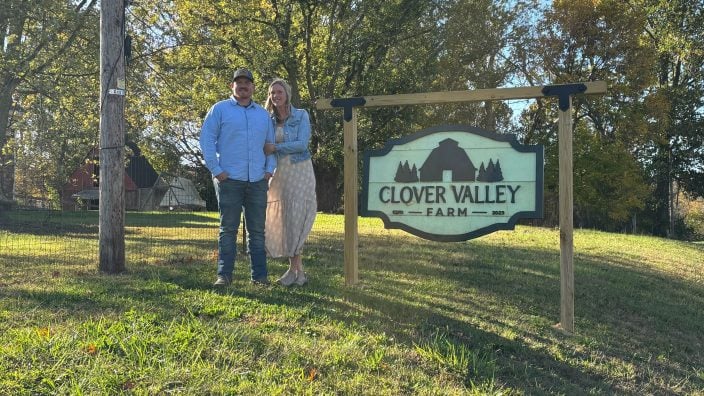
Winners of the 2025 Growing Tomorrow Grant, Nathan and Jill Parrimans’ small, regenerative family farm is dedicated to sustainable agriculture, community engagement and rural revitalization.
Read More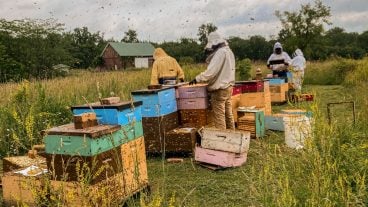
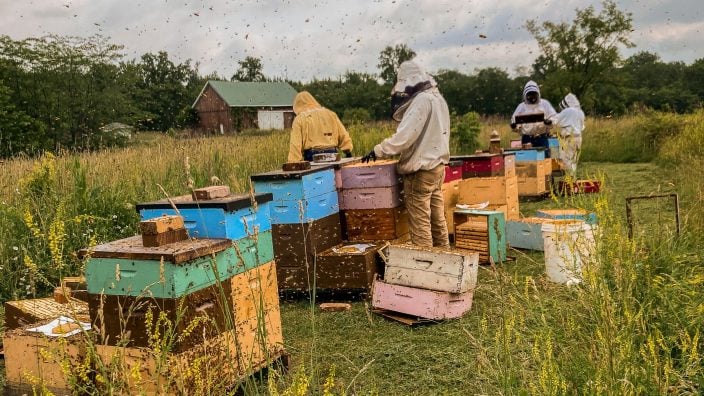
Farmer-beekeeper collaborations are essential for maintaining healthy bee populations and ensuring successful crop pollination.
Read More
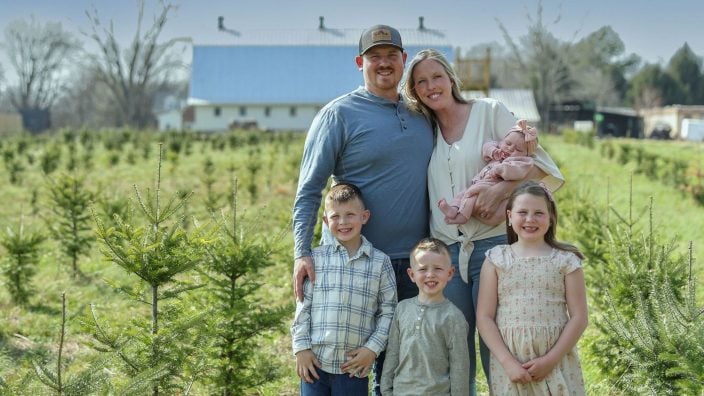
Small Farms, Big Ventures is the central theme of the May/June Our Ohio magazine. Farm operation diversification can take many forms; finding different avenues for ag income isn’t for the faint of heart.
Read More
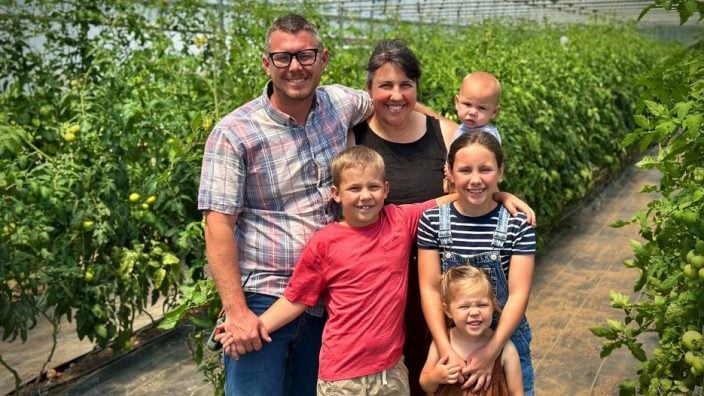
Montgomery County Farm Bureau member Michael Kilpatrick, owner and operator of The Farm on Central in Carlisle, Ohio, speaks frequently on the topic of farmer burnout.
Read More
Faced with the evolving demands of modern agriculture, Ohio’s small farms are finding diversification success through innovation and expansion, creating sustainable futures for their operations.
Read More
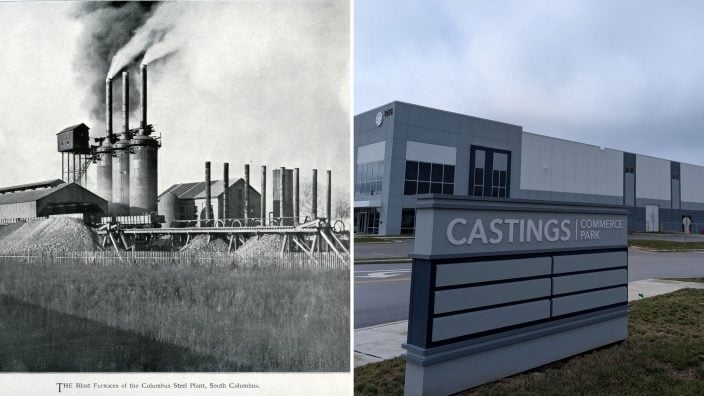
Farmland should be seen as a national resource is a view encapsulated in Farm Bureau’s recent policy supporting the creation of a national farmland preservation strategy.
Read More