

Field Day Podcast with Jordan Hoewischer: Ep. 46 Jay Martin
Jay Martin discusses his Pilot Watershed Project in the Western Lake Erie Basin. He is a professor of Ecological Engineering at The Ohio State University.
Read MoreBackground: In response to an editorial published in Toledo Blade minimizing the role of farm families and H2Ohio in the positive water quality progress of Lake Erie, Ohio Farm Bureau sent a letter sharing the decades-long commitment to conservation by Ohio farmers. The letter also addresses a few other ideas that would mitigate, over-regulate and send agriculture backward.
Toledo Blade Editorial Board:
We appreciate your Sept. 2 editorial, “Lake Erie has looming issue,” recognizing H2Ohio and progress being made to improve Ohio’s water quality. The story, however, presents an incomplete picture of H2Ohio and leaves out a major part of the progress: the thousands of farm families, and partnerships, who have stepped up to be a part of the solution.
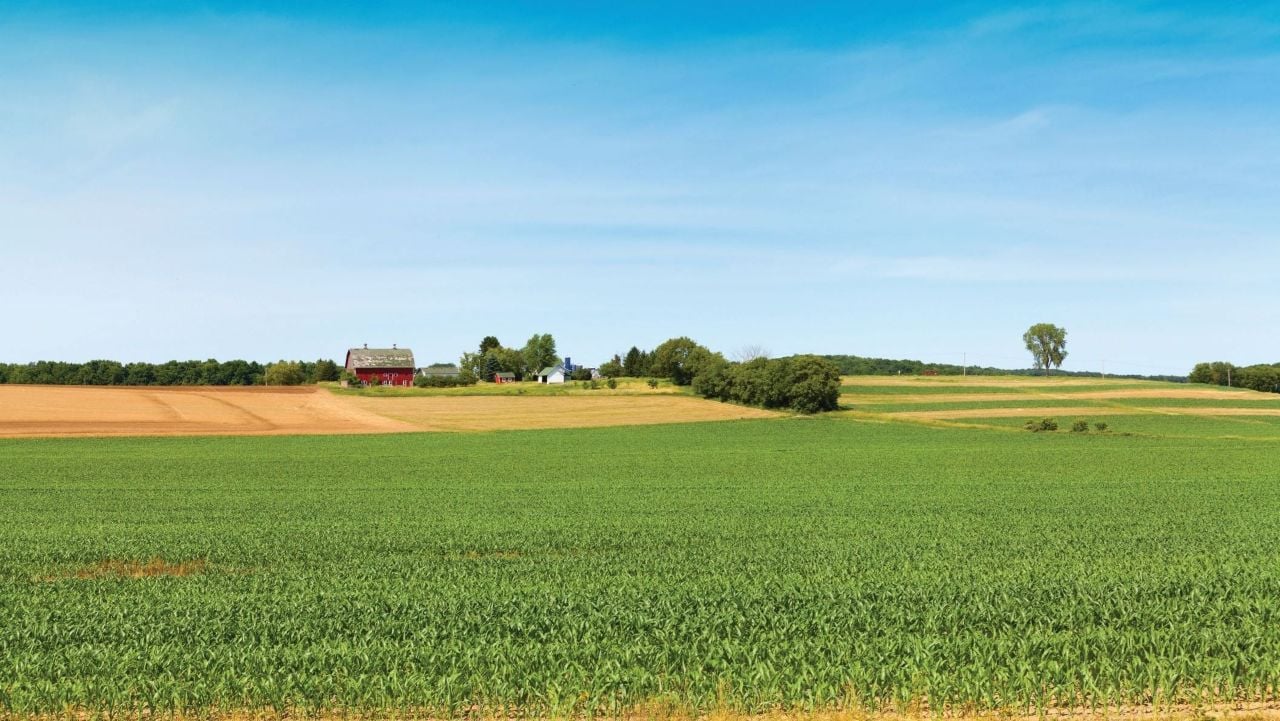
The farmland in the Western Lake Erie Basin watershed has the highest concentration of agricultural conservation practices in the country, and H2Ohio is the largest voluntary conservation program of its kind in the nation. Today, 2.7 million acres of farmland are enrolled in H2Ohio, an area roughly twice the size of Delaware.
We are grateful to Gov. DeWine’s leadership and the general assembly’s continued investment in H2Ohio, but this progress did not start with the program. H2Ohio builds on years of investment and collaboration among farmers, agricultural organizations, researchers, conservation partners and efforts such as Healthy Water Ohio, the 4R Nutrient Stewardship Certification Program and the Ohio Agriculture Conservation Initiative.
The editorial rightly points to a 12% reduction in phosphorus, but the broader water quality trends are even more encouraging. Dissolved reactive phosphorus levels in the Maumee River are near the lowest point this century, and Lake Erie has experienced low to moderate algal blooms for the past seven years. The article focuses on wetlands but they are only one piece of a much larger conservation effort. Thousands of farmers are implementing nutrient management plans and practices such as cover crops, subsurface phosphorus placement, variable rate nutrient application and crop rotation to keep nutrients on fields and out of waterways.
The editorial also suggests limiting livestock operations as a less costly solution. That overlooks the effective regulation already governing these farms and the broader picture on nutrients. Manure accounts for less than 20% of the nutrients applied in the basin. Recent record-high beef prices should also serve as a reminder that policies that restrict livestock production can have consequences for consumers, farmers and our food supply.
There is still work to be done, and Ohio farmers understand the responsibility in protecting the natural resources they have been entrusted with and meeting the state’s water quality goals. But as we measure progress and look toward what comes next for Lake Erie, the thousands of farm families investing in conservation efforts must be a central part of the story. Ohio farmers are stepping up and doing our part, and we expect others to do the same.
Thanks for your time and sharing the positive progress we are seeing because of H2Ohio.
Adam Sharp
Executive Vice President
Ohio Farm Bureau Federation


Jay Martin discusses his Pilot Watershed Project in the Western Lake Erie Basin. He is a professor of Ecological Engineering at The Ohio State University.
Read More
Chris Winslow from Ohio Sea Grant and Stone Laboratory discusses the status of Lake Erie, legacy phosphorus and other topics as well.
Read More
Aaron Wilson from Ohio State University and the Byrd Polar and Climate Research Center talks about short and long-term weather and climate trends and how the super El Niño will affect our region.
Read More
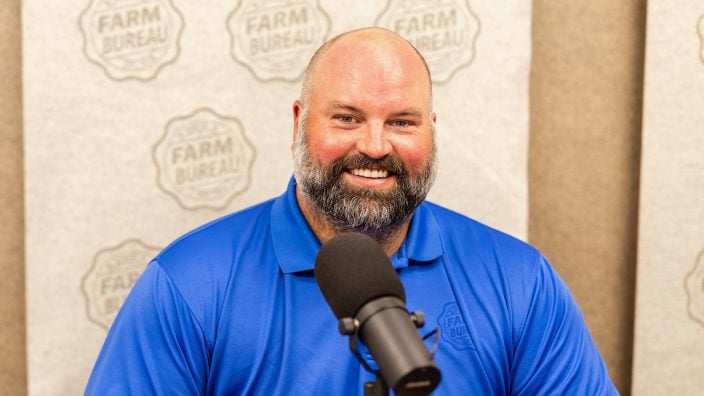
Jordan Howeischer, Ohio Farm Bureau director of water quality and research, provides some history on water quality in Ohio and what the industry has accomplished since the 2014 Toledo Water shutdown.
Read More

In response to an editorial published in Toledo Blade, Ohio Farm Bureau sent a letter sharing the decades-long commitment to conservation by Ohio farmers.
Read More
The report provides insight into measurable progress in conservation practices and Ohio farmers’ continued commitment to water quality.
Read More
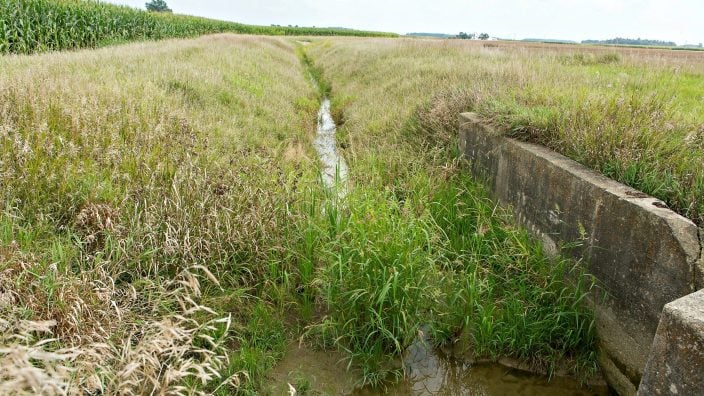
The report provides a data-driven look at conservation practices across the Western Lake Erie Basin and emphasizes farmers are doing their part in water quality.
Read More
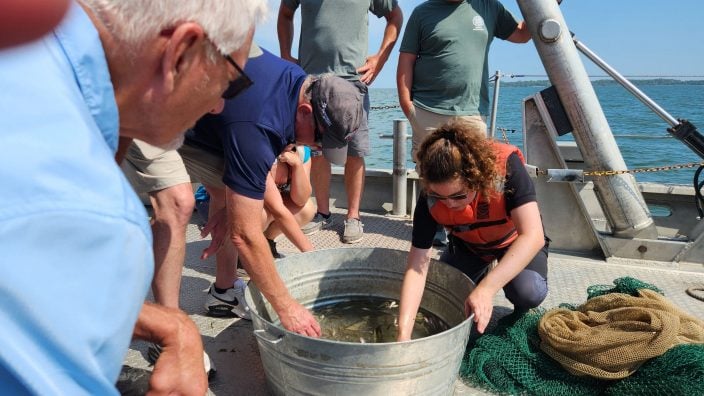
Jay Martin of Ohio State and Jordan Hoewischer join the podcast to break down the recent research and advocacy efforts helping drive that progress.
Read More

Ohio EPA has recently proposed allowing data centers to obtain ‘general’ National Pollutant Discharge Elimination System (NPDES) permits for their stormwater/wastewater discharges.
Read More
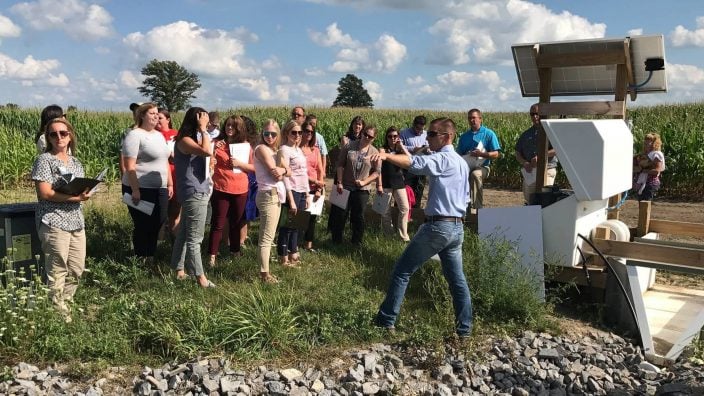
The network was established in fall 2015 on farms in Hardin and Hancock counties. Nearly 200 different tours and events took place on the three farms totaling nearly 4,000 visitors in its 10-year span.
Read More