

Applications for Ohio Farm Bureau Health Plans now available
Members have three ways to apply: contacting a certified agent, calling 833-468-4280 or visiting ohiofarmbureauhealthplans.org.
Read MoreFewer than 9 percent of a city’s registered voters just passed the Lake Erie Bill of Rights, which declares that Toledoans have legal authority over some 5 million Ohioans, more than 430,000 businesses, thousands of local governments and tens of thousands of farmers. The voters didn’t stop with the 35 Ohio counties that are in the Lake Erie watershed; Toledoans’ new authority extends to parts of Michigan, Indiana, Pennsylvania, New York and Canada. Under LEBOR, any Toledoan who thinks any business or any government is doing anything that might do any harm anywhere in the lake’s 30,000 square mile drainage basin can sue for damages and legal fees. Maybe.
This new self-granted power shreds existing laws that prevent cities from regulating outside their boundaries or overriding federal or state permits or defining their own felonies. LEBOR does all this, yet it passed. Bolstered by their Toledo win, out-of-state activists are already working on a LEBOR-like ballot measure that would apply statewide. Protests, rallies, advertising campaigns and lawsuits may soon be coming to towns, employers, farms and local governments near you. Maybe.
Why maybe? Because of the action of one brave Ohio farmer who is standing up for his family and the 11.5 million Ohioans who didn’t vote for this counterfeit solution to a real problem. The farmer, widely acknowledged for his environmentally friendly farming practices, filed a lawsuit, and at press time, a federal judge granted his request to put LEBOR on hold. Unfortunately, public harassment of the farmer isn’t on hold. Farm Bureau is providing assistance, as we often do in precedent-setting court cases, because it’s our job to protect our members and the food and farming sector.
Sadly, this fight was neither necessary nor productive. Even before the election, LEBOR proponents admitted their measure was not likely to stand up in court. And yet we’re now seeing the city of Toledo and an Ohio farmer spending hundreds of man hours and tens of thousands of dollars in litigation. And there’s the resources that farm organizations, like Farm Bureau, must invest to stay apprised of all the legal wrangling. This is time and money that should be invested in real world solutions instead of paying legal expenses.
I have no doubt the citizens of Toledo who favored the Lake Erie Bill of Rights had good intentions. Farmers do, too. Our differences aren’t over whether the lake should be improved and whether farmers can play a role in that. Our differences are over how. Water quality challenges won’t be solved in court rooms. They’ll be solved by farmers, researchers, educators, cities and citizens creating thoughtful solutions to complex problems. About that, there is no maybe.
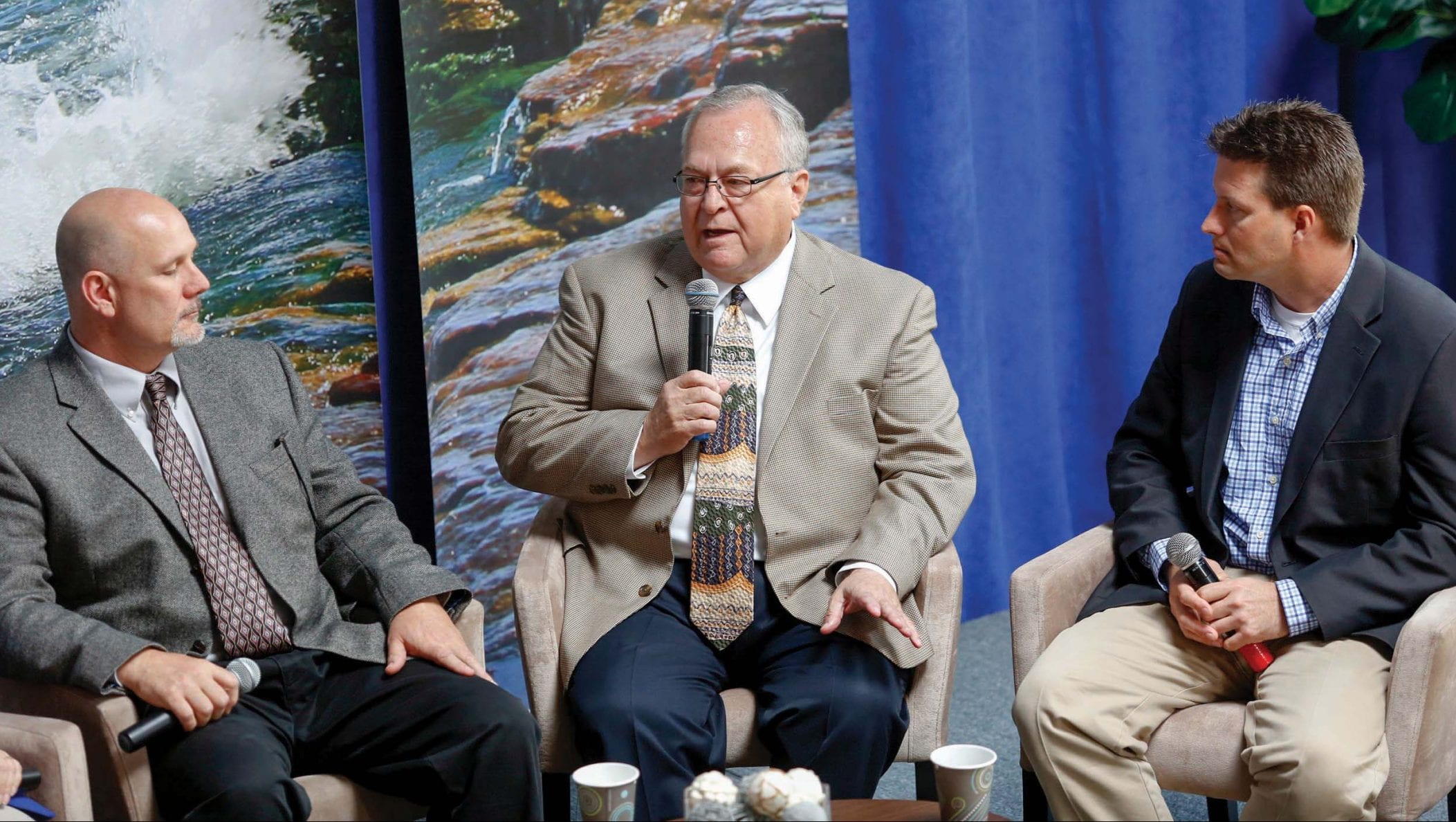
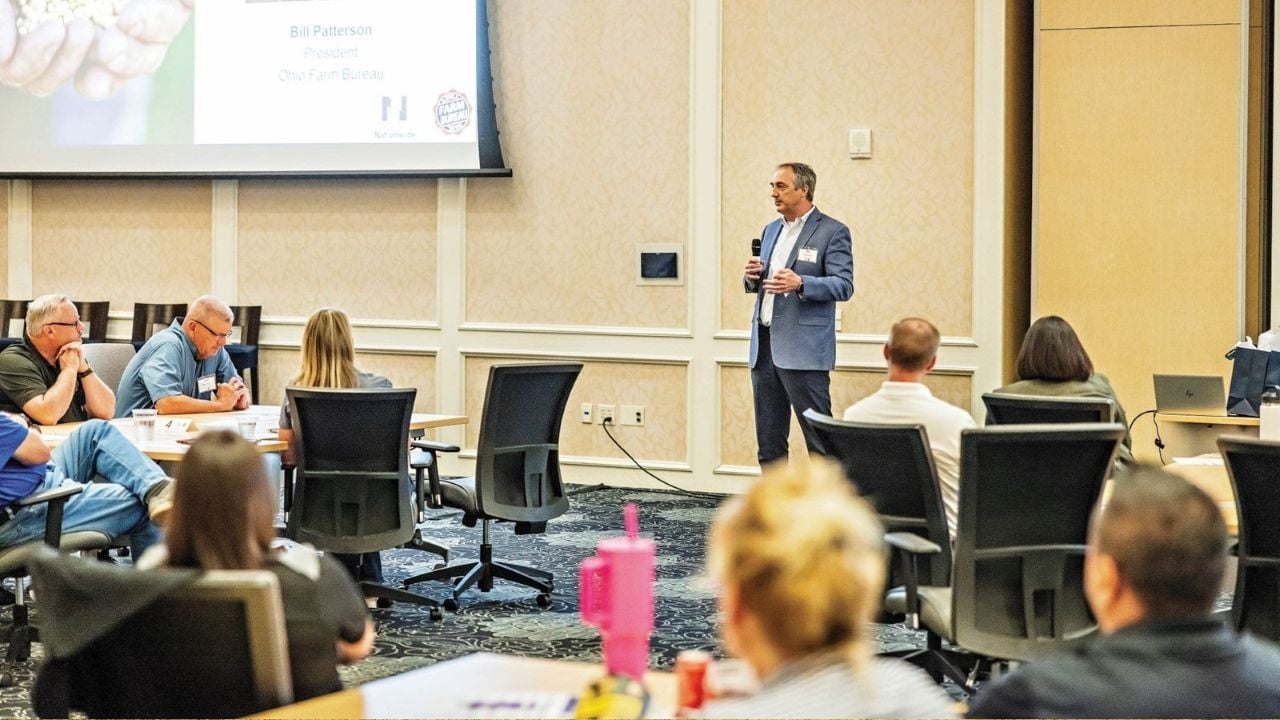
Featured Image: In the past I’ve met with city officials, environmental leaders and others to provide thoughtful insights into solving Lake Erie challenges. This kind of dialogue needs to take place again. Water quality challenges won’t be solved in court rooms.


Members have three ways to apply: contacting a certified agent, calling 833-468-4280 or visiting ohiofarmbureauhealthplans.org.
Read More
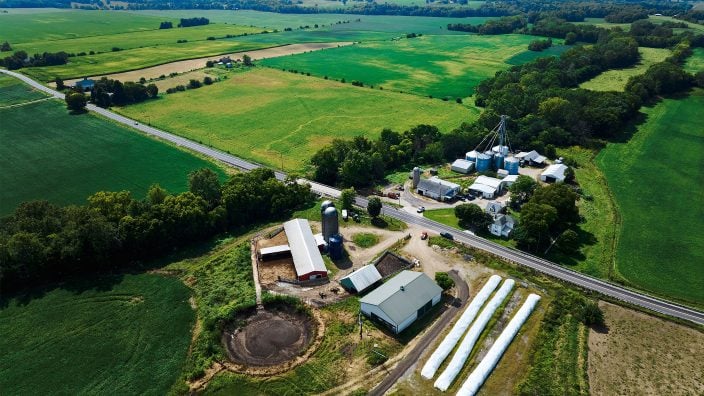
Ohio Farm Bureau Associate General Counsel Leah Curtis explains how the eminent domain process works in Ohio, what ‘quick take’ means and when it can be used.
Read More

As fuel prices skyrocket across the state, lawmakers are preparing to return to the Statehouse to vote on the temporary suspension of Ohio’s gas tax.
Read More
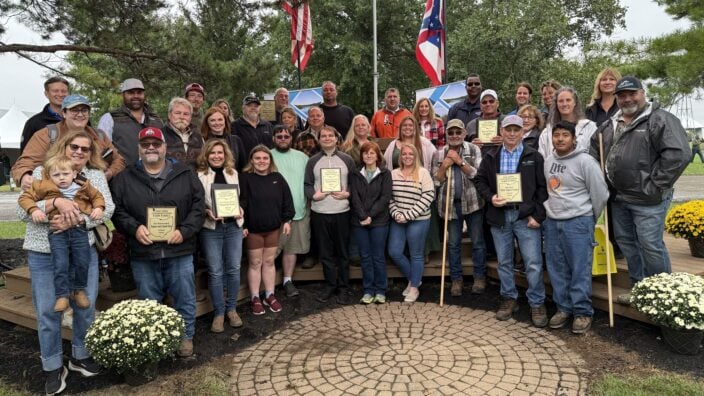
Since 1984, the Conservation Farm Family Awards program has recognized Ohio farm families for their exemplary efforts conserving soil, water, woodland, wildlife, and other natural resources.
Read More
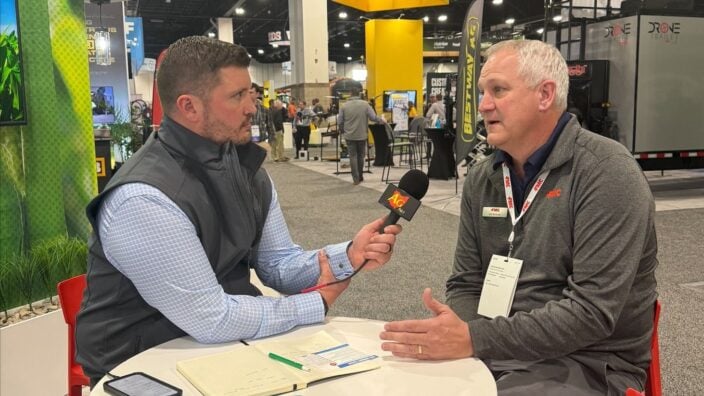
Meet Joe Everett, a Shelby County Farm Bureau Young Ag Professional who has dedicated his life to service, both in uniform and within his local community.
Read More

A year-end review provides an opportunity to evaluate your operation’s financial position, discuss future goals and develop strategies for the upcoming season.
Read More
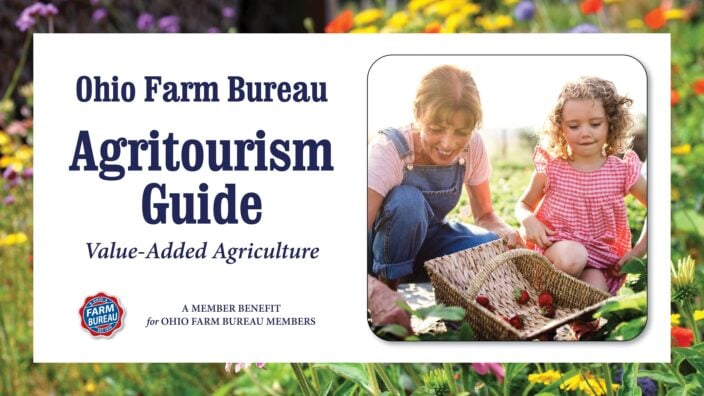
Ohio Farm Bureau has created a new guide to help members better understand the laws, regulations and risk considerations that come with opening their farms to the public.
Read More
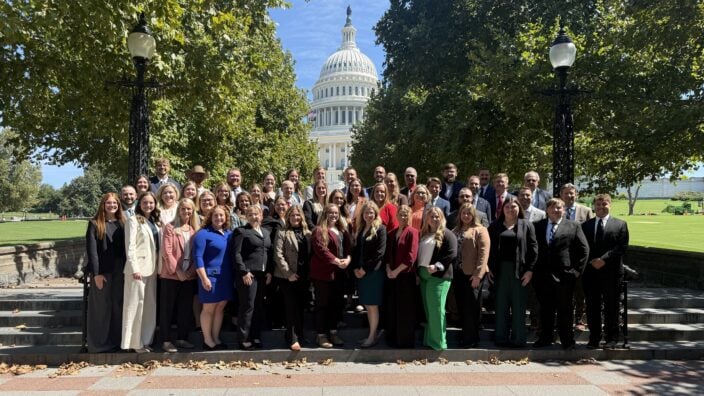
The groups received a firsthand look at agricultural policy, advocacy and leadership in the nation’s capital.
Read More

By prioritizing safety and health, you protect yourself and those around you, reduce downtime, and ensure your operation runs smoothly.
Read More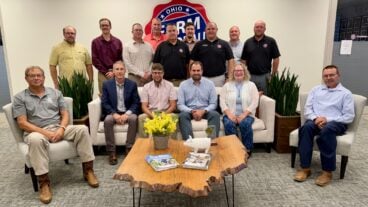
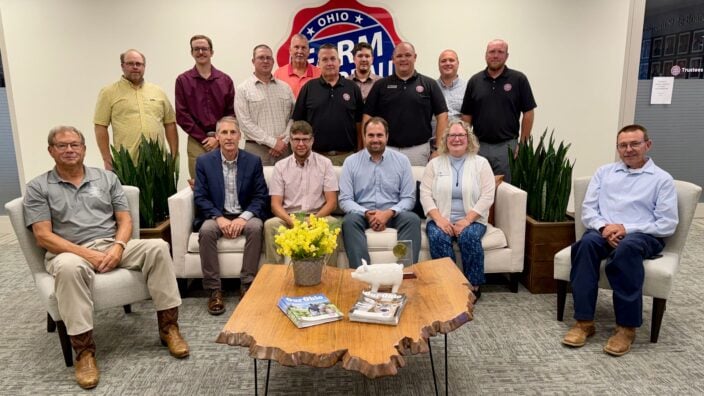
Twenty leaders have been named to the 2026 Ohio Farm Bureau Federation Policy Development Committee.
Read More