



Applications for Ohio Farm Bureau Health Plans now available
Members have three ways to apply: contacting a certified agent, calling 833-468-4280 or visiting ohiofarmbureauhealthplans.org.
Read MoreIt has been one of those springs that farmers would like to forget. Or maybe it has been one of those years going back to this past fall and winter that gave farmers more headaches than they wanted.
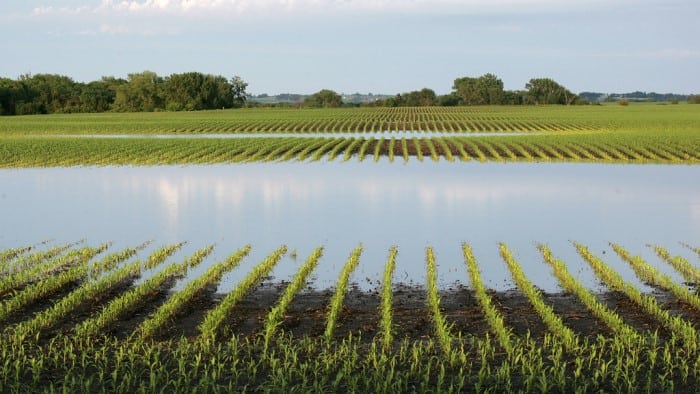
Constant spring rains made planting corn and soybeans impossible in many situations. Farmers would get equipment ready to go, and another rain would come along. That was the way it was most of the time — a frustrating situation. When there was a short break, a few fields got planted only to be flooded out with too much water. They had to be replanted or nothing was done with them.
Normally farmers plant about 20,000 acres of corn in the county. Observations are that many fields never got planted. Just how many is anyone’s guess. This past spring has been one of the wettest ones on record and that has been the problem. As of mid July, many fields were planted late. Those that did get seeds in the ground earlier find much of their crop of corn irregular in growth with spots in the field where the crop was drowned out with too much water.
Many soybeans were also planted late. Again some fields never got planted, and those that did get in the ground were late. A lot of fields of small, short soybeans can be seen around the county.
Last year there were about 26,000 acres of soybeans planted in Trumbull County. Again it is hard to tell just how many were planted this year.
When the rain did stop and soils dried out some, the corn and beans did make exceptional growth. One farmer said he had never seen corn grow as fast as it did in early July.
Now area farmers are wondering what fall will be like. Will we have a prolonged fall of good weather with no frosts until late? Or will we get an early, hard frost that reduces yields and causes a lot of wet corn or soybeans to be harvested?
It might be a good idea to be ready to harvest a lot of wet corn in case we get that early frost. Get a market lined up for your wet crops or be sure you have drying capacity in your own bins.
With lower yields of both corn and soybeans predicted, there have been some increases in market prices already this year. What they will be at harvest depends on the size and quality of the crops as well as the harvest season.
Another crop that has suffered is hay. Very little quality, first cutting was made. A lot of overripe, poor-quality hay was made in mid-July in an attempt to salvage something from the fields. A lot of big, round bales were harvested, some wrapped and some not, leaving it further exposed to the elements.
Alfalfa fields really suffered during the winter and spring. Winter was cold and wet and combined with the exceptionally wet spring, alfalfa plants heaved out of the ground and were destroyed.
Livestock growers attempting to feed poor-quality hay will have to supplement it with silage or other feed along with more protein supplement. In many ways, poor quality hay is like feeding straw, low in both nutrition and protein.
For those of us who are not farmers, we need to have a lot of empathy for those who are. Making a living farming is not easy in a good year and in one like this one, it is extremely discouraging. And we need to remember the food on our table and the price for that food are also at the mercy of our weather.
We may see some increases in prices for many of our foods later this summer and fall. Rather than complaining, we need to understand why.
Submitted by John Parker, professor emeritus, The Ohio State University and is an independent writer for Farm Bureau.
OFBF Mission: Working together for Ohio farmers to advance agriculture and strengthen our communities.


Members have three ways to apply: contacting a certified agent, calling 833-468-4280 or visiting ohiofarmbureauhealthplans.org.
Read More
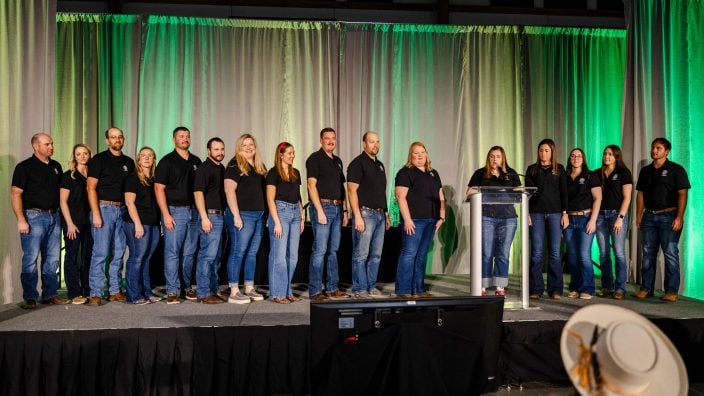
Members ages 18-34 who are interested in developing their leadership skills and enhancing programming for their peers should apply.
Read More

Senate Bill 328 is legislation designed to strengthen career-connected learning and better prepare students for Ohio’s workforce needs.
Read More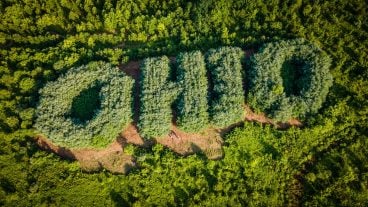
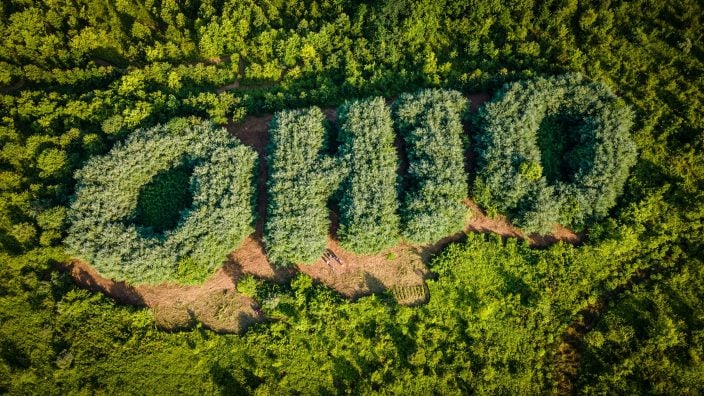
With the Family Forest Carbon Program, you can have a successful farm and get paid to grow healthy forests.
Read More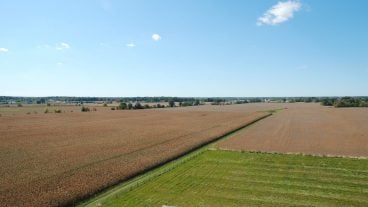
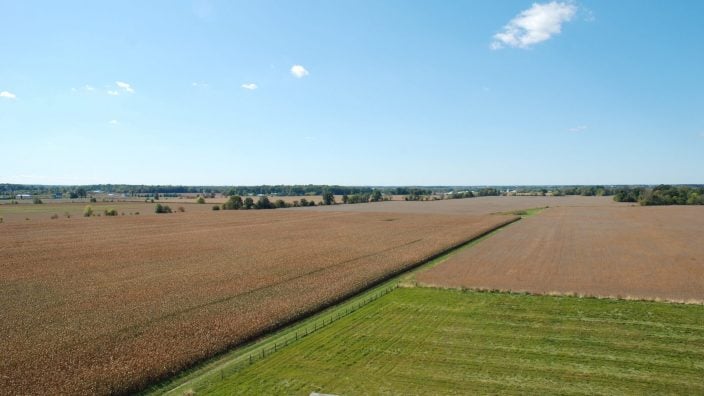
Ohio Farm Bureau recently sent a letter to Congress calling for the swift passage of the Farm, Food, and National Security Act of 2026 (HR 7567).
Read More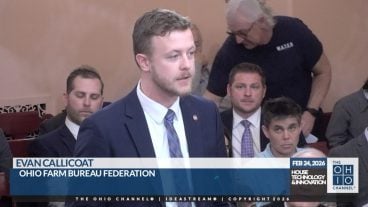
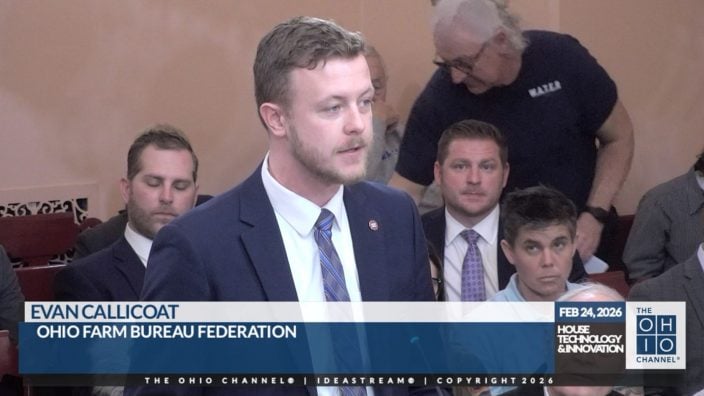
House Bill 646 would establish a Data Center Study Commission to examine the impact of rapid data center development across the state.
Read More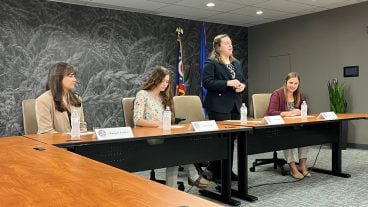
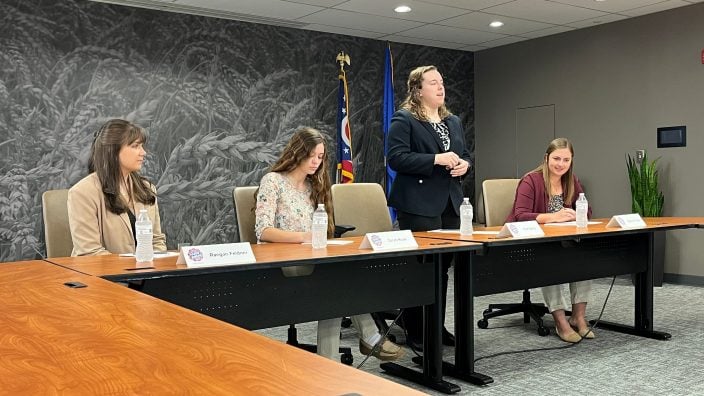
Collegiate Farm Bureau serves as a connection to current industry professionals and equips the next generation with the essential tools and resources needed to excel in their careers.
Read More

Ohio Farm Bureau members met one-on-one with state legislators and staff to discuss policy priorities impacting Ohio’s farms and rural communities.
Read More
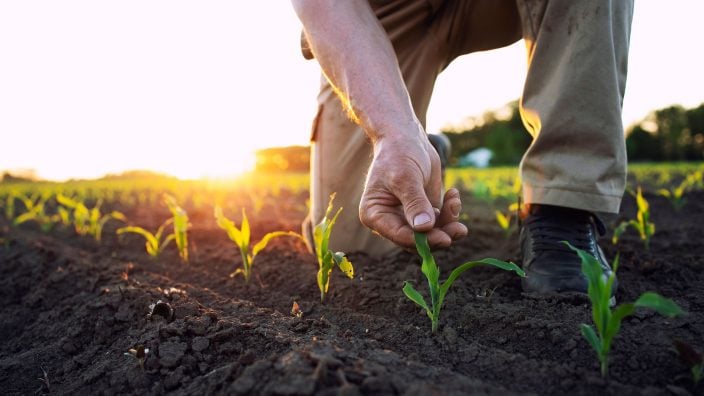
Legacy nutrient deductions enable new farmland owners to claim deductions on the nutrients within the soil on which healthy crops depend.
Read More
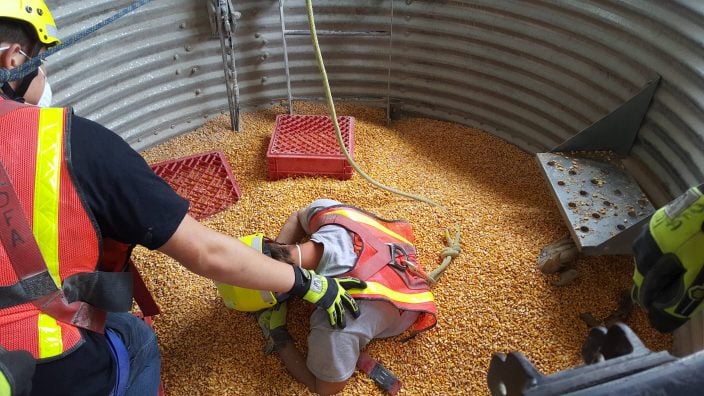
Farmers, agribusinesses and community members are encouraged to nominate their local fire departments for Nationwide’s Nominate Your Fire Department Contest through April 30.
Read More