




Applications for Ohio Farm Bureau Health Plans now available
Members have three ways to apply: contacting a certified agent, calling 833-468-4280 or visiting ohiofarmbureauhealthplans.org.
Read MoreHello, all. I hope you all had a wonderful holiday season and a good start to 2020. We’re gearing up for our busy program season and we will have a variety of great programs for you this year.
A few weeks ago, I had the great opportunity to meet with some colleagues from several other Midwestern states to discuss challenges to water quality and nutrient management. I was amazed at how different conservation practices vary from state to state, and what is considered “normal.”
For example, here in northeast Ohio, it is not a common practice to apply nitrogen in the fall because our farmers know that it may not be there next year when planting season rolls around. By not applying nitrogen in the fall, it is saving the farmer money, and it also prevents that nitrogen from getting into our waterways.
In contrast to that local practice, several states have a “normal” practice to fall apply nitrogen when there is no crop growing, and then come back in the spring to side-dress (apply nitrogen to a growing crop) their corn. This is not the best management practice to keep nitrogen in the soil where the crops can use it.
Another example that blew my mind was that many farmers west of the Mississippi River would consider crop rotation a conservation practice. Locally, crop rotation is just something that you do and isn’t considered a conservation practice.
We know that planting corn every year will deplete our soil and will allow for insects and diseases to build up, so the standard practice is to rotate corn and soybeans or possibly a small grain. If a farmer said he had a field in continuous corn for 40-plus years in the county, I am sure he would be getting some interesting looks.
The water challenges that each state is facing are different — nitrogen in the water, atrazine contamination, flooding, phosphorus loading, not enough water, too much water and the list goes on. In each state there is a role for the farming community to play whether it is in disaster planning or nutrient management — farming can help our water systems.
Ohio definitely has water quality problems, but we are farther ahead than some states.
We can do more, and will do more as a farming community, to keep our waters clean, but it’s everyone’s responsibility from the cities, to the suburbs, to the rural areas. Before you fertilize your lawn, your garden or dump something down the drain think about the impact down stream.
With this mild weather it is a good time to get out and soil test your fields and gardens to make sure you are not over applying any chemicals. If you are not sure how to soil test, give us a call at our office and we can help you, 330-638-6783.
Not sure where to buy a soil test? We sell them as do several retailers throughout the county. It’s an easy way to make sure that you have an adequate supply of nutrients without running the risk of having too much make its way into the water.
We have two upcoming events Feb. 19 to help you conserve your soil and meet ODA regulations.
At 11:30 a.m., join us to learn about grass waterways with NRCS. Grass waterways are a great way to help keep your soil in place in the event of heavy rain events. This program is part of our ongoing Farmer Lunch Series. Cost is $5.
At 6 p.m., we will be offering a fertilizer certification class. Anyone that applies fertilizer to 50 or more acres must be certified in Ohio, and this class will meet those requirements. Cost is $35.
To register for these classes call 330-638-6783.
Lastly, mark your calendars for March 11 as OSU Extension’s Agronomy School returns to Bristolville. Topics for the day include precision ag on a budget, economic updates, weed control, soybean maturity selection and Ohio’s new H2Ohio program. Cost is $15.
Call 330-638-6783 to register or visit our website for information.
Submitted by Lee Beers, extension educator for agriculture and natural resources at The Ohio State University Extension Trumbull County Office in Cortland. He can be reached by email or 330-638-6738.
Ohio Farm Bureau Mission: Working together for Ohio farmers to advance agriculture and strengthen our communities.


Members have three ways to apply: contacting a certified agent, calling 833-468-4280 or visiting ohiofarmbureauhealthplans.org.
Read More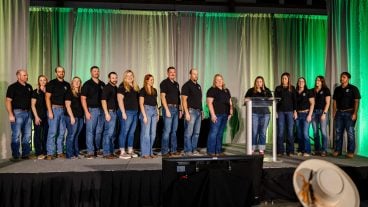
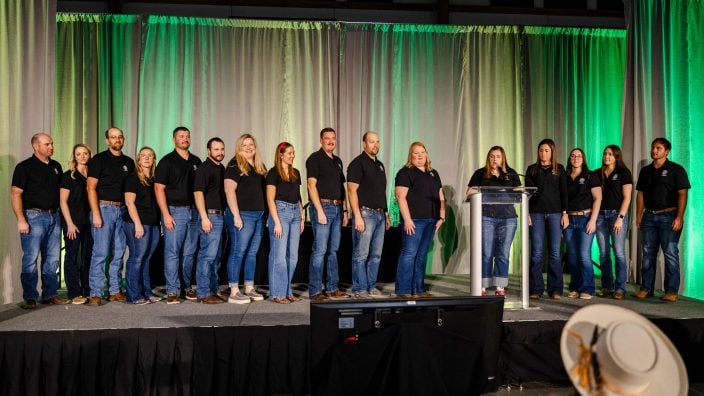
Members ages 18-34 who are interested in developing their leadership skills and enhancing programming for their peers should apply.
Read More

Senate Bill 328 is legislation designed to strengthen career-connected learning and better prepare students for Ohio’s workforce needs.
Read More

With the Family Forest Carbon Program, you can have a successful farm and get paid to grow healthy forests.
Read More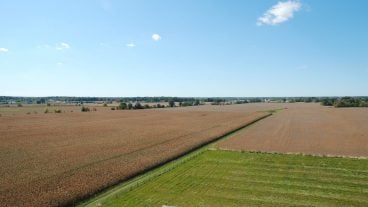
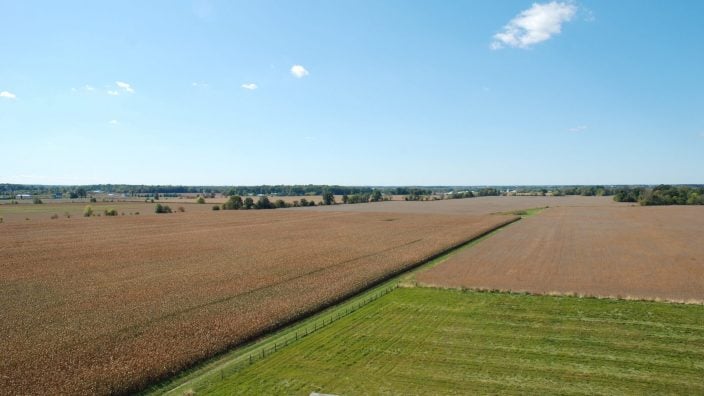
Ohio Farm Bureau recently sent a letter to Congress calling for the swift passage of the Farm, Food, and National Security Act of 2026 (HR 7567).
Read More
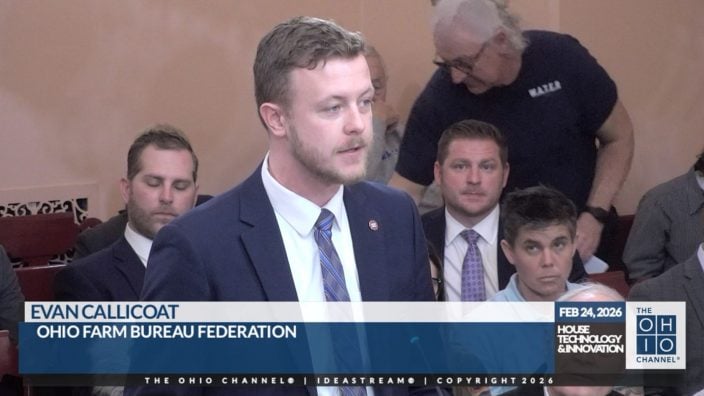
House Bill 646 would establish a Data Center Study Commission to examine the impact of rapid data center development across the state.
Read More
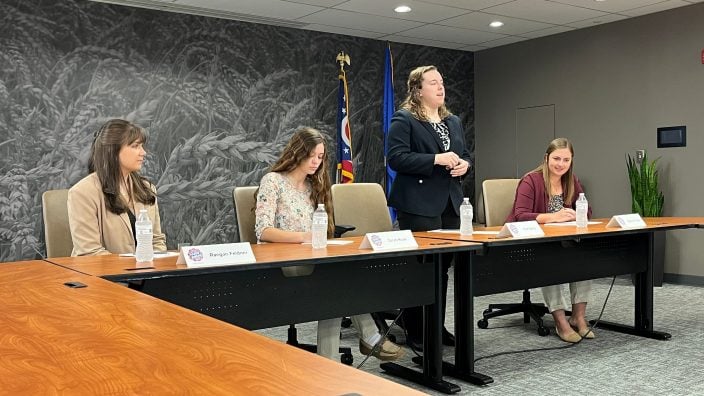
Collegiate Farm Bureau serves as a connection to current industry professionals and equips the next generation with the essential tools and resources needed to excel in their careers.
Read More

Ohio Farm Bureau members met one-on-one with state legislators and staff to discuss policy priorities impacting Ohio’s farms and rural communities.
Read More

Legacy nutrient deductions enable new farmland owners to claim deductions on the nutrients within the soil on which healthy crops depend.
Read More
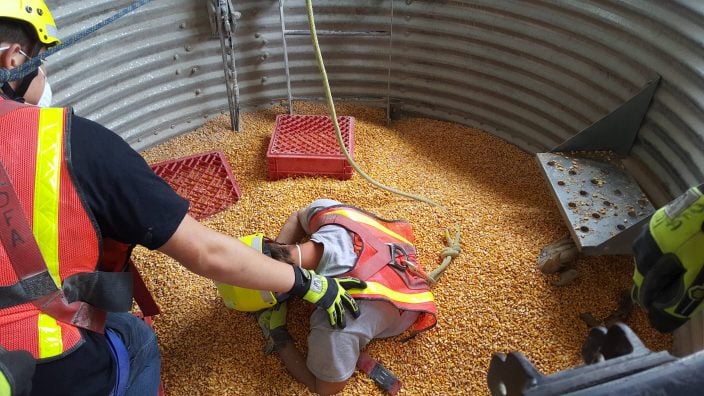
Farmers, agribusinesses and community members are encouraged to nominate their local fire departments for Nationwide’s Nominate Your Fire Department Contest through April 30.
Read More