


Applications for Ohio Farm Bureau Health Plans now available
Members have three ways to apply: contacting a certified agent, calling 833-468-4280 or visiting ohiofarmbureauhealthplans.org.
Read MoreSo much has changed over the last few months and unfortunately, with many things, I’m not sure they will ever return to the normal we once knew.
Many conversations I have had with local farmers, ag businesses and in our community have been filled with unknowns. One thing that is evident is that we have some serious issues in our food system.
In the heat of COVID-19, American agriculture was either facing or experiencing milk dumping, depopulation of herds, plowing of vegetables in the fields and an ever-growing concern of “what’s next?”
Milk processing is getting back to normal, but the demand is still not what it used to be. Industrial-scale animal harvesting and meatpacking facilities re-opened and life is beginning to have a tiny glimmer of normalcy.
As those industrial meatpacking facilities closed though, demand increased tremendously for small meat packers. Sounds like a good problem to have, right? Things can be good but still be a problem. The sudden demand for local butchers and meat processors arrived at a time when there are very few left — and the ones that are left have been facing many challenges in recent years.
Regulation isn’t a bad thing. I believe regulation is important and is the reason America has the safest and most wholesome food supply. I was a meat inspector for four years. But new regulations and the costs and time associated with meeting those regulations continue to rise.
Meat processors often found themselves spending more time documenting what they did than the time they take to do a simple task. Right now, our local meat processors could work around the clock and still not meet the demand that they face. But that means overtime — and the overtime costs associated with paying an inspector are very costly to a processing plant.
Workforce is one of the main challenges many small businesses face, but even more so in the meat industry. Meat cutters are a dying breed. There are very few if any trade courses that teach meat processing. It’s hard work, long days and it requires customer service skills — and right now we live in an era in which people tend to shy away from hard work.
It’s also not the most inviting in terms of perception. But perception is not reality. These are good people, animals are not treated inhumanely and meat is good for you in a balanced diet.
Buying local is extremely important in supporting your community and local farmers and businesses. Support our 4-Hers and FFA youth, support your local farmer and buy your livestock from them — but understand that you may not have somewhere for that animal to go for months.
• Plan Ahead. You should have been making your appointments for beef processing several months in advance pre-COVID. Now you may want to consider booking at least a year in advance.
If you are new to raising your own livestock for meat and you are unsure of when they will be ready, make a couple of appointments. But it’s crucial that you give plenty of notice to the processors when canceling an appointment. Sometimes, it affects more than just their schedule.
• Be considerate. Please do not ask them to squeeze you in. Sure, they can squeeze you in… in April 2021 with everyone else. Their schedules are filled and they have a wait list for cancellations. They are exhausted and they hate telling people no, so don’t make them have to. Trust me when I say you are not the only person trying to get animals in.
• Be kind. These are human beings doing the best they can. Again, they do not like turning customers away; it’s just the reality of the situation.
• Know the law. You can’t purchase meat from local farmers if that meat is labeled “Not For Sale” or if it’s not labeled at all. If you purchase the animal or a portion of the animal while it’s still alive, then being labeled “not for sale” just means you cannot sell. You can purchase an animal from a local farmer to butcher yourself, but you can’t sell that meat to anyone else.
In order to sell at farmers markets or at roadside stands or on-farm stores, there are special licenses that must be secured.
It’s also very important to understand that local farmers here and all over also supply the meat that you buy in grocery stores and even chain stores. 99% of farms are family-owned and even a family-owned farm can be very large scale. It takes all kinds of kinds to feed the world.
One thing for certain is that we are lucky to have these problems, to have such an abundance of choices to buy our foods. We have our work cut out to fix the issues in the food distribution process, but I have no doubt that our Farm Bureau members and the ag community will make that happen.
Submitted by Mandy Orahood, an organization director for Ohio Farm Bureau Federation, serving Ashtabula, Geauga, Lake and Trumbull Counties. She can be reached by email.
OFBF Mission: Working together for Ohio farmers to advance agriculture and strengthen our communities.


Members have three ways to apply: contacting a certified agent, calling 833-468-4280 or visiting ohiofarmbureauhealthplans.org.
Read More
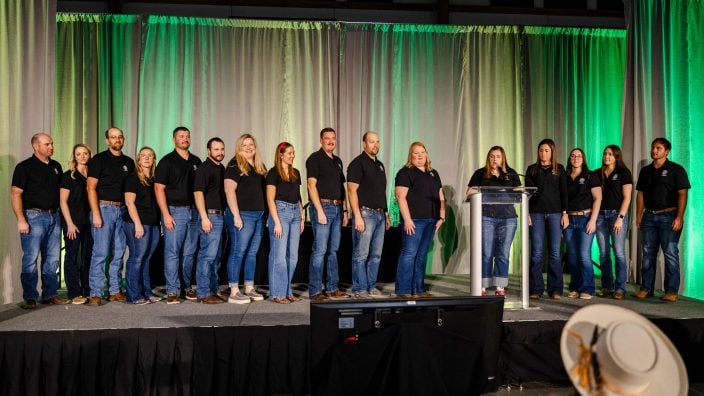
Members ages 18-34 who are interested in developing their leadership skills and enhancing programming for their peers should apply.
Read More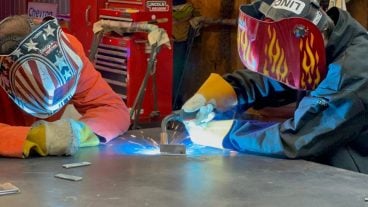
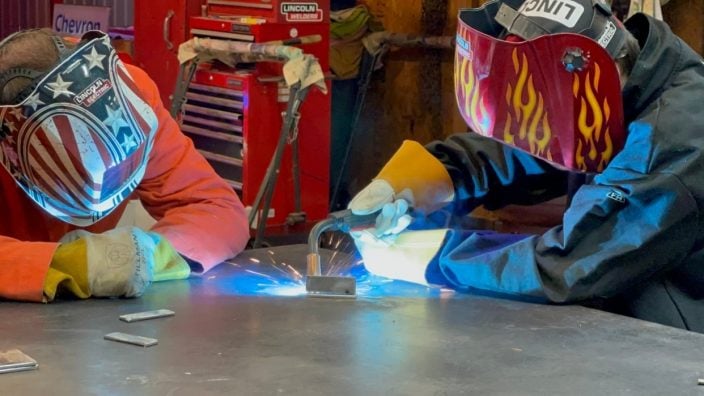
Senate Bill 328 is legislation designed to strengthen career-connected learning and better prepare students for Ohio’s workforce needs.
Read More
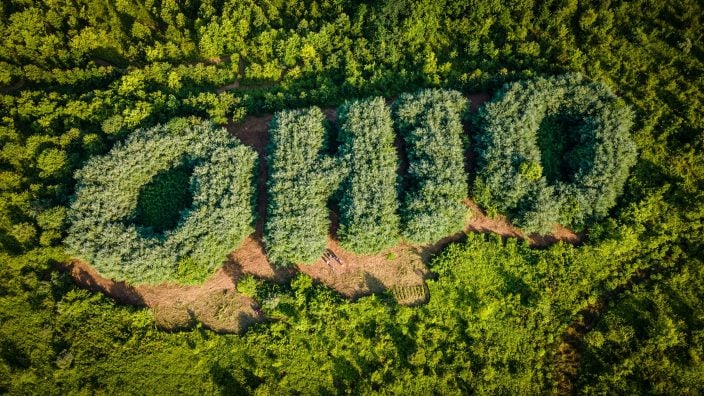
With the Family Forest Carbon Program, you can have a successful farm and get paid to grow healthy forests.
Read More
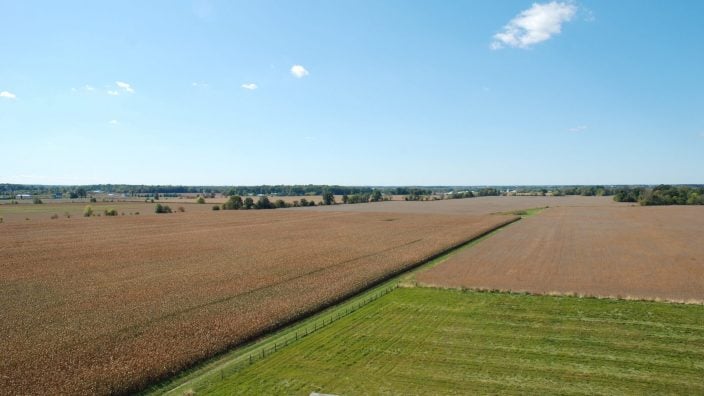
Ohio Farm Bureau recently sent a letter to Congress calling for the swift passage of the Farm, Food, and National Security Act of 2026 (HR 7567).
Read More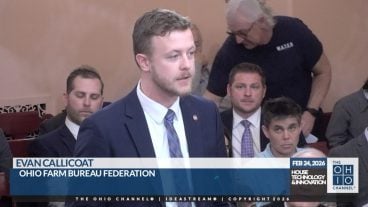
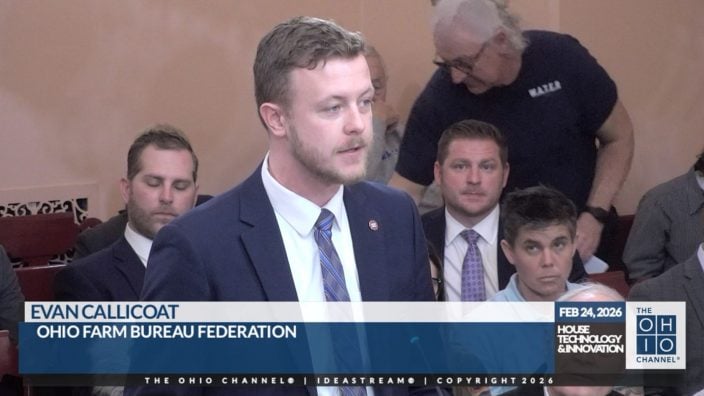
House Bill 646 would establish a Data Center Study Commission to examine the impact of rapid data center development across the state.
Read More
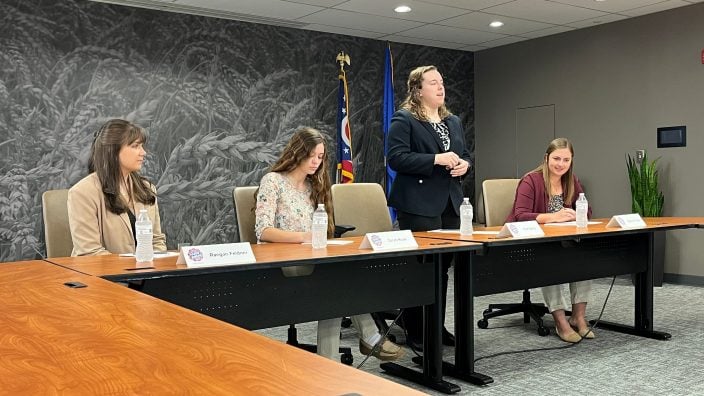
Collegiate Farm Bureau serves as a connection to current industry professionals and equips the next generation with the essential tools and resources needed to excel in their careers.
Read More
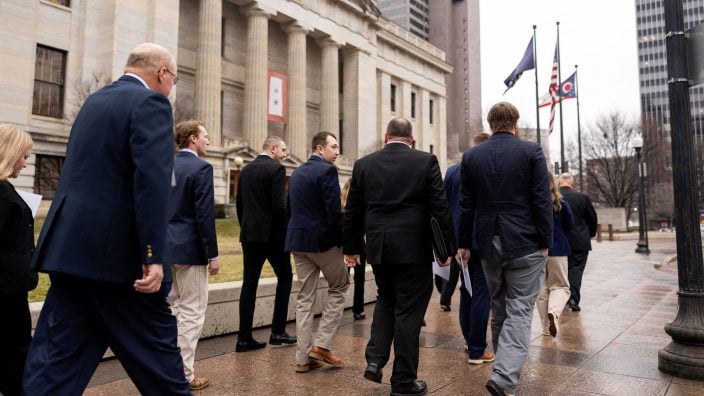
Ohio Farm Bureau members met one-on-one with state legislators and staff to discuss policy priorities impacting Ohio’s farms and rural communities.
Read More
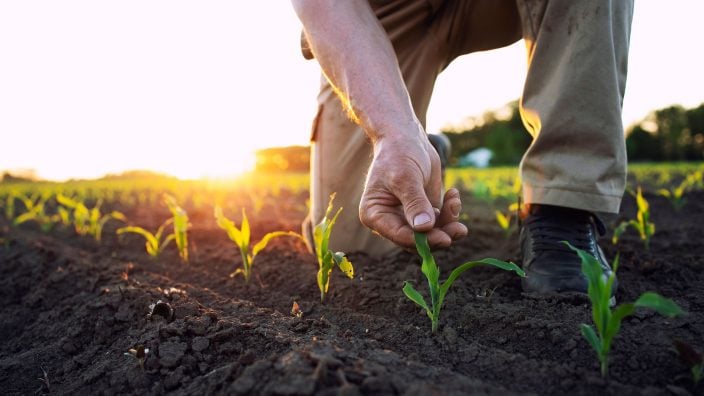
Legacy nutrient deductions enable new farmland owners to claim deductions on the nutrients within the soil on which healthy crops depend.
Read More
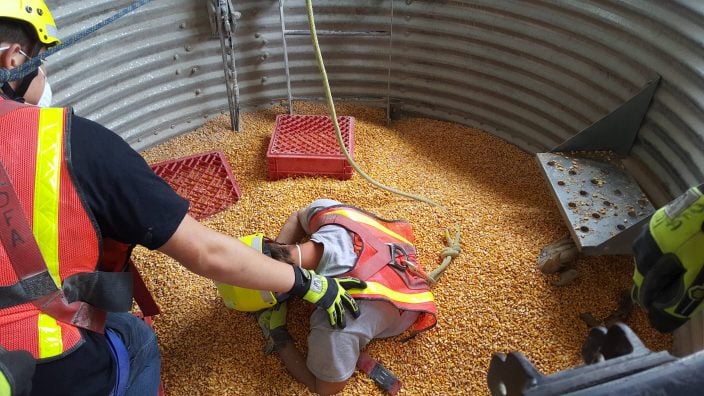
Farmers, agribusinesses and community members are encouraged to nominate their local fire departments for Nationwide’s Nominate Your Fire Department Contest through April 30.
Read More