


Applications for Ohio Farm Bureau Health Plans now available
Members have three ways to apply: contacting a certified agent, calling 833-468-4280 or visiting ohiofarmbureauhealthplans.org.
Read MoreThe 2019 growing season brought many challenges for farmers, including wet planting and harvest seasons.
The 2020 growing season has its challenges already with the global COVID-19 coronavirus pandemic. As with other industries, the pandemic presents health and safety implications for agriculture.
According to the 2017 Census of Agriculture, the average farm operator is about 58 years old, with 34% age 65 and older — an age group that seems to be at higher risk for developing more serious complications from COVID-19.
This highlights the importance of cross-training across a farm operation. Identify those who can take on responsibilities like fertilizing, planting or applying herbicides in the event that an operator would become ill. To protect everyone involved, stay informed on the recommendations from the Centers for Disease Control and Prevention and the local departments of public health.
Throughout this pandemic, keep in mind the youth on the farm. Children who would otherwise be in school or at day care now are likely at home. This provides many educational opportunities, but potentially exposes those youth to health and safety risks.
When youth are present on the farm, it is important for everyone to practice hand washing, to keep close tabs on young children and to be selective when involving them in chores or work tasks.
Access to personal protective equipment is limited. Some of the same PPE needed for health care providers like gloves, Tyvek suits, goggles/glasses, face shields and N95 respirators, is needed in agriculture for applying fertilizer and herbicides.
The need for N95 respirators is real because much of the grain stored last fall was stored at a high moisture content and could be out-of-condition and moldy. Fertilizers used in the spring, such as anhydrous ammonia, can pose significant hazards to the lungs, which is concerning when COVID-19 also can attack the lungs. Using proper PPE is important for many farming tasks.
Lastly, for farmers to keep health and safety at the forefront, it is important to remember grain bin safety.
Following the 2019 harvest, there was a concerning spike in the number of grain entrapments and fatalities nationally. Unfortunately, this is expected to continue as grain continues to be stored at a high moisture content awaiting marketing or feeding opportunities.
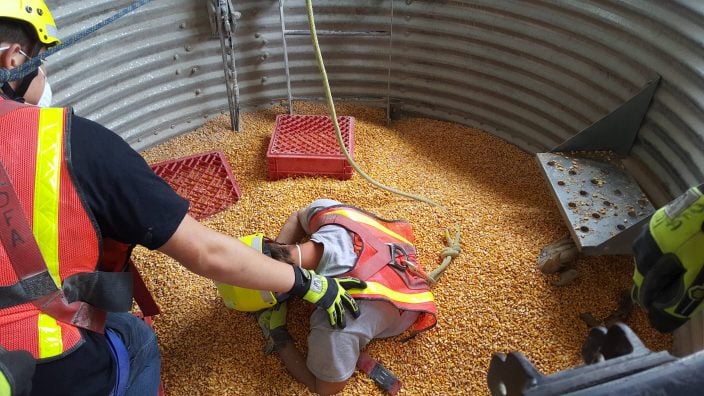
Remember, if bin entry is necessary, it is a minimum of a two-person job — the person entering and an attendant. The power source to the auger must be locked-out and tagged-out. Air quality should be monitored for at least 19% oxygen. Anyone entering should be wearing a harness and be tied off.
Remember to have an up-to-date first aid kit and fire extinguishers that are charged and readily available.
Article written by Dan Neenan, director, National Education Center for Agricultural Safety. Nationwide, the No. 1 writer of farms and ranches in the U.S., partners with the National Education Center for Agricultural Safety for its annual Grain Bin Safety Week and other farm safety initiatives.


Members have three ways to apply: contacting a certified agent, calling 833-468-4280 or visiting ohiofarmbureauhealthplans.org.
Read More
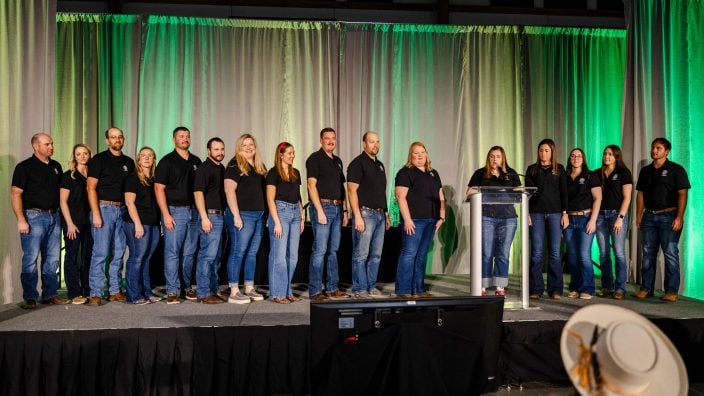
Members ages 18-34 who are interested in developing their leadership skills and enhancing programming for their peers should apply.
Read More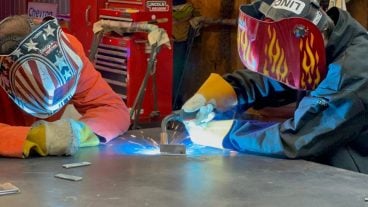
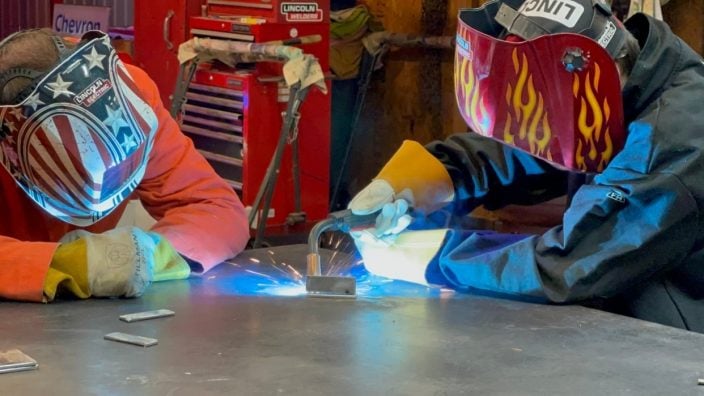
Senate Bill 328 is legislation designed to strengthen career-connected learning and better prepare students for Ohio’s workforce needs.
Read More

With the Family Forest Carbon Program, you can have a successful farm and get paid to grow healthy forests.
Read More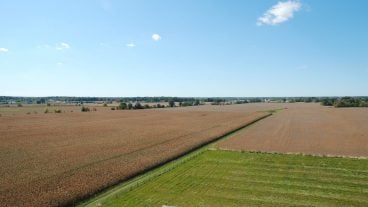
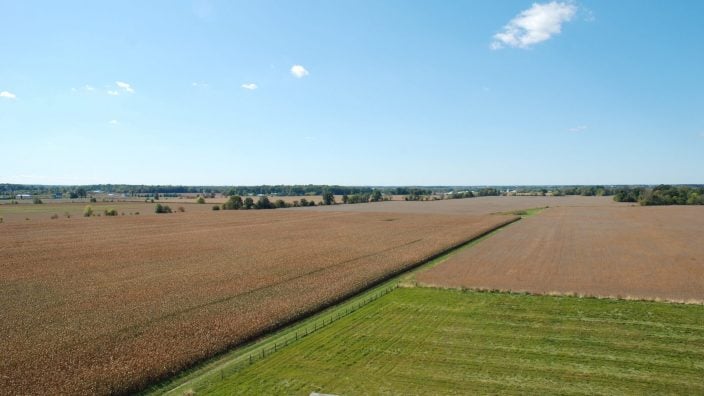
Ohio Farm Bureau recently sent a letter to Congress calling for the swift passage of the Farm, Food, and National Security Act of 2026 (HR 7567).
Read More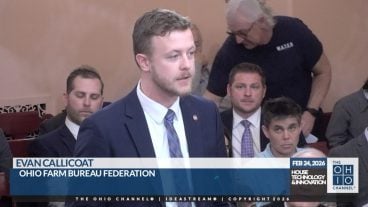
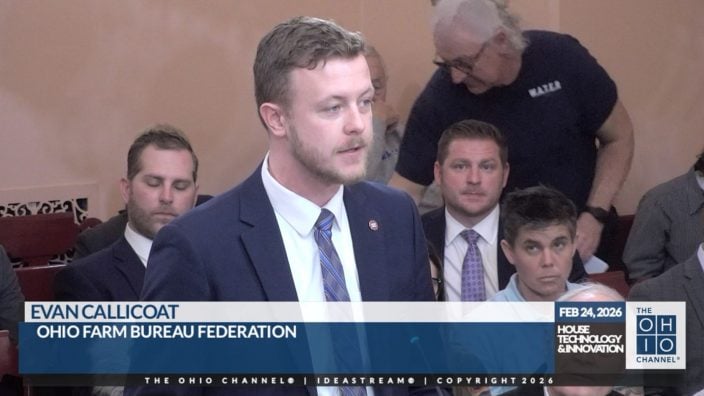
House Bill 646 would establish a Data Center Study Commission to examine the impact of rapid data center development across the state.
Read More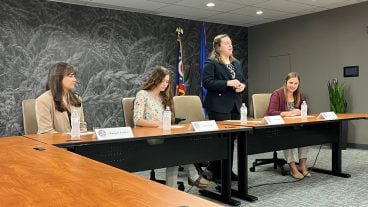
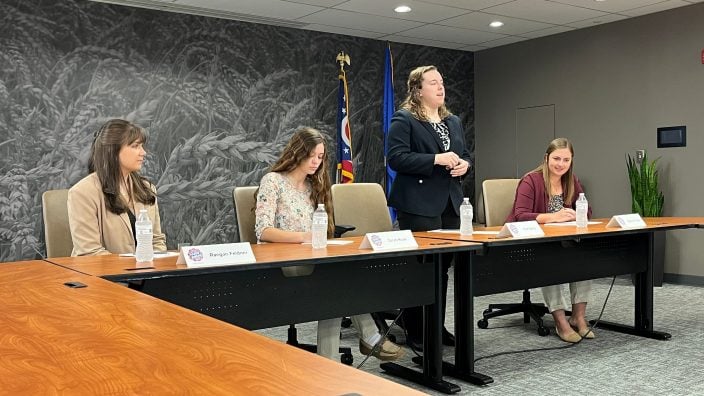
Collegiate Farm Bureau serves as a connection to current industry professionals and equips the next generation with the essential tools and resources needed to excel in their careers.
Read More

Ohio Farm Bureau members met one-on-one with state legislators and staff to discuss policy priorities impacting Ohio’s farms and rural communities.
Read More
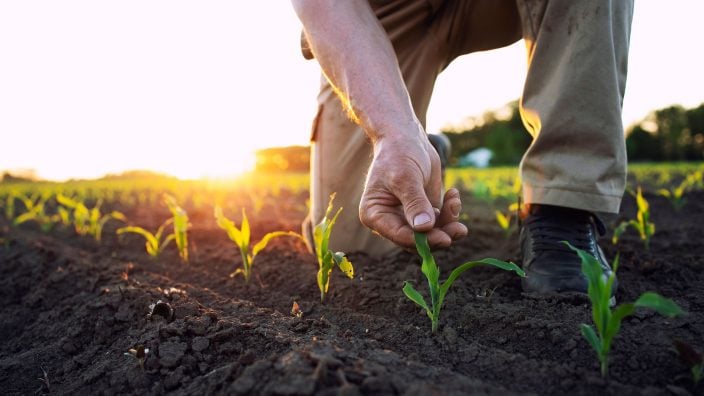
Legacy nutrient deductions enable new farmland owners to claim deductions on the nutrients within the soil on which healthy crops depend.
Read More
Farmers, agribusinesses and community members are encouraged to nominate their local fire departments for Nationwide’s Nominate Your Fire Department Contest through April 30.
Read More