

Applications for Ohio Farm Bureau Health Plans now available
Members have three ways to apply: contacting a certified agent, calling 833-468-4280 or visiting ohiofarmbureauhealthplans.org.
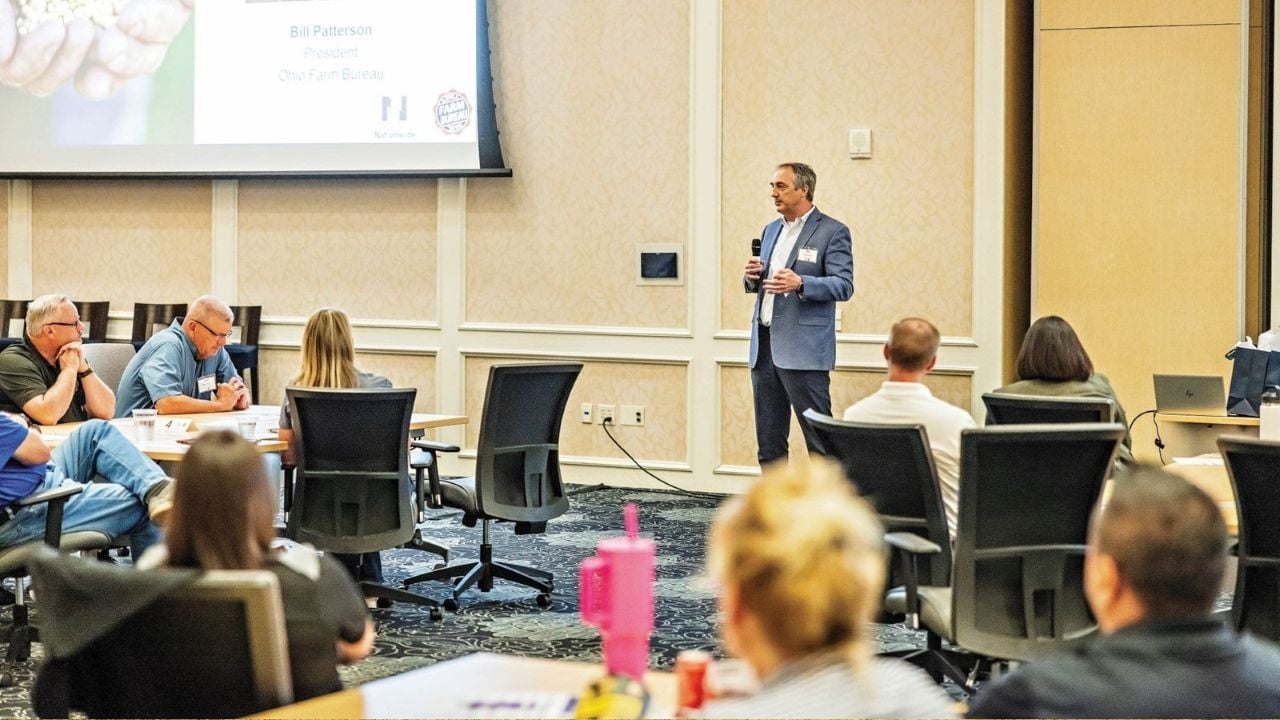
Read MoreWhen the Farmers for a Sustainable Future coalition started looking at publicly available data on agricultural production and its role in the environment, what it found was “a pretty amazing story,” said Andrew Walmsley, American Farm Bureau Federation director of congressional relations, during a September briefing with the Ohio Farm Bureau policy development committee.
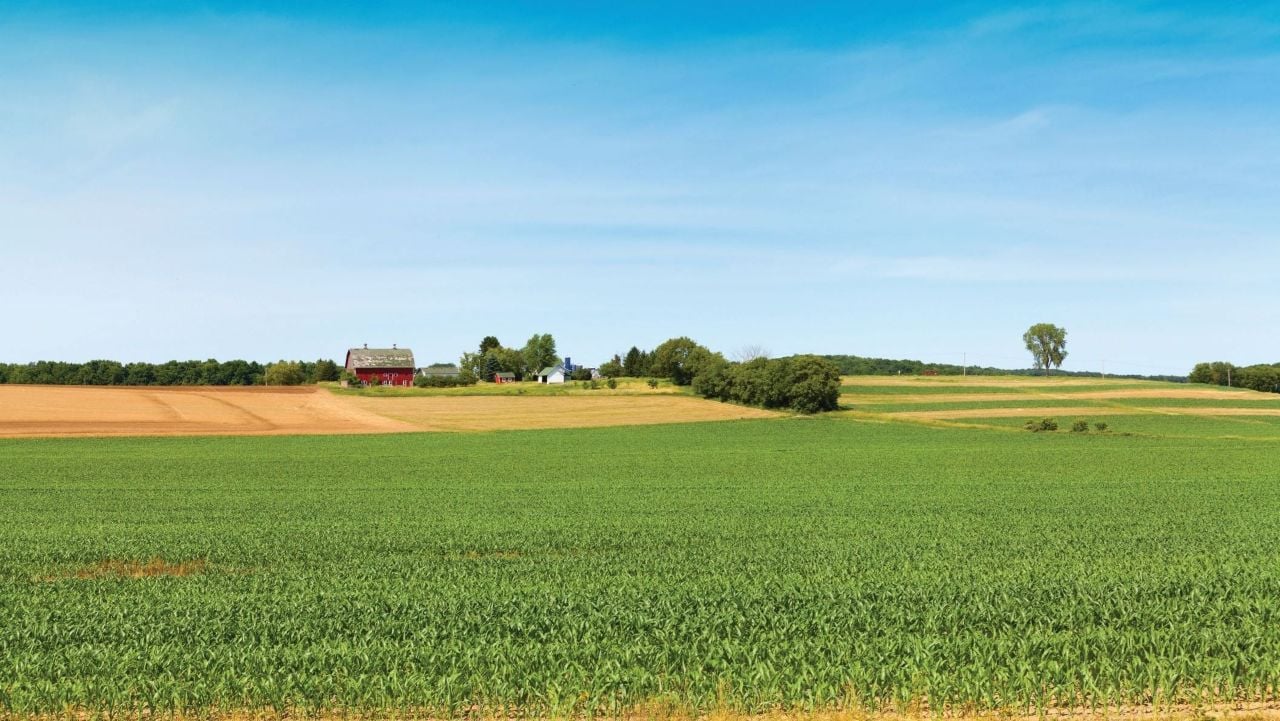
Since 1948, U.S. farmers have been able to increase their output by more than 270%, while inputs have remained relatively flat, he said. “We’re producing more while using about the same, or less, resources that we did several generations ago. That’s a pretty incredible story.”
In fact, U.S. agriculture would have needed nearly 100 million more acres in 1990 to match 2018 production levels. And the use of ethanol and biodiesel in 2018 reduced greenhouse gas emissions by an amount equivalent to taking 17 million cars off the road.
“We should be more comfortable with talking about and spreading the message about what we have been doing in ag, while recognizing there might be room for improvement and more we can do,” Walmsley said.
These conversations are increasingly taking place under the umbrella of climate change, a topic that makes some farmers uncomfortable. But they shouldn’t be.
“We have a lot of questions, but the space is moving forward,” said Jack Irvin, Ohio Farm Bureau’s senior director of state and national policy. “Do we want to be part of the conversation or do we want to be contrarian?”
With strides farmers have been taking to reduce their carbon footprint, overall greenhouse gas emissions are under 10% for the industry. In fact, of overall GHG emissions in the U.S., according to U.S. EPA figures, agriculture comes in at 659 mmt (million metric tons), well below transportation, electricity generation, and industry sectors.
If overall land use and forestry are included, agriculture would actually be a net sink for carbon, not a contributor to emissions, Walmsley said.
The Farmers for a Sustainable Future coalition includes major crop and livestock commodity groups, as well as broad agricultural organizations like the American Farm Bureau Federation and the National Farmers Union. It advocates for voluntary, incentive- and science-based conservation programs that improve environmental sustainability as well as individual farm profitability. It’s also working to make sure any policy debate will recognize farmers’ contributions, efficiency gains and the impact of their carbon sequestration efforts.
“We want to continue to incentivize innovation,” Walmsley said.
“At the end of the day, when we talk about sustainability, we’re talking about economic viability. If we’re not profitable, we’re not going to be able to continue on to the next generation — or potentially the next growing season.”
Learn more at SustainableFarming.us.


Members have three ways to apply: contacting a certified agent, calling 833-468-4280 or visiting ohiofarmbureauhealthplans.org.
Read More

Maggie Preston, Lincoln Deitrick and Denver Davis describe their role in agriculture, their Farm Bureau involvement and what it means to win their respective state awards.
Read More
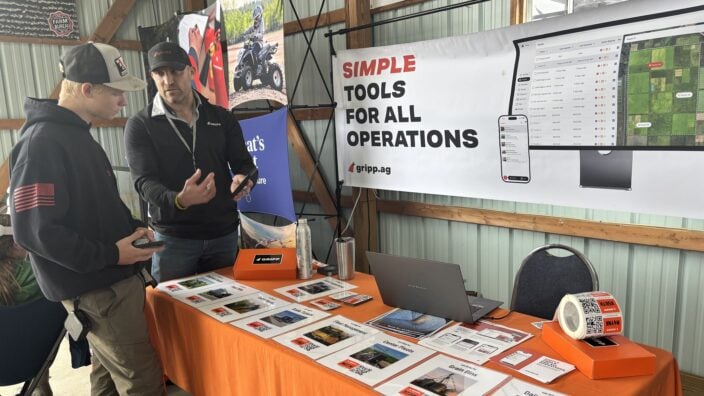
Gripp is launching a 60-day cohort in mid-January for Ohio Farm Bureau members, offering discounted access to its asset-tracking app.
Read More
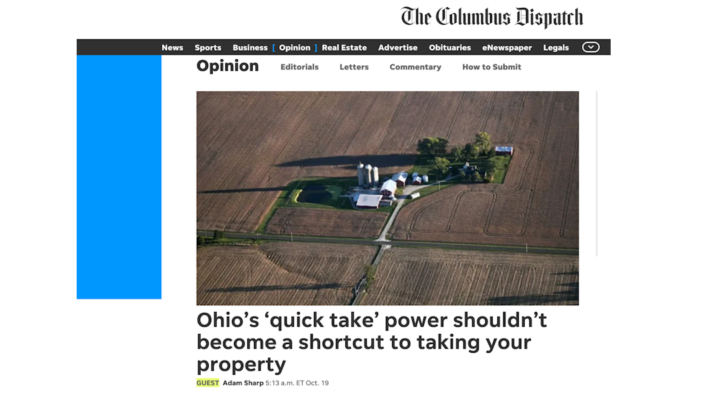
Ohio Farm Bureau recently published an op-ed in The Columbus Dispatch highlighting the importance of protecting private property rights as discussions continue around expanding eminent domain powers in Ohio.
Read More
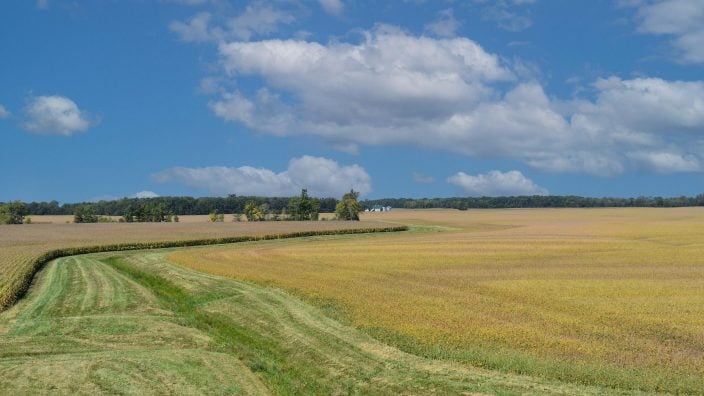
These discussions should not begin and end with a developer’s offer. Identifying family goals now gives the family something to plan around.
Read More
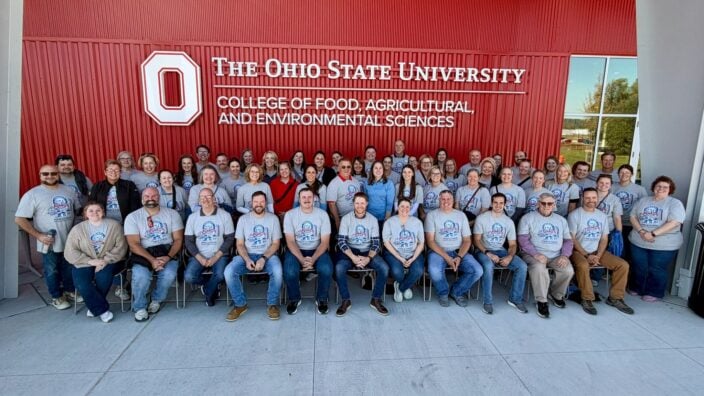
Ohio Farm Bureau joined leaders from across Ohio’s food and agriculture industry this week to pack 10,000 meals for central…
Read More
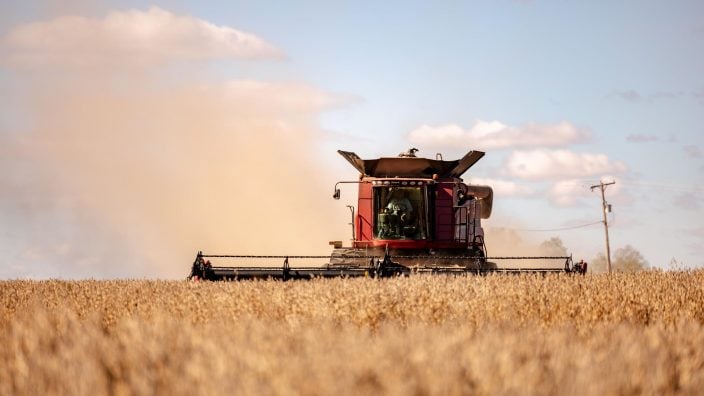
The administration recently issued an executive order easing restrictions on the use of tax-exempt dyed diesel fuel for on-road agricultural transportation.
Read More
Ohio Farm Bureau Associate General Counsel Leah Curtis explains how the eminent domain process works in Ohio, what ‘quick take’ means and when it can be used.
Read More
As fuel prices skyrocket across the state, lawmakers are preparing to return to the Statehouse to vote on the temporary suspension of Ohio’s gas tax.
Read More
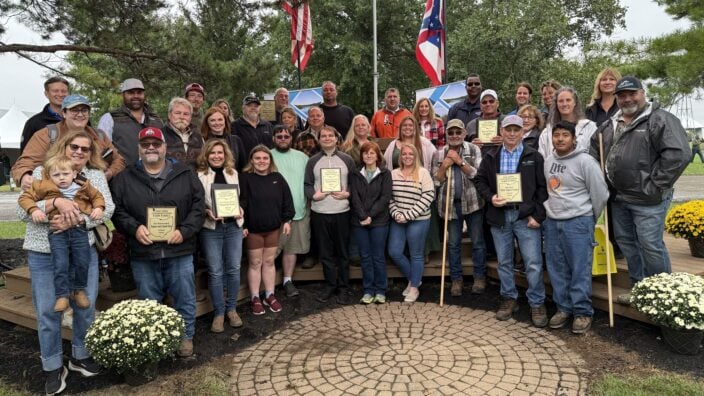
Since 1984, the Conservation Farm Family Awards program has recognized Ohio farm families for their exemplary efforts conserving soil, water, woodland, wildlife, and other natural resources.
Read More